The FX Brand and the Super One Prototype
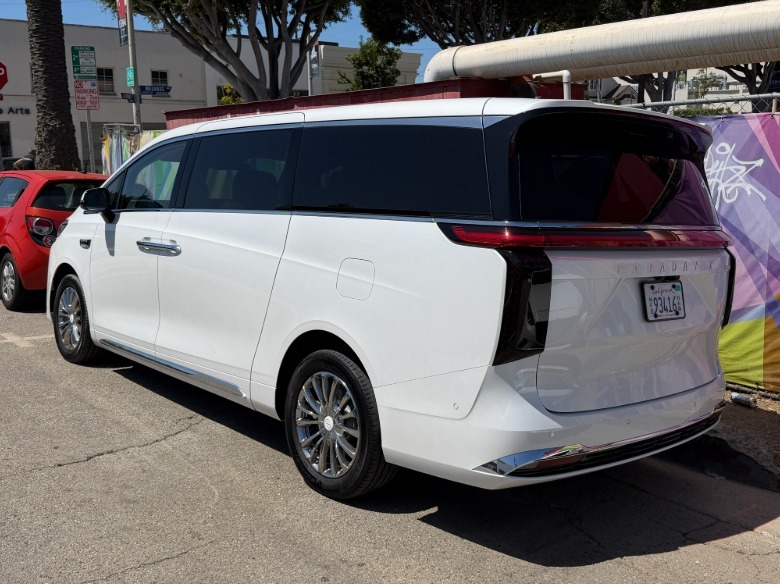
The FX Super One represents a significant departure from Faraday Future’s original flagship, the ultra-luxury FF 91. While the FF 91 was marketed as a high-performance "all-ability aiHypercar" with a price tag exceeding $300,000, the FX series is positioned as a more accessible entry into the electric vehicle (EV) and extended-range electric vehicle (EREV) segments. The FX Super One, specifically, is a large minivan or Multi-Purpose Vehicle (MPV) that relies heavily on existing architecture from Great Wall Motor (GWM), one of China’s largest automotive conglomerates.
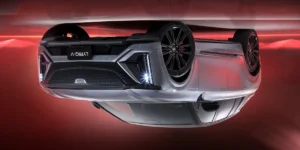
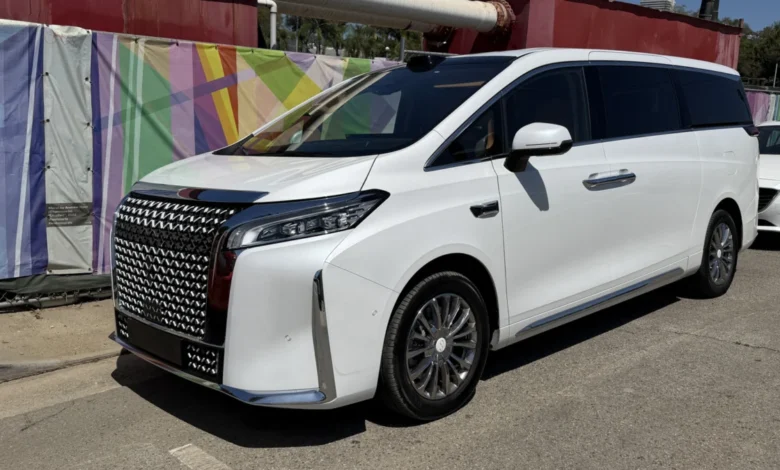
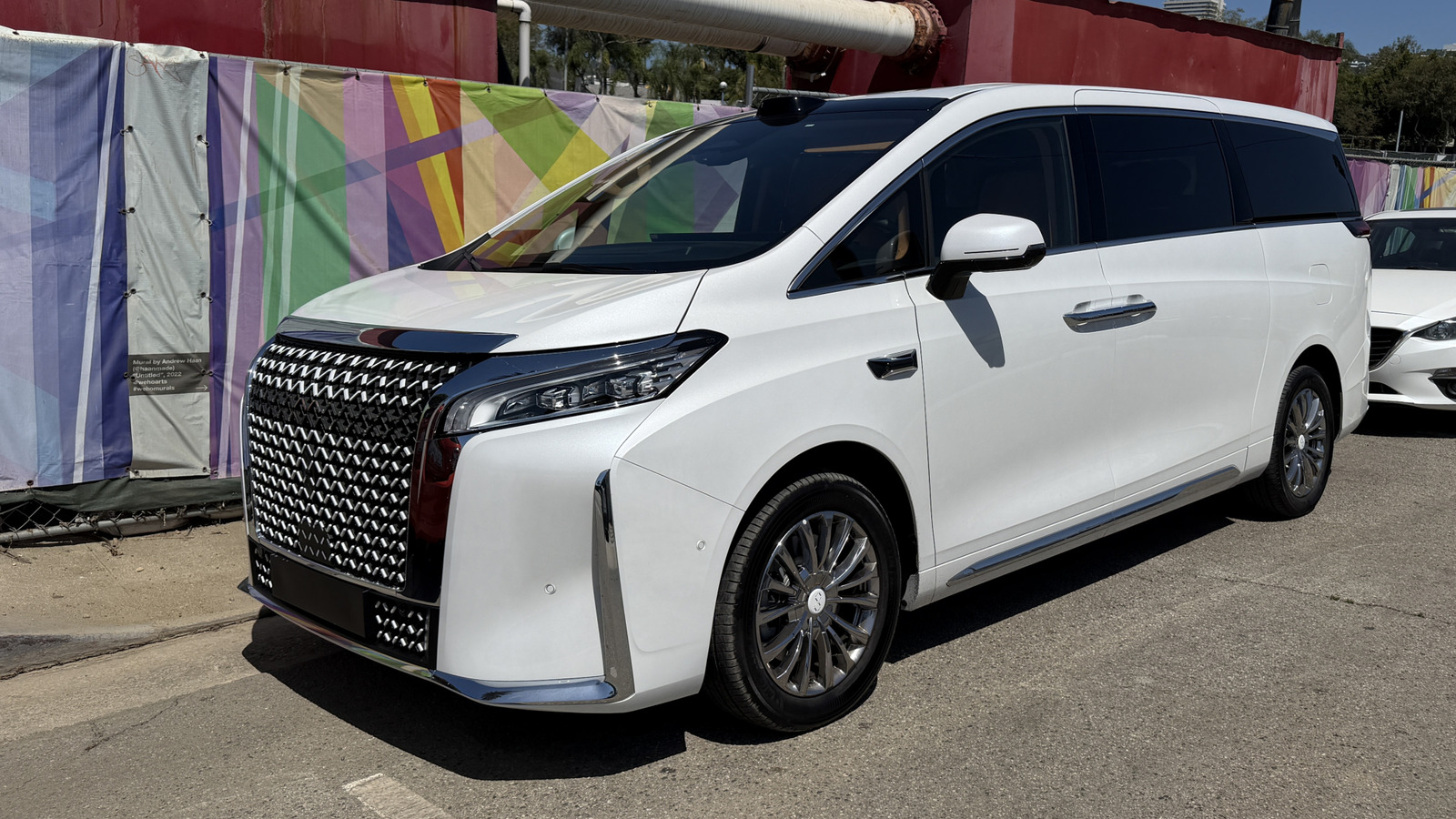
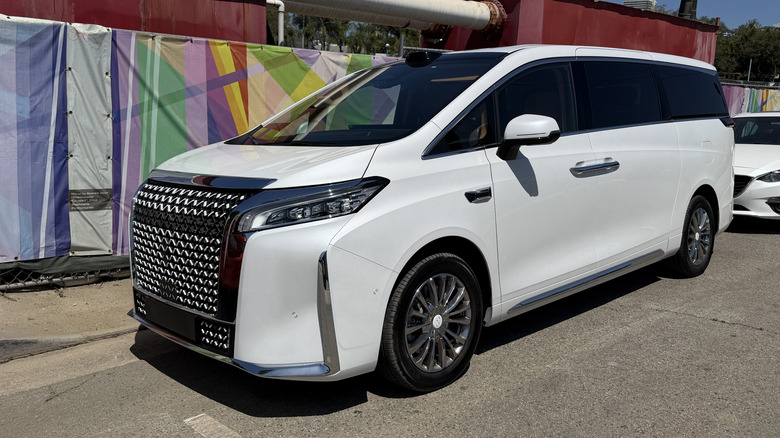
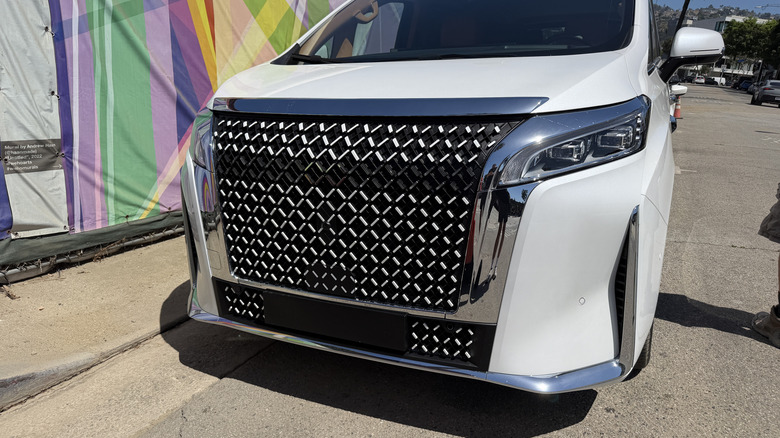
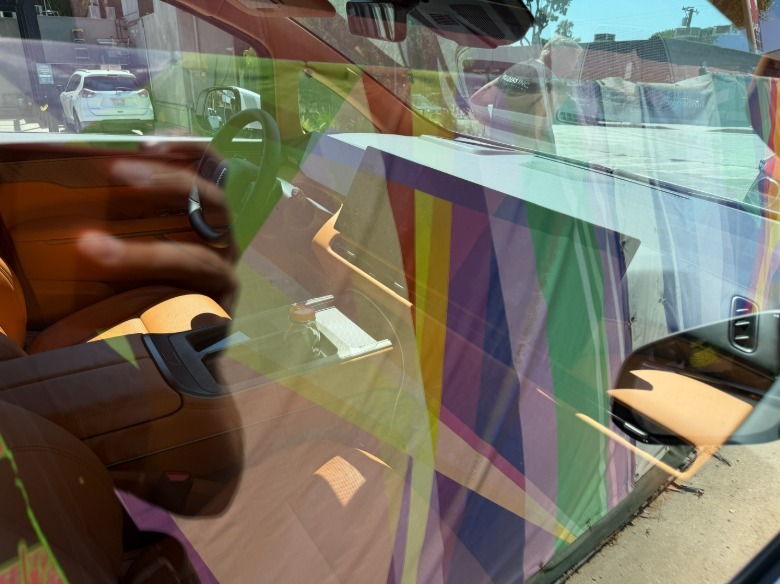
The test vehicle recently spotted in Southern California reveals several discrepancies between the conceptual "AI-driven" show cars previously displayed and the actual hardware currently undergoing road testing. Most notably, the prototype lacks the "F.A.C.E." (Faraday Future AI Creative Ecosystem) screen—a large external display integrated into the front fascia designed to facilitate communication between the vehicle’s artificial intelligence and the outside world. Instead, the test mule features a conventional mesh grille composed of a repeating Faraday Future logo pattern. Furthermore, interior observations of the test vehicle indicate that it retains several components from its donor car, the Wey Gaoshan, including a steering wheel that still bears the "Wey" branding.
Technical Specifications and the Wey Gaoshan Connection
The FX Super One is widely recognized by industry analysts as a rebadged version of the Wey Gaoshan, a luxury MPV produced by GWM’s premium Wey brand. The Gaoshan is typically offered in China as a plug-in hybrid (PHEV), but Faraday Future has stated its intention to adapt the platform for the U.S. market with several key modifications.
According to company filings and public statements, Faraday Future plans to implement an 800-volt electrical architecture for the FX Super One. This high-voltage system is intended to support faster charging speeds and improved thermal management, a feature increasingly common in high-end EVs like the Porsche Taycan and Hyundai Ioniq 5. However, the company has admitted that the transition to this 800V system, combined with a lack of consistent capital, has contributed to delays in the vehicle’s development timeline.
In a move to address "range anxiety" and broaden the vehicle’s appeal, Faraday Future recently filed for a patent regarding a range-extender system. This technology involves a small internal combustion engine that acts solely as a generator to charge the battery pack while the vehicle is in motion. This "Bridge Strategy" suggests that the FX Super One may be offered in both battery-electric (BEV) and range-extended electric (EREV) configurations to navigate the current limitations of U.S. charging infrastructure.
A Chronology of Volatility: Faraday Future’s Decade-Long Journey
To understand the current state of the FX Super One, it is necessary to examine the broader timeline of Faraday Future (FF), which has been characterized by grand promises and narrow escapes from insolvency.
- 2014: Faraday Future is founded by Jia Yueting, a Chinese billionaire and founder of LeEco. The company establishes its headquarters in Gardena, California, with the goal of rivaling Tesla.
- 2016: The company reveals the FFZERO1 concept car at CES, promising a modular platform and 1,000 horsepower.
- 2017: The production-intent FF 91 is unveiled. Despite thousands of initial reservations, the company begins to face severe cash flow issues as Jia Yueting’s financial empire in China collapses.
- 2019-2020: FF undergoes a massive restructuring. Carsten Breitfeld, a former BMW executive, is named CEO, and Jia Yueting files for personal bankruptcy in the U.S. to address billions in debt.
- 2021: Faraday Future goes public on the NASDAQ via a merger with a Special Purpose Acquisition Company (SPAC), Property Solutions Acquisition Corp. The deal provides a $1 billion infusion of capital.
- 2022-2023: Internal power struggles and whistleblower allegations lead to board shakeups. The company finally begins "Phase 1" deliveries of the FF 91 in mid-2023, though total units delivered remain in the single digits for several months.
- Late 2024: FF announces the launch of its second brand, FX, and unveils the FX Super One and FX Super Two. The company clarifies its intent to serve as a bridge between Chinese EV supply chains and the U.S. market.
The Global Automotive Industry Bridge Strategy
The introduction of the FX brand is the centerpiece of Faraday Future’s current survival plan. By partnering with Chinese Original Equipment Manufacturers (OEMs) like Great Wall Motor, FF aims to bypass the immense costs of ground-up vehicle development. The strategy involves importing major vehicle sub-assemblies and components from China and performing final assembly in the United States.
This approach is not without significant regulatory hurdles. The U.S. government has recently increased Section 301 tariffs on Chinese-made electric vehicles to 100%, and new regulations regarding "connected vehicles" with Chinese hardware and software are being proposed by the Department of Commerce. Faraday Future has claimed that its localized assembly and the integration of its proprietary "AI software stack" will allow it to navigate these trade barriers, though many industry experts remain skeptical of the legal and logistical feasibility of this plan.
Financial Standing and Market Realities
Despite the physical presence of test vehicles on California roads, Faraday Future’s financial health remains precarious. In its most recent financial disclosures, the company has consistently issued "going concern" warnings, indicating that it may not have enough cash to meet its obligations for the next twelve months.
The company has turned to various unconventional methods to maintain operations, including "at-the-market" equity offerings and seeking investment from Middle Eastern sources. Furthermore, FF has recently attempted to capitalize on the artificial intelligence boom by announcing a pivot toward "AI-Humanoid Robots," suggesting that its vehicle AI technology could be adapted for general-purpose robotics. Critics argue that these announcements are designed to bolster stock price rather than reflect a viable shift in manufacturing focus.
Official Responses and Strategic Outlook
Faraday Future maintains that its testing program in California is a testament to its resilience. In a recent communication to shareholders, Global CEO Matthias Aydt emphasized that the company is focused on "execution and cost-efficiency." The company asserts that the FX Super One will undergo rigorous federalization testing to ensure compliance with U.S. Federal Motor Vehicle Safety Standards (FMVSS).
"Our goal is to create a ‘Global Desktop’ for the automotive industry," Aydt stated in a recent press release. "By leveraging the scale of Chinese manufacturing and the innovation of California’s tech ecosystem, we believe we can offer a unique value proposition that other startups cannot match."
However, the lack of a clear production date and the visual state of the current prototypes—which appear more like slightly modified imports than fully developed American-market vehicles—leave many questions unanswered. The presence of Wey logos and Chinese-market trim on test mules suggests that the "Americanization" of the Gaoshan platform is still in its early stages.
Broader Implications for the EV Industry
The saga of the Faraday Future FX Super One serves as a case study for the challenges facing the modern automotive industry. It highlights the tension between the desire for affordable EV technology and the geopolitical complexities of U.S.-China trade relations. If Faraday Future succeeds, it could provide a blueprint for other Chinese manufacturers to enter the U.S. market through domestic partnerships. If it fails, it will likely be remembered as one of the most persistent and well-funded examples of "vaporware" in the transition to electric mobility.
For now, the FX Super One remains a rare sight: a physical manifestation of a company that has spent a decade teetering on the edge of extinction. While the sight of the van testing in West Hollywood proves that the project is not yet dead, the path from a manufacturer-plated prototype to a commercially viable product remains fraught with financial, legal, and engineering obstacles. As the automotive world watches, Faraday Future continues its improbable journey, attempting to transform a rebadged Chinese minivan into the "AI-driven" future of American transportation.