Elite American Universities Under Scrutiny for Accepting Millions from Foreign Entities on Federal Watchlists

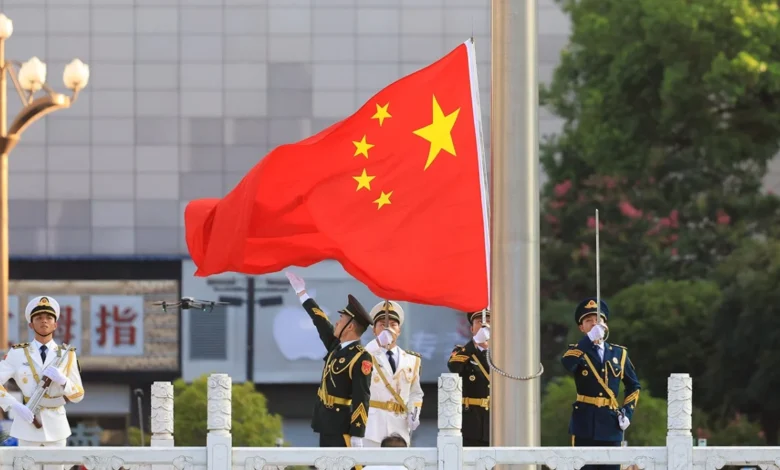
A recent government data disclosure has revealed that several elite American universities have accepted millions of dollars from foreign entities appearing on federal watchlists, including some with direct ties to the Chinese military. This revelation has ignited concerns regarding national security, intellectual property protection, and the integrity of academic research within the United States. The data, compiled through enhanced transparency measures initiated by the Trump administration, underscores a broader challenge of foreign influence in American higher education.
Unveiling the Financial Connections
According to officials from the State and Education Departments, a significant sum of $27.6 million was reported by dozens of universities as received from foreign entities on at least one federal watchlist during the second half of 2025. This data, initially brought to light by CBS News, implicated prominent institutions such as Northwestern University, the University of California, Irvine (UC Irvine), the University of Connecticut, Bryant University, and the University of California, Berkeley (UC Berkeley). The disclosed figures represent a fraction of a larger problem, with an Education Department spokeswoman stating that American universities have received nearly $405 million from "counterparties of concern" – entities that pose a "very real risk" to U.S. national security and that of its allies.
This level of financial interaction with watchlisted entities marks a critical juncture for U.S. policy. The Education Department spokesperson emphasized a shift from previous administrations, which often "looked the other way or kept this data hidden." The updated Section 117 Dashboard, a key tool in this new transparency drive, aims to bring this "cash out of the shadows," providing students, families, and taxpayers with a clearer understanding of funding sources and equipping the State Department to utilize this information for national security protection.
The Policy Shift: Section 117 and Enhanced Scrutiny
The cornerstone of this federal oversight is Section 117 of the Higher Education Act of 1965, which mandates U.S. colleges and universities to disclose gifts from and contracts with foreign sources totaling $250,000 or more in a calendar year. For decades, enforcement of Section 117 was inconsistent and lacked detailed disclosure requirements, often allowing institutions to report only the country of origin rather than the specific entity. This opacity created significant blind spots, making it difficult for federal agencies to track potential foreign influence or intellectual property theft.
The Trump administration, through an executive order issued in April 2025, directed the Department of Education to significantly bolster its collection of information from universities regarding their foreign funding sources. This directive led to the creation of the enhanced Section 117 Dashboard, designed to provide granular detail on foreign benefactors. This policy change reflected a growing concern within Washington about the strategic competition with nations like China, particularly regarding technological superiority and research integrity. The executive order aimed to ensure that foreign funding did not compromise academic freedom, foster espionage, or facilitate the transfer of sensitive technologies to adversarial nations.
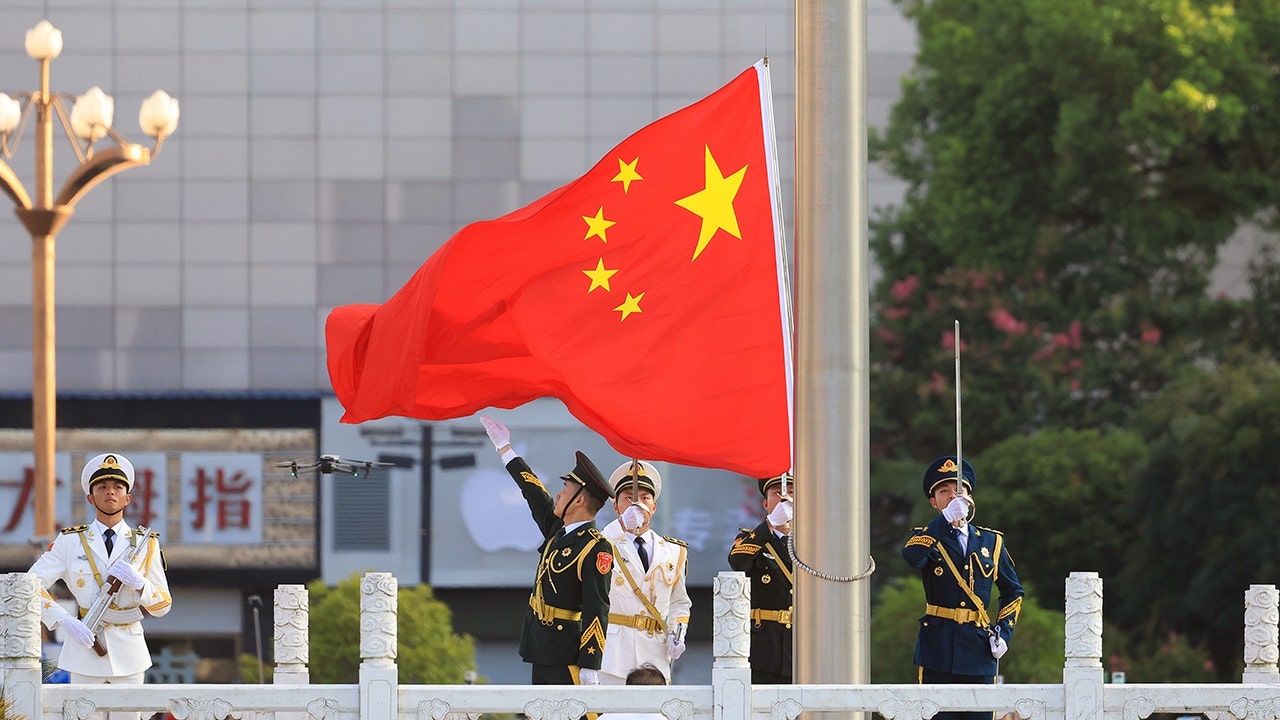
The heightened scrutiny is a direct response to a perceived laxity that, according to critics, allowed foreign governments to exert undue influence or gain access to cutting-edge research. The new reporting requirements aim to illuminate these financial pathways, forcing universities to confront the origins and potential implications of their foreign engagements.
Detailed Cases of Concern
Several specific instances highlight the gravity of the situation:
-
Aero Engine Corporation of China (AECC): This entity, listed on the Treasury Department’s Foreign Assets Control List due to its ties with the Chinese military and designated a "military end-user entity" by the Department of Commerce, channeled $7.8 million across Northwestern University, UC Irvine, and the University of Connecticut over several years. AECC is a critical component of China’s defense industrial base, developing engines for fighter jets and attack helicopters used by the People’s Liberation Army (PLA). The nature of the collaboration or how these funds were utilized by the American universities remains undisclosed in the documents filed with the Department of Education, intensifying questions about potential technology transfer or research benefits for China’s military advancements.
-
Sun Yat-sen University (SYSU): UC Berkeley, a global leader in various technology-related fields where the United States and China are in direct competition, received a substantial $7.6 million grant from Sun Yat-sen University. SYSU is particularly concerning because it hosts China’s National Supercomputing Center and appears on the Pentagon’s "1286 List," which identifies research institutions believed to be engaged in "problematic activities" related to military-civil fusion strategies. The funding raises alarms about the potential for advanced research conducted at UC Berkeley to be leveraged by Chinese military-affiliated institutions.
-
Beijing Institute of Technology (BIT): Bryant University entered into a $22.6 million contract with the Beijing Institute of Technology (BIT) to maintain a jointly operated academic program in China. BIT, a prominent Chinese university with strong ties to the country’s defense industry and military research, appears on two federal watchlists. While Bryant University stated that the program, established in 2014, was "educational instruction only" and "never included research activities, federally funded research, defense-related work, technology transfer or intellectual property development," the sheer scale of the financial commitment and BIT’s watchlist status drew significant attention. Bryant University confirmed that after learning of BIT’s full acquisition of its Zhuhai institution and BIT’s subsequent addition to the Department of Defense’s 1286 list, they initiated the termination of the relationship. The program stopped enrolling new students, and a teach-out period for existing students is scheduled for completion on June 30, 2027.
Government Warnings and University Responses
The federal government has not minced words about the potential repercussions. Under Secretary of State for Public Diplomacy Sarah B. Rogers issued a stark warning in a letter sent to the implicated universities, obtained by CBS News. Rogers urged university board members to "ensure heightened diligence on this matter which has important national security implications for our country," indicating that continued relationships with these watchlisted entities could lead to restrictions on access to federal grant funding. This threat of financial penalty underscores the seriousness with which the government views these foreign engagements.
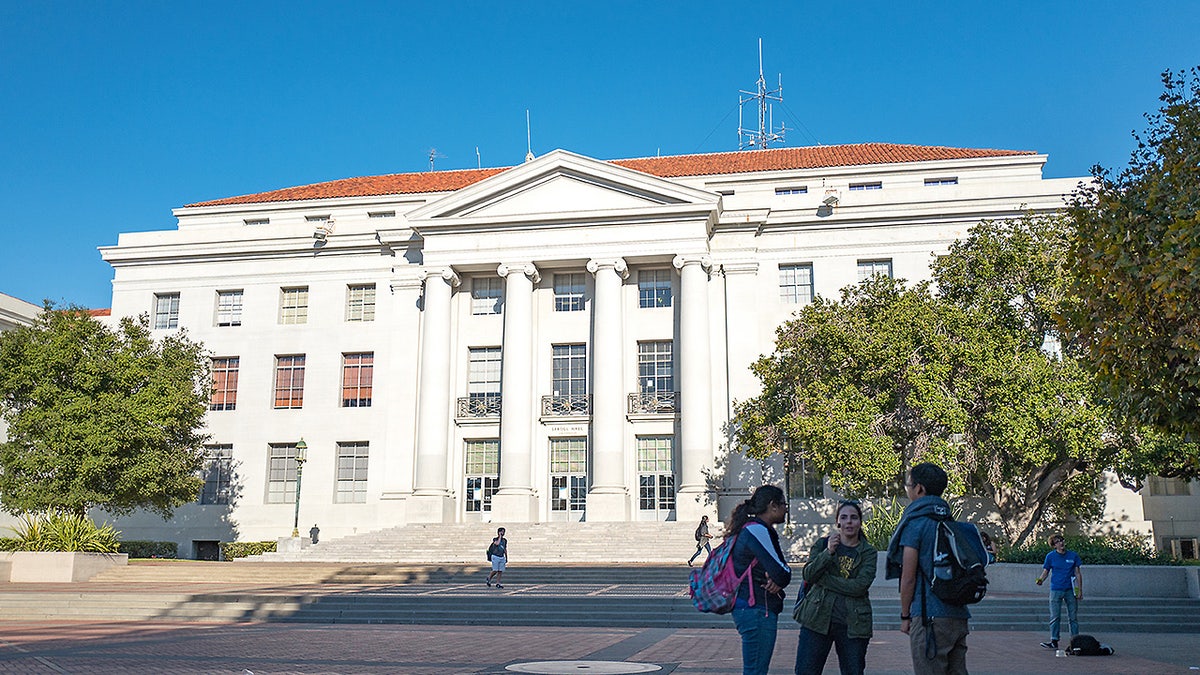
University responses to these allegations have varied:
-
UC Berkeley issued a statement to Fox News Digital, asserting its compliance with "all of the statutes and regulations that apply to contracts and gifts from foreign sources." The university also indicated that it was "still in the process of analyzing and fact-checking the characterization of the government’s data and the referenced CBS reporting." A spokesman further clarified a specific point in CBS’s report, stating that while Lawrence Berkeley National Laboratory is geographically located in Berkeley, UC Berkeley does not manage or oversee the Department of Energy’s primary high-performance computing facility there.
-
Bryant University provided a detailed explanation of its relationship with the Beijing Institute of Technology, Zhuhai. The university emphasized the program’s educational nature and the proactive steps taken to terminate the agreement upon learning of BIT’s acquisition and watchlist status. This response highlights the complex challenges universities face in navigating evolving geopolitical landscapes and rapidly changing federal watchlists.
-
Northwestern University, UC Irvine, and the University of Connecticut did not immediately respond to requests for comment from Fox News Digital regarding the payments received from the Aero Engine Corporation of China. This silence leaves critical questions unanswered about the nature of their engagements with a company explicitly tied to China’s military industrial complex. The Department of Education also did not comment on Tuesday regarding the wider implications or specific cases.
Expert Perspectives and Broader Implications
Experts in research security and foreign influence have long warned about these vulnerabilities. LJ Eads, founder of Data Abyss and director of research intelligence at Parallax Advanced Research, characterized the situation as a "huge policy fail in terms of implementing restrictions without follow-through over the years." He likened it to "having kids and not parenting well. Or giving your teenager a cellphone and having no restrictions on cellphone use," suggesting a historical lack of rigorous enforcement and oversight.
The implications of these revelations are far-reaching:
-
National Security Risks: The primary concern is the potential for the transfer of sensitive research, technological know-how, and intellectual property that could bolster the military and economic capabilities of rival nations, particularly China. Collaboration with entities linked to the PLA could inadvertently aid in developing advanced weaponry or surveillance technologies that threaten U.S. interests.
-
Integrity of Research and Academic Freedom: While open academic exchange is a hallmark of American higher education, unchecked foreign funding from adversarial sources can compromise the integrity of research, potentially steering academic priorities, influencing curriculum, or creating environments conducive to intellectual property theft. The balance between fostering global collaboration and protecting national interests becomes increasingly delicate.
-
Increased Scrutiny and Compliance Burden: Universities are now facing intense pressure to enhance their due diligence processes for foreign gifts and contracts. This will likely lead to more stringent internal review mechanisms, increased legal and compliance costs, and a more cautious approach to international partnerships. The potential loss of federal grant funding serves as a powerful deterrent.
-
Geopolitical Ramifications: The disclosures exacerbate tensions in U.S.-China relations, particularly in the scientific and educational spheres. As both nations compete for technological supremacy, the academic domain becomes a new battleground for influence and intelligence gathering. This could lead to a chilling effect on legitimate international academic collaborations, potentially isolating U.S. researchers or limiting their access to global talent and perspectives.
-
Public Trust and Accountability: The transparency initiative aims to restore public trust by making universities more accountable for their funding sources. Taxpayers, who often subsidize these institutions through various means, have a right to know that academic endeavors are not inadvertently supporting foreign adversaries.
The ongoing process of analyzing and fact-checking the government’s data, as noted by UC Berkeley, suggests that the full scope and nature of these foreign financial ties are still being unraveled. This initial wave of disclosures likely represents the tip of an iceberg, promising further scrutiny and policy adjustments as the United States grapples with the complex interplay of global academia, national security, and economic competition. The coming years will undoubtedly see a significant re-evaluation of how American universities engage with foreign funding, particularly from nations deemed strategic competitors or potential adversaries.