Revolutionary DNA-powered computing system achieves unprecedented calculation capabilities within a microscopic aqueous environment

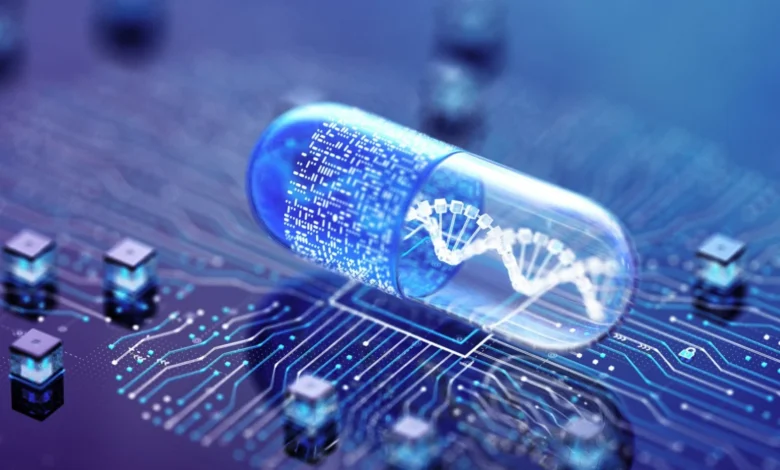
In a significant leap for the field of molecular biology and computational science, researchers have unveiled a novel DNA-powered computing system capable of executing complex calculations using billions of molecules suspended in a single drop of water. This breakthrough, which merges the structural precision of genetic material with the logic of traditional computing, represents a departure from silicon-based architecture, offering a pathway toward vastly more efficient data processing and information storage. By leveraging the fundamental laws of physics and chemical kinetics, this system demonstrates that the biological building blocks of life can serve as the foundation for the next generation of high-performance computing.
The Evolution of Biological Computation
The quest to utilize DNA as a computational medium is not a recent phenomenon. The concept dates back to 1994, when computer scientist Leonard Adleman first demonstrated that DNA molecules could be used to solve a specific mathematical problem—the Directed Hamiltonian Path problem. By encoding the problem’s parameters into strands of DNA and utilizing chemical reactions to "compute" the results, Adleman proved that molecular biology could perform operations analogous to binary logic gates.
For decades, the field remained largely theoretical, hindered by the slow speed of molecular reactions and the high error rates inherent in biological synthesis. However, the development of this newest system marks a maturation of the technology. Unlike earlier iterations that relied on labor-intensive, sequential processing, this current advancement utilizes the massive parallelism afforded by billions of molecules simultaneously. By organizing DNA strands into specific configurations that interact through hybridization—a process where complementary strands bind together—the system performs calculations as a function of thermodynamic equilibrium.
Technical Mechanics: How DNA Computing Functions
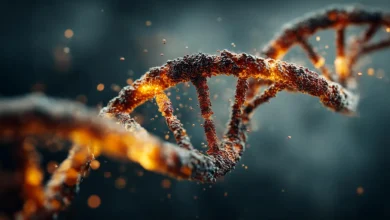
At the core of this technology is the utilization of DNA as both the data storage medium and the processor. In standard silicon-based computers, information is stored as binary digits (bits) and processed via electrical signals moving through transistors. In contrast, the DNA-powered computer utilizes the chemical properties of nucleic acids.
The "drop of water" mentioned by researchers contains a highly engineered mix of DNA strands. When a specific computational task is introduced, these strands undergo a series of precise chemical reactions. The molecules act as logic gates, where the presence or absence of a specific DNA sequence acts as a "0" or "1." Because the volume of water can hold a massive number of these molecules, the system achieves a level of parallelism that silicon chips struggle to replicate.
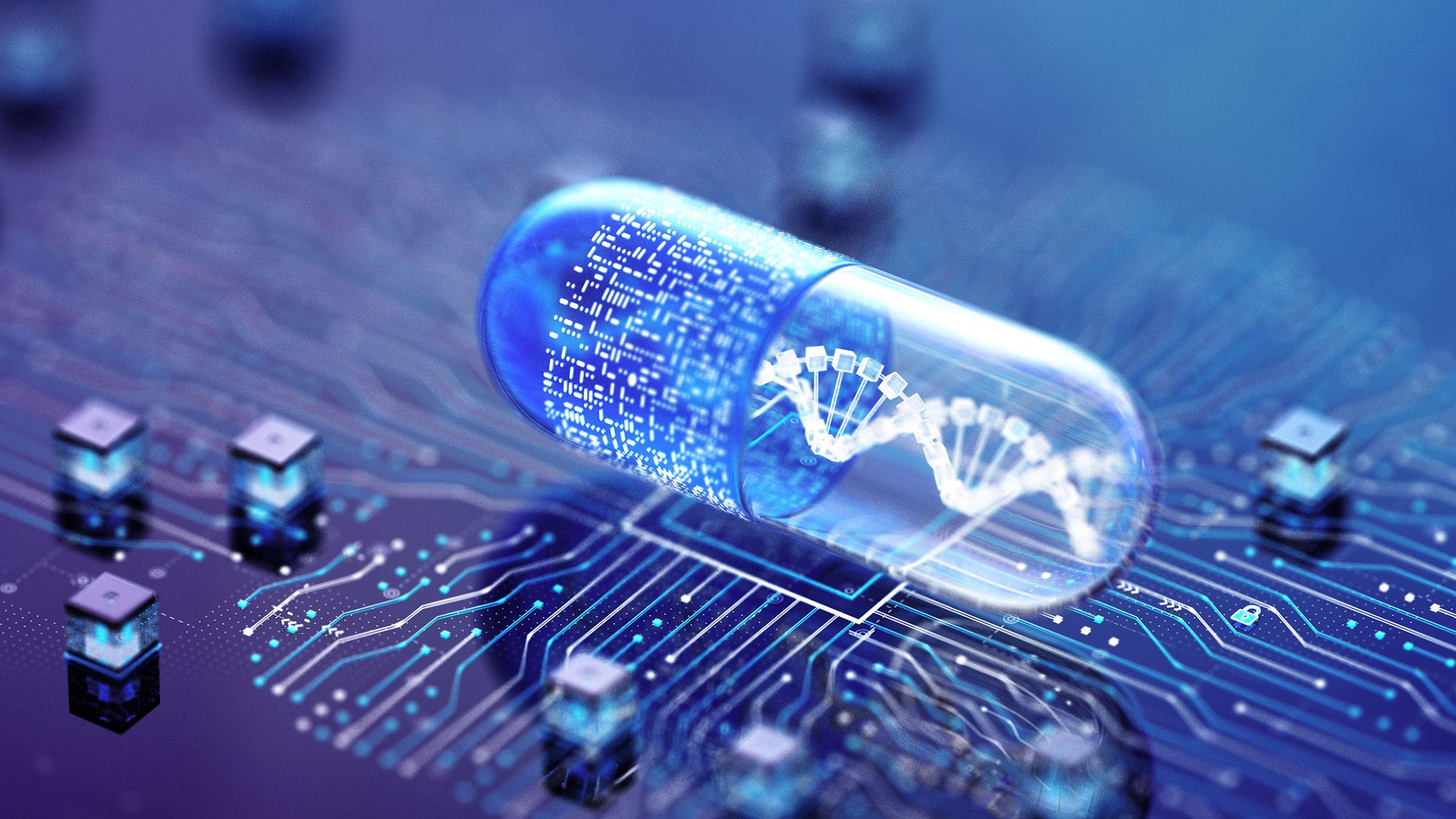
The efficiency of this system is derived from its thermodynamic properties. Traditional computers generate significant heat through electrical resistance, necessitating complex cooling infrastructure. The DNA system, however, operates at room temperature and functions through spontaneous chemical interactions, consuming negligible amounts of energy compared to the massive power draws required by modern data centers.
Chronology of Breakthroughs
The path to this latest milestone has been paved by incremental, yet critical, discoveries in biotechnology and synthetic biology:
- 1994: Leonard Adleman introduces DNA computing by solving a graph-theory problem using biological methods.
- 2000s: Researchers shift focus toward DNA-based storage, capitalizing on the extreme density of DNA, which can theoretically store exabytes of data in a cubic centimeter.
- 2010s: The advent of CRISPR and advanced synthetic biology techniques allows for more precise control over the synthesis and manipulation of customized DNA sequences.
- 2017: A team at the University of Washington and Microsoft Research successfully stores digital video in DNA, proving the viability of large-scale data retrieval.
- 2024: The current development introduces a system capable of active, real-time calculations within a liquid medium, bridging the gap between passive storage and active processing.
Supporting Data and Comparative Analysis
To understand the implications of this development, one must look at the constraints of current technology. Modern silicon-based processors are approaching the physical limits of Moore’s Law—the observation that the number of transistors on a microchip doubles about every two years. As transistors shrink to the atomic scale, quantum tunneling and heat dissipation become insurmountable barriers to further scaling.
DNA computing offers an alternative scaling paradigm. A single gram of DNA can theoretically store approximately 215 petabytes of data. When converted into a processing unit, the ability to utilize billions of molecules per microliter allows for a computational density that is several orders of magnitude higher than current CMOS (Complementary Metal-Oxide-Semiconductor) technology.
While the "speed" of an individual DNA reaction is slower than the nanosecond clock cycles of a traditional CPU, the sheer number of operations occurring simultaneously—the "throughput"—is the system’s primary advantage. For tasks involving massive parallel data processing, such as genomic sequencing, complex climate modeling, or cryptographic analysis, the DNA system could theoretically outperform conventional supercomputers in specific applications.
Scientific and Industry Perspectives
The scientific community has reacted with cautious optimism. Leading researchers in biophysics suggest that while we are not on the verge of replacing the smartphone or the laptop with a vial of DNA, the technology has immediate, high-impact applications in specialized sectors.
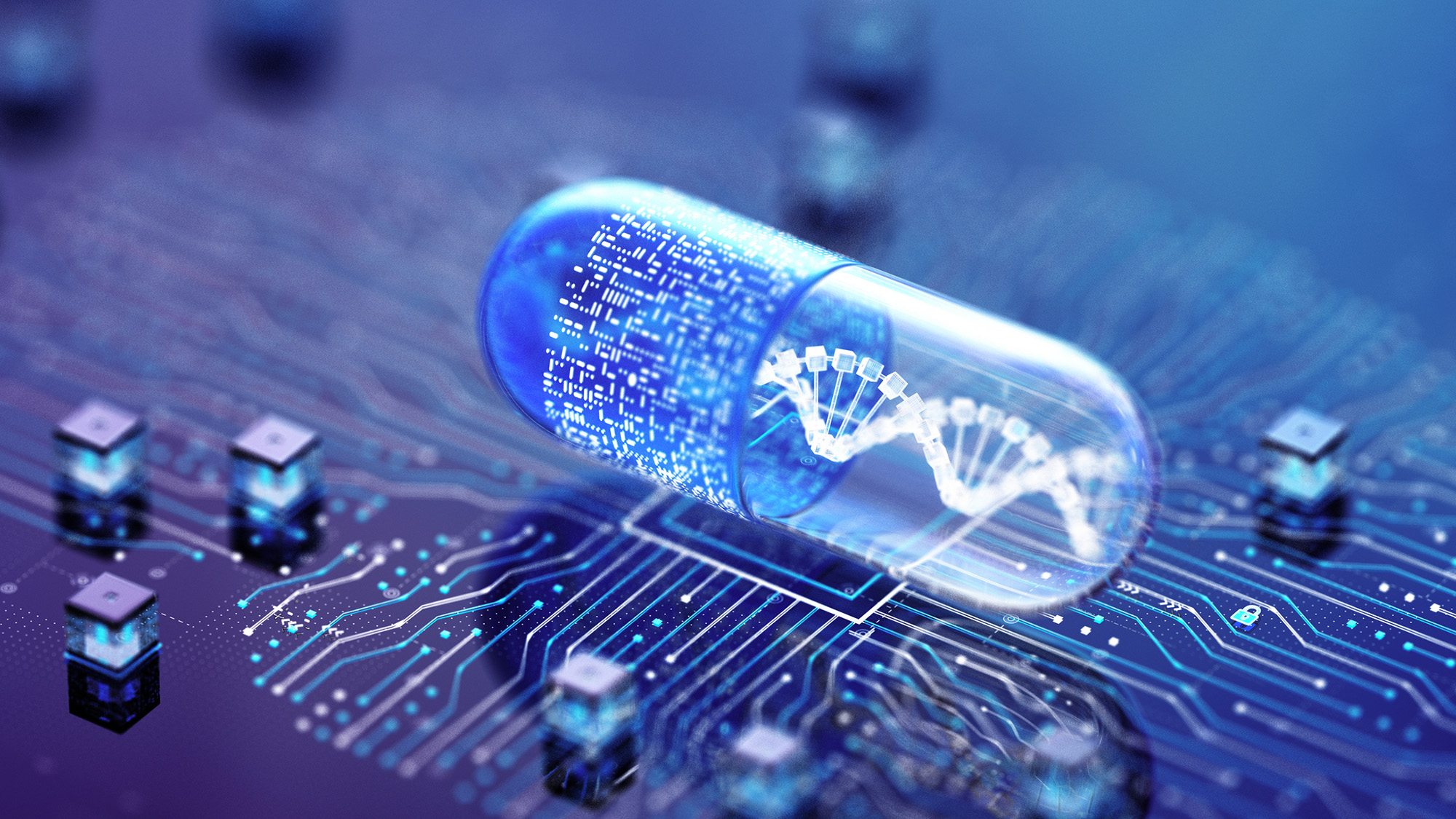
"The integration of DNA into computing environments isn’t about replacing silicon," noted a lead researcher involved in the field. "It is about creating a symbiotic relationship. We are looking at hybrid systems where the massive parallel processing of molecular biology handles the ‘heavy lifting’ of data-intensive tasks, while traditional silicon manages the input/output and user interface."
The implications for the medical field are particularly profound. A DNA-powered computer small enough to exist within a drop of water could eventually be integrated into therapeutic devices. Imagine a microscopic system that resides within the human bloodstream, performing real-time diagnostics on a cellular level, processing data about protein markers, and releasing targeted medication only when a specific, calculated threshold of disease indicators is reached.
Broader Impact and Future Implications
The development of this system signals a shift in how humanity approaches the physical limitations of information technology. By looking to the natural world—which has been refining complex, molecular-level information processing through evolution for billions of years—scientists are discovering new efficiencies.
However, the road ahead is not without obstacles. Key challenges remain, including:
- Read/Write Speeds: Currently, the time required to synthesize specific DNA strands for processing remains the primary bottleneck compared to the instantaneous nature of electrical signals.
- Error Correction: Biological molecules are susceptible to degradation and mutation. Developing robust error-correction algorithms for wet-lab computing is essential for commercial viability.
- Scalability of Synthesis: Scaling the production of custom DNA sequences to a level that can support large-scale computing arrays requires a massive reduction in the cost of synthetic biology manufacturing.
Despite these hurdles, the success of this DNA-powered computer validates the feasibility of unconventional computing. As we look toward the year 2030 and beyond, the convergence of biology and information technology is poised to redefine the boundaries of what is computationally possible. Whether it is solving the most complex problems in climate science, medicine, or materials engineering, the "drop of water" computer represents a fundamental transition from the era of pure silicon to an era of biological-digital integration.
This research serves as a reminder that the tools for the next industrial revolution may not be found in a manufacturing plant, but in the elegant, molecular architecture of life itself. As the system continues to undergo testing and refinement, the global scientific community will likely watch closely, as this could be the first step toward a future where biology is not just the subject of study, but the engine of progress.