Reimagining Travel Insurance: How Digital-First Platforms Are Reshaping Global Risk Management and Consumer Protection


The global travel insurance sector, long characterized by sluggish administrative processes, cumbersome paperwork, and weeks of waiting for physical reimbursement checks, is undergoing a profound structural evolution. For nearly two decades, the standard consumer experience remained largely static: travelers purchased policies primarily as a safety net against catastrophic financial loss, resigned to the reality that filing a claim would involve exhaustive documentation and protracted delays. However, the emergence of digital-first insurtech companies is challenging legacy models, introducing automated claims processing, real-time trip tracking, and integrated digital wallets designed to provide immediate financial liquidity during travel disruptions.
Industry observers note that while traditional insurance providers like Allianz and World Nomads have spent decades establishing their market presence, newer entrants are leveraging mobile technology to redefine the intersection of coverage and customer service. Among these is Faye Travel Insurance, a U.S.-based digital insurer that commenced operations domestically in 2022. Operating across all 50 states, the company represents a growing segment of financial technology firms attempting to shift travel insurance from a passive indemnity product into an active, app-driven travel companion.
The Evolution of Travel Risk Management
Historically, the travel insurance value proposition was straightforward: mitigate the risk of medical emergencies, trip cancellations, and lost luggage. Industry data consistently underscores the necessity of such coverage, warning that unexpected medical evacuations or trip interruptions can cost tens of thousands of dollars, frequently resulting in crowdsourced fundraising campaigns for uninsured travelers. Despite this high stakes environment, consumer satisfaction with the claims experience has historically been low. Legacy insurers relied heavily on manual reviews, paper checks sent via postal mail, and decentralized communication channels that left stranded passengers waiting weeks for resolution.
The post-pandemic travel boom catalyzed an urgent need for modernization. As global tourism rebounded to pre-2023 levels, travelers faced unprecedented flight cancellations, airport congestion, and baggage handling failures. These systemic vulnerabilities exposed the limitations of legacy insurance structures, creating a market opening for technology-driven alternatives. Insurtech platforms responded by integrating real-time flight tracking, digital document storage, and instant communication tools directly into mobile applications, transforming the smartphone into a centralized hub for travel safety and logistics.
Streamlining Coverage: Single-Plan Architectures Versus Multi-Tier Models
A significant departure from traditional industry norms is the adoption of simplified plan structures. While legacy providers typically offer a tiered array of policies—requiring consumers to meticulously compare coverage limits, deductibles, and exclusions across multiple options—newer digital platforms have experimented with consolidated, comprehensive policies.

In the case of Faye, the operational model rests on a single, standardized plan designed to cover domestic and international itineraries alike. This approach aims to reduce consumer friction during the purchasing process, offering baseline coverage for medical emergencies, trip interruptions, and personal belongings. Furthermore, the model incorporates modular add-ons, allowing travelers to customize their policies with specific riders such as Cancel For Any Reason (CFAR) insurance and specialized pet care provisions.
Industry analysts point out that the inclusion of affordable CFAR options and pet care riders addresses emerging demographic shifts in travel. With a significant rise in pet ownership and pet-inclusive travel following the pandemic, flexible riders covering veterinary boarding or emergency veterinary care have transitioned from niche offerings to sought-after protections.
The Technological Integration of Mobile Applications
The core differentiator for modern insurtech firms lies in software integration. Rather than functioning strictly as a post-loss financial backstop, contemporary travel insurance apps are engineered to provide utility throughout the entire lifecycle of a journey.
Key technological features adopted across the digital-first segment include:
- Rapid Policy Acquisition: Streamlined onboarding processes allow users to generate quotes and secure coverage in under two minutes using mobile payment integrations.
- Telemedicine Networks: Partnerships with global telehealth providers grant travelers immediate access to remote medical consultations in multiple languages, mitigating language barriers and reducing the need to navigate unfamiliar foreign healthcare facilities for minor ailments.
- Geospatial Assistance: In-app mapping tools direct users to nearby pharmacies, emergency rooms, automated teller machines (ATMs), and medical professionals based on real-time geolocation data.
- Disruption-Based Perks: Automated monitoring systems trigger lounge access vouchers when flights are delayed beyond a specified threshold, typically three hours, providing immediate comfort items without requiring manual claims submissions.
- Digital Safekeeping: Encrypted cloud storage enables travelers to maintain secure digital copies of passports, visas, vaccination records, and insurance documentation, mitigating the risks associated with document theft or loss abroad.
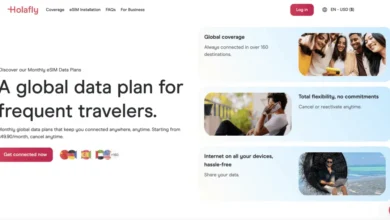
- Integrated eSIM Technology: Built-in cellular data connectivity options allow users to bypass physical SIM card swaps, ensuring immediate internet access upon landing in a foreign destination.
Reimagining the Claims and Reimbursement Timeline
Perhaps the most pronounced operational shift in modern travel insurance is the overhaul of the claims lifecycle. Traditional reimbursement methods—characterized by scanned receipts, manual adjustment queues, and mailed checks—frequently resulted in settlement windows stretching from weeks to months.
Digital-first platforms have sought to compress this timeline through automated claims adjudication and proprietary digital wallets. When a policyholder experiences a qualifying event, such as a significant baggage delay or flight cancellation, photographic evidence of receipts submitted via the mobile application can trigger automated verification protocols. For approved minor claims, funds are disbursed almost instantaneously into a virtual digital wallet integrated within the app. This wallet can be added to mobile payment platforms such as Apple Pay or Google Pay, enabling travelers to immediately purchase essential items—such as clothing, toiletries, or emergency lodging—without depleting personal cash reserves or waiting for bank transfers.

For complex claims involving major medical interventions or extensive property damage, digital insurers generally target resolution windows within 48 hours of receiving complete documentation, utilizing digital document transfer to accelerate the review process.
Market Implications and Economic Viability
The proliferation of app-centric insurance models reflects broader consumer expectations shaped by fintech and e-commerce. Modern consumers, accustomed to instant banking notifications and on-demand services, increasingly demand parallel efficiency from insurance providers.
Pricing models within the insurtech travel sector remain tied to traditional actuarial risk factors—including trip cost, destination risk profiles, duration, traveler age, and state of residence. However, operational efficiencies derived from automated underwriting and reduced administrative overhead have allowed digital providers to offer competitive daily rates, with international coverage entry points starting around five dollars per day.
Economic analysts suggest that as more travelers embrace digital-first ecosystems, legacy insurance providers will be under mounting pressure to modernize their infrastructure. The shift toward real-time assistance, instant digital payouts, and holistic trip management is no longer viewed as a temporary marketing trend, but rather as the emerging baseline for consumer expectations in the global travel marketplace.
Related posts: