Newly Unsealed FBI Files Shed Fresh Light on the 2008 Rod Blagojevich Senate Seat Scandal and Obama Administration Inquiries

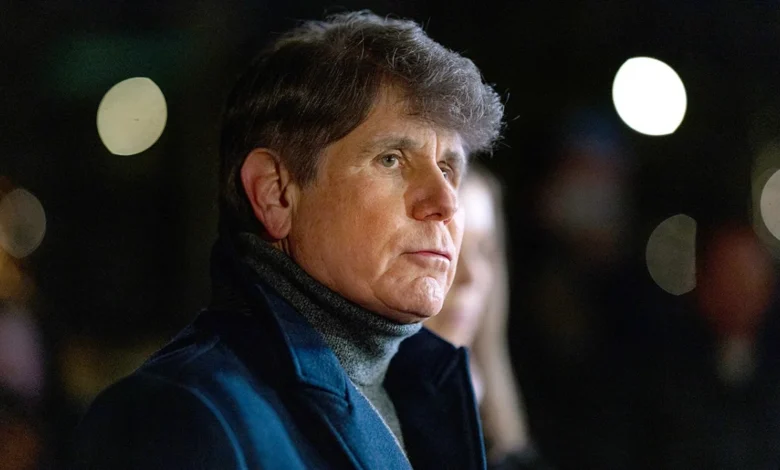
Nearly two decades after a political corruption scandal that shook Illinois and the nation, newly unsealed federal investigative files are offering a sharper, more detailed look into the chaotic weeks surrounding the vacancy of Barack Obama’s U.S. Senate seat. Newly obtained and partially redacted FBI FD-302 interview reports—stemming from late 2008 inquiries into then-President-elect Barack Obama and his incoming chief of staff, Rahm Emanuel—reveal fresh dimensions of the high-stakes political maneuvering that ultimately led to the downfall and imprisonment of then-Illinois Governor Rod Blagojevich.
The documents, long withheld from public view and excluded from Blagojevich’s criminal trials, corroborate elements of the former governor’s longstanding assertions that he was actively considering a political arrangement involving Lisa Madigan, the state’s attorney general at the time and the daughter of powerful Illinois House Speaker Michael Madigan. As the political landscape of Illinois continues to feel the reverberations of those years, these disclosures provide historians, legal analysts, and the public with a granular view of how the highest levels of the incoming federal administration navigated a turbulent transition amid local political crosscurrents.
The Anatomy of a Political Crisis
The core of the 2008 scandal centered on who would succeed Barack Obama in the United States Senate following his election to the presidency. Under the U.S. Constitution and Illinois law, the sitting governor—at the time, the embattled Democrat Rod Blagojevich—held the sole constitutional authority to appoint a replacement.
However, relations between the governor’s mansion and major power players in Illinois politics were severely strained. Blagojevich, who had already been dogged by persistent whispers of federal investigations, viewed the Senate vacancy not merely as a constitutional duty, but as a crucial piece of leverage to secure his legislative priorities, specifically a major health care package and a contentious state budget.
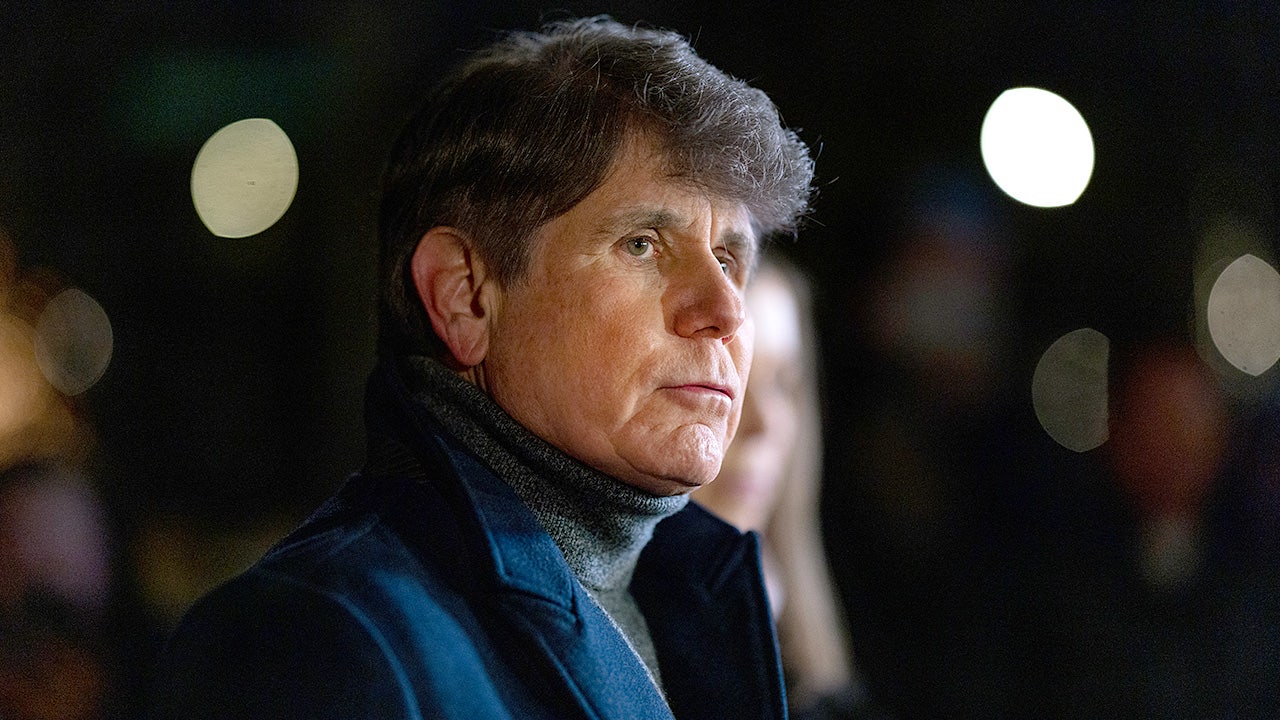
For years, Blagojevich has maintained his innocence regarding the most severe accusations leveled against him, insisting that he never intended to "sell" the seat for personal financial enrichment, but rather sought policy concessions. According to his repeated narrative, he was closing in on a deal to appoint Lisa Madigan to the federal post in exchange for her father’s political backing in Springfield. At the time, Michael Madigan was arguably the most entrenched and formidable legislative leader in Illinois, wielding immense control over the state’s political apparatus.
Inside the Unsealed FBI Files
The newly surfaced FBI records—documenting interviews conducted in December 2008 by federal investigators—confirm that the prospect of Lisa Madigan’s appointment was widely discussed within inner circles and actively communicated to Obama’s transition team.
According to the FD-302 reports, a crucial meeting took place on December 8, 2008, involving top Obama advisors David Axelrod and Rahm Emanuel, alongside U.S. Senator Dick Durbin of Illinois. During this gathering, the participants evaluated prospective candidates and mutually agreed that Lisa Madigan would be a strong and acceptable choice for the seat. Following this discussion, Emanuel reached out to Blagojevich’s chief of staff, John Harris, to communicate the merits of elevating the state attorney general to Washington.
Further illuminating the internal deliberations of the incoming administration, the documents detail a tug-of-war over another prominent candidate: Valerie Jarrett, a close personal friend and longtime advisor to Obama. Initially, Obama favored Jarrett to fill his vacated Senate seat. However, as transition planning intensified, the President-elect reversed course, concluding that Jarrett’s presence as a senior advisor inside the West Wing was essential to his governing strategy.
Emanuel, however, reportedly resisted this shift, arguing that having the president’s closest confidante serve on the White House staff could create unique administrative and political awkwardness. Despite Emanuel’s pushback, Obama remained resolute, telling his chief of staff that his decision regarding Jarrett’s White House role was final.
Chronology of the 2008 Transition and Investigation
The timeline leading up to Blagojevich’s dramatic arrest highlights the compressed and volatile nature of the transition period:
- November 4, 2008: Barack Obama is elected the 44th President of the United States, creating an immediate vacancy in his Illinois Senate seat.
- December 8, 2008: David Axelrod, Rahm Emanuel, and Senator Dick Durbin meet to discuss potential successors, agreeing that Lisa Madigan is a viable candidate. Emanuel subsequently contacts Blagojevich’s chief of staff, John Harris, to discuss her candidacy.
- December 9, 2008: Federal agents execute a morning raid, arresting Governor Rod Blagojevich at his Chicago home. U.S. Attorney Patrick Fitzgerald announces the arrest, declaring that authorities acted to halt a "political corruption crime spree."
- December 18, 2008: President-elect Barack Obama is interviewed by the FBI regarding his administration’s communications with the Blagojevich camp.
- December 20, 2008: Rahm Emanuel is interviewed by federal investigators regarding his outreach to the governor’s office.
- January 2009: Blagojevich is impeached by the Illinois General Assembly and removed from office. Shortly thereafter, he appoints former Illinois Attorney General Roland Burris to the vacant Senate seat.
- 2011: Following federal trials, Blagojevich is convicted on multiple corruption charges, including wire fraud, attempted extortion, and conspiracy, and is subsequently sentenced to 14 years in federal prison.
Reactions and Fallout
The unsealing of these federal interview notes has reignited debate over the motivations behind the high-profile prosecution. Blagojevich, whose sentence was commuted by President Donald Trump in 2020 before receiving a full pardon in 2025, seized upon the documents as vindication of his defense strategy.
"That just proves the Madigan deal was very much front and center. It was something I was about to do," Blagojevich remarked following the release of the files. He argued that the records dismantle the narrative put forward by then-U.S. Attorney Patrick Fitzgerald that an urgent "crime spree" necessitated the extraordinary measure of arresting a sitting governor at his home.
Legal and political observers note that while the documents confirm that discussions regarding legislative trades and high-profile appointments were commonplace among Illinois and national Democrats during the transition, they do not inherently nullify the specific legal statutes under which Blagojevich was convicted. Federal prosecutors successfully argued at trial that conditioning official government acts—such as a Senate appointment—on personal or political favors crossed the line from hardball politics into criminal extortion and abuse of power.
Broader Implications and Historical Context
The unfolding legacy of the 2008 Senate vacancy scandal serves as a defining chapter in the complex political history of Illinois, a state long characterized by intense partisan friction, machine politics, and ethical controversies.
Following the appointment and subsequent retirement of Roland Burris, the Senate seat shifted parties in the 2010 midterm elections when Republican Mark Kirk won the contest. Kirk held the seat until 2016, when current Senator Tammy Duckworth reclaimed it for the Democratic Party. Meanwhile, other figures tied to the era faced their own legal reckonings; former House Speaker Michael Madigan was later convicted in an unrelated federal corruption case, further cementing the era’s reputation for systemic political turmoil in Springfield.
Requests for comment directed to former President Barack Obama and Rahm Emanuel regarding the newly unsealed FBI files went unanswered at the time of publication. As historical records continue to emerge, the episode remains a striking case study in the intersection of hardball state politics, federal jurisprudence, and the intense pressures surrounding presidential transitions.