Estonia Dismisses Full-Scale Russian Invasion Fears While Warning of Escalating Hybrid Warfare on NATO’s Eastern Flank

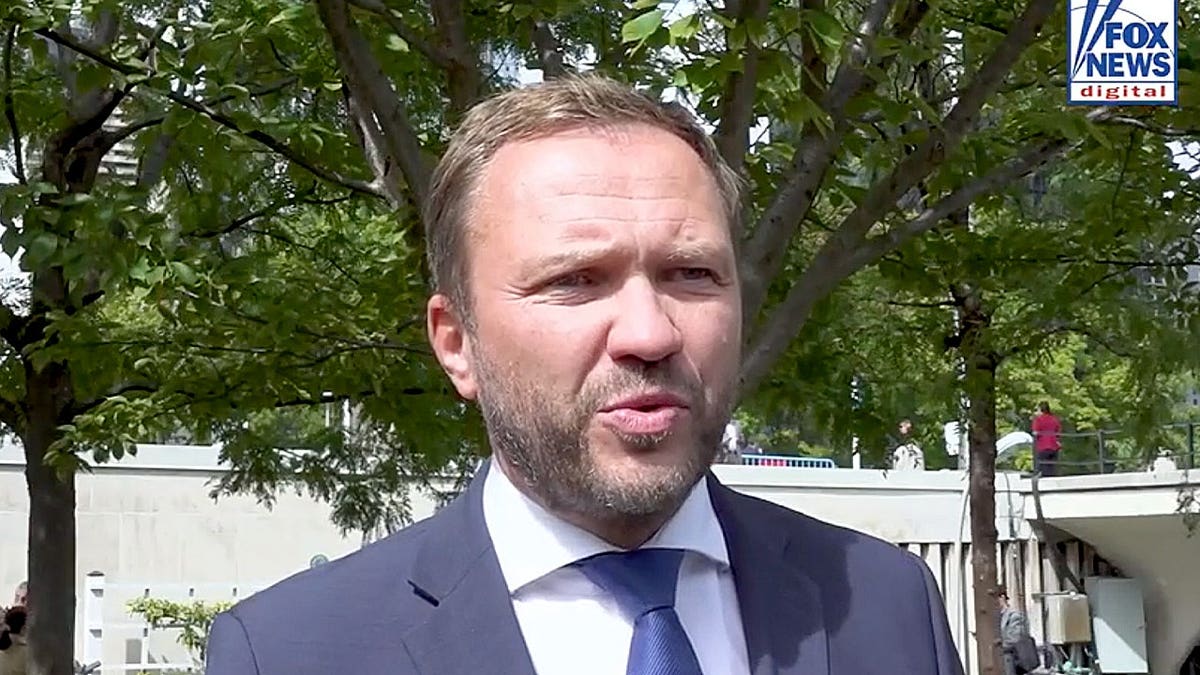
NEW YORK — Amid rising anxieties across Europe regarding the potential for a broader military conflict between Russia and the North Atlantic Treaty Organization (NATO), Estonian Foreign Minister Margus Tsahkna has offered a measured yet sobering assessment. Speaking exclusively to Fox News Digital on the sidelines of the United Nations General Assembly in New York City, Tsahkna asserted that national intelligence does not indicate Moscow is currently preparing for a full-scale conventional military invasion of the Western alliance or its frontline states.
While Estonia shares a strategic 180-mile border with Russia and has historically been among the most vocal advocates for robust deterrence against Russian President Vladimir Putin, Tsahkna drew a sharp operational distinction. He separated the fear of an imminent, conventional armored invasion—akin to the 2022 assault on Ukraine—from the documented, steady accumulation of hybrid tactics, including drone incursions, cyberattacks, airspace violations, and state-sponsored sabotage operations that continue to plague European capitals.
This perspective comes at a critical juncture for European security, as defense planners grapple with gray-zone tactics designed to test the resilience of Western alliances without crossing the threshold into formal, Article 5 collective defense.
Intelligence Assessment Versus European Anxiety
The sentiment across several Western European capitals has frequently tilted toward panic, driven by fears that a revitalized Russian military might turn its sights toward the Baltic states, Poland, or wider European territory once operations in Ukraine subside. Tsahkna directly challenged this narrative, pointing to the observable reality along the border.
"We have more and more this kind of panic in Europe that Russia will invade and will be full-scale aggressive against NATO and Europe and the Baltic states, Poland," Tsahkna said during the interview. "But we don’t see it."
Elaborating on the technical capabilities of Estonia’s intelligence apparatus, he emphasized the transparency of the border landscape. "Our intelligence, we see very, very deep into Russia, we don’t see any change," Tsahkna explained. "We don’t see that Russia is preparing a full-scale invasion or aggression. The other side of our borders is pretty empty."
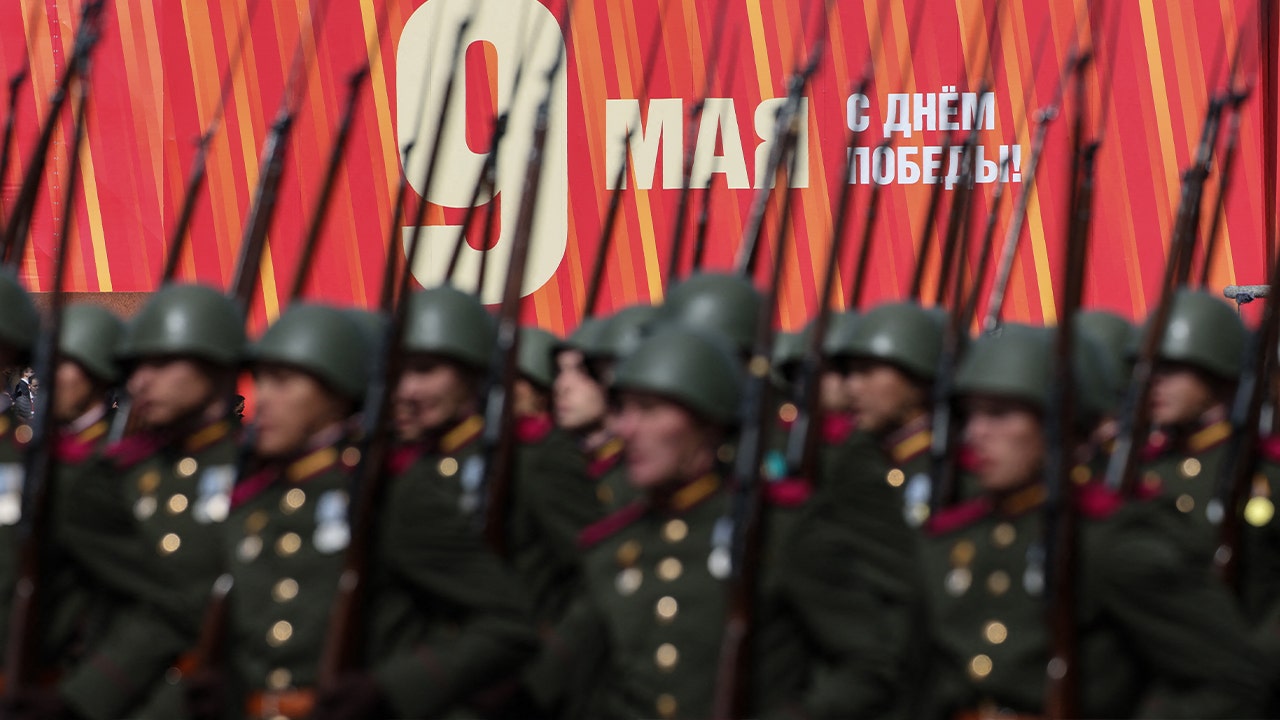
To contextualize this assessment, Tsahkna drew upon his previous tenure as Estonia’s defense minister from 2016 to 2017. A decade ago, he recalled, roughly 120,000 Russian troops were permanently stationed near the regional borders, maintaining high-readiness postures capable of rapid mobilization within a 48-hour window. Today, by contrast, the immediate posture looks remarkably different in terms of concentrated conventional mass, even as Russia adapts its force structures through ongoing military reforms aimed at long-term capability building.
The Reality of the Shadow War: Hybrid Tactics and Provocations
While a conventional armored push may not be imminent, the lack of traditional troops does not mean Europe is at peace. Tsahkna and other NATO officials have increasingly focused on the "shadow war" waged by Moscow—a continuous campaign of hybrid warfare designed to probe defensive seams, spread disinformation, and exhaust Western political consensus.
This dynamic was underscored recently when a Russian military helicopter crossed into Polish airspace, an incursion military analysts and Polish defense officials described as a calculated maneuver to test the reaction speed and radar sensitivity of NATO’s eastern air defenses. Similar incidents have occurred in the Baltic region, including an episode last year in which three Russian fighter jets violated Estonian airspace for approximately 12 minutes. That event prompted Tallinn to trigger formal consultations under NATO’s Article 4 and formally raise the crisis at the U.N. Security Council.
Estonia has also found itself on the front lines of digital and electronic warfare. Operating as one of the world’s most digitized societies—where virtually all public services, voting mechanisms, and administrative processes are conducted online—Estonia recorded approximately 40,000 distinct cyberattacks last year alone. Alongside persistent GPS jamming, infrastructure interference, and cross-border drone flights linked to the ongoing war in Ukraine, these incidents have become part of the daily operational reality for the Baltic state.
"We are witnessing already, yes, any kind of different level attacks," Tsahkna noted. "Unfortunately, it’s already like normality."
The "Frog Boiling" Strategy and NATO’s Response Threshold
Tsahkna likened Moscow’s current methodology to the metaphorical process of boiling a frog, where incremental, sub-threshold provocations are introduced gradually so that Western populations and institutions become desensitized to escalating aggression.
"What Russia is doing now is waging these attacks, which are not crossing Article 5," Tsahkna said, referring to NATO’s foundational collective defense clause. "It’s sabotage attacks, terror attacks. The main purpose for Putin is to play with the Western part of the fear of escalation. He’s trying to divide the Western parts of the world. Divide the unity, divide this kind of consensus."
To counter this strategy, Tsahkna argued that the alliance must evolve beyond rigid institutional frameworks. Because hybrid attacks, cyberespionage, and localized airspace violations purposefully remain just beneath the threshold that would trigger a unified military retaliation, NATO must develop more flexible and dynamic deterrent tools. These include targeted economic sanctions, swift public attribution of hostile acts, and cohesive political countermeasures.
Furthermore, the operational nature of recent incursions—particularly the proliferation of low-cost drones—demands a reevaluation of military economics. Tsahkna noted that while NATO air defense systems operate with clockwork precision, utilizing million-dollar interceptor jets to destroy inexpensive reconnaissance or offensive drones is economically unsustainable. The alliance, he suggested, must invest in more cost-effective, scalable counter-drone technologies.
Geopolitical Dynamics, Ukraine, and the Path to Peace
Addressing the broader geopolitical landscape, Tsahkna emphasized that the security of the Baltic states remains inextricably linked to the outcome of the war in Ukraine. During a recent visit to Kyiv, the foreign minister reiterated that Russian President Vladimir Putin responds exclusively to unambiguous displays of economic and military strength.
"We need to put more pressure on Russia, because Putin understands only very clear language through strength," Tsahkna stated.
He pointed to Ukraine’s expanding capability to execute long-range, deep-strike operations against strategic infrastructure inside Russia—including energy hubs and logistical nodes—as a vital mechanism for altering the Kremlin’s calculus. As economic attrition deepens within Russia, Tsahkna believes a tipping point may emerge where Moscow is compelled to engage in serious negotiations for a sustainable ceasefire or energy truce.
While acknowledging that international diplomatic efforts—including substantial energy expended by U.S. leadership under President Donald Trump—have consistently sought to broker an end to the hostilities, Tsahkna cautioned that Moscow has historically utilized diplomatic engagements primarily to buy time and reconstitute its forces.
"President Trump has put lots of energy during the last year to find a way, but Putin has just played with him and also winning the time," Tsahkna observed. "Putin can just decide like today or tomorrow to have a ceasefire. Unfortunately, we don’t see any change for now."
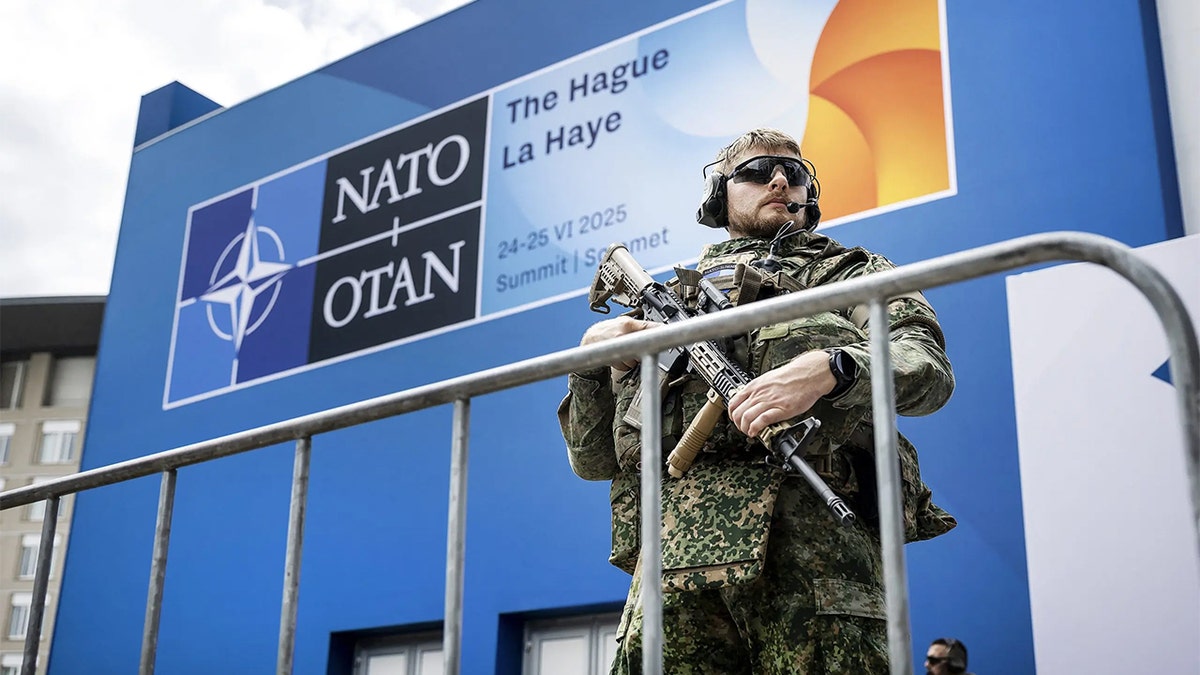
He recalled past remarks by Trump suggesting that foreign aircraft violating NATO airspace should face immediate kinetic interception, noting that Estonia experienced a marked decrease in major fighter-jet incursions following such robust public signaling.
U.S. Military Presence and Regional Deterrence
As Washington undertakes broader strategic reviews regarding the optimal American military footprint across Europe, regional security assurances remain paramount for frontline states. Tsahkna confirmed that Estonia has received official reassurances that U.S. forces will maintain their scheduled rotations in the region, ensuring continuity in the deterrence architecture along NATO’s eastern flank.
"We got the information that it will happen soon," Tsahkna said regarding the upcoming troop rotation.
Emphasizing the psychological and strategic importance of the American presence, he concluded that the physical deployment of allied personnel serves as an undeniable diplomatic and military anchor. "U.S. troops are keeping the peace in our region," Tsahkna affirmed. "The flag of the troops is so important to give the message to President Putin" regarding the absolute boundaries of Western resolve.