Two Rival Rallies in Lubbock Spotlight a Sizzling Texas Senate Showdown Between Ken Paxton and James Talarico


LUBBOCK, Texas — The political fault lines running through the heart of the Lone Star State were laid bare on a Tuesday evening when two starkly contrasting rallies materialized within miles of each other in the traditionally ruby-red stronghold of Lubbock. This simultaneous display of grassroots mobilization highlighted a tightening high-stakes U.S. Senate race that has transformed Texas from a predictable Republican stronghold into one of the most closely watched battlegrounds in the United States.
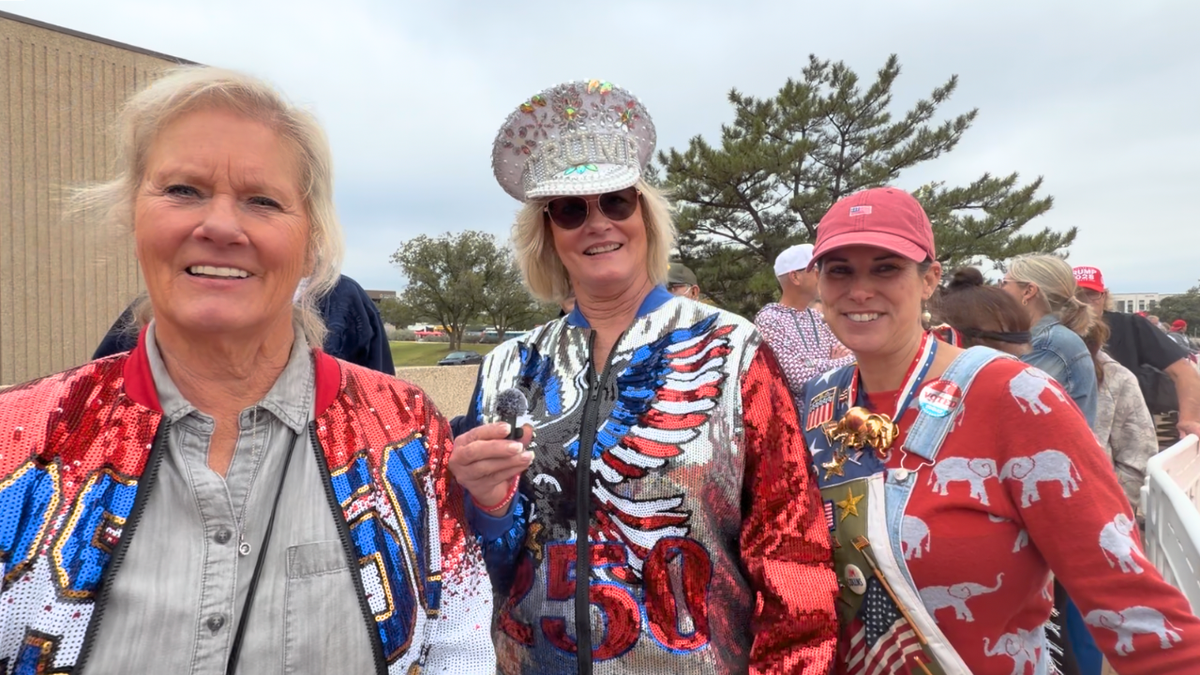
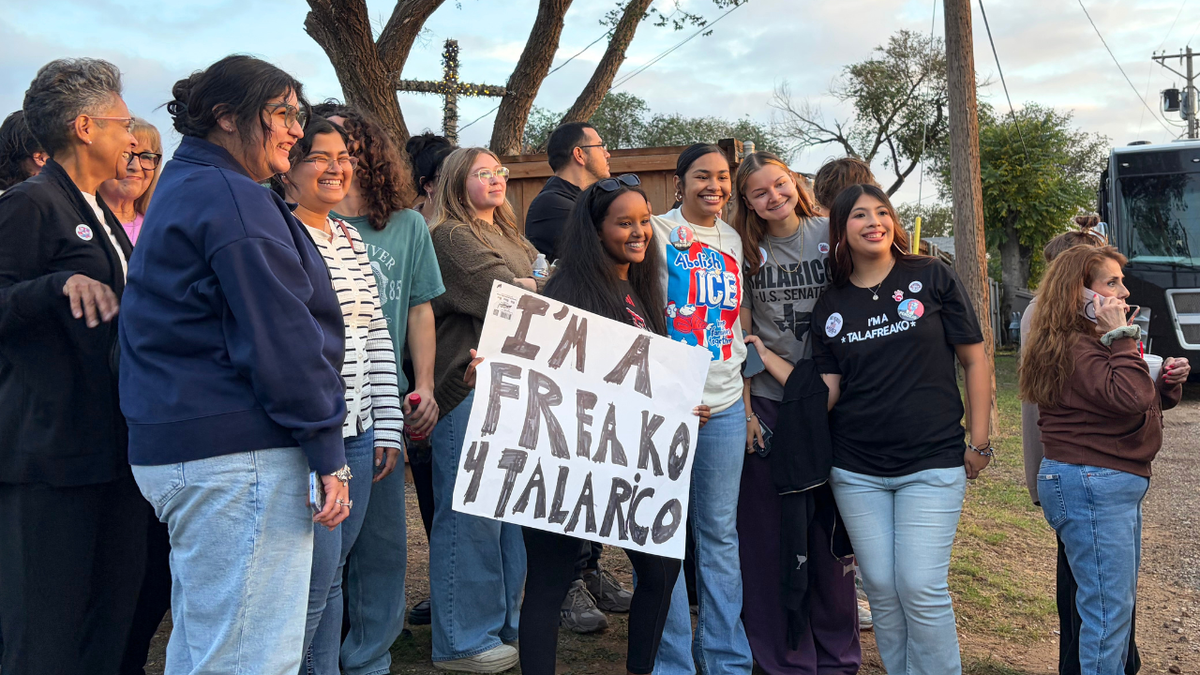
On one side of the city, at the Lubbock Civic Center, supporters of Republican candidate Ken Paxton and former President Donald Trump began camping out as early as Monday night, enduring hours in line for what many described as a generational political gathering. Just four miles away, in the neighborhood surrounding the Fiesta Center, approximately 4,000 enthusiastic supporters converged for a rally hosted by Democratic challenger James Talarico. The dueling events underscored an electoral landscape shifting beneath the surface, fueled by demographic evolution, shifting political alignments, and polls suggesting a shockingly narrow margin between the two candidates.
Background Context and the Evolution of the Texas Senate Race
For decades, statewide elections in Texas have served as a reliable anchor for the national Republican Party. Conservative candidates have routinely cruised to victory on platforms emphasizing limited government, economic deregulation, border security, and traditional social values. However, rapid urban and suburban population growth over the past decade, driven by an influx of out-of-state residents and changing voting habits among younger demographics, has steadily chipped away at the GOP’s comfortable margins.
The current Senate contest has accelerated these long-term trends into an immediate political crisis for state Republicans. Recent public opinion polls indicate that James Talarico, a rising star in the Texas Democratic Party, has carved out a narrow lead over Ken Paxton. This statistical shift has rattled conservative strategists, prompting high-profile interventions from national Republican figures, including Donald Trump, whose physical presence in West Texas was intended to shore up the GOP base and signal an unyielding defense of the party’s historical fortress.
Conversely, Democrats view Lubbock—long considered deeply conservative territory—as fertile ground for proving that their message can resonate far beyond metropolitan blue islands like Austin, Houston, and Dallas. The simultaneous presence of both campaigns in the city served as a physical manifestation of a state caught in a profound ideological tug-of-war.

The Republican Vision: Defending the Red Wall
Outside the Lubbock Civic Center, the atmosphere among Paxton and Trump supporters was defined by defiant optimism and a determination to preserve Texas’s conservative identity. Attendees brushed off polling data showing a tightening contest, dismissing it as a manufactured narrative designed to suppress conservative voter turnout.
Jenny, a supporter who traveled hundreds of miles from Brownsville, voiced a sentiment echoed by many in the crowd. "What else do the Democrats have? They have Talarico going against Paxton," she remarked. "All they’ve got is the ability to try and make people think that it’s close and there is no point in voting. No, it’s not close. Paxton is going to wipe the floor with him."
For conservative voters in West Texas, the stakes extend far beyond partisan politics; they view the election as a referendum on the preservation of foundational American principles. Nathan, an attendee who made the trip from Milton, emphasized the centrality of traditional values to his voting decision.
"I want to make sure we are keeping all the normal values that we have in Texas," Nathan said. "I want to make sure that we are keeping our guns, we are keeping our safety, keeping abortion as far away from Texas and do everything we can to keep Texas, Texas."
Eric, a local resident of Lubbock, expressed confidence that everyday Texans ultimately share conservative priorities, regardless of party registration. "Most of the Democrats that you talk to, when you start talking common sense to them, a lot of them, they don’t know if it’s a red or a blue policy, and a lot of them line up with red as well," Eric noted. "It’s gonna stay red, absolutely."
The Democratic Surge: Energized by Vulnerability
Across town, the energy surrounding the James Talarico rally was electric, fueled by the belief that decades of Republican dominance may finally be drawing to a close. Talarico’s supporters viewed the simultaneous decision by Paxton and Trump to campaign in Lubbock not as a show of strength, but as a symptom of panic.
"Trump’s in Lubbock? Trump’s in Lubbock, Texas? He’s scared, he is scared," one enthusiastic attendee told reporters.
Natalie, a voter from Friona who attended the Fiesta Center event, echoed that assessment, characterizing the Republican rallies as a defensive maneuver. "I think they have to be nervous, and I think it’s performative, like to come the exact same day as he is here," she said. "I really hope so, and looking at all of this, I think it is."
Beyond the excitement of a potential upset, some attendees directed sharp criticism toward Paxton personally. Elias, a Lubbock resident, argued that Paxton’s reliance on high-profile surrogates like Donald Trump exposed leadership vulnerabilities, particularly in light of Paxton’s past controversies and his historic impeachment proceedings by the Texas House of Representatives.
"I think it shows that Paxton is a weak leader," Elias stated. "He had a chance to kind of redeem himself despite his ugly past, but he’s not a man, he can’t stand up for himself. He needs daddy Trump to come and support him."
For voters like Jessica from Lubbock and Shelby from Houston, the motivation to back Talarico stems from a broader fatigue with current state governance. "I think they’re scared that it is going to flip, and I believe it will because of how they have run this county the last few years," they said jointly, reflecting a growing consensus among Democrats that economic pressures, infrastructure challenges, and social policy disputes have created an opening for change.
Christine and John, local residents participating in the Talarico event, summarized the mood of the evening succinctly. "They are nervous, and this is the year we are going to change it all," Christine said. Paloma, another Lubbock native, added with finality: "This is the year that we flip blue. We are definitely going to flip the state."
Chronology of Events Leading to the Lubbock Showdown
The events in Lubbock represent a critical milestone in a condensed, high-intensity campaign season:
- Early October: Public tracking polls begin to show an unprecedented tightening in the Texas Senate race, with independent surveys indicating a statistical dead heat and slight edges for the Democratic challenger in specific demographics.
- Mid-October: Both campaigns ramp up statewide travel, pivoting away from traditional core bases to contest suburban and rural transition zones.
- Monday Prior to Event: Early-bird supporters begin camping outside the Lubbock Civic Center, signaling intense enthusiasm for the Republican ticket.
- Tuesday Evening: Concurrently held rallies bring thousands of partisans into the streets of Lubbock, cementing the city’s status as the epicentre of the 2026 midterm cycle in Texas.
Broader Impact and Electoral Implications
The dueling rallies in Lubbock offer a clear window into the shifting dynamics of American politics. For the national Republican apparatus, losing a U.S. Senate seat in Texas would represent a catastrophic strategic defeat, fundamentally altering the balance of power in Washington and signaling that no historical stronghold is entirely immune to national demographic and political shifts. A Republican victory, however, would reaffirm the enduring strength of the conservative base in the nation’s second-largest state and temporarily halt Democratic ambitions in the Sun Belt.
For Democrats, a competitive race in Texas validates a multi-cycle investment strategy aimed at registering new voters, engaging disaffected suburbanites, and capitalizing on local governance disputes. Even if Republicans ultimately secure a victory on election day, the sheer resource allocation required by the GOP to defend a seat traditionally won with ease demonstrates that the political map of Texas is evolving.
As the campaign enters its final weeks, both candidates face the monumental task of consolidating their respective bases while persuading the narrow slice of undecided voters who will ultimately determine the outcome. The vibrant, polarized scenes in Lubbock on Tuesday night made one thing abundantly clear: the battle for the soul of Texas is entering uncharted territory, and every vote will count in deciding whether the Lone Star State remains a conservative bastion or becomes the ultimate political prize of the decade.