India’s Skyroot Aerospace Achieves Historic Orbital Success with Debut Flight of Vikram-1 Rocket, Ushering in New Era for Private Space Sector

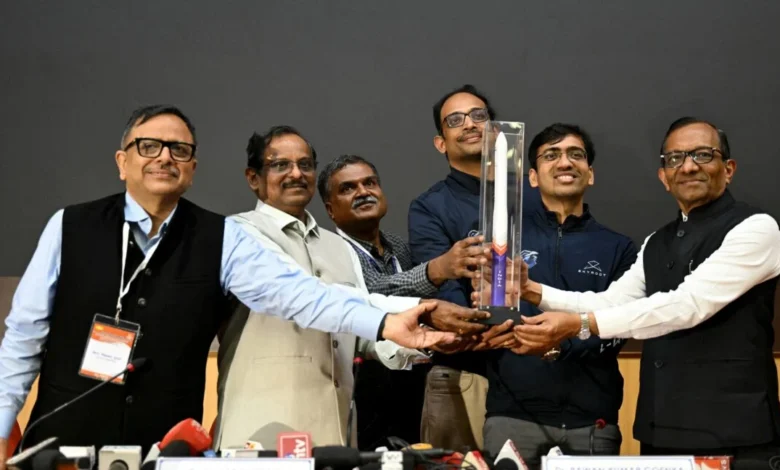
Indian space officials, industry leaders, and government representatives lauded the maiden orbital flight of Skyroot Aerospace’s Vikram-1 rocket, India’s first fully commercial satellite launcher, as a "grand success" on Saturday. The pioneering mission saw the Vikram-1 ascend flawlessly into a precisely targeted 280-mile-high (450-kilometer) orbit after lifting off from the Satish Dhawan Space Center on Sriharikota Island, a crucial spaceport nestled in the Bay of Bengal. This achievement marks a pivotal moment for India, signifying the successful entry of its private sector into the highly competitive global space launch market and aligning with the nation’s ambitious vision for space commercialization.
A Historic Ascent: The Vikram-1’s Maiden Flight
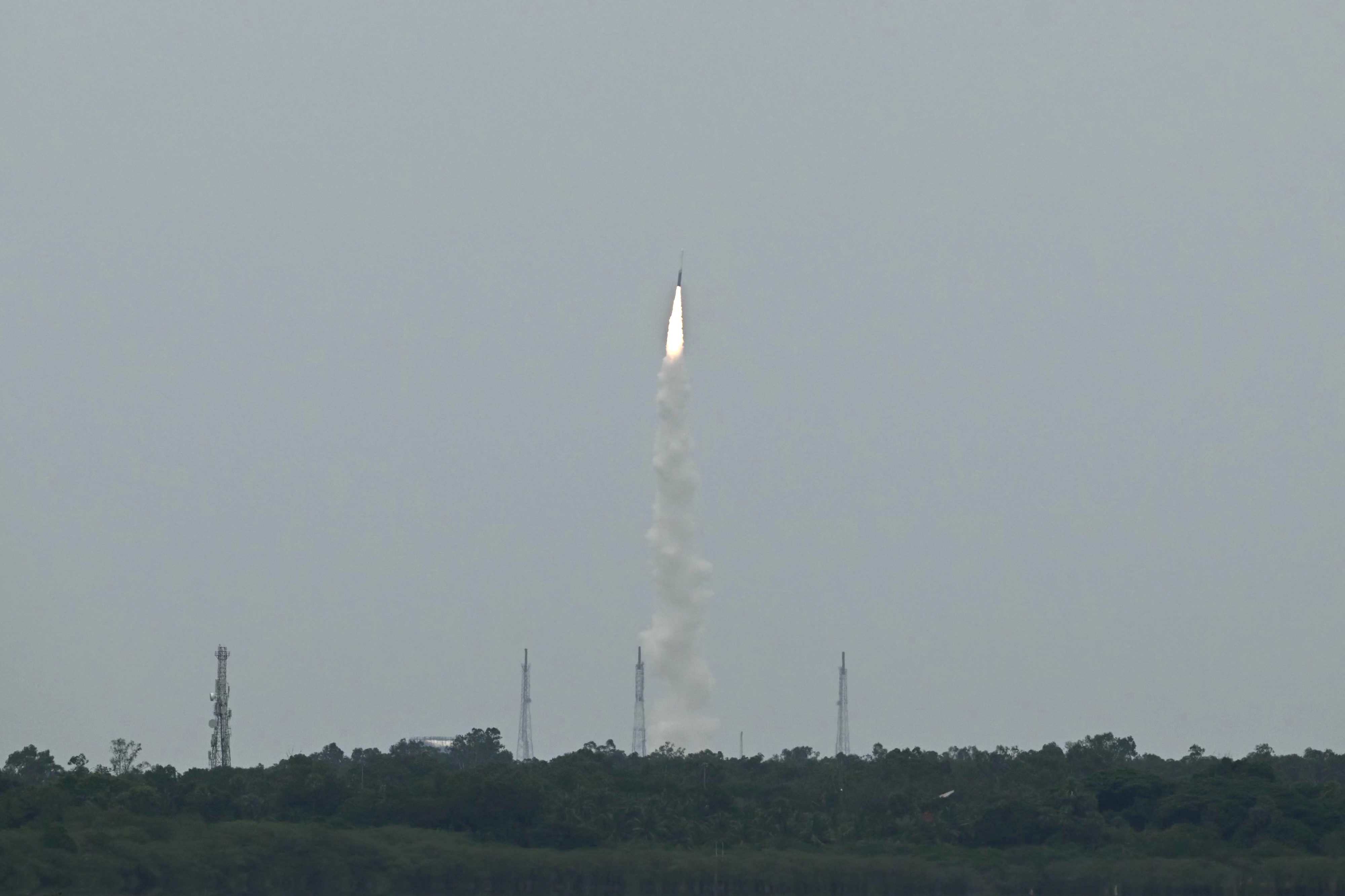
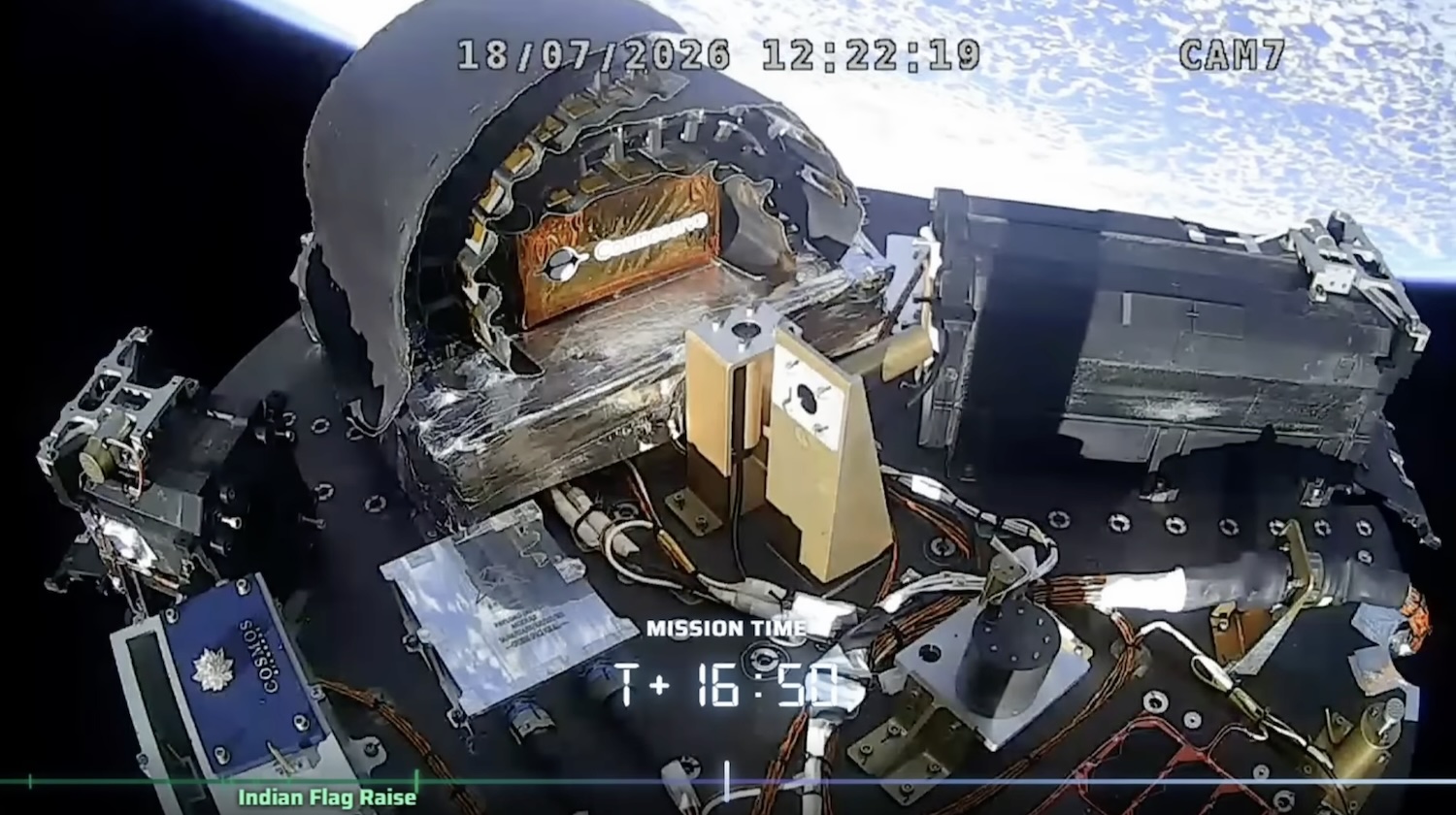
The Vikram-1, named in honor of Dr. Vikram Sarabhai, widely considered the father of the Indian space program, initiated its journey to space at 1:35 am EDT (06:35 UTC) on Saturday. The launch, occurring around midday at the Sriharikota launch base along India’s southeast coast, followed a brief delay of over half an hour to resolve a minor technical issue. Once the countdown resumed, the command to ignite the Vikram-1’s solid-fueled first stage booster was given, propelling the rocket with a thunderous roar off the launch pad. Onboard cameras broadcast live views, capturing each critical phase of the ascent and generating palpable excitement among the Skyroot team and observers.
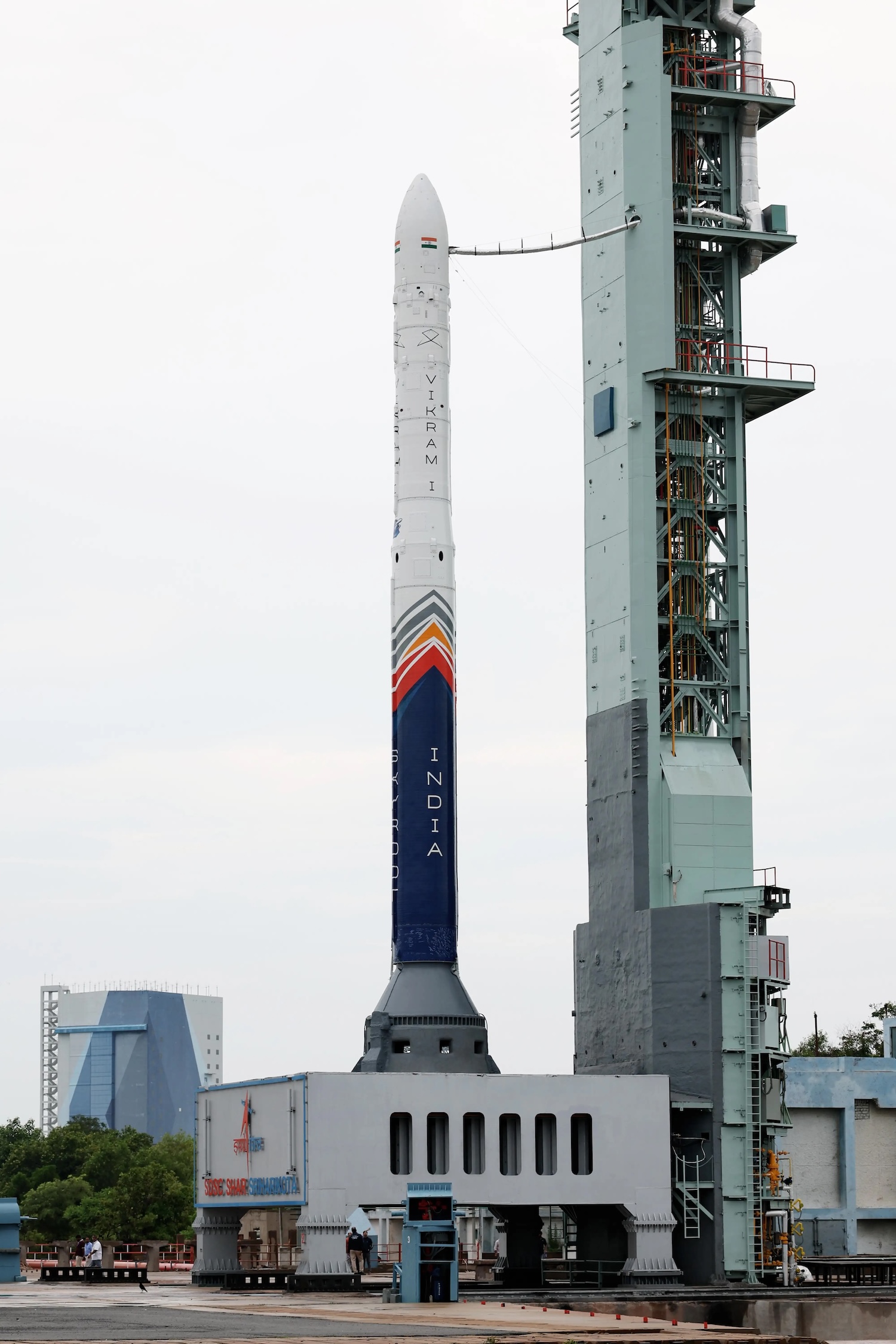
The rocket, standing approximately 72 feet (22 meters) tall, is designed to place payloads of up to 770 pounds (350 kilograms) into low-Earth orbit. This capability positions Vikram-1 as a significant player in the burgeoning small satellite launch market, placing it in a similar class to, and slightly larger than, Rocket Lab’s Electron, one of the most successful dedicated small satellite launchers globally. The flight sequence was meticulously executed, with three solid-fueled rocket motors firing in succession to carry the vehicle through the atmosphere and into the vacuum of space. Following the solid-stage firings, a compact liquid-fueled fourth stage ignited, accelerating the rocket to an impressive orbital velocity of approximately 17,000 mph (27,350 km/h).
While the mission was overwhelmingly successful, a minor anomaly was observed during the separation of the rocket’s third stage from its fourth stage, where the spent third-stage motor briefly appeared to remain in close proximity to the fourth stage rather than immediately receding. Despite this, the fourth stage performed its primary function flawlessly. Its 3D-printed engine, a testament to Skyroot’s innovative engineering, propelled the payload section to an orbit approximately 280 miles (450 kilometers) high with an inclination of 60 degrees to the equator. This orbital insertion was remarkably close to pre-flight predictions, a testament to the precision of Skyroot Aerospace’s design and flight control systems. Subsequent confirmation from U.S. military tracking data verified the rocket’s successful arrival in orbit, solidifying the mission’s "grand success" status. The Vikram-1 successfully deployed two small CubeSats and hosted several other payloads that remained attached to the upper stage, demonstrating its utility as a versatile platform for orbital deployment and in-space testing.
Defying the Odds: A First-Attempt Success Story
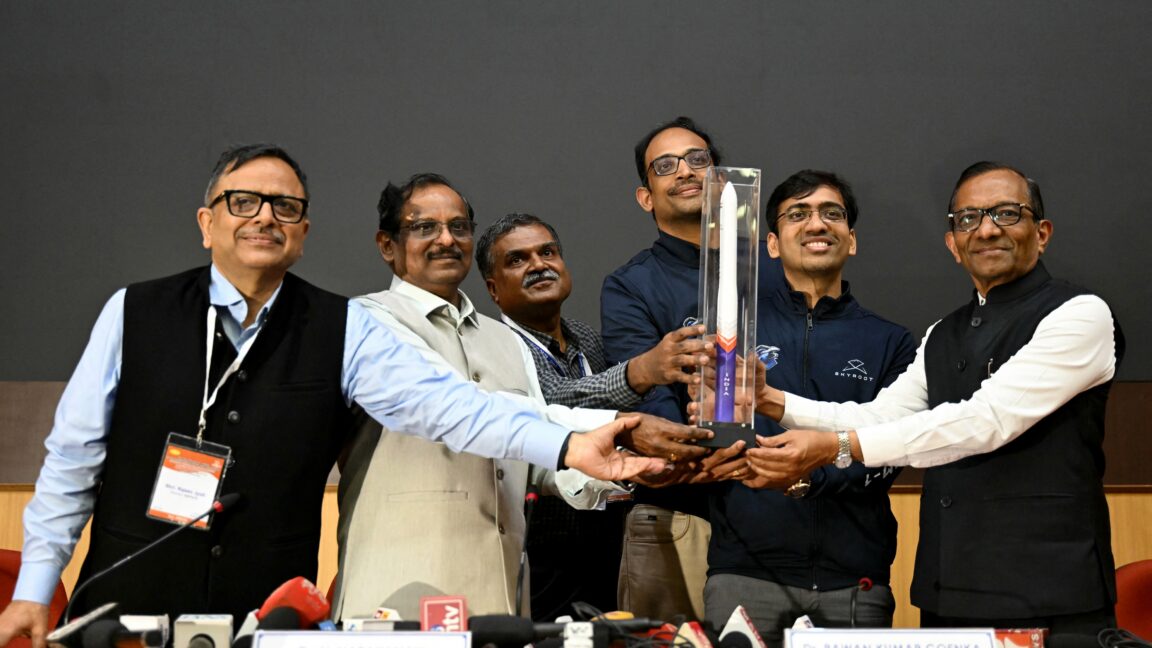
The achievement of orbital insertion on a debut flight is a rare feat in the highly complex and unforgiving world of rocket science. Pawan Kumar Chandana, Skyroot’s co-founder and CEO, encapsulated the sentiment of triumph in his remarks to the company’s launch team: "We achieved one of the biggest milestones ever in India’s space sector—the first private orbital rocket reaching orbit on the very first attempt. It still feels like a dream, and you all made this dream happen."
Historically, the inaugural flights of new private orbital-class rockets have faced significant challenges. SpaceX, now a dominant force in space, required four attempts before its Falcon 1 rocket successfully reached orbit in 2008. Similarly, Rocket Lab’s Electron did not achieve orbit on its first launch in 2017. While Blue Origin’s heavy-lift New Glenn rocket succeeded on its inaugural flight in 2025, its engineers benefited from extensive prior experience with numerous launches of the smaller New Shepard suborbital rocket. Skyroot’s success thus stands out as an exceptional accomplishment, placing it among a select few companies globally to achieve orbital success on a maiden attempt.
"On the first attempt, reaching orbit, I never thought it was possible," Chandana reiterated, acknowledging the immense difficulty. "Skyroot’s team made it possible. A big, big, big shoutout to this phenomenal team, which made it happen. In fact, this launch was nothing short of a suspense movie." The company had initially set conservative goals for the first launch, primarily focusing on a successful liftoff, clearing the launch tower, and gathering maximum data during ascent. Pawan Goenka, chairman of IN-SPACe—a government organization established in 2020 to promote and regulate India’s commercial space industry—highlighted this cautious approach. "The mission objective was only to lift off and clear the tower," Goenka stated. "That was only about 100 meters, but what we went to was 450 kilometers, and it also released all the satellites that were supposed to release. So the mission was absolutely perfect." This overachievement underscored the robustness of Skyroot’s engineering and operational capabilities.
The Dawn of India’s Private Space Era
The Vikram-1 launch is not merely a technical triumph but a profound symbolic and practical milestone in India’s space journey. It heralds the full maturation of India’s space sector reforms, initiated by Prime Minister Narendra Modi’s government in 2020. These reforms aimed to open the sector to private participation, encouraging innovation, investment, and competition, thereby augmenting India’s position as a global space power.
The Indian Space Research Organization (ISRO), India’s venerable national space agency, played a crucial role in nurturing Skyroot’s venture. ISRO provided "handholding and support," offering invaluable access to its state-of-the-art facilities, including solid rocket motor casting and test facilities at its Sriharikota spaceport. Crucially, ISRO also granted Skyroot permission to launch from one of its two active launch pads, an endorsement of trust and a significant logistical advantage for the startup. This collaborative model, where the national agency acts as a facilitator and mentor, is a key differentiator for India’s private space industry.
Skyroot Aerospace, founded in 2018 by former ISRO scientists Pawan Kumar Chandana and Naga Bharath Daka, strategically focused on developing a solid-fueled launcher first. This approach was chosen to optimize for the lowest development time and the lowest cost per launch, a pragmatic strategy for a startup aiming to enter a capital-intensive industry. "We wanted to get to an orbital launch vehicle in a few years," Chandana had told Ars Technica in an interview preceding the launch. The company successfully tested a suborbital rocket, Vikram-S, in November 2022, reaching an altitude of nearly 300,000 feet (90 kilometers), which served as a critical stepping stone and proof of concept for the orbital Vikram-1.
Vikram-1: A Closer Look at the Rocket
The Vikram-1 rocket itself is a marvel of modern engineering, painted distinctively in blue and white. Its structure extensively utilizes lightweight carbon composite materials, a choice that enhances its performance by maximizing payload capacity relative to its own mass. The rocket’s design philosophy emphasizes efficiency and reliability, drawing on lessons learned from the Vikram-S suborbital demonstrator.
A key technological innovation within the Vikram-1 is its 3D-printed engine in the fourth stage. Additive manufacturing (3D printing) offers significant advantages in rocket propulsion, including reduced part count, faster production cycles, and the ability to create complex geometries that are impossible with traditional manufacturing methods. This allows for optimized performance and cost-effectiveness, placing Skyroot at the forefront of propulsion technology.
Skyroot’s future roadmap for the Vikram series is ambitious and structured for incremental growth. It includes the Vikram-1U, which will incorporate additional strap-on solid rocket boosters to haul heavier payloads. Beyond that, the Vikram-2 is planned to debut a cryogenic upper stage, significantly increasing its payload capacity to 2,000 pounds (900 kilograms) to low-Earth orbit. The immediate objective for the Vikram rocket family is to "deliver dedicated and responsive launch services for small satellites," as outlined by Skyroot officials in their pre-flight press kit. This focus on the rapidly expanding small satellite market positions Skyroot to capture a significant share of a lucrative segment.
Skyroot Aerospace: Vision and Growth
Skyroot’s long-term vision extends far beyond small satellite launches. Chandana has expressed aspirations for developing larger, liquid-fueled, fully reusable rockets, aiming for a "daily cadence" of launches from multiple countries. This grand ambition, reminiscent of industry giants like SpaceX, underscores the company’s forward-looking approach.
To realize such a dream, substantial further funding will be required. However, the successful debut of Vikram-1 provides a powerful validation of Skyroot’s capabilities, technology, and business model. The company has already demonstrated impressive fundraising prowess, having raised approximately $160 million in capital, which has propelled its valuation to an estimated $1.1 billion. This unicorn status places Skyroot in an elite category among global space startups. With over 1,000 employees, predominantly based at its headquarters in Hyderabad, and an exceptionally young workforce with an average age of 28, Skyroot embodies the dynamism and entrepreneurial spirit driving India’s tech and space sectors. This successful launch vaults Skyroot to a prominent position not only within India but also globally, placing it ahead of most space startups outside of the United States and China.
India’s Expanding Space Ambitions
Skyroot’s breakthrough comes at a time when India’s government is actively working to supercharge the country’s entire space industry. India has long maintained a robust and highly successful government-led space program through ISRO, renowned for its cost-effective missions and reliable launch vehicles like the Polar Satellite Launch Vehicle (PSLV) and the larger Geosynchronous Satellite Launch Vehicle Mark III (LVM3). These vehicles have consistently attracted commercial customers from both the United States and Europe, showcasing India’s capabilities on the international stage.
India’s recent achievements include becoming the fourth country to successfully land a spacecraft on the Moon in 2023 with the Chandrayaan-3 mission, and it is actively developing an oft-delayed human-rated crew capsule as part of the Gaganyaan program, aimed at flying Indian astronauts to low-Earth orbit. Prime Minister Modi has explicitly challenged the Indian space industry to dramatically increase its annual launch total from an average of about five launches per year to an ambitious 50 before the end of the decade.
Following Saturday’s triumphant launch, Prime Minister Modi personally congratulated Chandana and the Skyroot team, emphasizing the national significance of the achievement. "This is a defining moment in India’s space journey," Modi stated. "The growing participation of our private sector is opening new frontiers and accelerating innovation. This achievement will encourage countless youngsters to dream bigger and innovate fearlessly." His statement underscores the government’s strategic intent to leverage private sector dynamism to achieve its overarching space goals.
Global Implications and Market Impact
The global small satellite market is experiencing explosive growth, driven by the increasing demand for Earth observation, telecommunications, IoT connectivity, and scientific research. Companies and governments worldwide are seeking cost-effective, reliable, and responsive launch services to deploy constellations of small satellites. India, with its proven track record of economical space missions and now with private players like Skyroot entering the fray, is exceptionally well-positioned to become a dominant force in this market segment.
Skyroot’s ability to offer dedicated and responsive launch services fills a critical niche. Unlike rideshares on larger rockets, which offer less flexibility in terms of launch timing and orbital parameters, dedicated small satellite launchers provide customers with precise control over their mission profiles. This responsiveness is a key competitive advantage in a rapidly evolving market.
The success of Vikram-1 signals India’s emergence as a more diversified and competitive space power. It is not just about government-led missions anymore but a vibrant ecosystem where private enterprise can thrive, innovate, and contribute to national and global space ambitions. This expansion is likely to attract more international customers, investors, and partnerships, further solidifying India’s position in the global space economy. The increased activity will also spur job creation, foster technological advancements, and contribute significantly to India’s GDP, creating a virtuous cycle of growth and innovation.
Looking Ahead: The Future Trajectory
Chandana’s closing remarks after the launch perfectly encapsulated the pride and ambition of Skyroot and India: "This is a 100 percent designed in India rocket, a 100 percent made in India rocket, built by 100 percent Indian people, for India and for the world. This was a historic moment for India, but also a very proud moment for the global space sector because the world needs more access to space."
The immediate future for Skyroot looks bright. Chandana indicated that a second Vikram-1 launch could potentially happen before the end of the year, demonstrating the company’s intent to move quickly from a successful test flight to regular operational launches. This rapid cadence is essential for capturing market share and building a reputation for reliability.
The success of Vikram-1 is a powerful testament to India’s burgeoning private space industry and the effectiveness of its supportive regulatory framework. It paves the way for further innovation, increased investment, and greater international collaboration, positioning India as a formidable and indispensable player in the future of space exploration and commercialization. The "suspense movie" of Vikram-1’s debut has concluded with a triumphant opening act, promising an exciting and impactful saga for Skyroot Aerospace and for India’s place among the stars.