How Was Your Weekend: A Reflection on Intergenerational Connection and Modern Domestic Life


The rhythm of domestic life often balances between the necessity of routine and the serendipity of human connection. This past weekend served as a microcosm of such dynamics, characterized by familial visits, the intersection of digital and physical play, and the celebration of regional cultural milestones. As families navigate the complexities of long-distance relationships in an increasingly globalized society, these pockets of time spent in proximity—marked by acts of service and shared leisure—become essential for maintaining relational cohesion.
The Role of Acts of Service in Familial Bonding
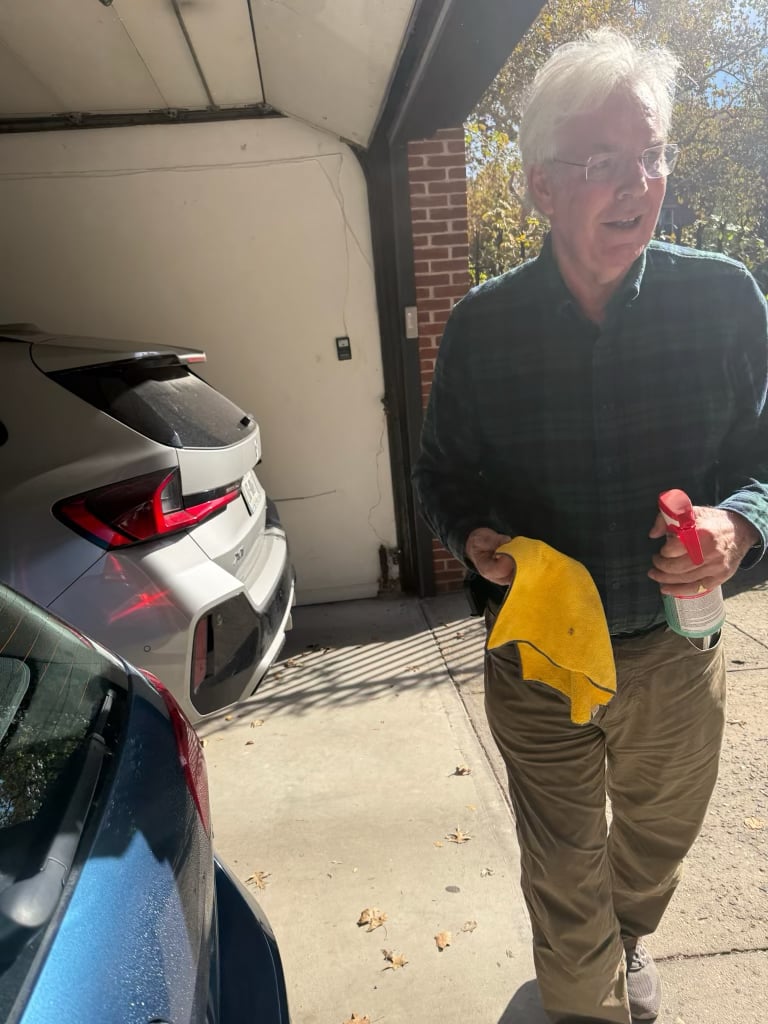
The weekend began with the arrival of two long-distance visitors: the author’s father and their cousin, Jimmy. Among the various ways families demonstrate care, acts of service often serve as a primary love language, particularly within intergenerational dynamics. The father’s immediate decision to wash and wax the family vehicle is a classic example of non-verbal communication, emphasizing utility and care.
Psychological studies on familial bonding consistently suggest that physical acts of service, such as home maintenance or vehicle care, significantly contribute to the perceived stability of a household. For many, these tasks are not merely chores but are emblematic of a desire to contribute positively to the lives of loved ones, reinforcing bonds through tangible output. This behavior serves as a bridge between generations, where traditional expressions of care are prioritized over verbal articulation.
Digital Integration in Social Leisure
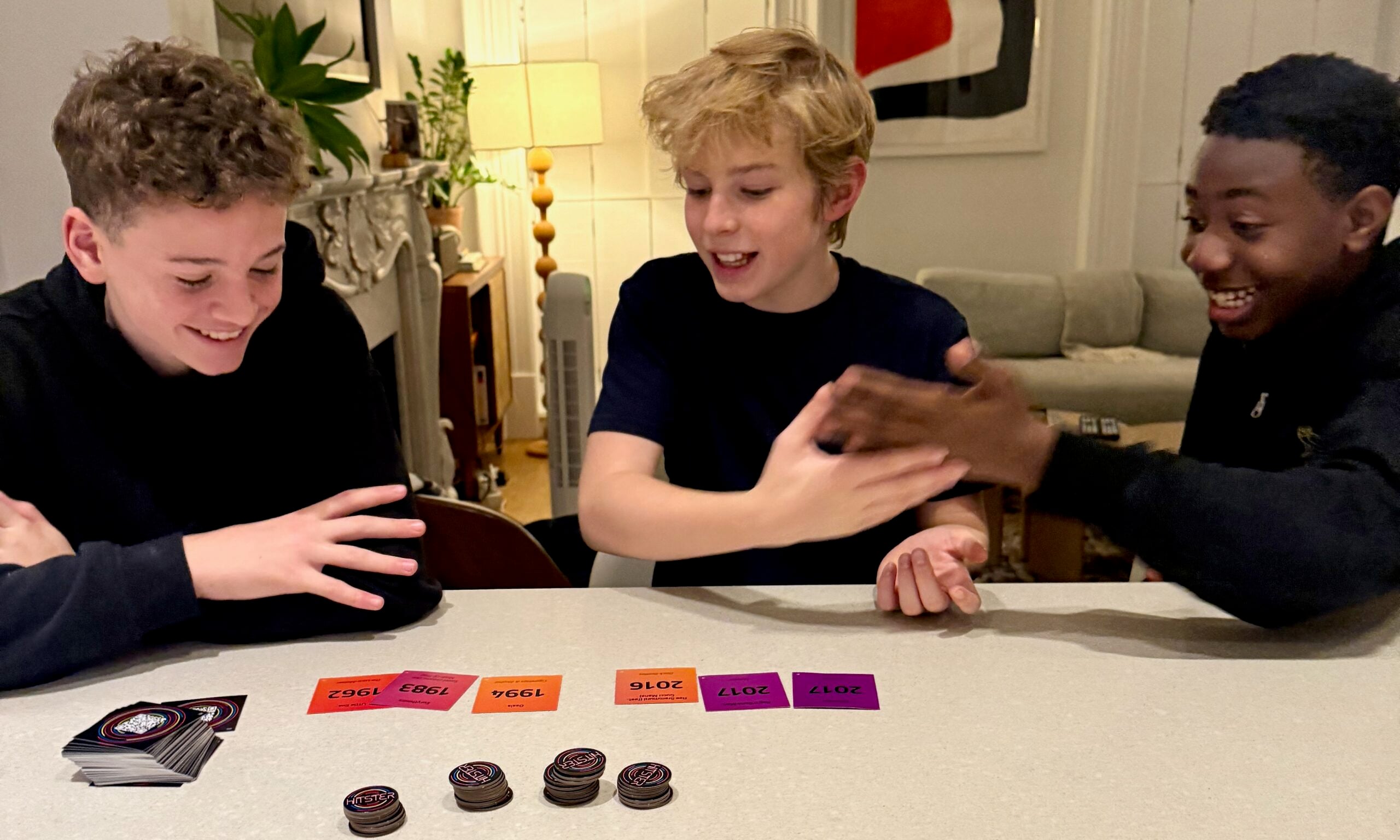
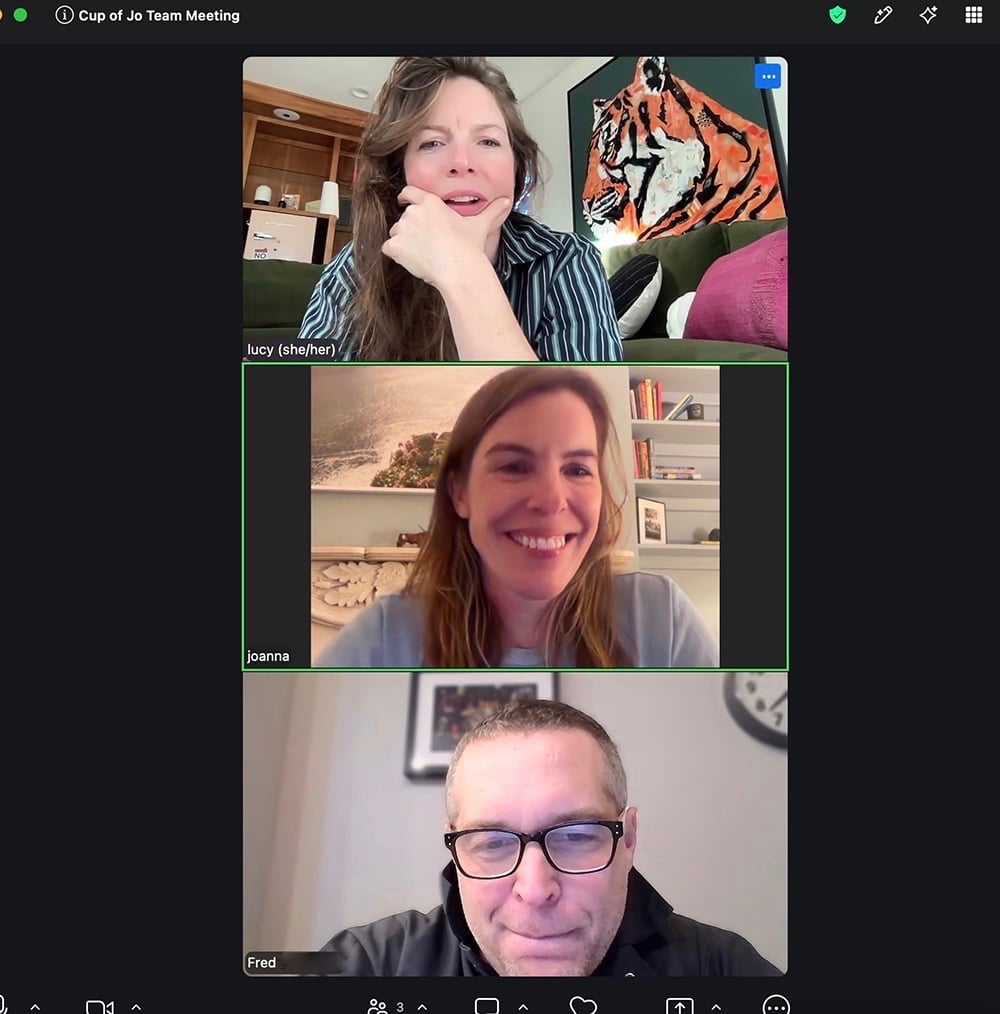
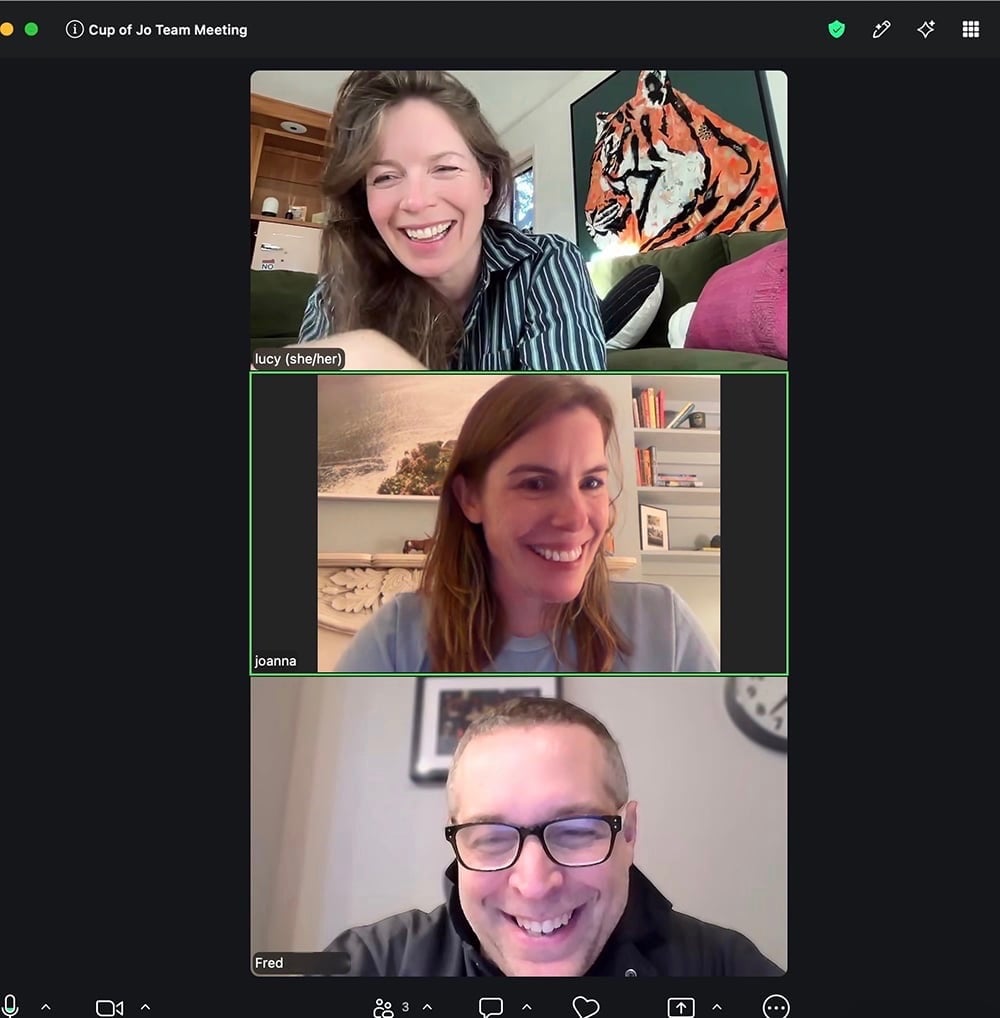
By Friday evening, the focus shifted from manual labor to interactive social engagement. The group participated in a session of Codenames, a popular social deduction game, played via an online interface. The choice of Codenames highlights a growing trend in social connectivity: the use of digital platforms to facilitate real-time engagement among family members residing in different geographic locations.
Codenames requires players to provide one-word clues to guide their teammates to specific target words while avoiding "assassin" cards. The humor reported during this session—specifically the attempts to compress complex ideas into single-word portmanteaus—illustrates the cognitive challenges and subsequent social levity inherent in the game. From a sociological perspective, these digital activities act as "social glue," allowing dispersed families to simulate the experience of a shared physical space. As digital communication tools continue to evolve, they are increasingly serving as the primary architecture for maintaining intergenerational family rituals.
Neighborhood Dynamics and Consumer Trends
Saturday was marked by local activity, including a walking tour of the neighborhood. This segment of the weekend highlighted the intersection of lifestyle choices and consumer behavior. The popularity of specific footwear, such as the white ballet flat, reflects broader market trends favoring the fusion of aesthetic appeal with ergonomic functionality.
Data from the footwear industry indicates a significant shift toward "comfort-first" fashion, where consumers prioritize long-term wearability without compromising on style. This transition, often accelerated by post-pandemic preferences, suggests that individuals are seeking products that accommodate an active, walkable lifestyle. When such products gain traction within social circles, they often become a focal point of casual discourse, reinforcing the role of peer-to-peer recommendations in modern commerce.
Cultural and Civic Celebrations
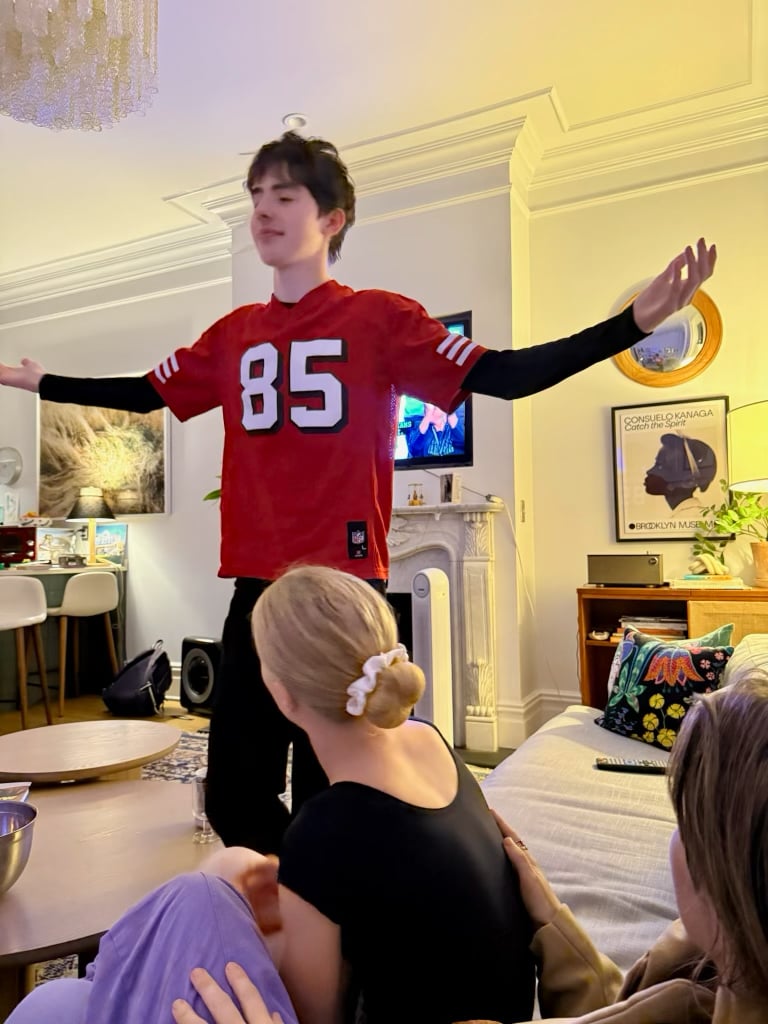
The latter half of the weekend was underscored by two significant cultural events: the Halloween holiday and the WNBA championship victory by the San Francisco Valkyries. Halloween, a major cultural touchstone in the United States, continues to drive creative expression through costume design. The observation of both DIY projects—such as a carousel costume—and pop-culture-inspired attire, like the iconic shower scene from Alfred Hitchcock’s Psycho, demonstrates the enduring influence of cinematic history on contemporary social celebrations.
Simultaneously, the San Francisco Valkyries’ success in the WNBA championship provided a significant civic milestone. The surge in popularity for women’s professional basketball has been well-documented, with record-breaking viewership numbers and attendance figures over the past several seasons. For the local community in San Francisco, this victory represents not only a sporting achievement but also a boost to local morale and civic identity. The enthusiasm surrounding the win underscores the growing cultural weight of women’s sports, which are increasingly central to regional community pride.

Sunday Reflection and the Economics of Distance
Sunday offered a period of respite, characterized by "slow living" and literary engagement. The mention of reading Fallow by Sarah Anderson highlights the continued relevance of physical media in a digital-dominated era. Despite the proliferation of streaming services and short-form content, the sustained interest in long-form literary works remains a vital component of intellectual and personal downtime.
The weekend concluded on a poignant note regarding the challenges of living apart from family. With a significant portion of the global workforce operating in a migratory capacity, the phenomenon of "long-distance kinship" is becoming the norm rather than the exception. Research indicates that families living in different cities or countries often experience a "compaction effect," where the limited time spent together is hyper-focused on high-quality, high-engagement activities.

The installation of commemorative art, such as the "It’s Good You Are Here" wall hanging mentioned by the author, acts as a physical manifestation of this desire for connection. These items serve as emotional anchors, providing a sense of continuity and belonging even when family members are physically absent.
Broader Implications of Modern Family Life
When analyzing the events of the weekend, several broader implications for contemporary life emerge:
- Technological Facilitation: Digital platforms are no longer just tools for work; they are essential venues for maintaining intimacy across vast distances.
- The Persistence of Tradition: Despite the adoption of modern technology, traditional acts of service and physical gathering remain the bedrock of familial stability.
- Community Interconnectivity: Civic events, such as sports championships, serve to unify local populations, providing a shared narrative that complements the private narratives of family life.
- Well-being and Downtime: The necessity of "lazy Sundays" and reading as a form of stress management reflects a societal pushback against the "always-on" culture of the 21st century.
In conclusion, the weekend serves as a reminder that while the logistics of family life may have become more complex due to geographic displacement and the integration of technology, the core elements of the human experience remain constant. Through games, walks, sports celebrations, and shared reading, families continue to construct meaningful lives that balance personal comfort with the enduring, essential need for connection. As the cadence of the week resumes, the memory of these shared experiences provides the necessary emotional capital to navigate the complexities of the modern world until the next opportunity for reunion arises.
Related posts: