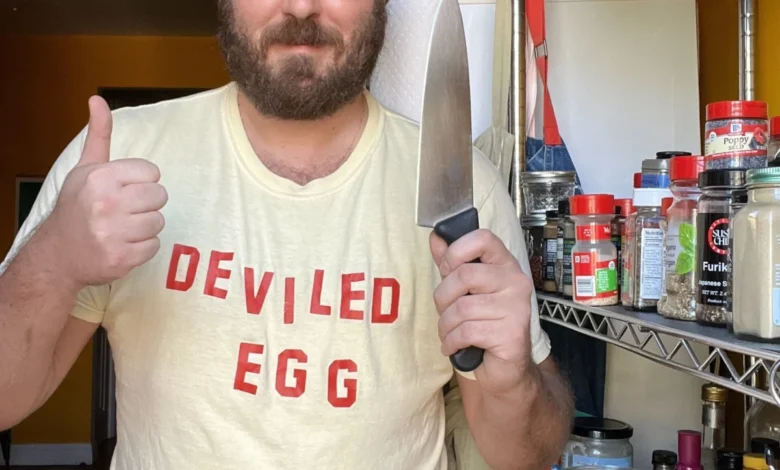
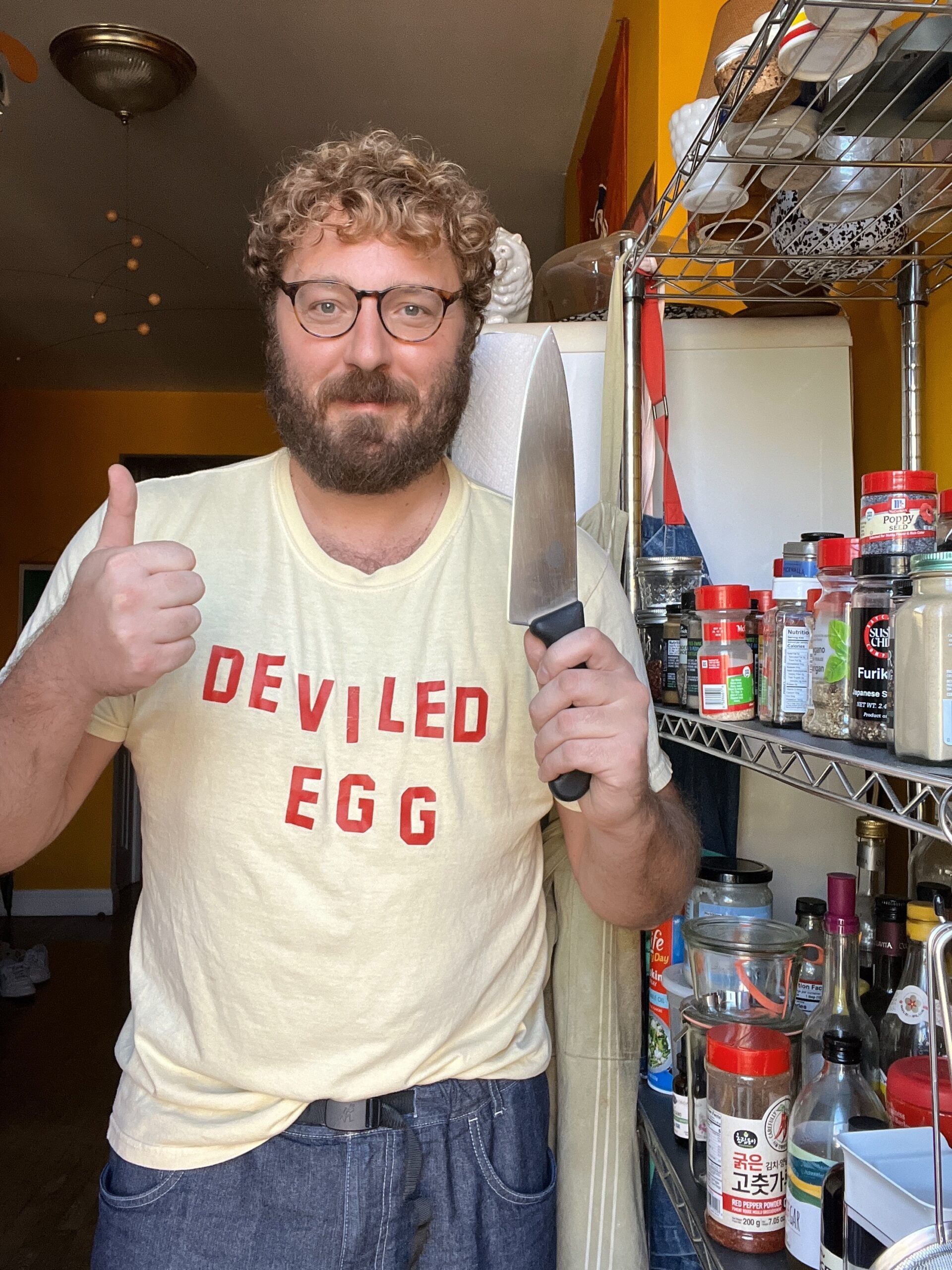
With the holiday season approaching, kitchens across the country are preparing for a surge in high-volume food preparation. The influx of seasonal produce—ranging from root vegetables like potatoes and carrots to fibrous aromatics like onions and garlic—places significant mechanical stress on culinary equipment. While many home cooks focus on upgrading appliances or sourcing ingredients, a critical component of culinary efficiency and safety is often overlooked: the maintenance of the chef’s knife. Professional culinary standards emphasize that a sharp knife is not merely a tool for precision, but a fundamental requirement for workplace safety and consistent food quality.
The Mechanics of Blade Performance
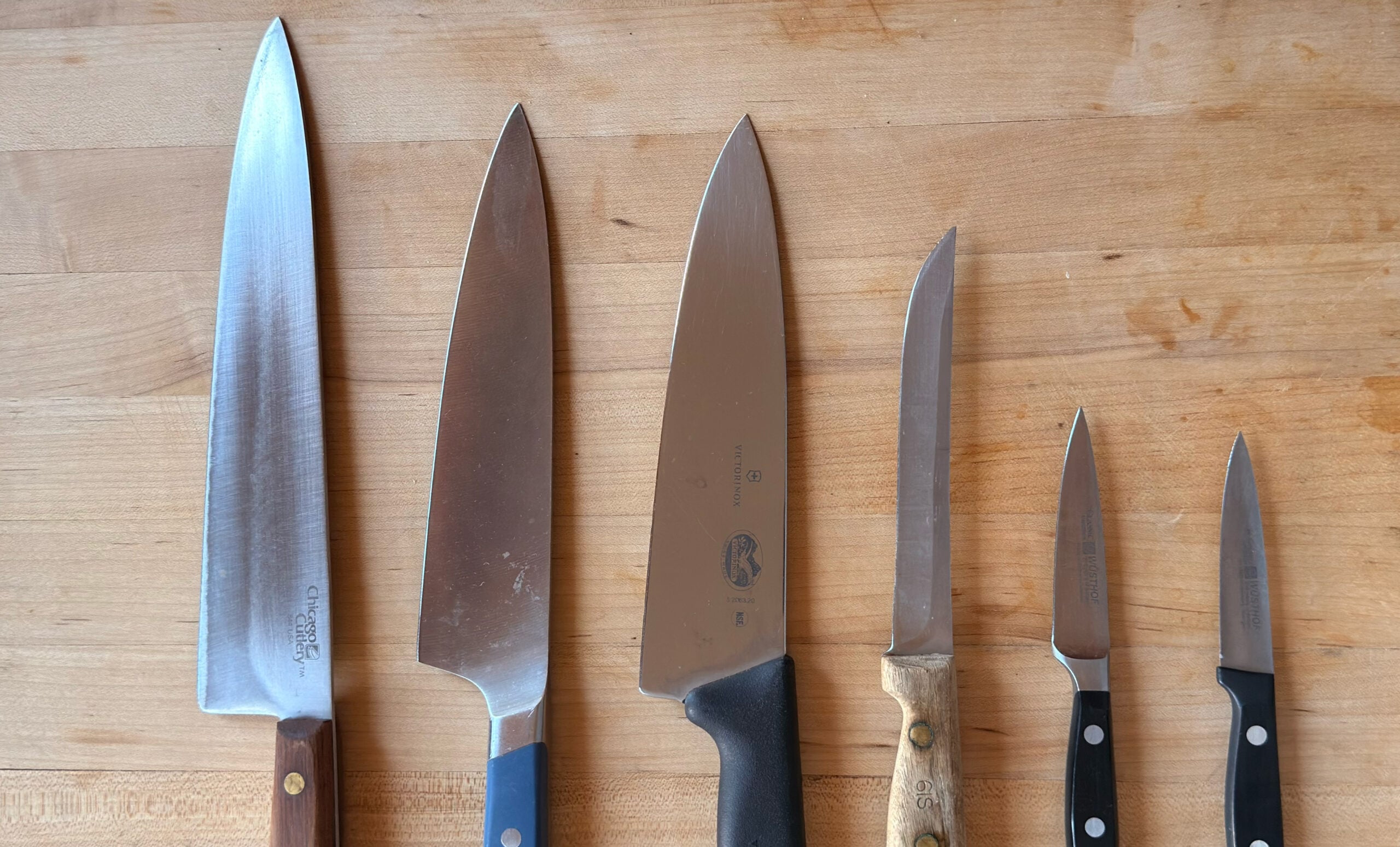
The performance of a kitchen knife is governed by the geometry of its edge. A blade functions by applying force over a very small surface area; as the knife dulls, the edge deforms, requiring increased pressure to penetrate food. This loss of sharpness creates a twofold problem: it necessitates more force from the user, which reduces control, and it increases the likelihood of the blade sliding off the surface of the food.
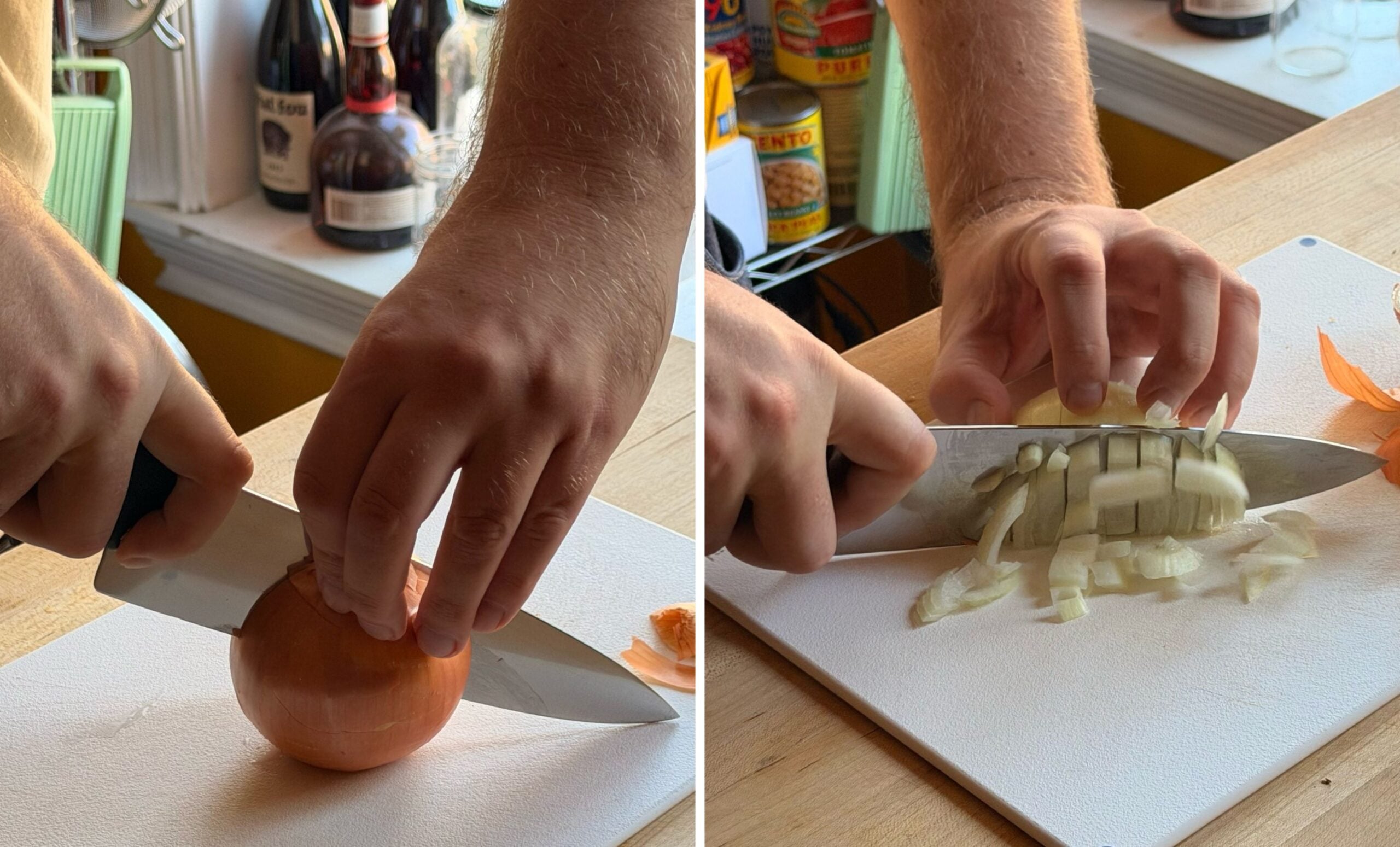
Data from occupational safety organizations in the food industry consistently suggest that dull knives are a leading cause of kitchen-related lacerations. When a blade lacks the necessary bite to penetrate a vegetable’s skin, it is prone to slipping, often resulting in accidental contact with the cook’s fingers. Conversely, a sharp blade requires minimal downward force, allowing for controlled, predictable movements that significantly lower the risk of injury. Furthermore, from a biological perspective, a sharp edge preserves the integrity of food cells. For instance, when chopping onions, a dull blade crushes the cell walls rather than slicing through them, which accelerates the release of syn-propanethial-S-oxide—the chemical compound responsible for eye irritation and tearing. A sharper edge maintains the cellular structure of the onion, thereby minimizing the dispersion of this irritant.
Differentiating Between Honing and Sharpening
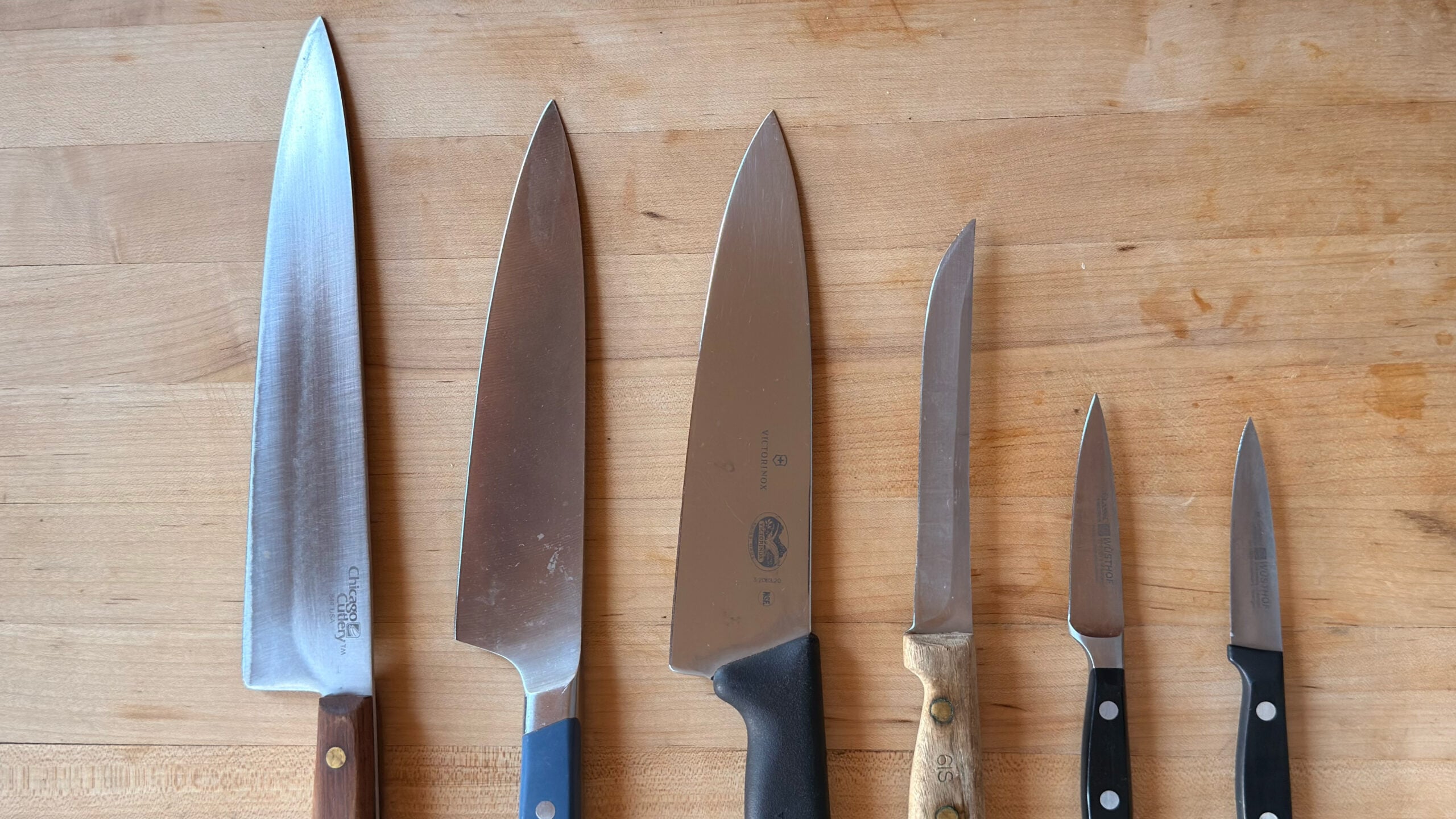
To maintain kitchen equipment effectively, it is essential to distinguish between two distinct processes: honing and sharpening. Honing is a maintenance task that does not remove significant amounts of metal. Rather, it uses a honing steel or ceramic rod to realign the microscopic teeth—or the "burr"—along the knife’s edge. Over time, regular use causes this edge to roll or become misaligned. Honing essentially pushes the metal back into a straight, functional position.
Sharpening, by contrast, is a restorative process. It involves the removal of a small amount of steel from the blade using an abrasive medium, such as a whetstone or a mechanical grinder, to establish a new, refined edge. While honing is recommended as a routine practice—ideally performed before every major cooking session—sharpening is an intermittent necessity, typically required only once every few months depending on the frequency of use and the hardness of the materials being cut.
A Chronology of Maintenance and Tool Selection
The timeline for knife maintenance is dictated by individual usage patterns. Culinary professionals often advocate for a "weekly reset" of the blade’s alignment via a honing steel. Sharpening, however, should be evaluated based on the knife’s performance during daily tasks. When a knife begins to "skate" off the surface of a potato or bruise soft herbs instead of slicing through them cleanly, it is a clear indicator that the edge has reached the end of its useful cycle.
The choice of sharpening equipment depends on the metallurgical composition of the knife and the user’s skill level.
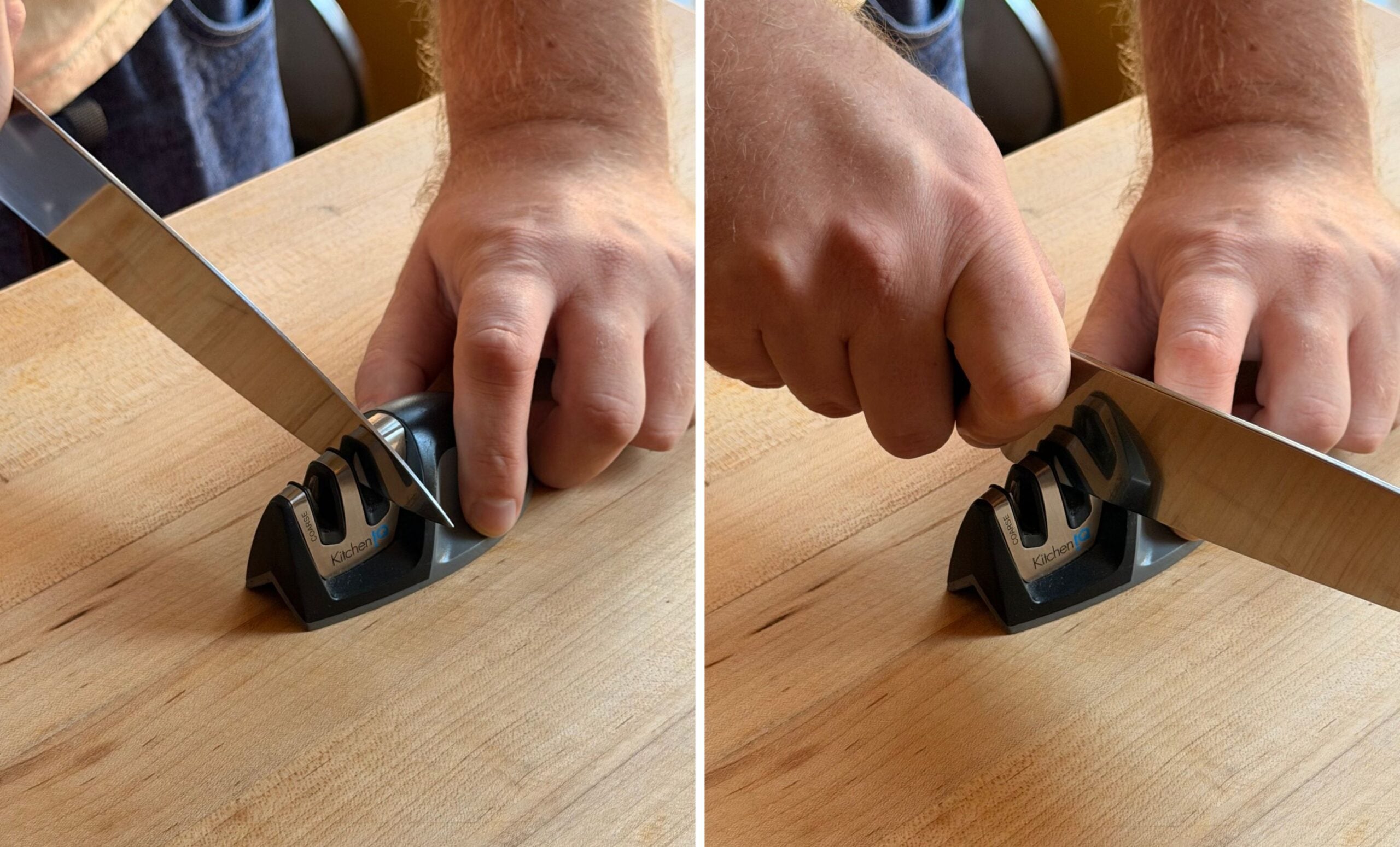
- Handheld Sharpeners: These devices are designed for accessibility. They feature fixed slots with preset angles, eliminating the need for the user to manually maintain the blade’s trajectory. These are ideal for beginners using standard Western-style chef’s knives.
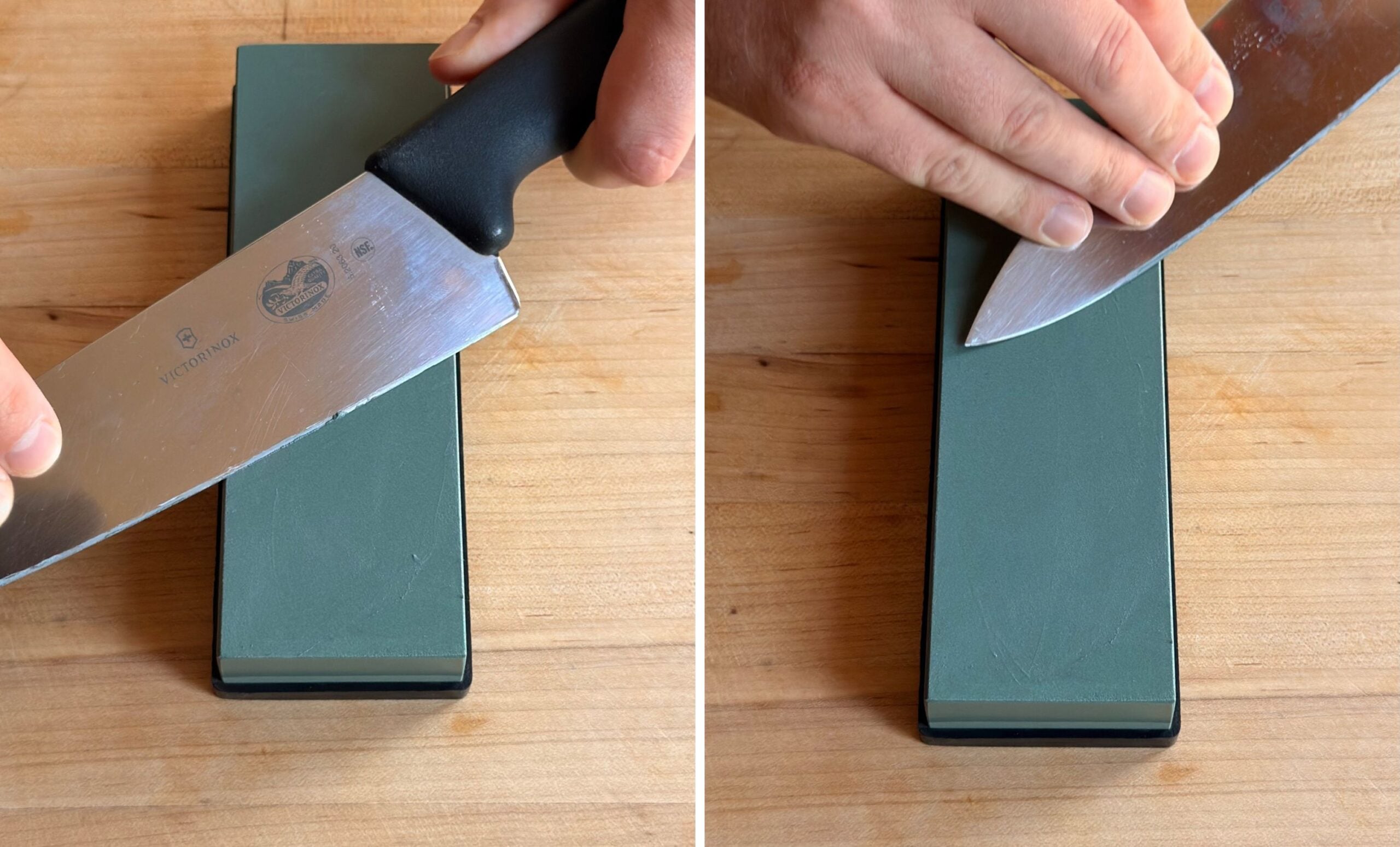
- Whetstones: Preferred by professionals for their precision, whetstones offer a manual approach to edge refinement. By soaking the stone in water and manually guiding the blade at a consistent 15-degree angle, the user achieves a superior, polished edge. This method allows for a gradual removal of material, extending the lifespan of the knife.
- Specialized Blades: It is important to note that not all knives are created equal. Japanese-style knives, which are often forged from harder, more brittle steel, require specialized stones and techniques due to their thinner, sharper geometry. Serrated knives, such as bread knives, feature distinct "teeth" that require specialized machinery and are generally unsuitable for standard whetstone sharpening. Ceramic knives, due to their extreme hardness, cannot be sharpened with steel-based tools and require diamond-abrasive equipment.
Standardized Procedures for Home Maintenance
For those utilizing a whetstone, the process begins with proper preparation. Soaking the stone until air bubbles cease to emerge ensures the stone is saturated. Once the stone is stabilized on a non-slip surface, the blade should be held at a consistent angle. Precise, controlled glides from the heel of the blade to the tip, applied with steady pressure, are required. It is standard practice to repeat this process on both sides of the blade, beginning with the coarse grit side of the stone before transitioning to the fine grit side for final polishing.
When using a honing steel, safety is paramount. The rod should be held vertically with the tip resting firmly on a stable, cloth-covered surface. By placing the heel of the knife at the top of the rod at a 15-degree angle and drawing it downward in a sweeping, controlled motion, the edge is successfully realigned.
Broader Economic and Culinary Implications
The decision to perform home maintenance has clear economic benefits. Professional sharpening services can range from $5 to $20 per knife, depending on the blade quality and the level of service required. By investing in a one-time purchase of a whetstone or a quality handheld sharpener, households can realize significant savings over time while ensuring their equipment is always ready for immediate use.
Beyond economics, the practice of self-maintenance fosters a deeper understanding of culinary tools. When a cook understands how to care for their blade, they tend to be more cognizant of how they use it, leading to better knife skills and more efficient meal preparation. As the holiday season approaches, the focus on maintenance serves as a reminder that the quality of a meal is inextricably linked to the quality of the tools used to prepare it.
Final Best Practices and Safety Protocols
Regardless of the method chosen, cleanliness is the final, critical step. The sharpening process inevitably leaves behind microscopic metal shavings—or "swarf"—on the blade. Failure to thoroughly wash and sanitize the knife after sharpening can lead to these metal particles contaminating food. After sharpening or honing, the blade should be cleaned with warm, soapy water and dried immediately to prevent oxidation or rust.
Experts emphasize that consistent, minor maintenance is always superior to infrequent, aggressive sharpening. By incorporating a quick honing routine into the weekly schedule, home cooks can ensure that their knives remain in peak condition, thereby enhancing both the efficiency of their kitchen and the safety of their culinary environment. As with any mechanical tool, the longevity of a knife is a direct reflection of the care invested in its upkeep. For those uncertain about specific manufacturer requirements, consulting the documentation that accompanied the knife remains the definitive guide for long-term care.