The culinary landscape of American summer staples is undergoing a refined transformation as home cooks and professional chefs alike seek to elevate the traditional frankfurter through technical preparation and cross-cultural topping profiles. While the hot dog remains a ubiquitous fixture of seasonal gatherings, a modern iteration focusing on the "butterflying" technique and the integration of vinegared greens and crisp textures is gaining traction among gastronomic circles. This approach prioritizes the Maillard reaction—the chemical process between amino acids and reducing sugars that gives browned food its distinctive flavor—while drawing inspiration from Latin American street food traditions.
Technical Preparation: The Butterfly Method
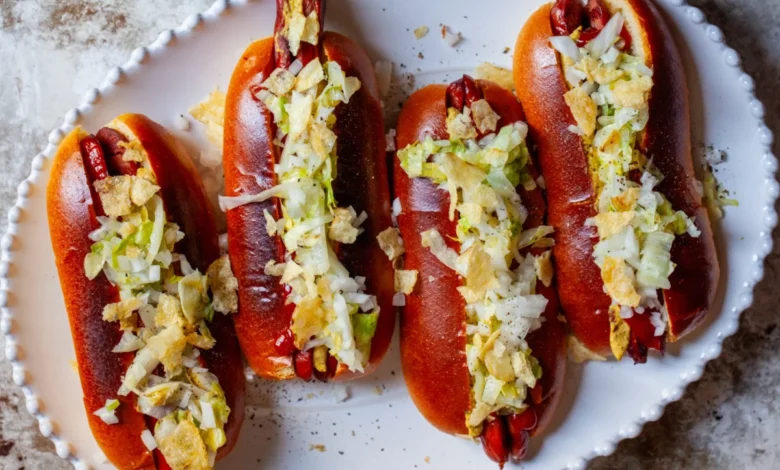
Central to this elevated preparation is the process of butterflying the hot dog. Rather than grilling or boiling the sausage in its cylindrical form, the frankfurter is sliced longitudinally, leaving a small "hinge" of casing intact. This allows the meat to be opened flat, doubling the surface area in direct contact with the heat source.

According to culinary experts, this method offers several structural and flavor advantages. First, the increased surface area facilitates a more uniform sear, resulting in a crispier texture that contrasts with the soft interior of the meat emulsion. Second, the flat profile prevents the hot dog from rolling on the grill or griddle, ensuring consistent heat distribution. Finally, the butterflied shape creates a natural "trough" or platform that provides superior support for heavy or complex toppings, preventing the structural failure often associated with traditional upright hot dog assembly.
The Chemistry of Toppings: Vinegared Iceberg and Texture
The selection of toppings for this modern frankfurter deviates from the standard mustard-and-ketchup pairing by introducing a specific focus on acidity and crunch. The "vinegared iceberg" component serves as a contemporary take on traditional relishes or sauerkraut. By quick-pickling shredded iceberg lettuce in a solution of water, vinegar, salt, and sugar, cooks introduce a high-moisture, high-acid element that cuts through the fatty profile of the beef or pork emulsion.
Iceberg lettuce, often criticized for its low nutrient density, is specifically chosen here for its structural integrity. Unlike softer greens, iceberg retains its cellular "snap" even when exposed to acidic brines, providing a cooling temperature contrast to the hot meat. This technique aligns with broader trends in "quick-pickling," where vegetables are marinated for as little as 30 minutes to one day to achieve a bright flavor profile without the lengthy fermentation process required for traditional pickles.

Furthermore, the addition of crushed potato chips—a technique popularized in Venezuelan and Colombian street food—introduces a final layer of texture. While "potato sticks" are a common sight at international ballparks, the use of thick-cut kettle chips provides a more substantial crunch and a salt-forward finish that complements the sweetness of the brioche or potato buns typically used in high-end hot dog service.
Cultural and Geographic Context: The Latin American Influence
The integration of potato chips onto hot dogs is a well-documented tradition across various Latin American nations, particularly in Venezuela, where the "Perro Caliente" is often a complex assembly of meats, cheeses, and crunchy textures. In these regions, the hot dog is not merely a snack but a canvas for diverse flavor profiles.
The adoption of these international styles in the United States reflects a broader "fusion" trend in domestic home cooking. As digital food media continues to bridge the gap between regional specialties and global audiences, techniques like adding "papitas" (small fries or chips) have migrated from the street stalls of Caracas to American backyard barbecues. This cross-pollination of culinary ideas highlights the hot dog’s role as a versatile vessel for cultural expression.

Meteorological Impacts on Culinary Trends
The rise of indoor preparation methods for traditional outdoor foods has been accelerated by recent extreme weather patterns across the Eastern United States. As a "heat dome"—a high-pressure atmospheric system that traps heat—descended upon the region, bringing triple-digit temperatures and high humidity, the "Great American Tradition" of outdoor grilling has faced logistical challenges.
Meteorological data indicates that prolonged exposure to extreme heat poses significant health risks to home cooks. Consequently, there has been a notable shift toward "indoor grilling" techniques. Recipes originally designed for charcoal or gas grills are being adapted for cast-iron griddles and oven-roasting. This transition allows for the same flavor profiles—such as the charred exterior of a butterflied hot dog—without the physical strain of cooking in hazardous outdoor conditions. The "happy cook = happy everyone" philosophy is increasingly being viewed through the lens of safety and environmental comfort.
Humanitarian Response: The Venezuelan Crisis
The culinary discussion surrounding Venezuelan-style toppings coincides with a period of significant humanitarian need in the region. Following recent seismic activity, including reported earthquakes with magnitudes of 7.2 and 7.5, rescue teams have been operating under catastrophic conditions to locate survivors and provide aid.

In response to the natural disaster, international relief organizations have mobilized to support impacted families and first responders. World Central Kitchen (WCK), a non-profit organization founded by Chef José Andrés, has established operations on the ground to serve hot, nutritious meals to those displaced by the earthquakes. WCK’s model focuses on "food as a first responder," utilizing local resources and culinary expertise to address immediate hunger in the wake of crises.
Official statements from humanitarian groups emphasize the urgency of funding for these operations. Donations are being directed toward expanding the reach of mobile kitchens and ensuring that first responders have the caloric intake necessary to continue search-and-rescue efforts in high-stress environments. The connection between culinary appreciation and global citizenship is underscored by the call for support for these devastated communities.
Economic and Industry Implications
The evolution of the hot dog also carries economic significance within the American food industry. According to the National Hot Dog and Sausage Council, Americans consume an estimated 20 billion hot dogs annually, with a significant portion of that consumption occurring between Memorial Day and Labor Day.

The "premiumization" of the hot dog—evidenced by the use of high-quality casings, artisanal buns, and complex toppings—reflects a shift in consumer behavior. Home cooks are increasingly willing to invest in specialized tools, such as meat presses for achieving the perfect sear, and premium ingredients like Hebrew National or local butcher-shop franks. This trend toward "gourmet" home cooking has sustained the specialty food market even during periods of broader economic fluctuation.
Furthermore, the influence of digital culinary figures, such as Deb Perelman of Smitten Kitchen, plays a pivotal role in shaping grocery trends. When a prominent recipe developer highlights a specific technique or ingredient—such as vinegared iceberg—it often leads to a localized surge in demand for those products, demonstrating the power of the "creator economy" in the food and beverage sector.
Conclusion: The Modern Frankfurter
The modern hot dog recipe is more than a simple assembly of meat and bread; it is a reflection of technical precision, cultural exchange, and adaptability to environmental conditions. By utilizing the butterfly technique, cooks maximize flavor and structural integrity, while the inclusion of vinegared greens and potato chips pays homage to international traditions that have long understood the importance of textural contrast.

As the culinary world continues to evolve, the hot dog remains a central figure in the American diet, capable of being both a humble convenience food and a sophisticated gourmet dish. Whether prepared on a scorching outdoor grill or a controlled indoor griddle, the focus remains on the balance of salt, acid, fat, and heat—the fundamental pillars of successful gastronomy. Simultaneously, the global context of these flavors serves as a reminder of the interconnectedness of the culinary community and the ongoing need for humanitarian solidarity in times of crisis.