James Webb telescope shares one of its biggest images ever, with record-breaking stars hiding in the dust — Space…

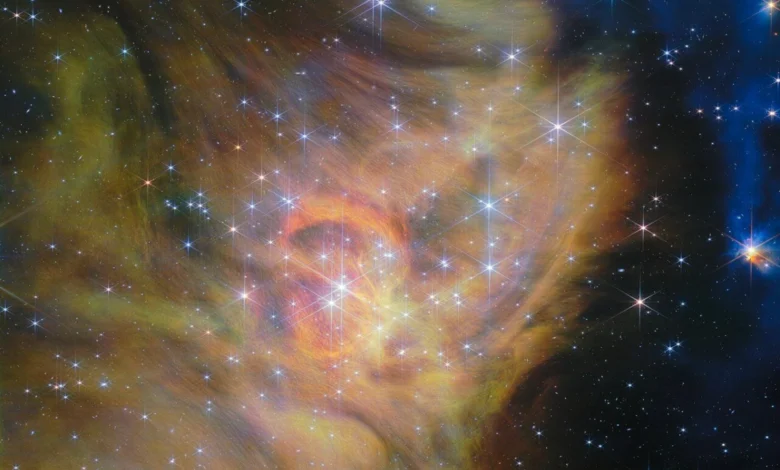
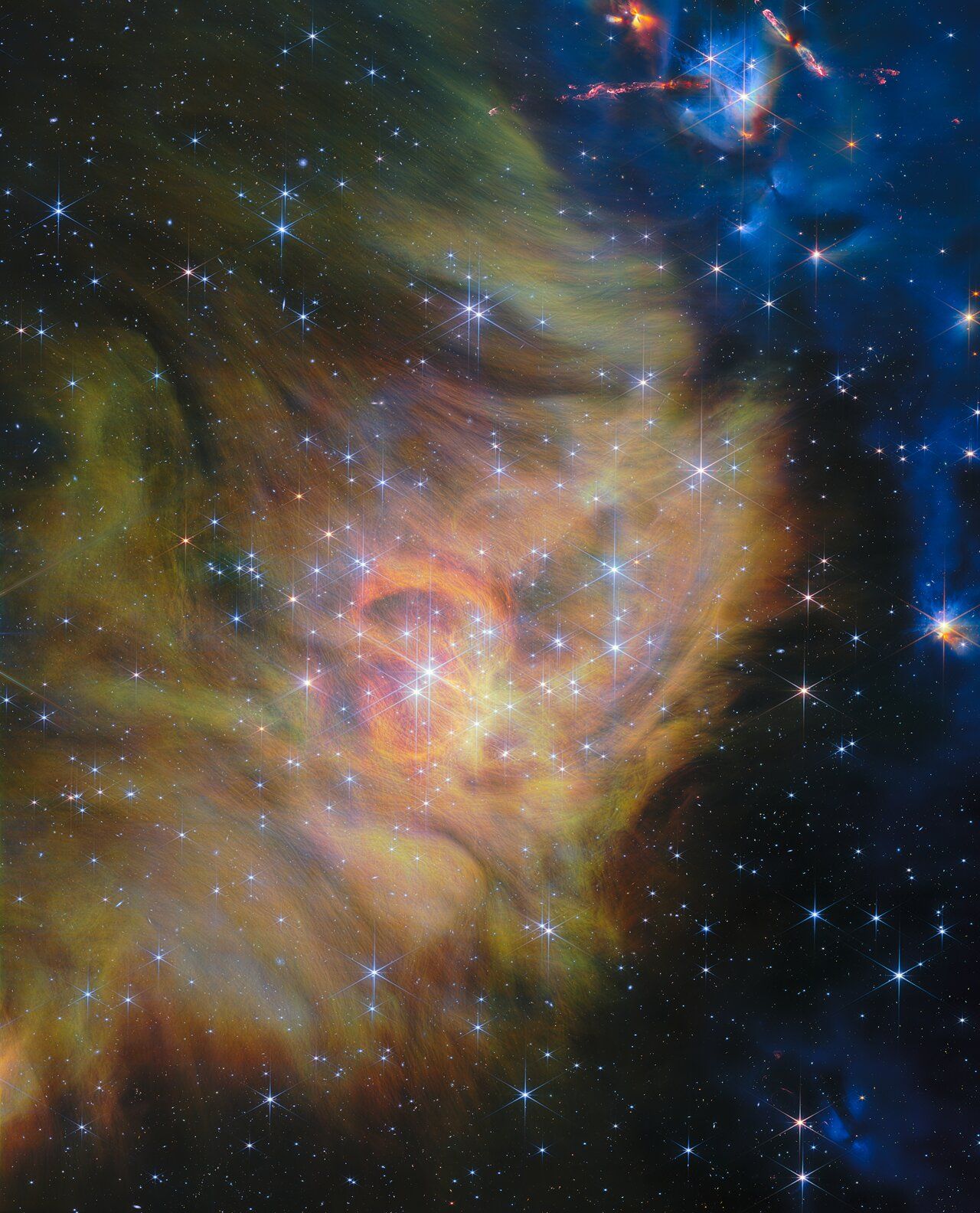
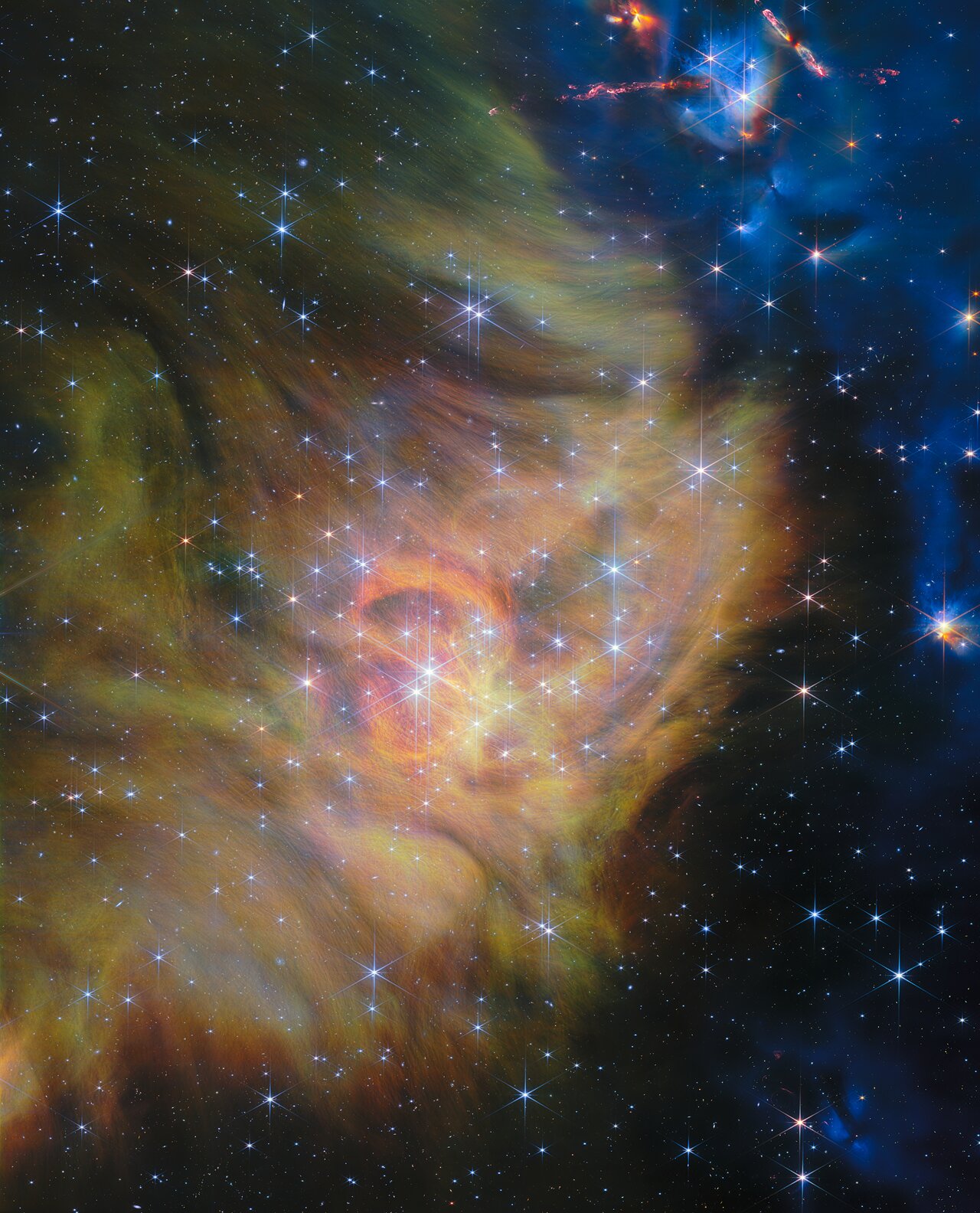
The James Webb Space Telescope (JWST) has once again expanded our understanding of stellar nurseries, capturing an unprecedented view of the reflection nebula known as IC 348. Located approximately 1,000 light-years away within the Perseus molecular cloud, this region serves as a vibrant laboratory for astronomers studying the birth of stars and the formation of low-mass celestial bodies. The new data, released on September 15, 2026, provides a high-resolution window into the complex interplay of gas, dust, and gravity that defines the earliest stages of stellar evolution.
A Window Into Stellar Genesis
IC 348 is a relatively young star-forming region, estimated to be only a few million years old. For astronomers, its proximity and youth make it an ideal subject for the Near-Infrared Camera (NIRCam) and the Near-Infrared Spectrograph (NIRSpec) aboard the JWST. Unlike optical telescopes, which are often obstructed by the dense curtains of cosmic dust surrounding such regions, the JWST’s infrared capabilities allow it to "see through" the debris, uncovering the hidden life cycle of the stars within.
The image reveals a chaotic, swirling landscape of glowing gas and dark filaments. Among the most striking features are the newly formed stars that light up the nebula from within, as well as the faint, elusive brown dwarfs. Brown dwarfs—often described as "failed stars"—occupy the mass range between the largest gas giant planets and the smallest hydrogen-burning stars. The discovery of objects in IC 348 weighing as little as two times the mass of Jupiter provides significant data points for theorists attempting to understand the lower limit of star formation.
Chronology of the Observation
The study of IC 348 is part of a broader, ongoing campaign by the international astronomical community to map the properties of low-mass objects in the Milky Way.
- Initial Discovery: IC 348 was historically cataloged as part of the Perseus molecular cloud complex, a well-known site of active star formation.
- Target Selection: Astronomers identified this region as a high-priority target for JWST due to its high density of young stellar objects and the potential for detecting substellar objects that were previously beyond the reach of the Hubble Space Telescope.
- Observation Campaign: The data used for this specific imagery was collected during the observatory’s routine survey cycles. The telescope utilized its deep-field imaging capabilities to isolate faint light signatures from the surrounding thermal noise of the nebula.
- Release Date: The finalized, processed imagery and spectroscopic data were made public by the ESA/Webb and NASA collaborative teams on September 15, 2026, marking a significant milestone in the mission’s ongoing survey of galactic star-forming regions.
Technical Significance and Supporting Data
The JWST’s ability to detect such low-mass objects is predicated on its superior infrared sensitivity. In the context of IC 348, the telescope’s instruments have identified a population of "free-floating" planetary-mass objects. These bodies are not orbiting a host star, a phenomenon that challenges existing models of planetary formation and ejection.
Supporting data from the observation highlights that the star-forming efficiency in IC 348 is significantly influenced by the intense ultraviolet radiation from the larger, more massive stars within the cluster. This radiation shapes the surrounding gas, effectively "sculpting" the nebula into the filaments and pillars seen in the new imagery. The presence of protostellar jets—high-speed outflows of gas ejected from the poles of forming stars—further indicates a highly dynamic environment where magnetic fields and gravity are in a constant state of flux.
Official Perspectives and Scientific Context
While official statements from the ESA and NASA project teams emphasize the technical success of the mission, researchers involved in the study—such as K. Luhman and C. Alves De Oliveira—have noted the implications for planetary science. By studying these young, low-mass objects, scientists hope to determine whether they formed through the same gravitational collapse process as stars or if they were ejected from nearby protoplanetary disks during the volatile early stages of a planetary system’s life.
The consensus among the research community is that the IC 348 observation is not merely a visual triumph but a statistical one. The sheer number of brown dwarfs identified in this single field of view allows for a more robust "initial mass function" calculation, which helps astrophysicists predict the distribution of star sizes across the galaxy.
Broader Impact on Modern Astronomy
The study of IC 348 has implications that extend far beyond the Perseus constellation. By refining our understanding of how small, dim objects form, astronomers are better equipped to address the "missing mass" problem in star-forming regions. If the universe produces a higher volume of brown dwarfs than previously modeled, it necessitates a recalibration of how we estimate the total mass and evolutionary trajectory of galaxies.
Furthermore, the data from IC 348 serves as a benchmark for future observations of even more distant or obscured regions. As the JWST continues its mission, the techniques perfected in the analysis of this nebula—specifically in distinguishing between faint stars and high-mass planets—will be applied to the search for exoplanetary atmospheres and the characterization of older, cooler stars that are difficult to detect by other means.
Implications for the Future of Deep Space Research
The high-resolution imagery of IC 348 underscores the shift in astronomical research from purely cataloging celestial bodies to analyzing the micro-mechanics of their birth. The "swirling landscape" captured by the telescope is, in reality, a snapshot of a violent and fleeting cosmic process.
As the scientific community continues to digest the findings, the primary takeaway remains clear: the processes that create massive, burning stars are inextricably linked to those that create the smallest, coolest substellar objects. Understanding this relationship is critical to the broader quest to understand the formation of the Milky Way itself.
The data provided by the JWST regarding IC 348 will likely remain a foundational reference for the next decade of astronomical research. By peeling back the layers of dust that have obscured these processes for centuries, the telescope is providing a comprehensive narrative of the galaxy’s history, one star—and one brown dwarf—at a time. This observational feat reaffirms the necessity of space-based infrared observatories in solving the most persistent mysteries of modern cosmology, ensuring that the legacy of the JWST will be measured in both its breathtaking visuals and its profound contributions to human knowledge.