Ford settles class action lawsuit with Transit Trail owners over diminished off-road capabilities

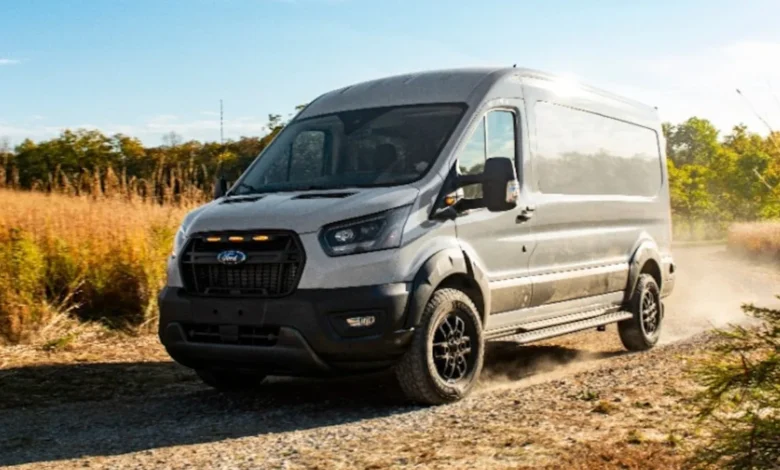
The automotive industry has witnessed a significant shift in consumer preference over the last decade, marked by a surge in demand for ruggedized, "adventure-ready" vehicles. Automakers have responded to this trend by applying "off-road" treatments to standard passenger and commercial platforms—adding black plastic cladding, increased ground clearance, and all-terrain tires to capture the lucrative van-life and overlanding markets. However, a recent legal development involving the 2023-2024 Ford Transit Trail underscores the risks of marketing utility over technical performance. Ford Motor Company has reached a settlement in a class action lawsuit, agreeing to pay $6,000 to owners of the Transit Trail following a recall that effectively stripped the van of its primary advertised off-road features.
The Rise and Fall of the Transit Trail
Ford introduced the Transit Trail in 2022, positioning it as a turnkey solution for outdoor enthusiasts and professional upfitters. The vehicle was marketed with a promise of "Built Ford Tough" durability, specifically tailored for unpaved terrain. The marquee features of the package included a track width increase of 2.75 inches, an additional 3.5 inches of ride height, and, most notably, 30.5-inch Goodyear Wrangler Workhorse all-terrain tires.
These specifications were central to the vehicle’s value proposition, which carried a premium price tag of approximately $12,500 over the base Transit model. The intent was to offer a factory-backed, warranty-supported alternative to the expensive aftermarket modifications that van owners traditionally performed. However, the design proved problematic shortly after production began. Owners and internal testing identified that the larger 30.5-inch tires were prone to rubbing against the wheel well liners during articulation, creating a potential safety risk and causing premature wear on the vehicle’s body components.
Chronology of the Recall and Legal Action
The failure of the Transit Trail’s design culminated in a formal recall issued by Ford in early 2024. Rather than redesigning the suspension geometry or modifying the wheel wells to accommodate the tires safely, Ford elected to replace the 30.5-inch tires with 28.5-inch units—the same tires found on the standard, non-Trail Transit models.
This remediation effectively neutralized the vehicle’s unique selling points. By reverting to the smaller tires, the ground clearance of the Transit Trail dropped from 6.7 inches to 5.5 inches, matching the standard Transit and negating the advertised "adventure-ready" performance. Discontent among the owner community was immediate. Many buyers argued that they had paid a $12,500 premium specifically for the increased clearance and tire size, and that the recall rendered their vehicles fundamentally different from the product they had purchased.
By mid-2024, a class action lawsuit was filed, alleging that Ford’s fix constituted a breach of contract and that the company had failed to deliver the performance metrics promised in their marketing materials. The lawsuit sought compensation for the diminished value of the vehicles and the loss of the specific off-road utility that defined the Transit Trail trim.
Terms of the Settlement
Last week, the litigation reached a resolution. Under the terms of the settlement, Ford has agreed to pay $6,000 to eligible owners. According to documentation provided by classaction.org, eligibility is restricted to individuals who purchased or leased a 2023 or 2024 model year Ford Transit Trail for personal, family, or household use prior to June 1, 2024. To qualify, claimants must not have already received compensation from Ford regarding the tire issue, such as through a prior repurchase agreement or separate settlement.
While a $6,000 payout is considered a significant recovery in the context of automotive class action settlements, it covers less than half of the $12,500 premium associated with the Trail package. The settlement serves as an acknowledgment by the automaker that the modified vehicle did not meet the expectations set during the initial sales process.
Technical and Economic Implications
The Transit Trail situation highlights a growing tension between aggressive marketing and engineering limitations. In the rush to capitalize on the booming "van-life" demographic, automotive manufacturers often push the limits of standard chassis configurations. When these vehicles are pushed to the edge of their performance envelope, the margin for error is slim.
From an engineering perspective, fitting a full-size commercial van with larger tires requires more than just a swap; it necessitates re-engineering the wheel arch geometry, suspension travel limits, and potentially the gear ratios or powertrain calibration to account for the increased rolling diameter. Ford’s decision to perform a "quick fix" via a tire swap suggests that the manufacturer prioritized the containment of a wider recall over the preservation of the product’s intended utility.
The financial impact on Ford, while contained by the $6,000 settlement cap, is compounded by the loss of the model itself. In early 2024, Ford quietly discontinued the Transit Trail, citing "supply chain issues." Industry analysts suggest that the combination of production complexities and the legal liability associated with the tire recall likely contributed to the decision to shutter the line.
Broader Impact on the Automotive Market
The Transit Trail saga serves as a cautionary tale for both manufacturers and consumers. For manufacturers, the incident demonstrates that "adventure" branding cannot override the necessity for rigorous, long-term durability testing. Consumers, meanwhile, are becoming increasingly sophisticated in their understanding of vehicle specifications. The rapid mobilization of the Transit Trail owner base indicates that buyers of niche, high-cost vehicles are more likely to pursue legal remedies when the product fails to deliver on its specific, advertised utility.
Furthermore, this settlement could set a precedent for future litigation involving "off-roadified" vehicles. As more brands enter this space—from light-duty crossovers to full-size commercial vans—the legal community will likely keep a close eye on how well these vehicles perform relative to their marketing claims. If a vehicle is sold on the premise of superior off-road capability, any factory-mandated modification that reduces that capability could be subject to similar legal scrutiny.
For current owners, the path forward involves navigating the claim process. The complexity of proving eligibility, as detailed on legal assistance websites, requires owners to provide proof of purchase and documentation regarding the vehicle’s history. For those who purchased the Transit Trail with the intention of converting it into a camper van or expedition vehicle, the $6,000 may provide a modest consolation, but it does not replace the loss of the 1.2 inches of ground clearance or the aesthetic and functional benefits of the larger all-terrain tires.
Conclusion
The settlement between Ford and the Transit Trail owners is a definitive chapter in a saga that exemplifies the challenges of modern vehicle customization. While the $6,000 payment offers a degree of financial restitution, it also marks the end of a brief experiment in factory-built, off-road-capable commercial vans. As the automotive industry continues to iterate on new trends, the Transit Trail case remains a pertinent reminder of the importance of engineering integrity and the legal ramifications of failing to meet the promises made to the consumer. For now, the owners of these vans must decide whether to accept the settlement and retain their vehicles or seek further avenues for recourse, while the industry looks on, wary of the pitfalls inherent in balancing rugged aesthetics with real-world mechanical performance.