Fall Freezer Meals Strategy: A Comprehensive Guide to Batch Cooking for Household Efficiency

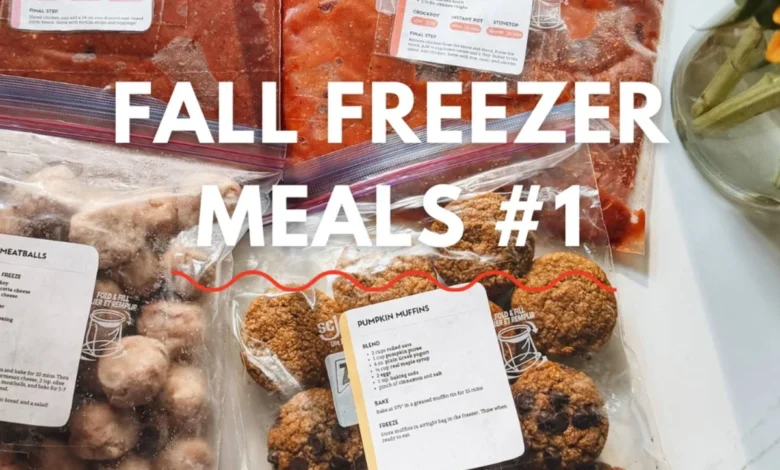
The modern household increasingly relies on strategic meal planning to navigate the complexities of demanding work-life schedules, particularly as the autumn season approaches. The "September Mini Freezer Stash" concept represents a systematic approach to culinary preparation, emphasizing batch assembly and long-term storage to mitigate daily time constraints. By leveraging the principles of freezer-friendly cooking, individuals can reduce reliance on processed convenience foods, optimize grocery budgets, and ensure a consistent supply of nutritionally dense meals during periods of peak activity.
The Evolution of Batch Cooking and Domestic Efficiency
Freezer-based meal preparation, colloquially known as "freezer meals," has transitioned from a niche domestic practice to a widespread strategy for time management. Data from food safety organizations and culinary research groups suggest that proper freezing techniques can preserve the nutritional integrity of ingredients for several months, provided that oxidation and freezer burn are prevented through appropriate packaging.
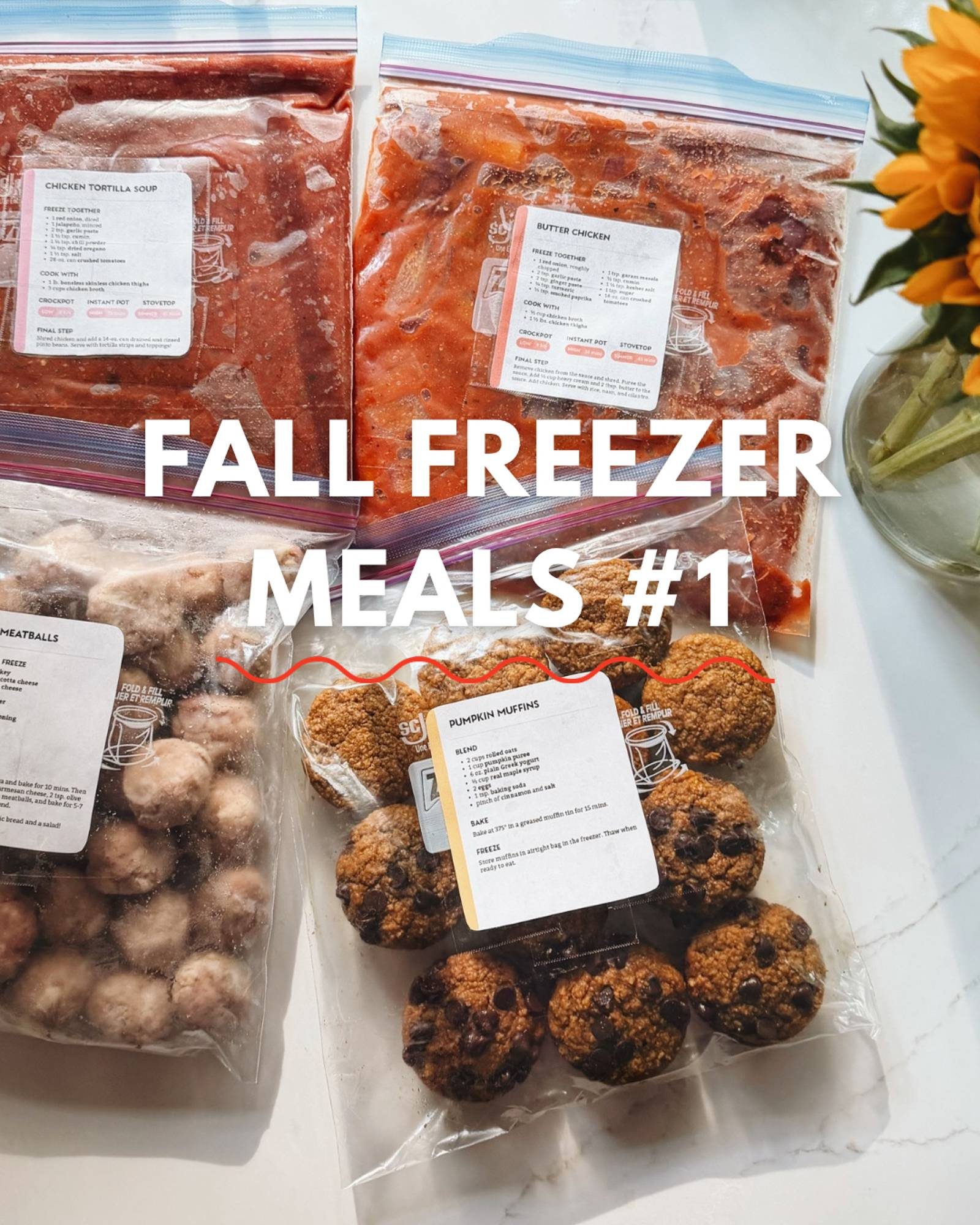
The methodology involves three distinct phases: procurement, assembly, and thermal preservation. By centralizing the preparation process into a single, high-efficiency window, households can reduce the cumulative time spent on daily kitchen tasks—a process often referred to as "time-blocking" in productivity literature. This September, the focus shifts toward comfort-centric, nutrient-dense ingredients that characterize fall seasonality, such as pumpkin, root vegetables, and hearty proteins.
Chronology and Operational Framework for Freezer Stashing
An effective freezer stash is built upon a foundation of structured logistics. Experts recommend a four-stage process to ensure quality and safety:
- Inventory Assessment: Before procurement, individuals must audit current freezer capacity to ensure optimal airflow, which is critical for maintaining consistent temperatures.
- Ingredient Preparation: Vegetables, proteins, and aromatics are processed in bulk. For liquid-heavy meals like soups or sauces, cooling the contents to room temperature before freezing is mandatory to prevent ice crystal formation, which can degrade texture.
- Packaging and Sealing: Utilizing heavy-duty freezer bags or vacuum-sealed containers removes excess air. Removing air is the single most important factor in preventing freezer burn.
- Labeling and Rotation: Each unit should be dated and labeled with reheating instructions. A "first-in, first-out" (FIFO) inventory system ensures that older meals are prioritized, maintaining food safety standards.
Curated Culinary Profiles for the Autumn Season
This month’s strategic stash includes four primary categories of meals, each selected for its structural integrity during the freezing and reheating cycle.
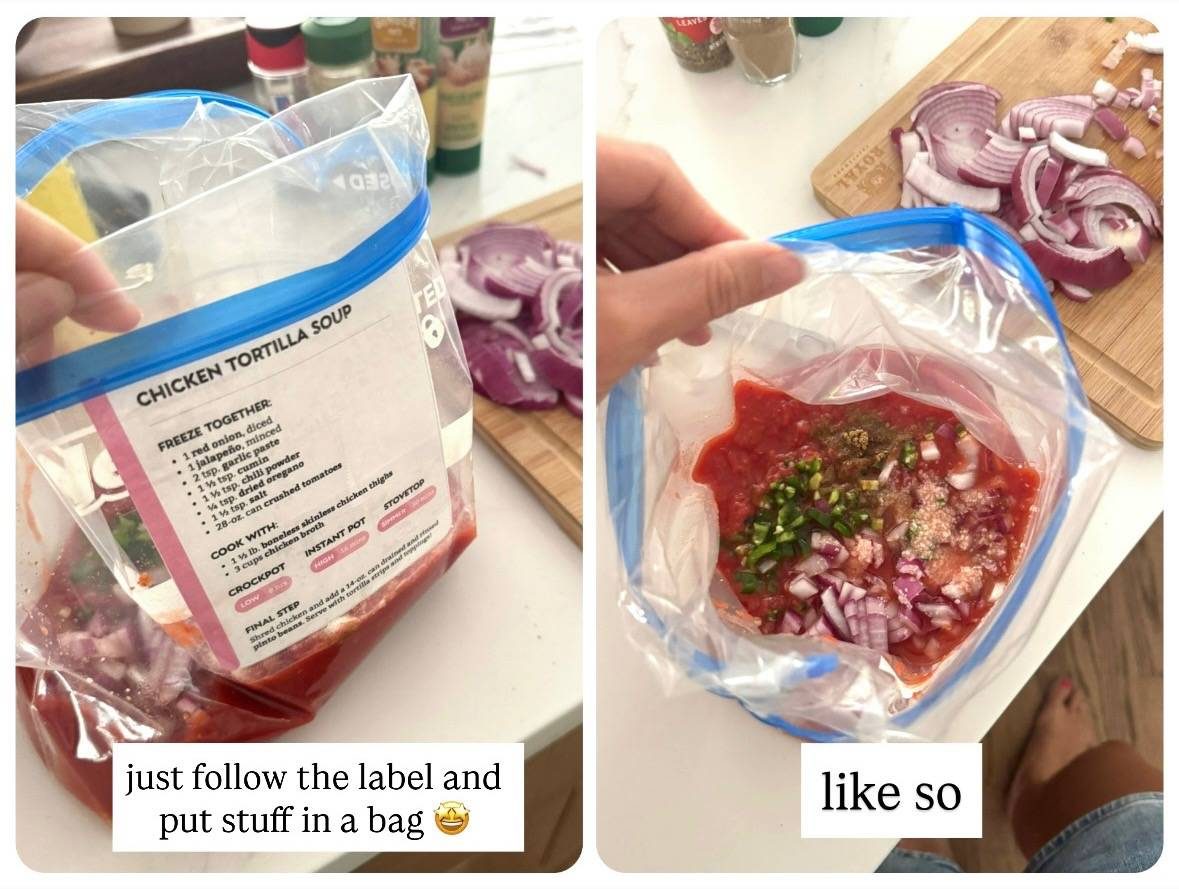
Pumpkin-Based Nutritional Muffins
Pumpkin, a staple of the fall harvest, offers high fiber and vitamin A content. The preparation of muffins for the freezer involves a blender-based technique that incorporates oats, pumpkin purée, and binding agents. By blending the batter, the density is increased, which assists in maintaining moisture levels during the reheating process. Once baked at 375°F for approximately 15 to 17 minutes, the muffins should be flash-frozen on a tray before being transferred to a secondary storage container. This prevents the muffins from adhering to one another.
Butter Chicken and Protein-Dense Sauces
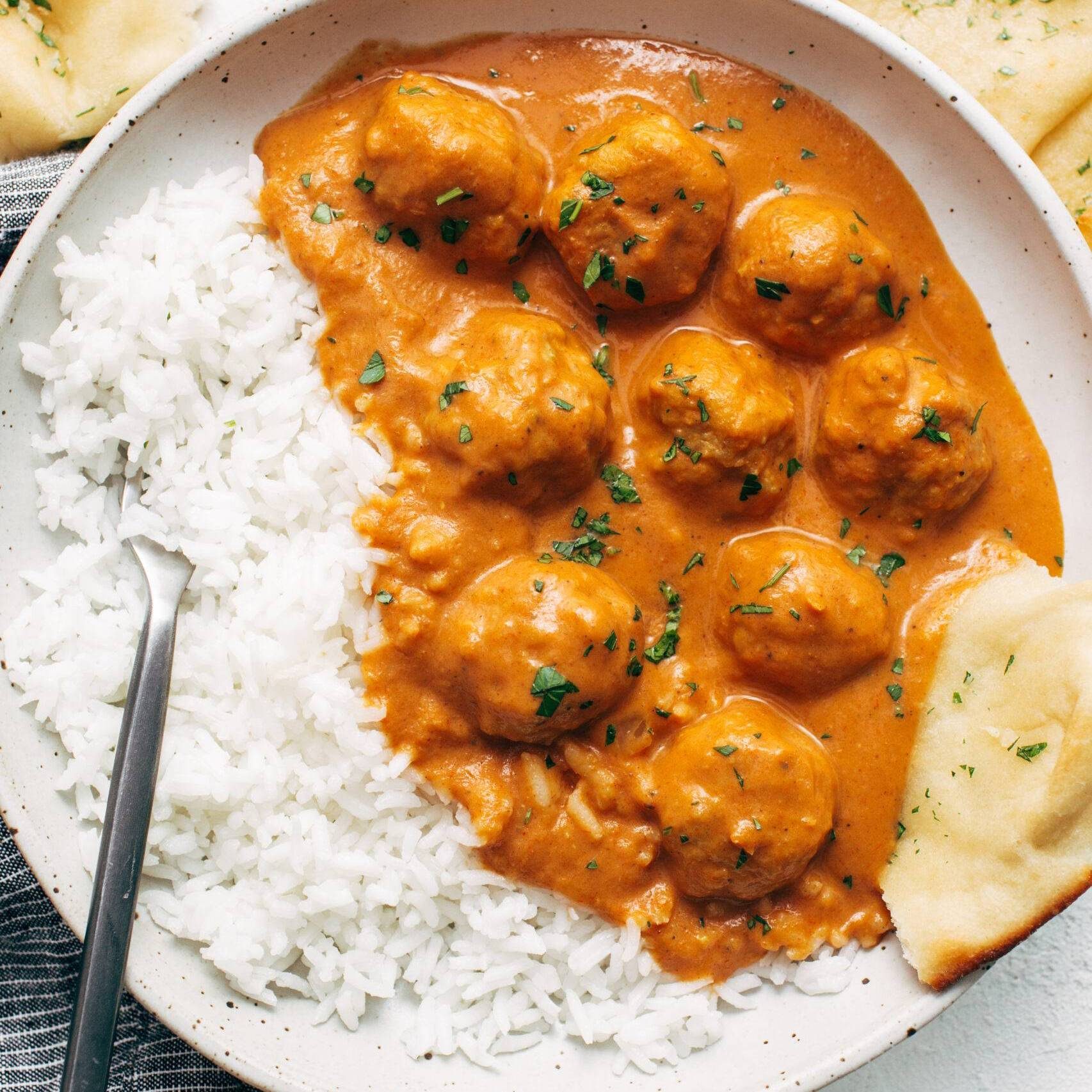
The butter chicken profile is an example of a "cook-ahead" sauce-based meal. In this configuration, raw or pre-seared chicken is vacuum-sealed with a spice-heavy, tomato-based sauce. The acidity of the tomatoes and the fat content of the cream (added post-thaw) act as natural preservatives. When prepared in a slow cooker or pressure cooker, the moisture content is retained, preventing the meat from becoming fibrous or dry.
Chicken Tortilla Soup
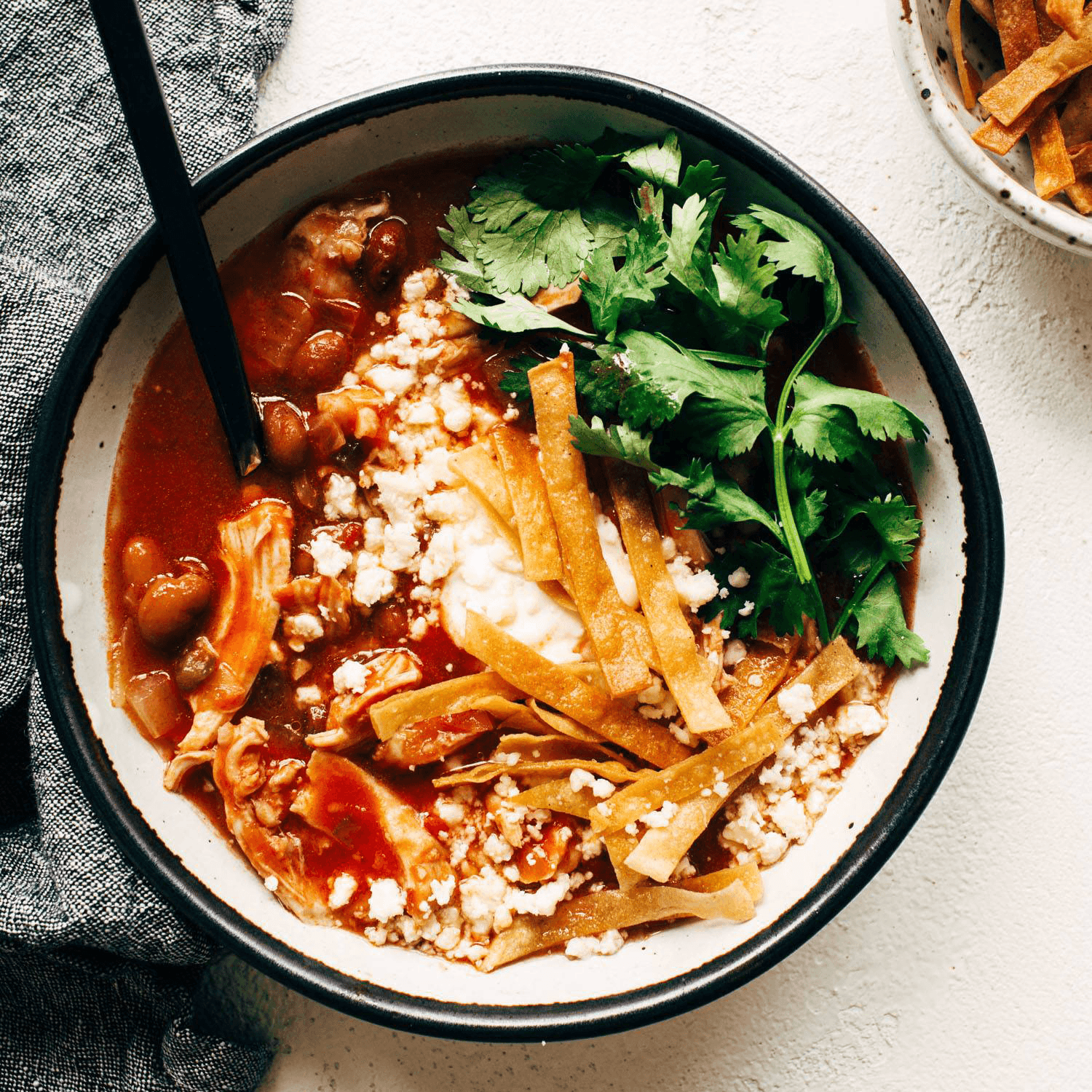
Soup-based meals are perhaps the most resilient category for long-term freezer storage. A classic chicken tortilla soup—composed of shredded chicken, aromatics, and broth—can be frozen as a "dump-and-go" bag. The inclusion of pinto beans provides a plant-based protein boost, while the final stage—adding fresh lime and tortilla strips—is performed upon consumption to preserve the textural contrast.
Ricotta-Infused Meatballs
Meatballs are highly efficient due to their compact surface area. Using a ricotta-based binding agent improves the tenderness of the protein. The assembly requires a two-step process: baking to achieve a Maillard reaction on the exterior, followed by a secondary heat cycle with marinara sauce. The addition of a panko-parmesan crumb topping immediately before serving provides the necessary textural contrast to the soft interior of the meatball.
Supporting Data and Nutritional Implications
Recent studies in nutritional science have highlighted that home-prepared freezer meals are significantly lower in sodium and preservatives compared to commercial frozen entrées. While commercial options often rely on sodium-based preservatives to extend shelf life, home-prepared meals allow for complete control over ingredient quality.
Furthermore, the environmental impact of batch cooking is noteworthy. By purchasing ingredients in bulk and utilizing the freezer to prevent spoilage, households can reduce food waste by an estimated 15% to 20% annually. This alignment of economic savings and environmental consciousness has contributed to the growing popularity of this culinary strategy.
Institutional Perspectives on Food Safety
Health organizations, including the USDA and various food safety boards, emphasize that the safety of frozen food is primarily a function of temperature management. A consistent freezer temperature of 0°F (-18°C) is required to stop the growth of microorganisms. Furthermore, the practice of reheating meals directly from a frozen state is generally safe, provided the internal temperature reaches at least 165°F (74°C). The transition from freezer to heat source should be as rapid as possible to minimize the time the food spends in the "danger zone"—the temperature range between 40°F and 140°F where bacteria multiply most rapidly.
Broader Impact and Future Outlook
The adoption of a monthly freezer stash system is reflective of a broader shift in modern living. As urban environments become more demanding and the cost of prepared dining increases, the ability to manage one’s own supply chain through the kitchen becomes an essential life skill.
Looking forward, the integration of smart-home appliances—such as app-connected slow cookers and precision-controlled vacuum sealers—will likely continue to lower the barrier to entry for novice cooks. The "Mini Freezer Stash" is not merely a collection of recipes; it is a framework for reclaiming time and prioritizing nutritional intake in an increasingly fast-paced society. By treating the kitchen as a production center, families can effectively mitigate the stressors associated with meal-time decisions, thereby contributing to overall household well-being and domestic stability.
For those interested in expanding their repertoire, comprehensive digital repositories now offer extensive, peer-reviewed collections of freezer-compatible recipes. These resources are designed to be printed and attached to storage vessels, ensuring that even in the most chaotic schedules, the path from freezer to table remains seamless, efficient, and nutritionally sound.