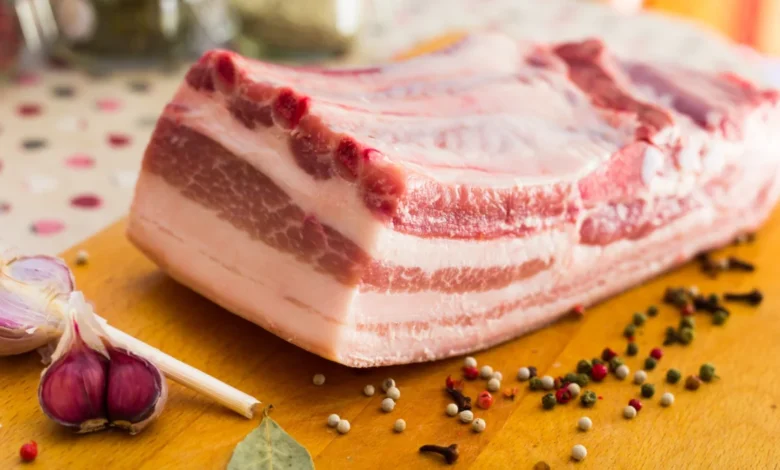
Often mistaken for its more popular cousin, bacon, salt pork is a distinct salt-cured product derived from the fattiest sections of the pig, typically the belly or the back. Unlike bacon, which undergoes a smoking process to imbue it with a characteristic wood-fire flavor, salt pork is strictly cured in a heavy concentration of salt and then dried. This high salt content acts as a powerful preservative, drawing out moisture and creating an environment inhospitable to the bacteria that cause spoilage. For the trail cooks—affectionately known as "cookies"—who managed the mobile kitchens of the cattle trails, salt pork was the most reliable protein source available, capable of withstanding the swelering heat of the Great Plains and the humid stretches of the Texas trails without the need for ice or specialized storage.
The Nutritional Logic of the Cowboy Diet
To understand why salt pork was so ubiquitous, one must examine the physiological demands placed on the 19th-century cowboy. A typical cattle drive involved moving thousands of head of semi-wild longhorn cattle across hundreds of miles of rugged terrain, often lasting between three to five months. During this time, a cowboy remained in the saddle for upwards of 15 hours a day, performing high-intensity physical labor that included roping, branding, and managing stampedes.
Nutritional historians estimate that a cowboy on the trail required between 4,000 and 5,500 calories per day to maintain their physical stamina. Salt pork, being composed almost entirely of animal fat, provided a dense caloric yield that leaner meats could not match. While it may seem counterintuitive that men driving beef cattle would rely on pork, the economic reality was that the cattle were the "commodity"—too valuable to be slaughtered for daily meals. Pork, specifically in its salt-cured form, was a cheaper, more portable, and more energy-dense alternative that allowed the ranch owners to deliver their full herd to the northern railheads for maximum profit.
The Evolution of the Chuckwagon and the Role of "Cookie"
The systematic use of salt pork was facilitated by the invention of the chuckwagon, a mobile kitchen credited to Texas rancher Charles Goodnight in 1866. Before the chuckwagon, cowboys often carried their own meager rations in "possibles bags" attached to their saddles. Goodnight’s innovation allowed for a centralized food supply and a dedicated cook, which fundamentally changed the logistics of the American West.
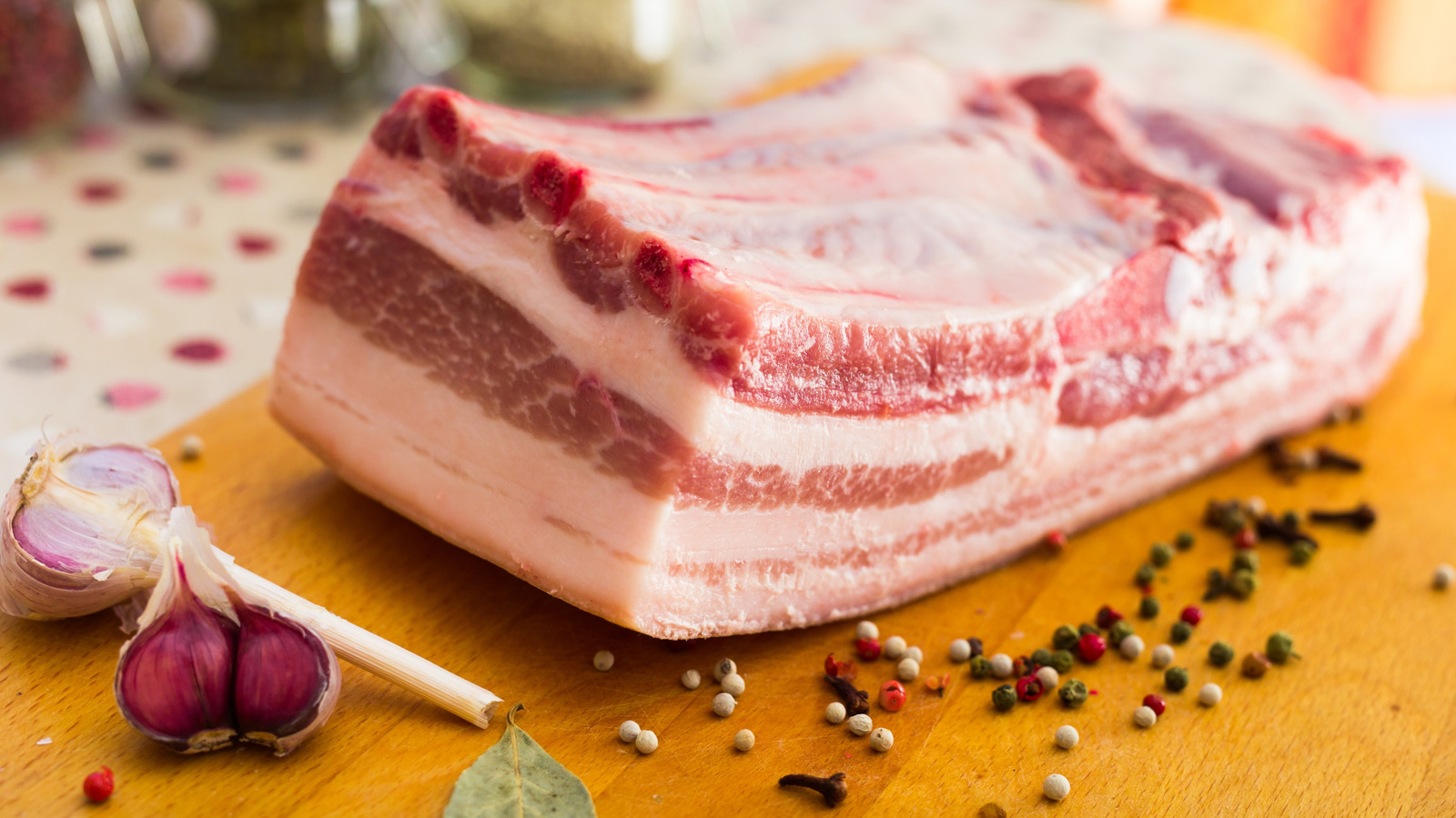
The chuckwagon’s "chuck box" was designed with various compartments to hold staples such as flour, sugar, dried beans, coffee, and large slabs of salt pork. The cook was responsible for the preservation of these goods. Because salt pork was cured so heavily, it was nearly inedible in its raw, shelf-stable state. To prepare it, the cook had to engage in a process of "freshening" the meat, which involved soaking the slabs in multiple changes of water to leach out the excess sodium. Failure to properly soak the meat could lead to severe dehydration among the crew—a dangerous condition in the arid Western climates.
Chronology of the Salt Pork Era (1865–1890)
The dominance of salt pork in the American diet followed a specific historical trajectory:
- 1865–1870: Following the American Civil War, the demand for beef in the industrialized North surged. The "Beef Bonanza" began, necessitating the long-distance movement of cattle from Texas to railheads in Kansas. Salt pork, already a staple of military rations during the war, became the standard trail meat.
- 1870–1885: The Golden Age of the Cattle Drive. Trails like the Chisholm and the Goodnight-Loving Trail saw millions of cattle moved. Salt pork was the primary protein, often nicknamed "sowbelly" by the cowboys. During this period, Chicago and Cincinnati became major pork-packing hubs, shipping salted barrels of pork westward via the expanding railroad.
- 1885–1890: The introduction of refrigerated railcars and the "Big Die-Up" (a series of devastating winters) began to change the industry. As the open range was fenced off and railroads reached closer to the ranches, the need for hyper-stable trail foods like salt pork began to wane, making way for fresh meat and canned goods.
Cultural Fusion and the Influence of the Vaquero
The cowboy’s reliance on salt pork was also influenced by the Mexican vaqueros, who had established cattle-rearing traditions in the Southwest long before Anglo-American settlers arrived. The vaqueros utilized various methods of meat preservation, including "charqui" (the precursor to jerky), but they also integrated pork fats into their cooking.
This cultural exchange resulted in the birth of "Tex-Mex" and "Cowboy" cuisine. Salt pork was frequently diced and rendered down to provide the cooking fat for "frijoles" (pinto beans) and "pan de campo" (camp bread). The rendered fat from the salt pork acted as a flavor enhancer and a vital source of lipids for the flour-based biscuits that were a mainstay of every meal. In many ways, the salt pork served as a culinary "bridge," allowing trail cooks to create a variety of dishes from a very limited inventory of dry goods.
Technical Comparison: Salt Pork vs. Bacon
In the modern grocery store, consumers often confuse salt pork with thick-cut bacon, but the technical differences are significant for both the cook and the consumer:
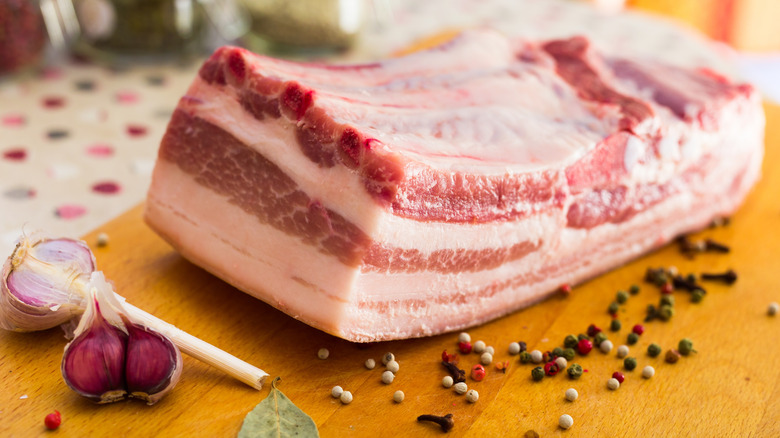
- Curing Method: Bacon is typically wet-cured or dry-rubbed with a mixture of salt, sugar, and nitrates, then smoked. Salt pork is dry-salted or "pickled" in a heavy brine and rarely contains sugar or smoke flavor.
- Fat Content: While bacon contains streaks of lean meat (muscle), salt pork is primarily subcutaneous fat. This makes it an "ingredient meat" rather than a "center-of-the-plate" meat.
- Preparation: Bacon can be fried directly from the package. Salt pork almost always requires parboiling or soaking to reduce its salinity to a palatable level.
Economic and Industrial Implications
The reliance on salt pork also speaks to the industrialization of the American food system. In the mid-to-late 19th century, pork was the first meat to be truly "industrialized." The ability to pack pork into barrels with salt allowed it to be treated as a non-perishable commodity, similar to grain or timber. This industrial efficiency made it the most cost-effective way to feed the labor forces of the West, including not just cowboys, but also railroad workers and miners.
Data from the era suggests that the pork-packing industry in Chicago grew by over 400% between 1860 and 1880, driven largely by the demand for shelf-stable proteins in the Western territories. The "pork barrel" became a literal and figurative symbol of American economic expansion.
The Legacy of Salt Pork in Modern Cuisine
While the era of the great cattle drives has long since passed, the culinary influence of salt pork remains embedded in American regional cooking. In the Southern United States, salt pork (often called "streak o’ lean") is still used to season slow-cooked greens and legumes, providing the depth of flavor and "mouthfeel" that defines traditional soul food. In New England, salt pork remains a critical component of authentic clam chowder and Boston baked beans, providing the necessary fat to balance the acidity and brine of the other ingredients.
The story of salt pork is ultimately a story of human ingenuity in the face of environmental challenges. It was the "fuel" of the frontier, a humble slab of salted fat that enabled the expansion of an empire. For the cowboy, a hot meal of beans and salt pork at the end of a long day on the trail was more than just sustenance; it was a rare moment of comfort in a life defined by the hard, unforgiving reality of the American West. Today, as culinary enthusiasts rediscover heritage techniques of curing and preservation, salt pork stands as a reminder of a time when the preservation of food was the most vital technology of the day.