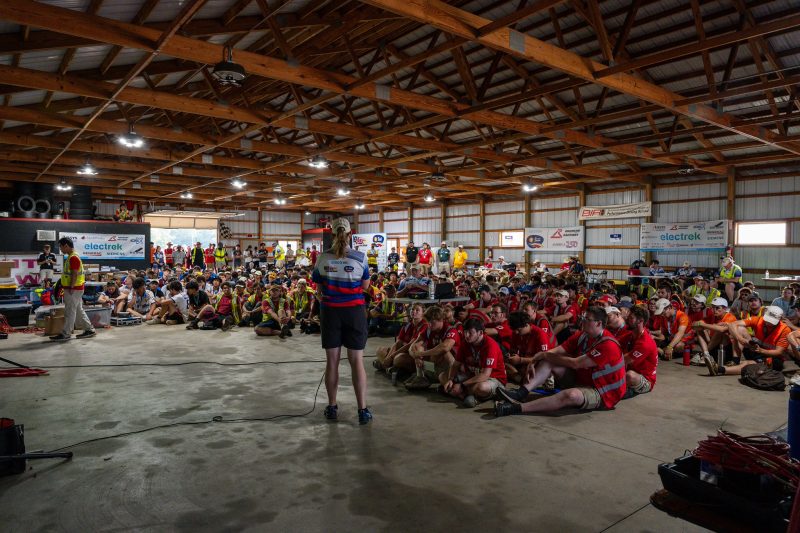
The Formula Sun Grand Prix is an annual track-style solar car race that serves as a rigorous test of endurance, electrical efficiency, and mechanical reliability. Unlike traditional circuit racing, where the primary objective is sheer velocity, FSGP challenges collegiate engineering teams to manage limited energy resources derived entirely from the sun. The 2026 event has drawn the largest field in the competition’s history, with 39 teams registered to compete. However, the path to the starting line is paved with stringent safety and technical hurdles, known in the community as "scrutineering." This multi-day inspection process ensures that every vehicle meets exacting standards for structural integrity, battery safety, and braking performance. Of the nearly 40 teams that arrived in Brainerd, only 15 successfully cleared these checks in time for the green flag on the first day of racing.
A New Chapter at Brainerd International Raceway
The move to Brainerd International Raceway represents a strategic shift for the FSGP organizers, the Innovators Educational Foundation. The track’s 3.1-mile configuration offers a complex series of turns and straights that test the aerodynamic stability of the lightweight solar vehicles. On Day 1, the primary environmental challenge was not the temperature, but the wind. Sustained crosswinds and gusts exceeding 16 mph battered the field throughout the session.
For solar cars, which are designed with ultra-low drag coefficients and minimal weight to maximize efficiency, wind is a double-edged sword. Tailwinds can provide a significant boost, reducing the energy required to maintain cruising speeds, while headwinds and crosswinds can create unpredictable handling and increased drag. Engineers on the pit wall were seen glued to telemetry monitors, advising drivers on how to "tack" or adjust their speed to maintain stability while preserving the precious watt-hours stored in their lithium-ion battery packs.
International Diversity and Global Competition
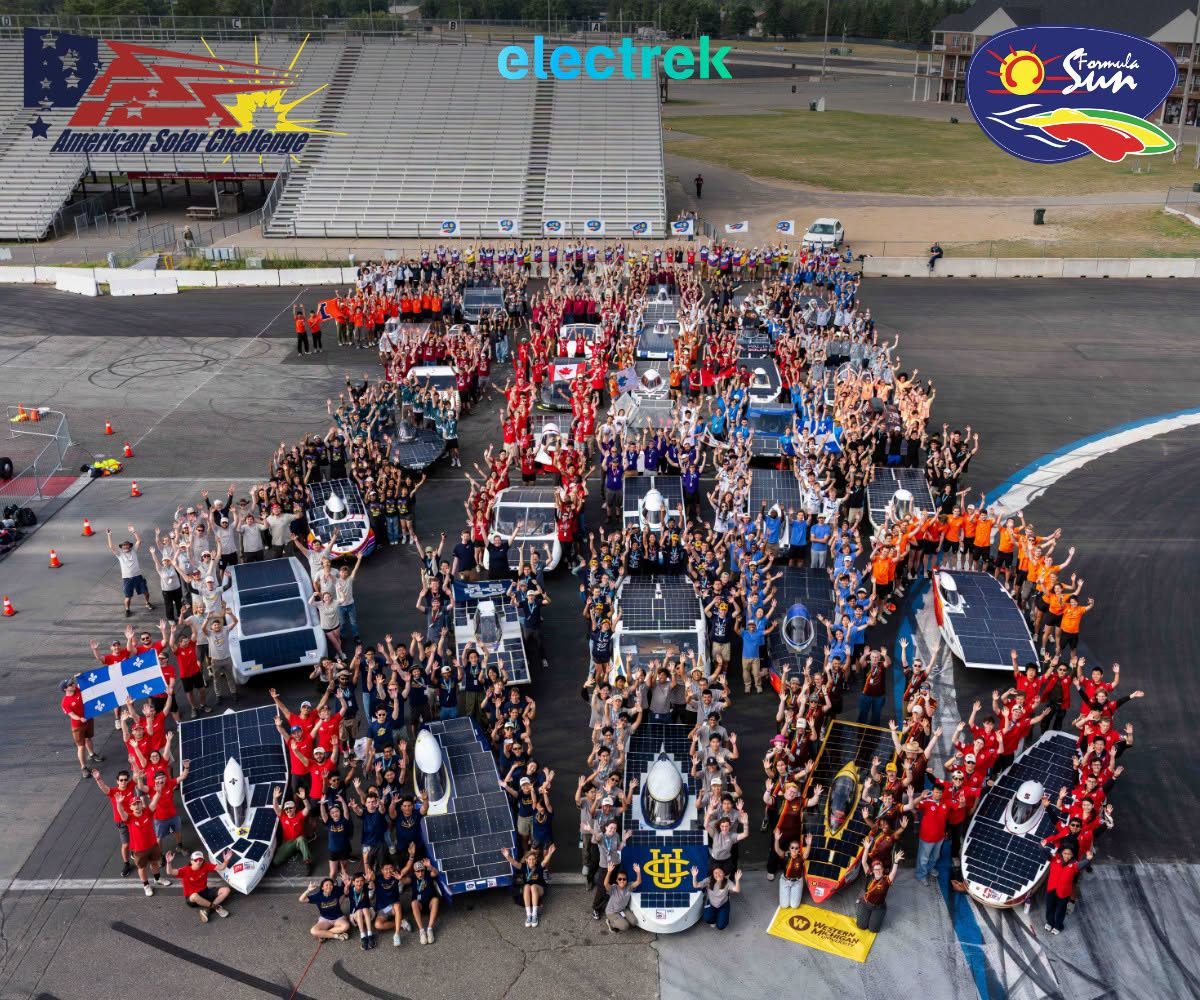
The 2026 grid is the most geographically diverse in the history of the event. While the FSGP has long been a staple for North American universities, this year saw the inclusion of elite teams from the Netherlands and Belgium, two nations with storied histories in solar racing through events like the World Solar Challenge in Australia. Their presence has elevated the technical baseline of the competition, pushing American and Canadian teams to refine their energy management strategies and aerodynamic profiles.
The participation of teams from the Netherlands and Belgium is particularly significant given their reputation for pushing the boundaries of solar cell integration and carbon-fiber chassis construction. This international exchange of ideas is a core tenet of the FSGP, fostering a collaborative environment where students from different continents share insights on battery chemistry, motor controller optimization, and embedded systems design.
Day 1 Results: Single-Occupant Vehicle (SOV) Class
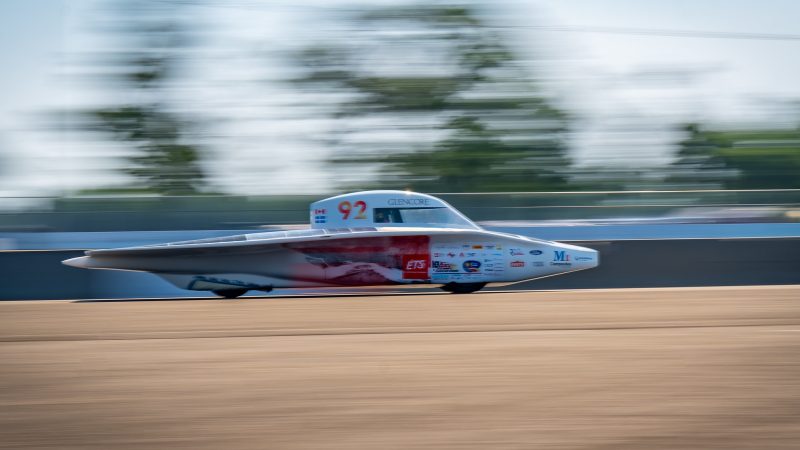
In the Single-Occupant Vehicle (SOV) class, which focuses on maximum efficiency and speed for a single driver, École de technologie supérieure (ÉTS) from Quebec, Canada, established themselves as the team to beat. By the end of the first day, ÉTS had completed a staggering 112 laps, demonstrating both the reliability of their mechanical systems and the efficiency of their solar array.
The Canadian team also claimed the fastest lap of the day, clocking in at 3:31:00. On a 3.1-mile track, this translates to an average speed of approximately 53 mph—a remarkable feat considering the vehicle is powered by the same amount of energy used to run a handheld hair dryer. Observers noted that the ÉTS vehicle exhibited exceptional poise through Brainerd’s corners, suggesting a suspension setup that was well-tuned for the track’s specific undulations.
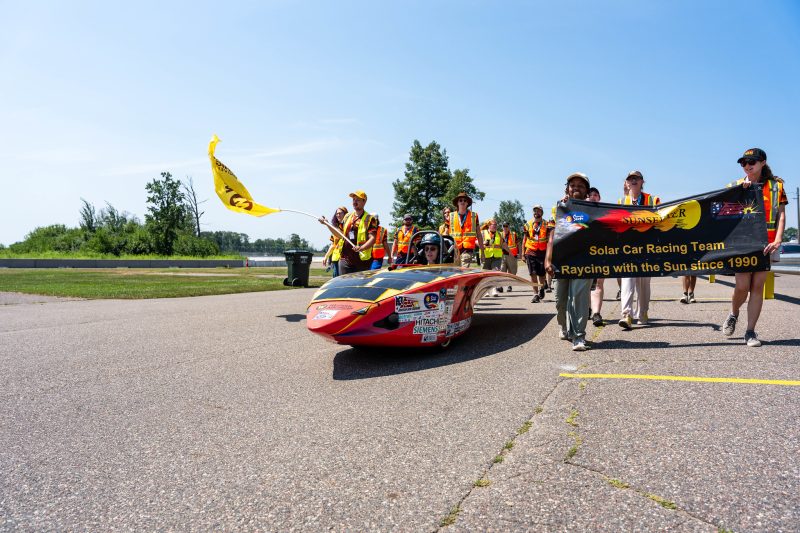
The SOV class is often seen as the "Formula 1" of solar racing, where teams prioritize weight reduction above all else. The performance of ÉTS on Day 1 sets a high bar for the remaining two days of track time, as other teams will now have to decide whether to push their batteries to the limit to catch up or maintain a conservative pace in hopes of a mechanical failure from the leader.
Day 1 Results: Multi-Occupant Vehicle (MOV) Class
The Multi-Occupant Vehicle (MOV) class, often referred to as the "Cruiser Class," represents the more practical side of solar technology. These vehicles are designed to resemble passenger cars, featuring multiple seats, doors, and cargo space. They are judged not just on speed, but on their efficiency per passenger and their overall practicality.
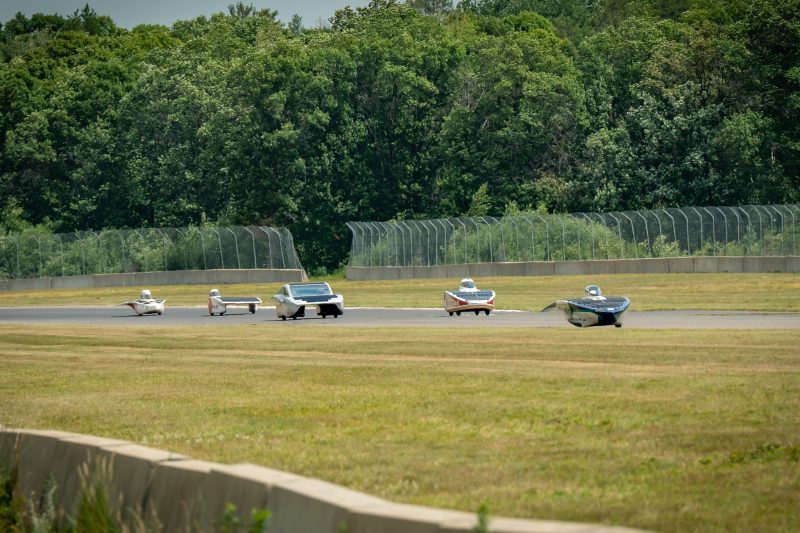
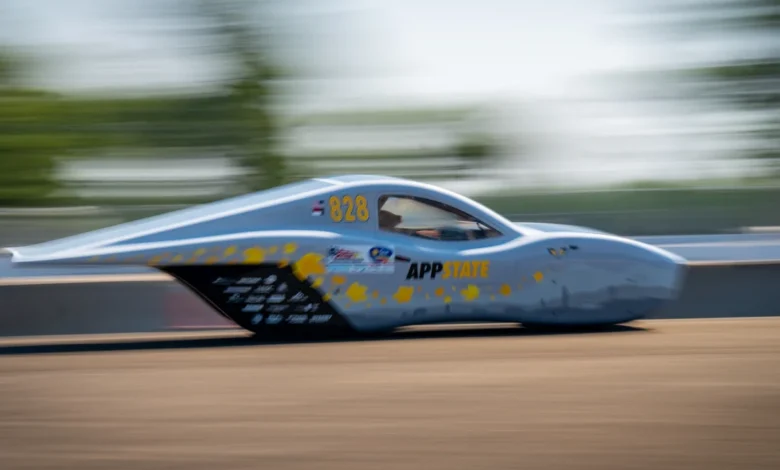
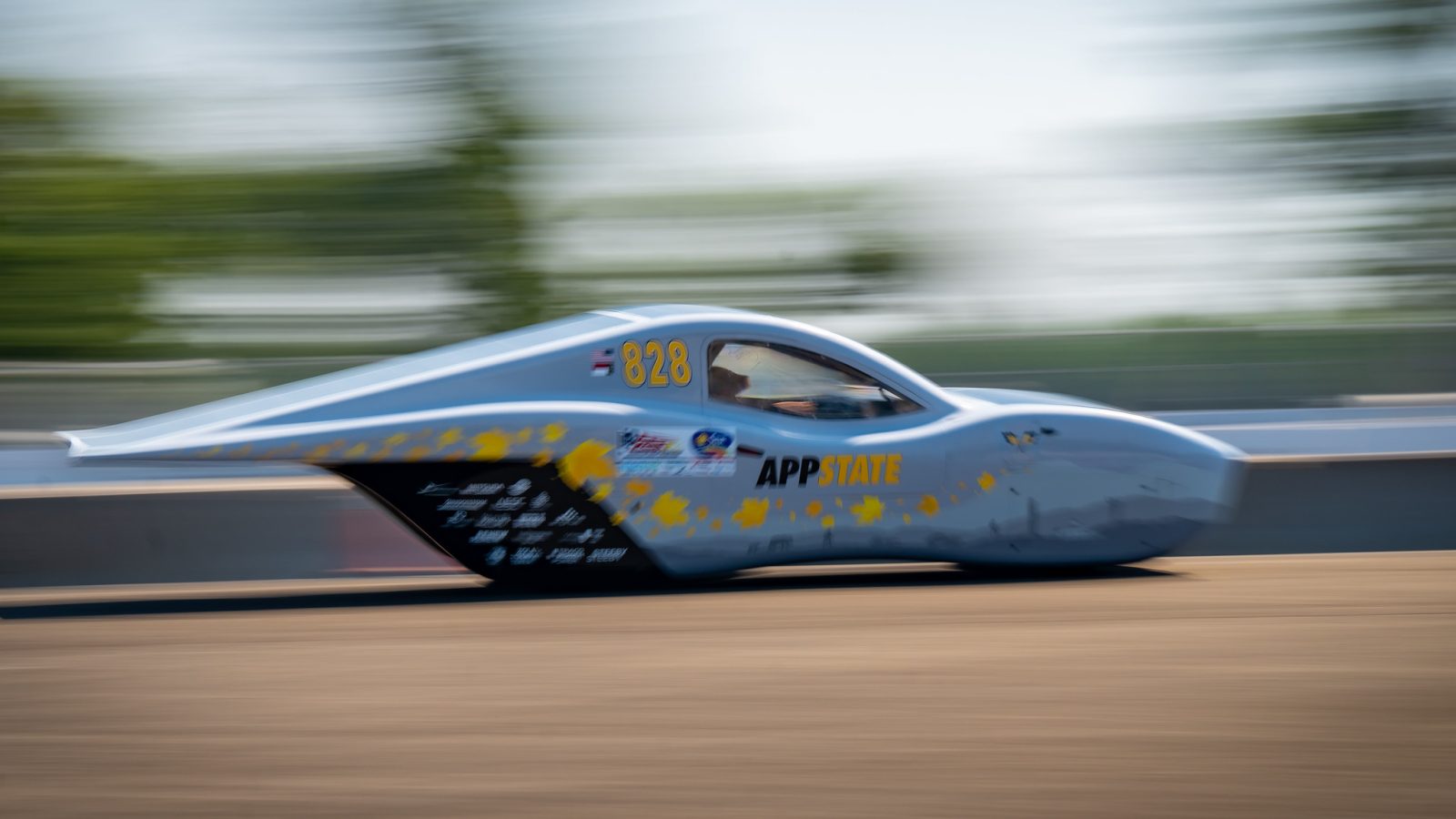
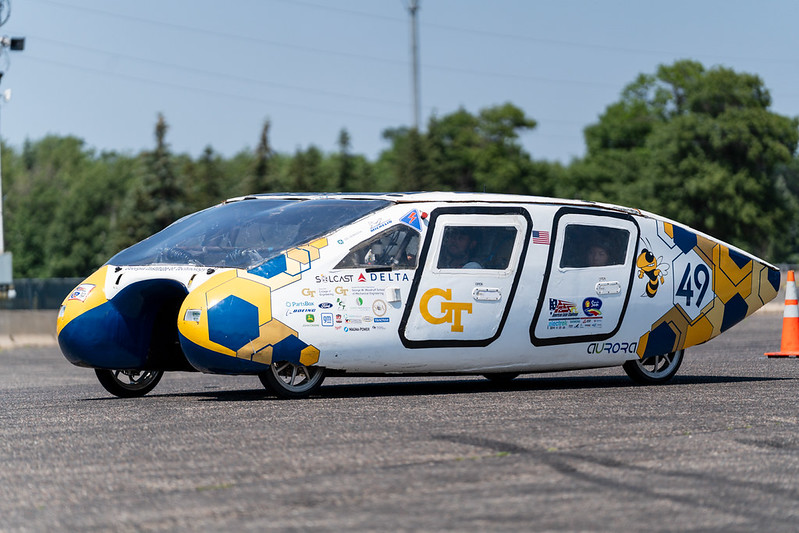
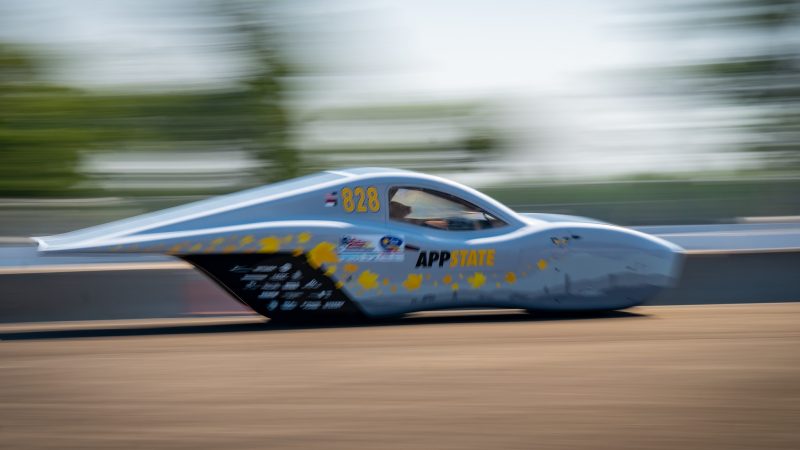
Georgia Tech emerged as the early leader in the MOV category, completing 77 laps on the first day. This performance gave them a comfortable 22-lap lead over their nearest rival, Appalachian State University, which recorded 55 laps. Despite trailing in total lap count, Appalachian State demonstrated high-end performance capability by securing the fastest lap in the MOV class with a time of 4:24, significantly faster than Georgia Tech’s best of 5:04.
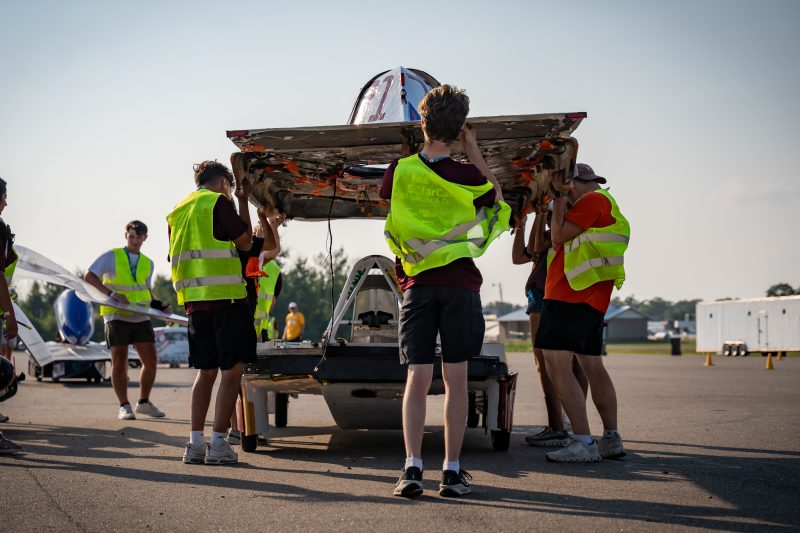
The Massachusetts Institute of Technology (MIT) had a more challenging start, ending the day with only three laps on the board. The team reportedly spent much of the day in the paddock addressing technical issues. Given MIT’s history of engineering excellence, many expect the team to rebound on Day 2. Meanwhile, several other high-profile programs, including Iowa State, the University of Minnesota, and Polytechnique Montréal, ended Day 1 without posting a scoring lap, highlighting the immense difficulty of transitioning from the workshop to a live racing environment.
The Rigors of Scrutineering and Technical Compliance
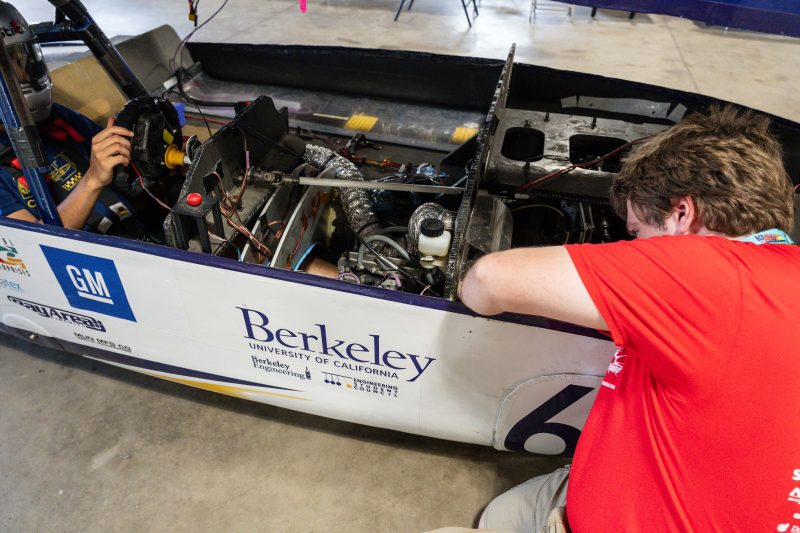
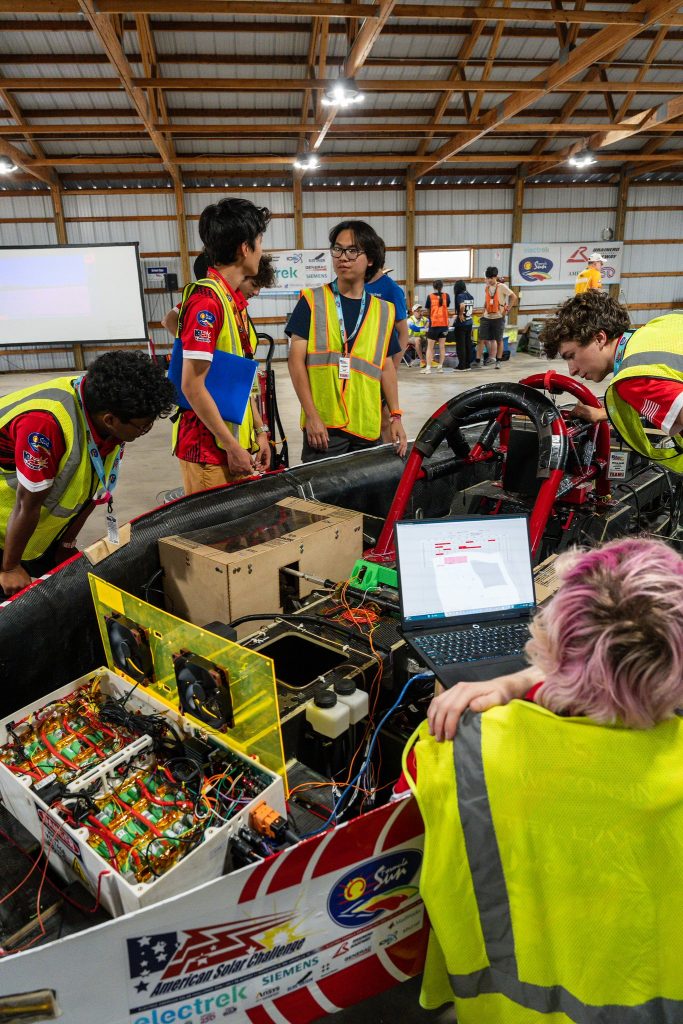
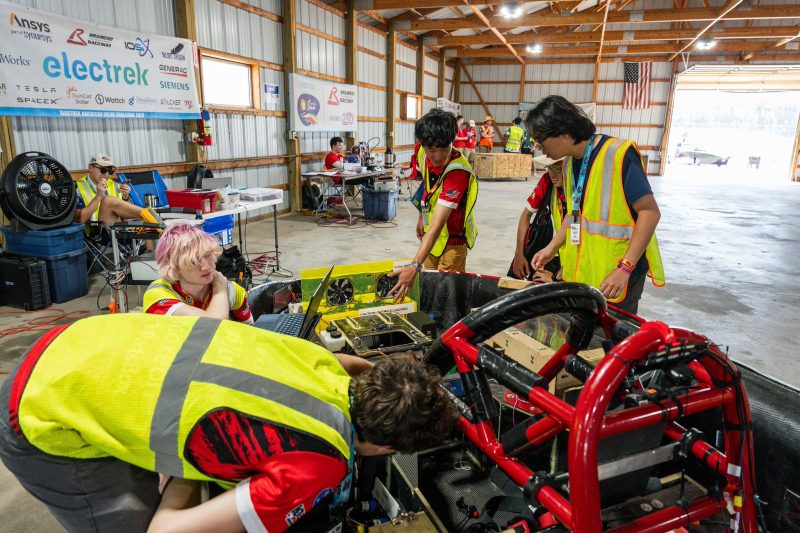
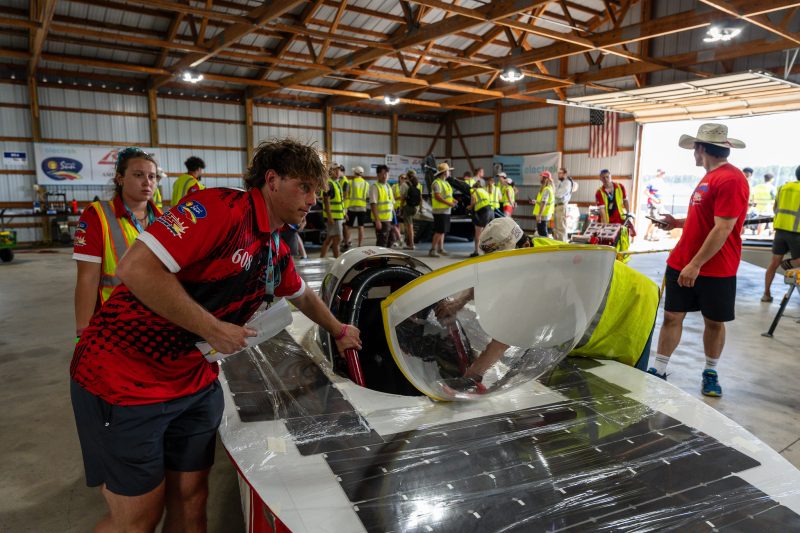
The fact that 24 teams were unable to start on Day 1 underscores the technical complexity of the FSGP. Scrutineering is a grueling process that begins days before the race. It is divided into several "stations" that vehicles must pass sequentially:
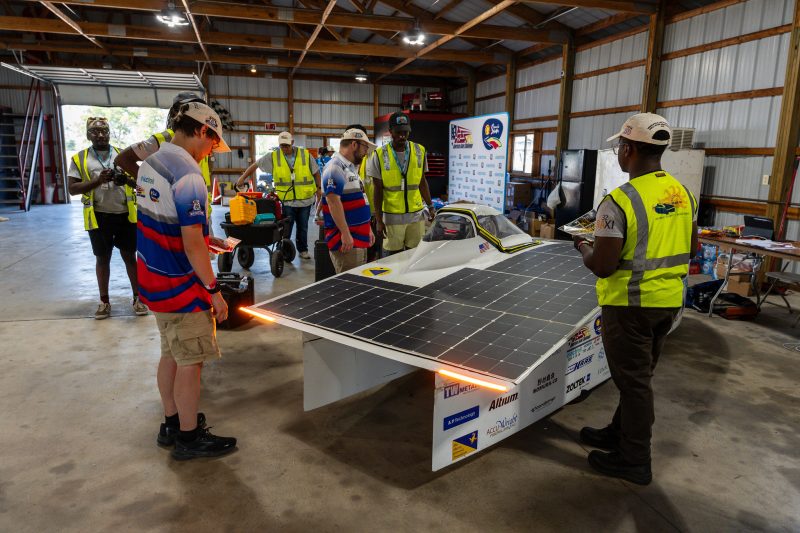
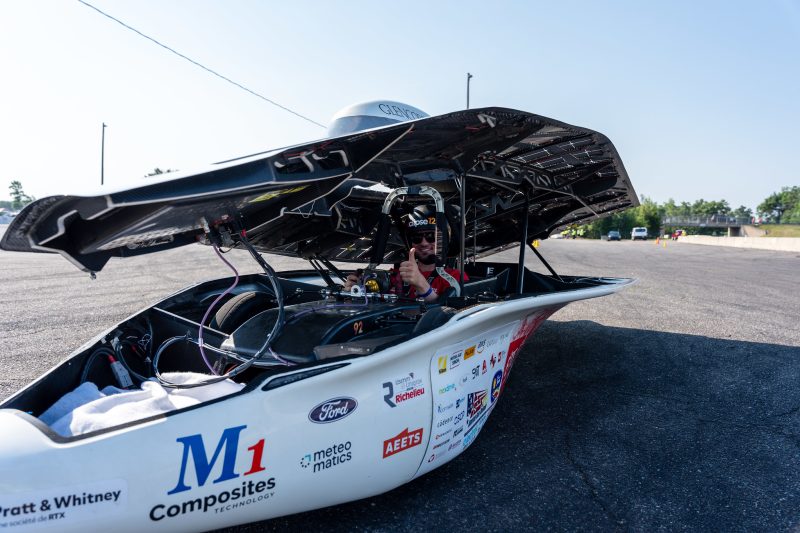
- Electrical Inspection: Judges verify that the battery protection systems (BPS) are functioning correctly. This is the most critical safety component, designed to prevent thermal runaway by monitoring the voltage and temperature of every individual cell in the battery pack.
- Mechanical Inspection: This involves a thorough check of the steering, suspension, and chassis. Vehicles must demonstrate that they can handle the structural loads of racing and provide adequate protection for the driver in the event of a rollover.
- Dynamic Testing: Before being allowed on the track, cars must pass a "slalom" test to prove stability, a braking test to ensure they can stop within a specified distance, and a "U-turn" test to verify maneuverability.
For the teams currently sidelined in the paddock, the race is against the clock to fix compliance issues and join the field for Day 2. The persistence required to overcome these hurdles is a defining characteristic of the solar racing community.
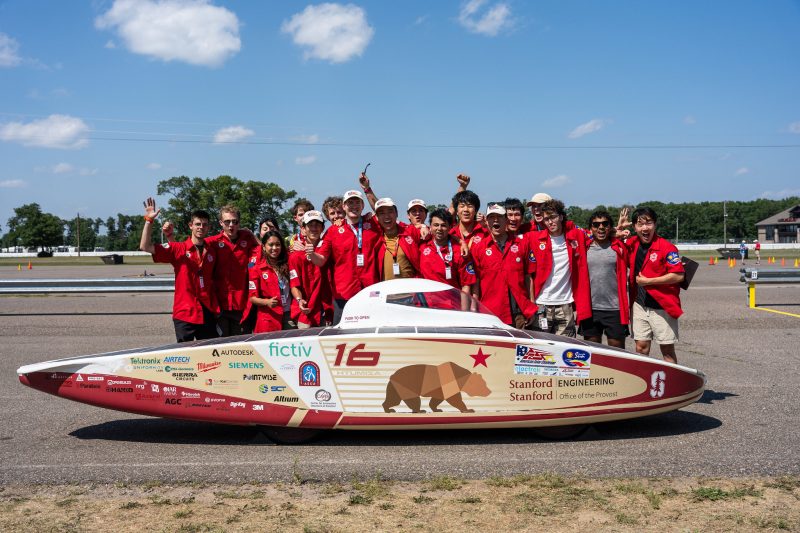
Educational Impact and Engineering Analysis
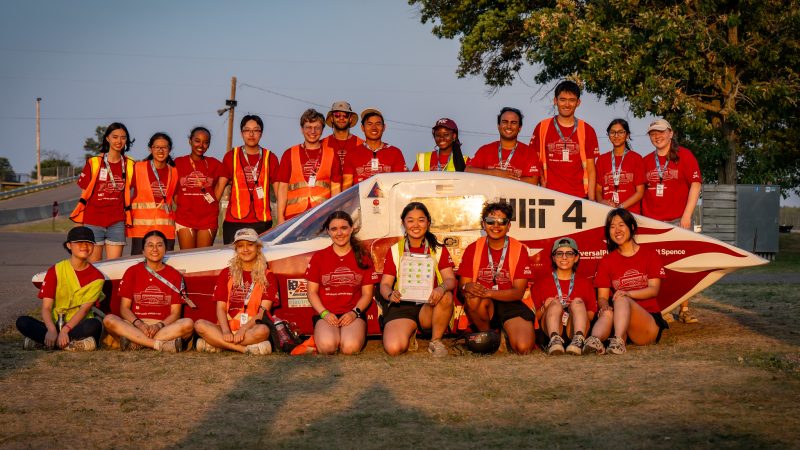
Beyond the competitive aspects, the Formula Sun Grand Prix serves as a premier educational platform. The students participating in this event are essentially running a small-scale automotive start-up. They are responsible for fundraising, project management, supply chain logistics, and, most importantly, advanced engineering.
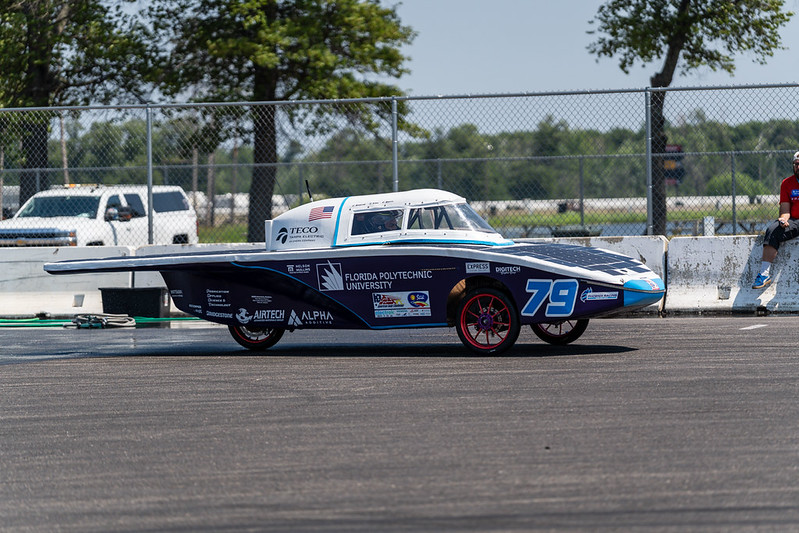
The 2026 event highlights several emerging trends in solar vehicle design. Many teams have moved toward "bridge" designs—catamaran-style hulls that minimize the frontal area to reduce aerodynamic drag. In the MOV class, there is an increasing focus on using high-efficiency silicon cells and sophisticated power point trackers (MPPTs) that can extract the maximum possible energy from the solar array even under cloudy or shifting light conditions.
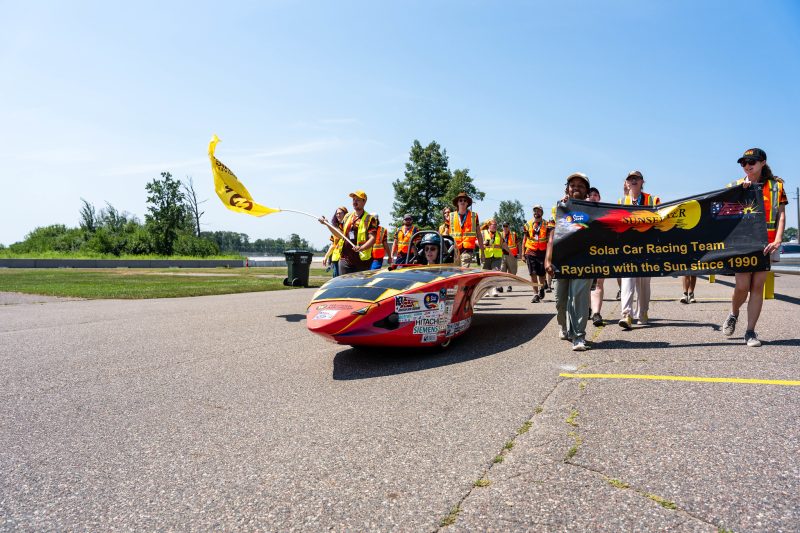
The data gathered during the FSGP is often used by students in their senior capstone projects or master’s theses. The real-world application of power electronics, composite materials, and telemetry systems provides these students with a level of experience that is highly sought after by employers in the aerospace, renewable energy, and electric vehicle industries.
Broader Implications and Future Outlook
The success of the first day of the FSGP 2026 at Brainerd International Raceway is a testament to the growing viability of solar-assisted electric vehicles. While fully solar-powered cars for daily commuting remain a long-term goal, the technologies being refined on this track—such as ultra-efficient motors and lightweight structural materials—are already finding their way into the broader automotive market.
As the competition moves into Day 2 and Day 3, the focus will shift from initial speed to long-term endurance. Solar racing is a game of patience and strategy; a team that pushes too hard in the morning may find themselves with a "dead" battery by mid-afternoon, forced to sit and charge while their competitors slowly lap them.
The final results of the FSGP will also determine the starting grid for the American Solar Challenge (ASC), a cross-country endurance rally that will follow the track event. For many teams, the goal of this week is simply to prove their vehicle’s reliability and secure a spot in the ASC, which represents the ultimate test of solar-powered transportation.
With two days of racing remaining, the leaderboard is far from settled. The engineering teams in the Brainerd paddock will be working through the night, analyzing telemetry data from Day 1 and making the necessary adjustments to their vehicles and strategies. The wind is expected to remain a factor, and the battle between the established powerhouses and the international newcomers is set to intensify. The Formula Sun Grand Prix 2026 has already delivered on its promise of record-breaking participation and technical drama, setting the stage for a landmark year in the history of sustainable motorsport.
Related posts: