Cucumber Salad with Sesame and Rice Vinegar Takes Center Stage in Summer Culinary Trend

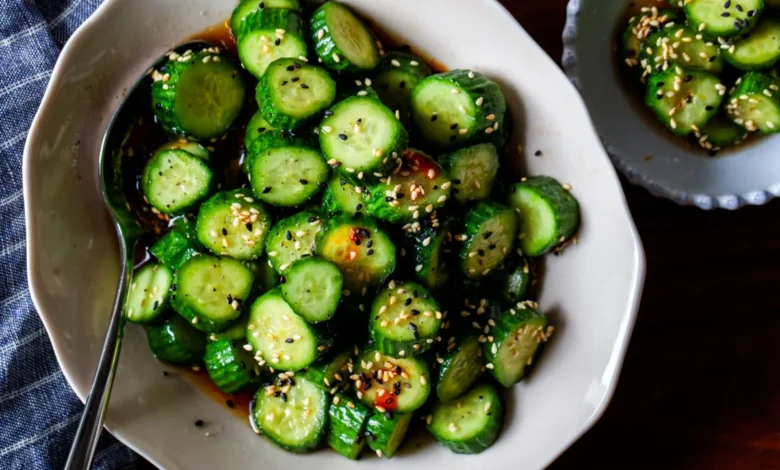
The culinary landscape is experiencing a notable shift toward minimalist, highly accessible side dishes, brought to light by the recent popularization of a sesame-and-rice-vinegar cucumber salad reminiscent of traditional Japanese sunomono. Despite cucumbers being a foundational household staple consumed globally on a regular basis, professional culinary archives and recipe databases have historically underrepresented standalone cucumber dishes in favor of more complex, multi-ingredient preparations. This recent spotlight highlights a broader gastronomic movement favoring quick, hydrating, and low-preparation side dishes designed to combat elevated seasonal temperatures.
Main Facts and Culinary Background
The highlighted dish relies on a streamlined preparation method that diverges slightly from traditional Japanese sunomono, which typically incorporates sugar alongside rice vinegar to marinate raw vegetables or seafood. In this widely adopted variation, the sugar is omitted, and the slicing approach emphasizes thicker cuts of cucumbers. A crucial step in the preparation involves a brief salting process, lasting anywhere from ten minutes to two hours, which leverages osmotic pressure to draw out excess moisture from the cellular structure of the cucumbers. This moisture deficit allows the vegetable to more efficiently absorb subsequent dressings composed of rice vinegar, toasted sesame oil, soy sauce, and complementary seasonings such as chili oil and toasted sesame seeds.

From a nutritional and logistical perspective, the dish aligns with current consumer demands for meals that require minimal active cooking time, particularly during summer heat waves. Cucumbers boast a high water content—approximately 95 percent—making them exceptionally hydrating. Furthermore, their neutral flavor profile enables them to pair seamlessly with a wide variety of global cuisines, most notably acting as a cooling counterweight to heavy, spicy, or fried foods such as stir-fries, noodle dishes, and potstickers.
Chronology and Evolution of the Trend
The integration of quick-pickled cucumber salads into Western home cooking has evolved over the past two decades alongside the broader globalization of Asian pantry staples. While traditional vinegar-based cucumber preparations have centuries-old roots in various East Asian culinary traditions, their modern popularity in Western domestic kitchens has accelerated due to digital food media, recipe blogs, and social media platforms.
The timeline of this specific recipe’s prominence correlates with seasonal temperature spikes over recent years. As heat waves have become more frequent and prolonged during the summer months, home cooks have increasingly sought out "no-cook" or low-heat meal components. The recent push to document and formalize a recipe that was previously treated as an intuitive, unstructured weeknight staple marks a transition from casual kitchen improvisation to standardized home cooking practices.

Supporting Data and Market Relevance
Statistical trends in home cooking and grocery retail reflect a steady, high demand for fresh produce, with cucumbers consistently ranking among the top-selling fresh vegetables year-round. According to agricultural and retail data, consumption spikes significantly during the summer months when locally grown varieties become widely available at accessible price points.
Nutritional science supports the functional appeal of high-water-density vegetables during periods of high heat. Electrolyte balance and hydration maintenance are critical public health considerations during extreme weather events. While cucumber salads do not replace specialized hydration solutions, their inclusion in daily diets contributes to overall fluid intake. Additionally, the affordability of cucumbers makes nutrient-dense side dishes accessible across various demographic groups, reinforcing their status as a resilient grocery staple amid broader economic fluctuations and food price inflation.
Community Initiatives and Ancillary Programs
In tandem with the culinary focus on seasonal home cooking, related community support initiatives have gained momentum within the digital spaces surrounding food publication platforms. A prominent example is the annual Classroom Wishlist Project, a crowdsourced philanthropic effort designed to supply educators with essential classroom materials—such as books, writing instruments, and organizational supplies—ahead of the academic year.

Initiatives of this nature rely on decentralized community participation, encouraging individuals to support local schools or educational environments tied to their personal histories. Data from similar charitable drives indicate that small-scale, direct-to-classroom donations efficiently bridge resource gaps in public education systems, alleviating out-of-pocket expenses for teachers who frequently purchase supplies independently. The alignment of seasonal food content with educational fundraising demonstrates a growing trend among digital platforms to leverage engaged audiences for social impact.
Broader Impact and Industry Implications
The widespread embrace of simplified, vinegar-marinated vegetable dishes signals a broader shift in consumer preferences toward functional, efficient, and health-conscious food preparation. As lifestyle demands continue to constrain the time available for complex meal preparation, recipes that require minimal specialized equipment and short resting times are expected to maintain high engagement across culinary media.
Furthermore, the emphasis on make-ahead capabilities—such as the ability of vinegar-based cucumber salads to safely marinate and improve in flavor profile over two to three days in refrigeration—addresses consumer desires to reduce food waste and streamline meal planning. From a public health and culinary education perspective, the demystification of basic preservation techniques, such as light salting and quick pickling, empowers home cooks to experiment with raw ingredients without relying on heavily processed convenience foods. As global climate patterns continue to influence seasonal eating habits, refreshing, plant-forward side dishes are anticipated to remain a cornerstone of modern domestic menus.