Toyota Issues Safety Recall for Approximately 10,000 Electric C-HR Crossovers Due to Software Glitch Causing Sudden Power Loss


Toyota Motor Corporation has announced a safety recall affecting approximately 10,000 all-electric Toyota C-HR vehicles in North America. The campaign has been initiated to address a critical software anomaly within the electric crossover’s regenerative braking system that can potentially lead to an unexpected and sudden loss of motive power while the vehicle is in motion.
The recall specifically targets select units of the 2026 model-year Toyota C-HR EV. As automakers accelerate their transitions toward comprehensive vehicle electrification, software-defined components have increasingly become central to both vehicle performance and safety compliance. This particular technical hurdle represents the first major software-related recall for the C-HR EV since the model was introduced to the North American market earlier this year.
Background and Context of the Toyota C-HR EV Launch
The all-electric Toyota C-HR occupies a strategic position within the Japanese automaker’s expanding portfolio of battery-electric vehicles (BEVs) for the North American market. Sitting alongside the revised bZ series and the rugged bZ Woodland, the C-HR EV was designed to offer consumers a smaller, more dynamically styled, and sportier alternative to Toyota’s inaugural mass-market electric SUV.
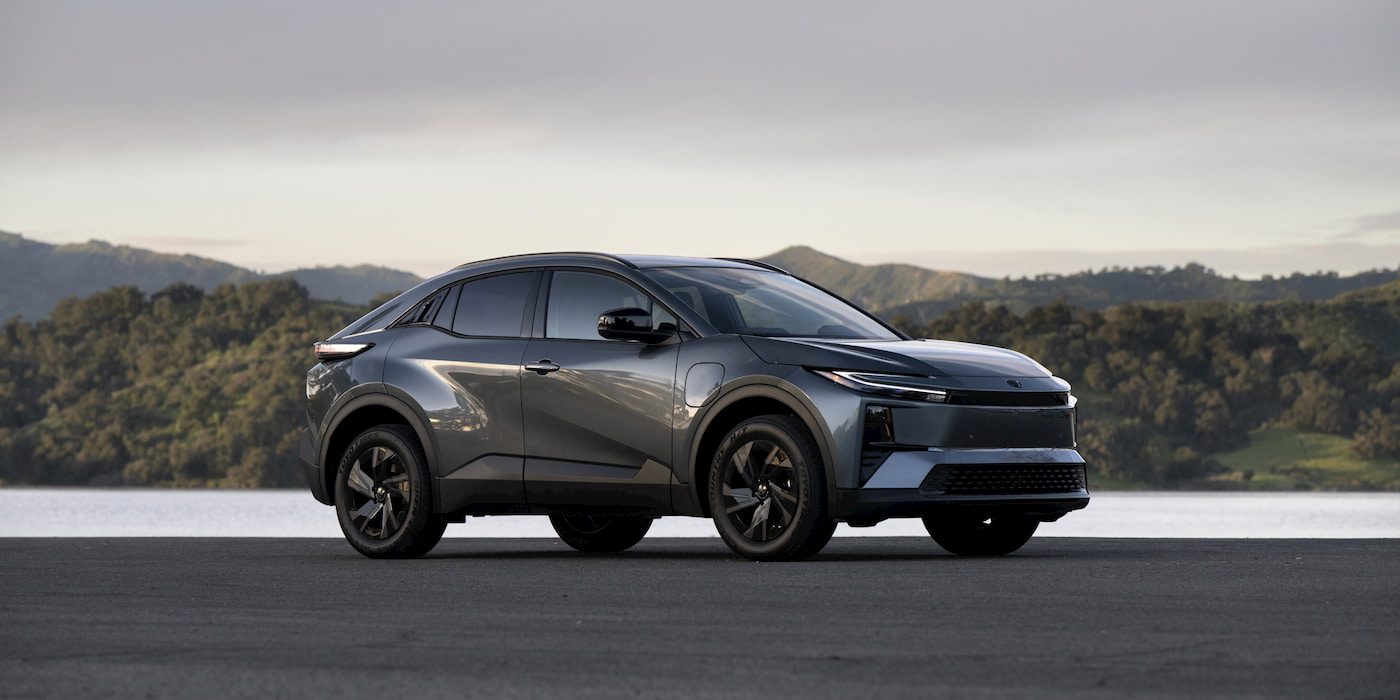
Launched earlier this year with a starting manufacturer’s suggested retail price (MSRP) of approximately $37,000, the C-HR EV quickly garnered attention for its aggressive design language, modern cabin layout, and competitive pricing structure. Despite receiving a promising commercial reception from consumers looking for accessible urban electric mobility, this sudden software glitch highlights the complex engineering challenges traditional original equipment manufacturers (OEMs) face as they pivot from mechanical powertrains to deeply integrated, software-managed electric architectures.
Chronology of the Recall and Technical Root Cause
According to initial technical briefings provided by the manufacturer, the underlying defect stems from a specific software calibration within the vehicle’s electronic control unit (ECU) governing battery management and regenerative braking.
Under precise driving scenarios—most notably when the high-voltage lithium-ion battery pack is operating at or near full state-of-charge capacity—the vehicle’s regenerative braking system attempts to capture and feed kinetic energy back into the battery. Due to the software glitch, the system can inadvertently overcharge the high-voltage battery cell arrays beyond safe operational parameters.
When the vehicle’s onboard diagnostic and protection algorithms detect this overcharged state, a fail-safe protocol is triggered to protect the battery hardware from catastrophic thermal events or permanent degradation. This protective measure results in the complete shutdown of the electric drive system. For drivers on the road, this protective interruption manifests as an immediate and unexpected loss of motive power, creating a potentially hazardous situation in fast-moving traffic.

Toyota engineering teams have developed a software patch to rectify the ECU calibration error. To resolve the issue, affected vehicle owners will be instructed to bring their crossovers to an authorized Toyota dealership. Certified technicians will then update the battery ECU software free of charge, recalibrating the thresholds governing regenerative braking and energy recuperation under high state-of-charge conditions.
Official Response and Notification Timeline
Toyota has structured a formal communication plan to reach impacted consumers efficiently. Official notification letters are scheduled to be mailed to registered owners of the affected 2026 model-year C-HR EVs in early November 2026.
At the time of this report, the official safety recall notice is still being processed and has not yet been fully indexed on the National Highway Traffic Safety Administration (NHTSA) official recalls database, meaning detailed public docket filings remain sparse. However, federal filings are anticipated to be published concurrently with the launch of the owner notification campaign.
In the interim, Toyota has established multiple channels for concerned vehicle owners to verify whether their specific automobile is included in the campaign. Customers can reach out directly to the Toyota Brand Engagement Center by calling 1-800-331-4331. Additionally, consumers can utilize the online VIN lookup tool hosted at Toyota.com/recall, or monitor the federal registry via nhtsa.gov/recalls once the docket goes live.
Potential Global Implications and Overseas Markets
While the current recall order is officially restricted to North American markets, industry analysts and automotive watchdogs are closely monitoring whether the campaign will expand internationally.
The electric C-HR is sold in several overseas territories, including the United Kingdom and continental Europe, where it is marketed under the moniker Toyota C-HR+. Aside from minor regional nomenclature, stylistic adjustments, and regulatory compliance markers, the powertrain, battery architecture, and software systems utilized in the European C-HR+ are fundamentally identical to those found in the North American C-HR EV. Consequently, automotive experts suggest that regulatory bodies in Europe and the UK may soon issue parallel safety directives or localized service campaigns to address the exact same regenerative braking software vulnerability.
Furthermore, the timing of this recall coincides with the commercial rollout of subsequent iterations, such as the recently announced 2027 Toyota C-HR lineup. Toyota has confirmed that the ongoing safety recall is strictly limited to the 2026 model-year vehicles. The newly released 2027 model-year inventory incorporates updated manufacturing parameters and factory software revisions designed to prevent the recurrence of the battery overcharging phenomenon.
Industry Implications of Software-Driven Vehicle Recalls
The necessity for a software-only recall underscores a broader paradigm shift within the global automotive industry. Modern electric vehicles rely heavily on complex lines of code to manage everything from thermal regulation and power distribution to autonomous driving assists and braking feedback loops.

As automotive engineering becomes increasingly software-dependent, manufacturers face dual pressures: the need to rapidly innovate and deploy new digital features, and the imperative to ensure absolute safety and reliability in mission-critical systems like steering, braking, and powertrain propulsion.
For legacy automakers like Toyota, which have historically excelled in mechanical reliability and traditional manufacturing quality control, mastering over-the-air (OTA) update infrastructure and rigorous pre-market software validation is paramount. While the current C-HR EV remediation requires a physical visit to a dealership service department for an ECU flash, the incident highlights why automakers are heavily investing in robust OTA capabilities to resolve software-based anomalies seamlessly without inconveniencing consumers.
As the November 2026 notification window approaches, industry observers will monitor how swiftly Toyota can remediate the affected fleet of 10,000 vehicles and whether consumer confidence in the brand’s expanding electric vehicle lineup remains resilient. Vehicle owners are advised to utilize the provided online portals and customer service hotlines to confirm their vehicle status and schedule necessary software updates promptly.
Related posts: