Selecting the appropriate smartwatch as a gift in 2026 requires navigating a mature marketplace where device ecosystem integration is the primary determinant of functionality. With the release of advanced iterations from major tech conglomerates—including Apple, Google, and Samsung—the decision-making process has shifted from simple hardware comparisons to an analysis of software compatibility and user-specific needs. As of September 2026, the industry is defined by high-fidelity health tracking, AI-driven wellness analytics, and extended battery performance, necessitating a strategic approach to purchasing.
The Landscape of the 2026 Wearables Market
The global wearable technology sector has undergone a significant transformation over the past five years. Following the release of watchOS 27 and the integration of advanced generative AI models into wrist-based operating systems, smartwatches have evolved from mere notification mirrors into sophisticated diagnostic tools. Current market trends emphasize "Readiness" scores—a composite metric that uses heart rate variability, sleep quality, and physiological exertion to guide daily activity levels.
Data from industry analysts indicates that consumer preference is increasingly split between "lifestyle" devices, which prioritize seamless connectivity with smartphones, and "specialized" devices, which cater to endurance athletes through superior battery efficiency and ruggedized hardware.
Apple Watch Ecosystem: Strategic Tiers
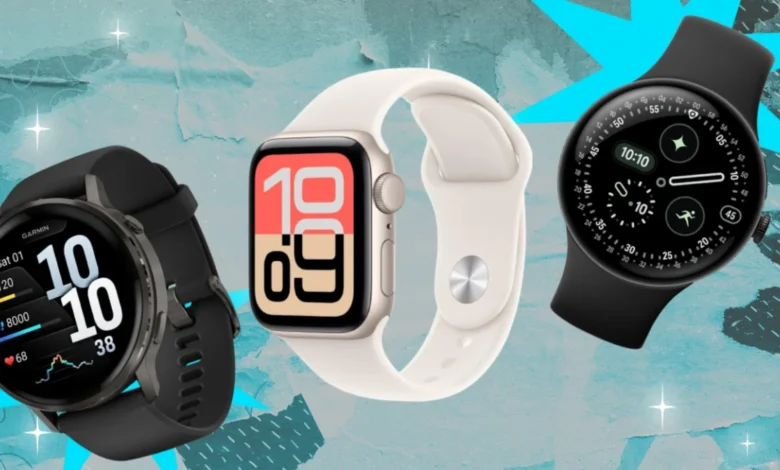
Apple continues to dominate the premium segment with a bifurcated product strategy. The Apple Watch Series 12 and Ultra 4 represent the high end of the spectrum, while the Apple Watch SE 3 occupies the entry-level tier.
The Apple Watch SE 3 serves as the most versatile gift option for the average user. Despite being positioned as an entry-level device, it is powered by the S10 processor, which remains highly capable of supporting the latest iterations of Apple Intelligence. The device includes essential health metrics—such as cycle tracking, heart rate monitoring, and sleep analysis—without the redundancy of high-end features like blood oxygen saturation sensors or hypertension alerts. For the general consumer, the SE 3 provides the essential utility of the Apple ecosystem, including fast-charging capabilities that offer a 0% to 80% charge in 45 minutes, ensuring the device remains functional throughout the day.
Conversely, the Apple Watch Ultra 4 is engineered specifically for athletes and users in extreme environments. Replacing the Ultra 3, the 2026 model introduces the S11 chip and a battery rated for 50 hours of continuous operation. The hardware includes a 3,000-nit display and a comprehensive health-sensing suite. The institutional decision to prioritize the Ultra 4 over its predecessor reflects a broader industry trend toward hardware scarcity in older generations, making the newer model the most reliable gift for those requiring durability, cellular independence, and advanced biometric tracking.
Google Pixel Watch: Integration for Android Users
Google’s strategy for the Pixel Watch 4 centers on the synergy between the Pixel smartphone hardware and the Gemini AI suite. While the Pixel Watch 5 has recently entered the market, the Pixel Watch 4 remains a compelling value proposition.
The Pixel Watch 4 features a Snapdragon W5 Gen 2 processor, 2GB of RAM, and 32GB of storage. Its dual-band GPS and emergency satellite connectivity make it a robust choice for safety-conscious users. Notably, Google has ensured that software-defined features—such as Workout Builder and Health Guardian—are cross-compatible with the Pixel Watch 4, effectively neutralizing the hardware-based upgrade gap that often characterizes annual smartphone releases. The implications of this are significant: gift-givers can provide a high-end experience without the price premium associated with the latest model, provided the recipient is already integrated into the Google/Android ecosystem.

Samsung Galaxy Watch 8: The Samsung Synergy
For users of Samsung Galaxy smartphones, the Galaxy Watch 8 offers a tailored experience that integrates directly with the Samsung Health platform. Utilizing the Exynos W1000 chip, the watch provides a high-performance experience with an AMOLED display capable of 3,000 nits of brightness.
The Galaxy Watch 8 distinguishes itself through specialized health metrics, including sleep apnea tracking and a unique "Energy Score." While Samsung has introduced the Galaxy Watch 9, the market consensus suggests that the incremental hardware improvements in the newer model do not necessarily outweigh the price-to-performance ratio of the Watch 8 for the average user. The device remains a centerpiece of the Android ecosystem, allowing users to leverage Google Gemini for on-wrist assistance while maintaining the specific health-tracking architecture that defines Samsung’s user base.
Garmin Venu 4: The Athlete’s Choice
For consumers whose primary requirement is athletic performance tracking, the Garmin Venu 4 remains the industry benchmark. Unlike Apple or Samsung, Garmin’s design philosophy prioritizes hardware battery efficiency and granular fitness data over smartphone-centric features.
The Venu 4 stands out due to its industry-leading battery life, which spans up to 12 days depending on the display settings—a stark contrast to the 24- to 48-hour cycles typical of general-purpose smartwatches. The device captures heart rate data at one-second intervals, providing a level of precision that is often critical for professional and amateur athletes.
However, there is a notable divergence in compatibility: while the Venu 4 operates with both iOS and Android, the experience is optimized for Android, which allows for advanced messaging capabilities. Apple users, conversely, face limitations in notification interaction. This trade-off is a critical consideration for gift-givers: the Garmin is the superior choice for those who value data-driven fitness, but the Apple Watch or Pixel Watch remain superior for those who prioritize daily productivity and communication.
Broader Implications and Market Analysis
The landscape of wearable technology in 2026 suggests a period of consolidation. The "upgrade cycle" for smartwatches has slowed significantly, as processors have become powerful enough to handle basic AI tasks without requiring annual hardware refreshes. This shift benefits the consumer, as older models—such as the Apple Watch SE 3, Pixel Watch 4, and Galaxy Watch 8—continue to receive software support that maintains their relevance in the current market.
From a market analysis perspective, manufacturers are shifting their value proposition from hardware specs to software services. Features such as "Readiness" scores, health coaching, and AI-driven notifications are now the primary drivers of consumer retention. Consequently, the act of gifting a smartwatch in 2026 is less about buying the newest model and more about selecting the correct digital environment for the recipient.
Chronology of 2026 Wearable Advancements
- January 2026: Introduction of watchOS 26 and 27, enabling deeper integration of AI-assisted health diagnostics.
- March 2026: Release of the Samsung Galaxy Watch 8 series, focusing on health-centric AI and energy metrics.
- June 2026: Launch of the Garmin Venu 4, highlighting extreme battery longevity and high-frequency pulse monitoring.
- September 2026: Release of Apple Watch Series 12, Ultra 4, and Google Pixel Watch 5, focusing on S11 and W5 Gen 2 chip enhancements, respectively.
Conclusion: Making the Right Choice
When selecting a smartwatch as a gift, the primary factor is the smartphone the recipient currently uses. An Apple Watch will remain the optimal choice for an iPhone user, while a Pixel or Galaxy watch is essential for those within the respective Android ecosystems. For the athlete who demands performance metrics over convenience, the Garmin Venu 4 remains the premier choice. By focusing on the ecosystem rather than the latest marketing cycle, consumers can ensure their gift provides long-term value, functionality, and health insights throughout 2026 and beyond.