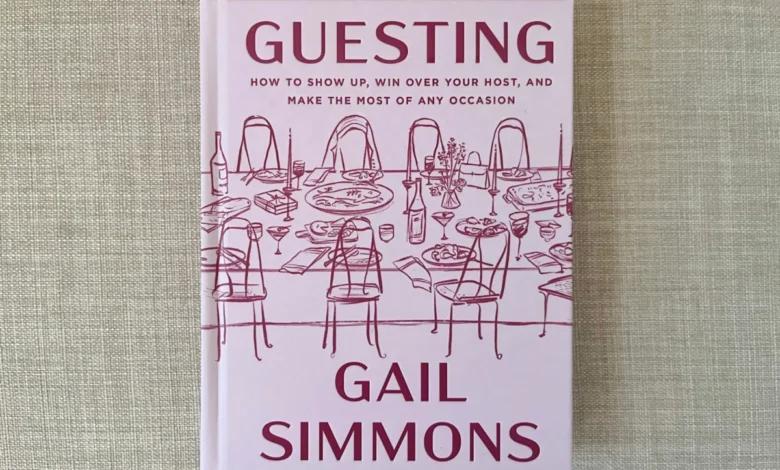
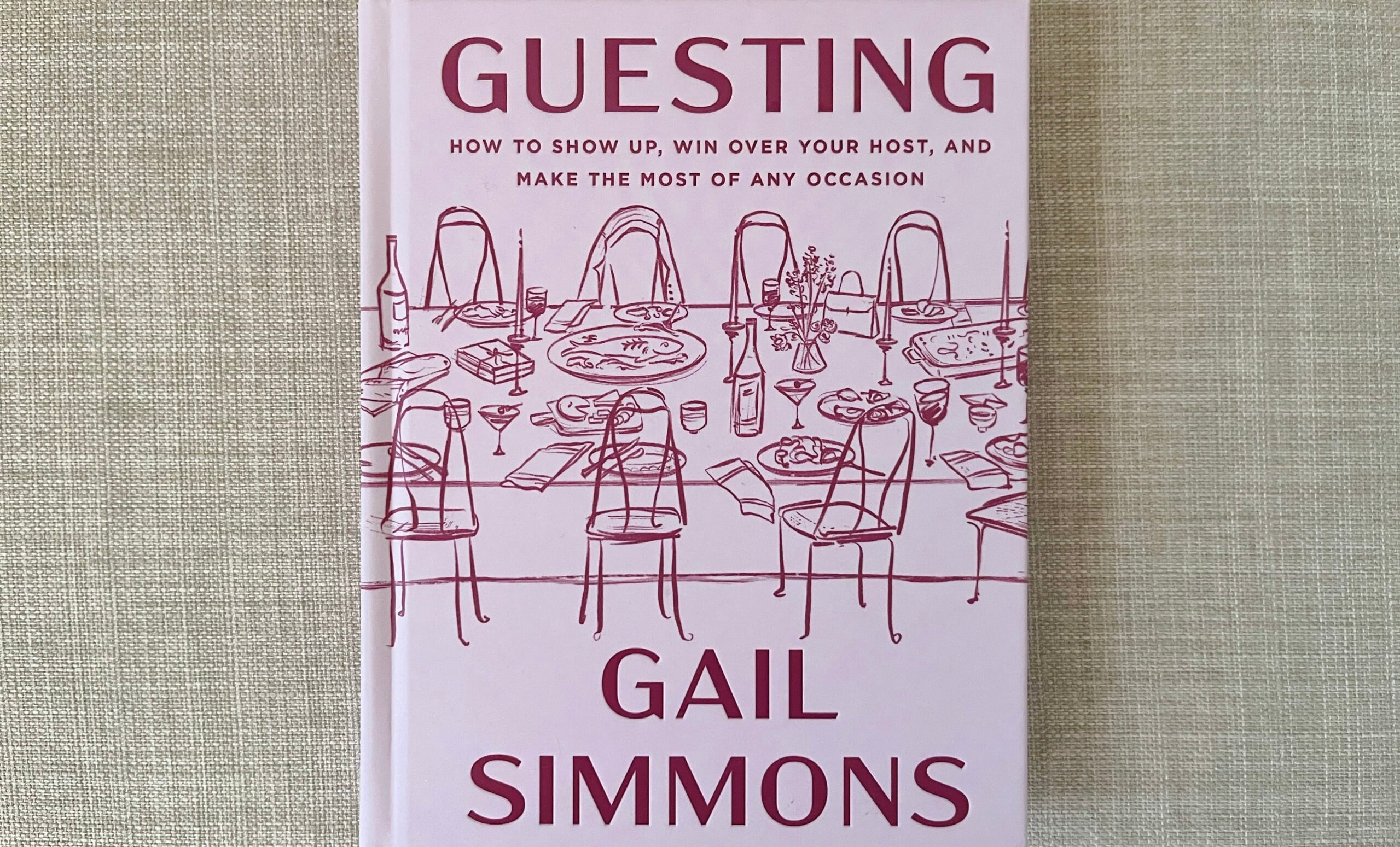
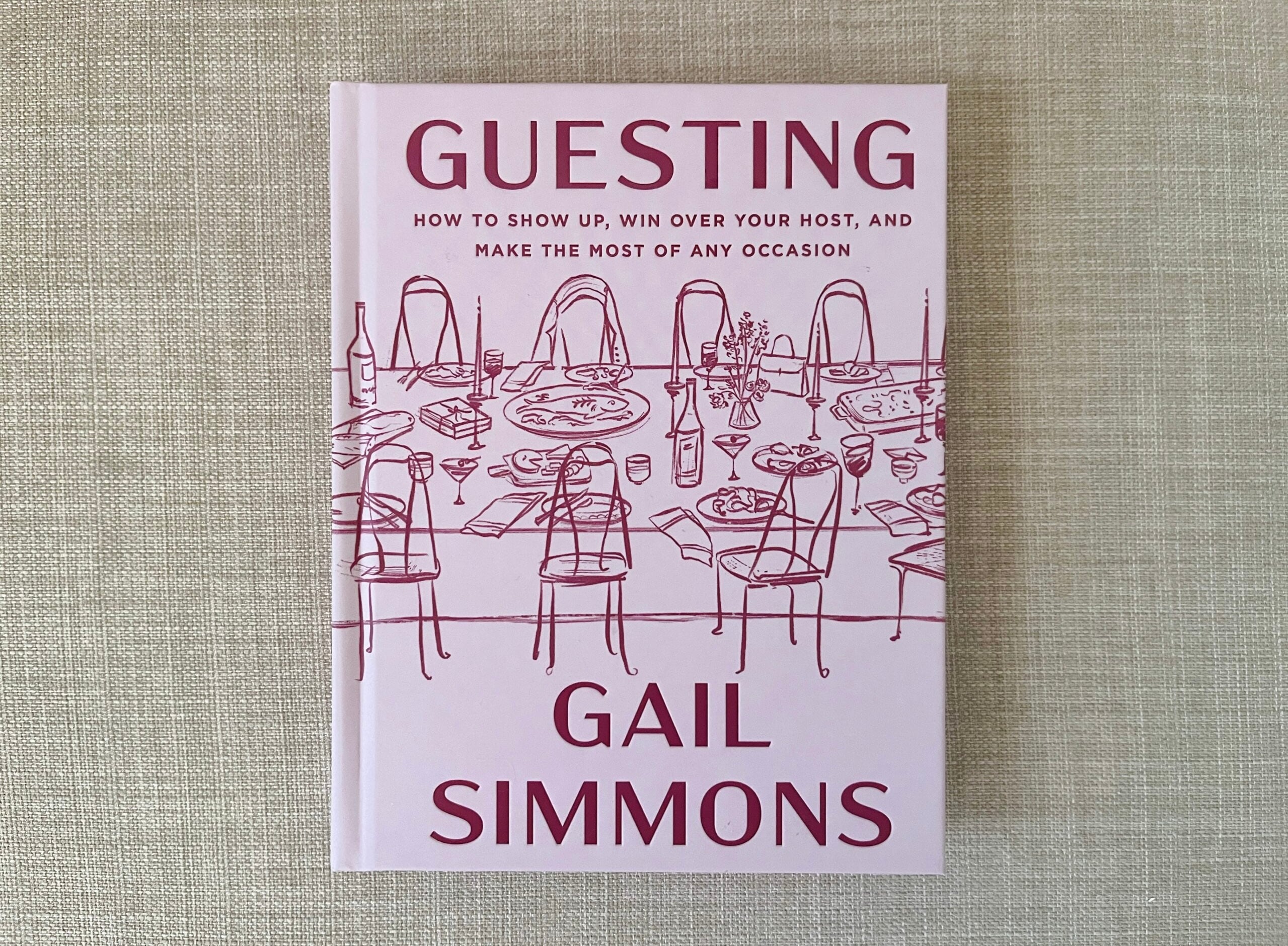
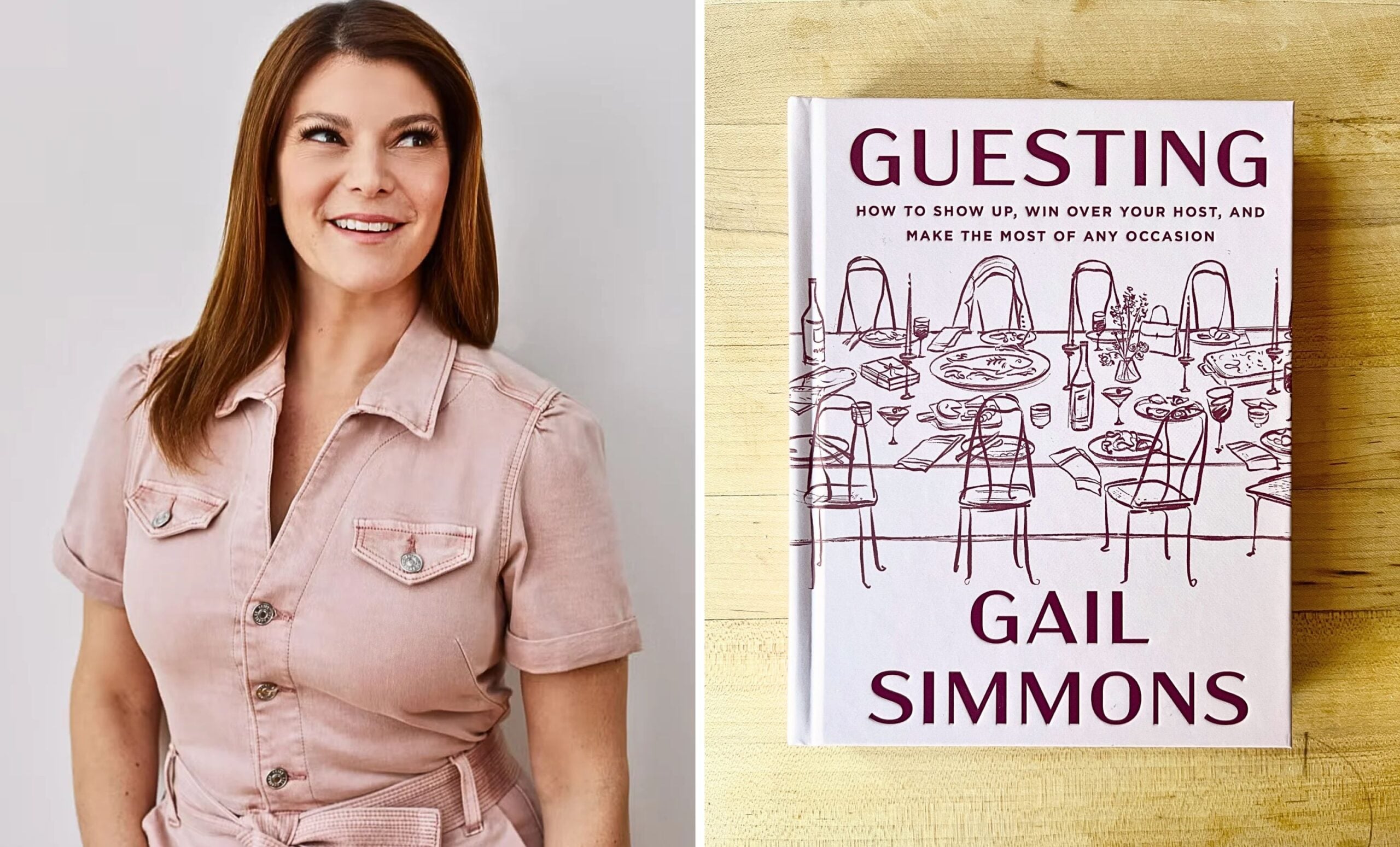
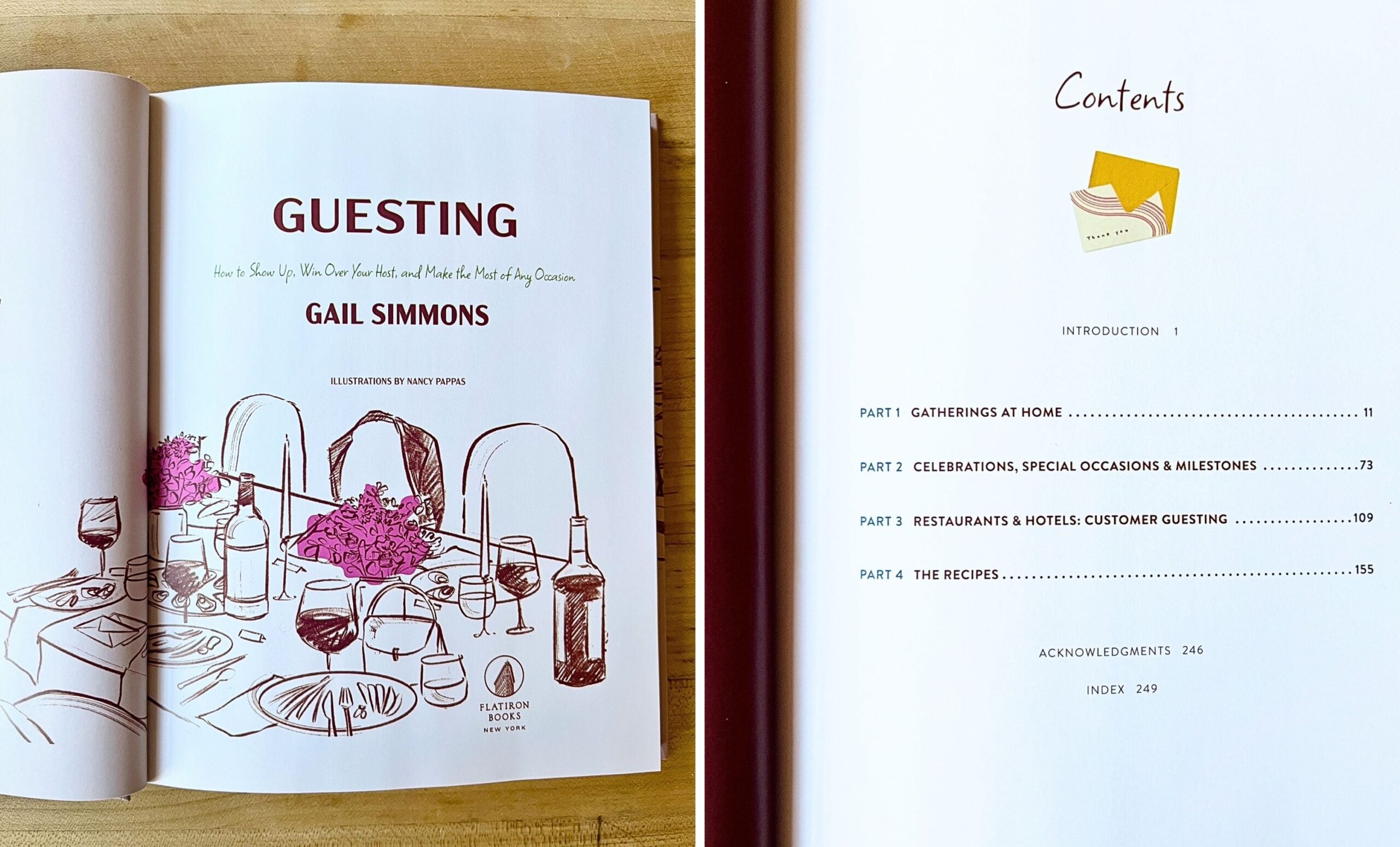
The release of Gail Simmons’ latest literary project, Guesting: How to Show Up, Win Over Your Host, and Make the Most of Any Occasion, marks a departure from the high-pressure, competitive culinary world of Top Chef. While Simmons has spent over two decades as a cornerstone of television food culture, her new book serves as a practical, sociological exploration of modern hospitality. By moving away from the restrictive etiquette manuals of the past, the text provides a contemporary framework for navigating social obligations in an era defined by digital isolation and shifting community dynamics.
The Context of Modern Social Fatigue
In recent years, the social landscape has undergone a significant transformation. According to data from the American Time Use Survey and various studies conducted by the U.S. Surgeon General’s office, the rise of remote work and digital communication has correlated with a documented decline in face-to-face social interactions. The Surgeon General’s advisory on the healing effects of social connection notes that the lack of consistent, in-person community engagement is a public health concern.
Simmons addresses this "gathering deficit" by reframing the act of guesting not as a chore or an obligation, but as a proactive investment in personal well-being. Her analysis suggests that the anxiety often associated with social functions—such as weddings, dinner parties, or networking events—can be mitigated by shifting one’s perspective from self-centered nerves to service-oriented participation.
The Principles of Guesting: A Structural Approach
Simmons codifies the art of the guest into a series of actionable tenets. Her methodology focuses on the concept of being "additive." In a professional and social context, an additive guest is one who actively identifies how to contribute to the collective experience of a gathering, rather than merely consuming the host’s resources.
This principle is supported by behavioral psychology, which posits that individuals who focus on prosocial behaviors—actions intended to benefit others—report higher levels of satisfaction and lower levels of social anxiety. By offering assistance or bringing a thoughtful contribution, the guest transforms from a passive participant into an active stakeholder in the event’s success.
Chronology of Influence and Expertise
Gail Simmons’ expertise in this field is rooted in her career as a professional food critic and television personality. Her background, which includes her tenure at Vogue under the mentorship of legendary critic Jeffrey Steingarten, provided her with a unique vantage point on professional hospitality.
The strategy of maintaining a "signature gift"—a practice Steingarten famously employed by keeping cases of high-quality olive oil at his desk—serves as a case study in efficiency and thoughtful preparation. By institutionalizing the act of gift-giving, one eliminates the decision fatigue that often leads to last-minute, impersonal purchases. This approach is increasingly relevant in an age where busy schedules make spontaneous, meaningful gestures difficult to maintain.
Addressing Social Isolation
One of the most critical arguments presented in the book concerns the necessity of follow-through. When guests RSVP to an event, they enter a social contract. However, as the ease of cancellation increases due to digital communication tools, the value of that contract has diminished.
Simmons emphasizes the importance of honoring commitments, arguing that the psychological benefits of the interaction—meeting new people, deepening existing friendships, and breaking the cycle of isolation—far outweigh the temporary comfort of staying at home. The book provides a framework for managing the transition from the private sphere to the public sphere, specifically targeting the "social rust" that many individuals have reported feeling since the global health disruptions of the early 2020s.
The Role of Inclusion
A recurring theme in the guide is the responsibility of the guest to manage the environment of a party. Simmons suggests that the burden of inclusion should not rest solely on the host. When a guest observes an individual standing alone, it is the responsibility of other guests to facilitate integration. This decentralization of the host’s role creates a more resilient social environment and ensures that the burden of emotional labor is shared among all attendees.
Data-Driven Hospitality: The Recipe as a Social Tool
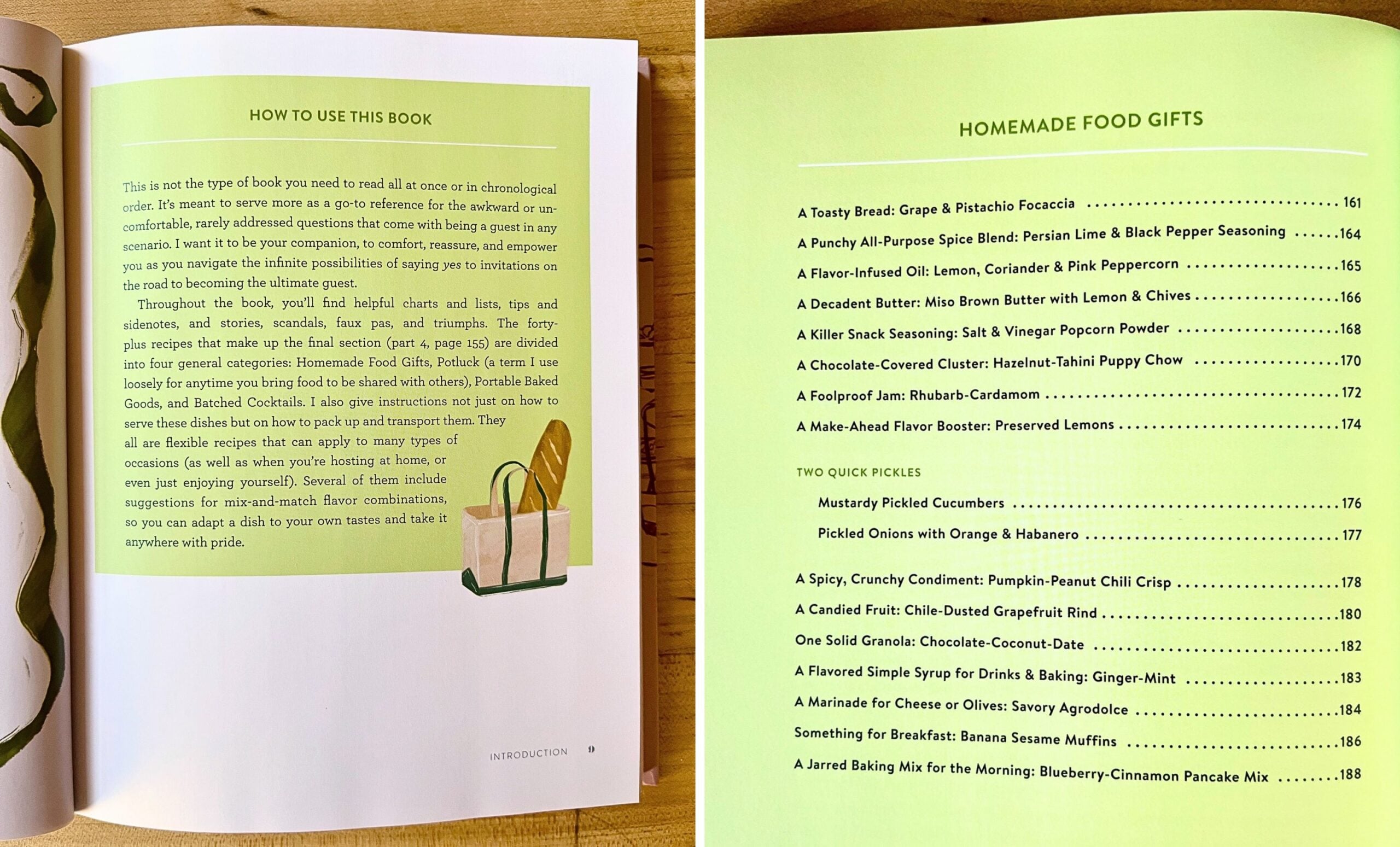
The inclusion of 40 recipes in the volume serves as a practical application of these principles. The focus on items such as "batch cocktails" and "snacking boards" acknowledges the logistical reality of modern entertaining.
For instance, the recipe for Hazelnut-Tahini Puppy Chow serves as a prime example of a "bridge food"—an item that is nostalgic, accessible, and easily portable. From a culinary perspective, the addition of tahini and toasted hazelnuts to a traditional cereal-based snack elevates the dish, making it appropriate for a wider range of settings.
Gail’s Hazelnut-Tahini Puppy Chow (10 servings)
- Ingredients:
- 6 ounces semisweet chocolate, chopped
- 1/2 cup tahini
- 4 tablespoons unsalted butter
- 10 ounces corn puff or rice square cereal
- 1 cup toasted hazelnuts, skins removed and chopped
- 2 cups powdered sugar, divided
- Preparation:
- Melt the chocolate, tahini, and butter in 30-second microwave increments until smooth.
- Combine the cereal and the chocolate mixture in a large bowl, stirring until evenly coated. Fold in the hazelnuts.
- In a large resealable bag, combine one cup of powdered sugar with half the cereal mix and shake until coated. Repeat with the second cup of sugar and remaining mix.
- Storage: The mixture is best stored in an airtight container in the refrigerator or freezer for up to three months.
Broader Implications and Future Outlook
The publication of this guide arrives at a pivotal moment. As cultural trends shift back toward in-person gatherings, the need for a updated social manual is apparent. By stripping away the elitism of 20th-century etiquette, Simmons provides a model for social interaction that is inclusive and grounded in the realities of modern life.
The implications for this approach extend beyond simple party-going. If individuals adopt the habit of being "additive" and prioritize the experience of those around them, the long-term impact on community cohesion could be significant. The book essentially argues that the "guest" role is a vital component of social health, and by performing this role with intention, we strengthen the fabric of our personal and professional networks.
In conclusion, the work of Gail Simmons highlights a shift in how we perceive social obligations. By removing the anxiety surrounding the "rules" of hosting and being a guest, the book invites readers to focus on the fundamental goal of human interaction: the cultivation of empathy and the strengthening of communal bonds. As the holiday season approaches, the focus on deliberate, thoughtful participation serves as a timely reminder that being a good guest is, at its core, an act of friendship.