Senate Democratic Leadership Faces Internal Upheaval as Progressive Faction Challenges Chuck Schumer Following Midterm Gains

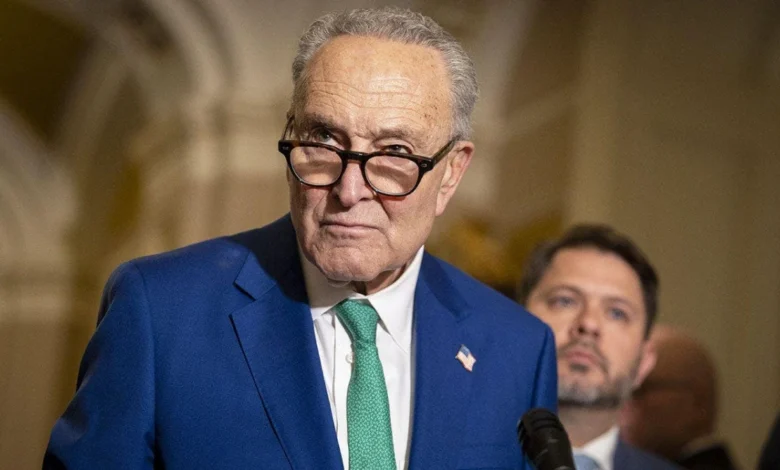
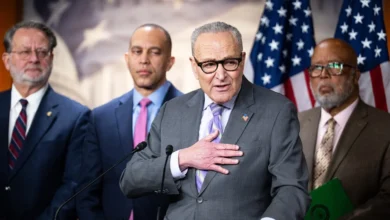
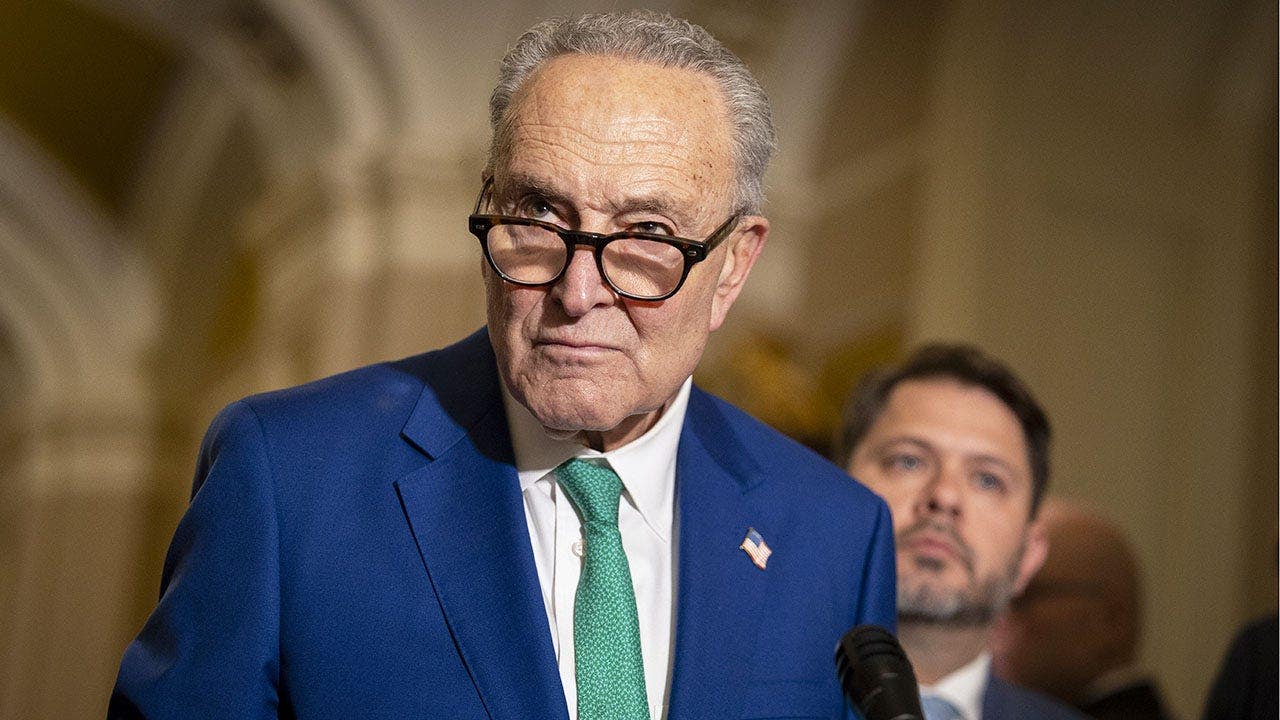
WASHINGTON — The reverberations of a striking midterm election cycle that delivered significant gains for the Democratic Party are now echoing through the halls of Capitol Hill, triggering an unexpected and high-stakes power struggle over the future of the Senate Democratic caucus. Senate Minority Leader Chuck Schumer of New York, who intends to seek another term as the party’s top leader as Democrats prepare to assume control of the upper chamber next year, is facing a formidable and vocal internal revolt.
The dissent highlights deep ideological fractures within a party freshly energized by blue-wave victories across various competitive battlegrounds. While Schumer’s allies point to historic legislative strategies and substantial electoral pick-ups as proof of his effectiveness, a coalition of progressive lawmakers, outside advocacy organizations, and newly elected senators argue that the party requires a new style of leadership—one untethered from traditional establishment structures and more aligned with the grassroots energy that drove recent electoral successes.
The Anatomy of the Rebellion
The opposition to Schumer is not merely a peripheral disagreement; it represents a coordinated pushback from influential figures within the caucus and newly minted members arriving in Washington with their own political mandates. Longtime progressive standard-bearer Senator Bernie Sanders, I-Vt., alongside incoming lawmakers such as Senator-elect Elissa Slotkin, D-Mich., have publicly broken ranks, declaring they will not support Schumer’s bid to lead the caucus in the upcoming legislative session.
Discontent among Schumer’s detractors has crystallized around Senator Chris Van Hollen of Maryland. Van Hollen, who has previously acknowledged weighing options for a potential 2028 presidential campaign, has emerged as a focal point for disgruntled Democrats seeking an alternative leadership model. Speaking candidly at the recent Popular Mandate conference, Van Hollen voiced support for democratizing the internal operations of the United States Senate.
"We just saw democracy in America in action. We should bring a little more democracy to the United States Senate," Van Hollen told attendees, adding pointed criticism regarding the party’s primary intervention strategies. "We have two newly-elected senators who would not be there if Schumer and the DSCC had their way."
Critics within the progressive wing have targeted Schumer over his alignment with specific political action committees and industry interests. Opponents argue that the Democratic Senatorial Campaign Committee (DSCC)—under the broader umbrella of leadership oversight—has historically favored moderate candidates in primary contests, often undercutting grassroots progressive candidates through heavy financial backing and institutional support. Organizations such as the progressive advocacy group Indivisible have amplified these sentiments, launching campaigns urging constituents to pressure their representatives to reject a seamless "coronation" of the incumbent leader.
Divergent Factions and Institutional Defenses
Despite the growing wave of opposition, Schumer retains a robust network of loyalists within the Senate. Supporters emphasize his tactical acumen during a grueling election cycle that saw Democrats expand their footprint into traditional Republican strongholds and secure critical net gains in the chamber.
Defending his record, Schumer has sought to project unity and maintain a focus on core legislative priorities. Addressing potential challengers and the broader political landscape, Schumer noted his long-standing working relationship with Van Hollen.
"Chris Van Hollen and I are friends," Schumer stated. "We talk frequently, and we’re united, united in lowering costs and united in ending this damn war," he added, referencing ongoing foreign policy challenges in the Middle East.
Other prominent members of the caucus have rallied aggressively to Schumer’s defense, dismissing the viability of an insurgent leadership challenge. Senator John Fetterman, D-Pa., known for his distinct political brand and vocal positions, openly rebuked Van Hollen and questioned the foundation of the prospective challenge.
"Well, what’s his record, other than yelling about anti-Israel stuff, or last year when he visited that guy in prison," Fetterman remarked, alluding to past legislative and diplomatic disputes involving foreign policy and constituent advocacy.
Furthermore, outgoing or stabilizing institutional figures have credited Schumer with masterminding the party’s electoral strategy. Senator Kirstin Gillibrand, D-N.Y., chair of the DSCC, offered a staunch defense of her fellow New York senator, attributing the party’s historic performance to his early resource allocation and strategic vision.
"And that is why you will see, despite all the grumblings, enormous gratitude for the hard work he has done to get us to this position," Gillibrand said. "We are about to win nine Senate seats. That has never happened in my political history."

The Voice of the Incoming Class
The internal debate has been notably amplified by the incoming class of senators-elect, many of whom rode powerful regional currents to Washington. Several newly elected officials—including Adam Hamilton, Peggy Flanagan, Scott Colom, and Abdul El-Sayed—have publicly stated they will not back Schumer for leader, signaling that the traditional hierarchy of the Senate may no longer command automatic deference from freshman members.
El-Sayed, speaking to reporters regarding the fluid leadership dynamics, suggested that the ultimate outcome remains uncertain as coalitions form behind closed doors.
"I think we’ll see how things play out," El-Sayed noted. "This is a unique moment, and it’s our job to make sure we honor our mandate."
The willingness of incoming members to challenge established leadership on day one underscores a broader generational and ideological shift within the Democratic Party. For decades, leadership elections in both parties were largely predictable affairs governed by seniority and internal consensus. However, the rising influence of grassroots funding networks and ideological purity tests has transformed these internal contests into fierce battles over the soul and direction of the party.
Broader Implications for the Senate Majority
As the Democratic caucus prepares to take the reins of the Senate, the outcome of this leadership struggle carries profound implications for the legislative agenda of the incoming Congress. A weakened leader may find it challenging to maintain party discipline when confronting razor-thin margins on critical votes, judicial confirmations, and federal budget negotiations. Conversely, a successful defense by Schumer could reinforce the traditional establishment’s grip on party machinery, albeit with a visibly bruised consensus.
The visible nature of the dispute—manifested in public declarations, office protests, and strategic messaging campaigns—demonstrates that the post-election honeymoon period for the Democratic majority will be defined as much by internal negotiation as by legislative ambition. Whether Van Hollen can formalize a viable challenge or if Schumer can successfully consolidate enough support to secure another term remains one of the most pressing political questions in Washington as the new legislative session approaches.
Related posts: