Billy Gray Steps Out for Rare Public Appearance in Los Angeles 50 Years After Leaving Hollywood

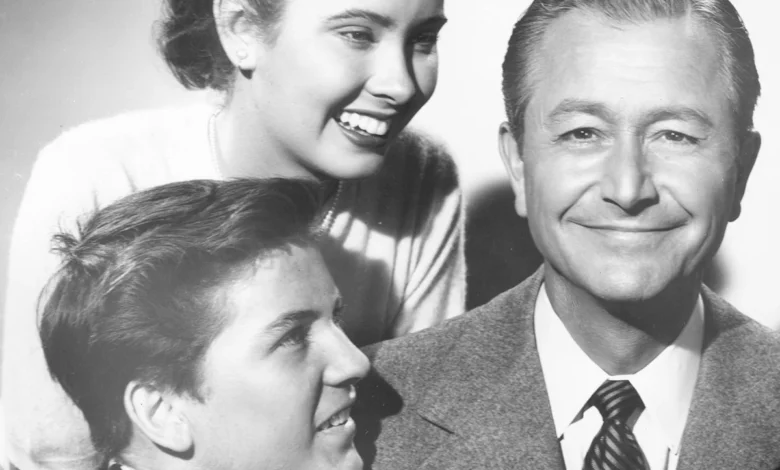
The landscape of American television and film history contains a vast archive of child stars and television veterans who, following prolonged periods of prominence, eventually transitioned entirely out of the public eye. Among them is Billy Gray, widely recognized for his definitive role as James "Bud" Anderson Jr. on the enduring family sitcom Father Knows Best. Nearly five decades after officially stepping away from the Hollywood entertainment industry, Gray made a rare public appearance in Los Angeles on November 9, drawing immediate attention from media outlets and entertainment historians alike.
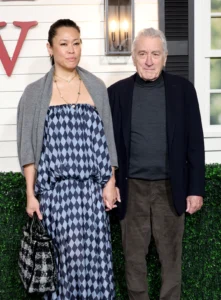
At 88 years old, Gray was spotted leaving an event in Southern California, wearing a blue puffer jacket, a beige work shirt, and a baseball cap, accompanied by a scruffy beard that rendered him nearly unrecognizable to casual observers. This rare public sighting brings renewed focus to a career that spanned nearly half a century, tracing a trajectory from a serendipitous childhood entry into the performing arts to a sudden career derailment, and ultimately to a fulfilling life far removed from studio lots and red carpets.
Early Beginnings and the Rise of Father Knows Best
William Gray’s journey into the entertainment industry began entirely by chance when he was just five years old. Born into an artistically inclined family—his mother, Beatrice Gray, was a working film and television actress—Gray’s entry into show business was precipitated by high-energy childhood antics. While accompanying his older brother to a local theatrical production, a young Gray began running up and down the auditorium aisles. His movements caught the attention of an audience member who approached him with a directive: "Take me to your mother."
That individual proved to be his mother’s talent agent, who quickly assessed the boy’s charismatic presence and informed Beatrice Gray, "I can put this kid to work." With a permissive parental nod, Gray embarked on an extensive career as a juvenile actor.
Unlike many child actors who struggle during auditions, Gray experienced a remarkably smooth ascent. "It was kind of weird. I seemed to get every interview I went on," Gray recalled during a 2021 interview with Fox News Digital. "The parts just kept coming. But remember, I was a kid. I hardly got any lines at first. But eventually, it got to a point where the roles kept coming and the lines got longer."
Accumulating nearly 100 acting credits throughout his formative years, Gray worked across various mediums before landing the role that would define his professional legacy. From 1954 to 1960, he portrayed James "Bud" Anderson Jr. on Father Knows Best, a cornerstone of 1950s domestic situation comedies that depicted the idealized American nuclear family. Starring alongside Robert Young, Jane Wyatt, Elinor Donahue, and Lauren Chapin, Gray became a household name. He later reflected fondly on the production, noting that the cast maintained an exceptionally harmonious relationship that provided ample opportunity for physical comedy—a performance style he deeply enjoyed.
Legal Troubles and the Abrupt End of a Television Career
Despite the massive cultural footprint of Father Knows Best, Gray’s career momentum shifted drastically in the early 1960s. In 1962, the actor was arrested for marijuana possession, a legal infraction that resulted in a 45-day prison sentence. In the socio-political climate of early-1960s America, drug-related offenses carried severe societal stigma and immediate professional blacklisting within conservative corporate studio systems.
Upon completing his sentence, Gray attempted to resume his career, operating under the assumption that his previous contributions to television would shield him from industry repercussions. However, the realities of studio politics proved insurmountable. "When I got out, I thought I could go back to work, but my agent said, ‘We can’t handle you anymore,’" Gray recounted. "I got a few job opportunities after that, but nothing interesting. It was basically the end."
Following a final, brief screen credit in the 1980 short film Porklips Now, Gray permanently closed the door on mainstream acting. Rather than fading into obscurity, he successfully pivoted to competitive motorcycle racing, a passion he pursued rigorously from 1970 to 1995. This athletic career allowed him to channel his physical energy into a high-stakes discipline far removed from the scrutiny of Hollywood executives and tabloid journalists.
The Broader Phenomenon of Hollywood Exits
Gray’s trajectory from celebrated television star to private citizen reflects a broader, recurring phenomenon within the entertainment industry. Over the decades, numerous high-profile actors, musicians, and television personalities have voluntarily walked away from wealth, fame, and career longevity to prioritize personal well-being, mental health, family commitments, or artistic reinvention.
An examination of contemporary and historical departures reveals a diverse array of motivations driving performers away from the epicenter of American cinema in Los Angeles. While some figures departed due to professional alienation or shifting political and social climates, others sought refuge in international relocation or entirely separate professional vocations.
International Relocations and Changing Landscapes
In recent years, a notable segment of the entertainment community has opted to establish permanent or semi-permanent residences outside the United States, citing quality of life, political shifts, or a desire for anonymity.
Antonio Banderas experienced a profound personal and professional realignment following a near-fatal heart attack in 2019. The Mask of Zorro star subsequently relocated from Los Angeles to his native Málaga, Spain, shifting his primary focus back to his theatrical roots. In a 2026 interview, Banderas noted that the health crisis fundamentally altered his perspective on mortality and artistic fulfillment. Owning a local theater venue and actively engaging with his community, the Tony nominee stated that he had never experienced a greater sense of happiness and connection to his origins.
Similarly, iconic talk show host Ellen DeGeneres officially departed the United States following the conclusion of her long-running daytime program in 2022 and her final Netflix stand-up special, For Your Approval, in late 2024. Alongside her wife, Portia de Rossi, DeGeneres relocated to the English countryside in the Cotswolds. In subsequent public appearances, DeGeneres described the move as a deliberate step toward a simpler, quieter way of life characterized by architectural charm, rural tranquility, and personal privacy.
Actresses such as Eva Longoria and Christina Milian have likewise restructured their lives around international bases. Longoria, alongside her husband José Bastón and son Santiago, has split her time between Mexico and Spain, noting that professional opportunities abroad naturally catalyzed a permanent departure from the changing socio-economic environment of Southern California. Meanwhile, Milian relocated her family permanently to Paris, France, allowing her children to immerse themselves in the European educational system while balancing her entrepreneurial and entertainment ventures across multiple time zones.
Other notable figures, including Richard Gere and his wife Alejandra Silva, transitioned to Madrid, Spain, to support a bilingual upbringing for their young children, expressing immense satisfaction with a lifestyle detached from the daily pressures of Hollywood’s industry circuit.
Prioritizing Family and Mental Health
For many performers, the demanding production schedules and constant media scrutiny of the entertainment industry create unsustainable personal environments. Stepping away from the spotlight has frequently served as a necessary mechanism for reclaiming personal autonomy.
Actress Elisha Cuthbert stepped back from prominent film and television roles for a four-year period, relocating outside of Los Angeles to focus entirely on raising her two children with her husband, Dion Phaneuf. Cuthbert candidly addressed the difficulty of separating her maternal responsibilities from her professional identity, ultimately choosing to prioritize her family during formative developmental years.
Similarly, Josh Hartnett made a conscious decision to leave Los Angeles and relocate with his wife, Tamsin Egerton, and their four children to the Hampshire countryside in England. Hartnett has openly discussed his aversion to the insular nature of Hollywood culture, where conversations frequently revolve exclusively around the film business. By immersing himself in a rural community with individuals engaged in entirely different pursuits, Hartnett cultivated a balanced domestic life while selectively choosing film and television projects that align with his artistic interests.
In a similar vein, Lindsay Lohan spent years living abroad in London and Dubai to escape the relentless tabloid culture and paparazzi intrusion that characterized her early career in the 2000s. By stepping away from the American spotlight, Lohan focused on personal growth, eventually marrying Bader Shammas and welcoming a son, while gradually returning to the industry on her own terms through streaming features and family comedies.
Professional Re-evaluations and Career Transformations
Beyond domestic priorities, several high-profile industry veterans have permanently retired from acting to pursue entirely distinct academic, therapeutic, or entrepreneurial paths.
Bridgit Mendler, widely recognized for her work on the Disney Channel series Good Luck Charlie, stepped away from the entertainment spotlight to pursue advanced education. Mendler earned a master’s degree and a PhD from the Massachusetts Institute of Technology (MIT), while simultaneously attending Harvard Law School. In 2023, she expanded her professional portfolio into the aerospace sector, founding Northwood Space as CEO to develop ground satellite infrastructure.
Eliza Dushku, a prominent fixture of television series such as Buffy the Vampire Slayer and films like Bring It On, formally transitioned out of the entertainment industry to pursue a career in mental health. Earning certifications in psychedelic-assisted therapy, Dushku redirected her professional focus toward psychological healing and therapeutic support.
Other veterans, such as Jack Gleeson, who famously portrayed King Joffrey in Game of Thrones, briefly stepped away from acting at a young age after realizing that professionalizing a childhood hobby altered his relationship with the craft. Although Gleeson has periodically returned to independent film and television projects, his deliberate hiatus underscored the psychological weight often borne by young performers.
Implications and the Legacy of Voluntary Retirement
The public fascination with figures like Billy Gray, alongside contemporary departures by established Hollywood elites, highlights a persistent cultural interest in the boundary between public celebrity and private reality. While Hollywood remains a powerful epicenter for global entertainment, the enduring trend of voluntary retirement, international relocation, and career pivoting underscores a shifting paradigm among performers.
For
veterans like Gray, who navigated the turbulent eras of mid-century television and the strict enforcement of studio morality clauses, stepping away ultimately provided a pathway toward personal peace and alternative accomplishments. Whether through competitive motorcycle racing, academic research, or quiet domestic life in rural communities, these departures demonstrate that artistic success in youth does not necessitate a lifelong commitment to the spotlight.
Related posts: