Jo Koy on ‘Blue in the Face,’ Steven Spielberg, Biggie’s Mom and Learning What His Name Really Means at Long John Silver’s

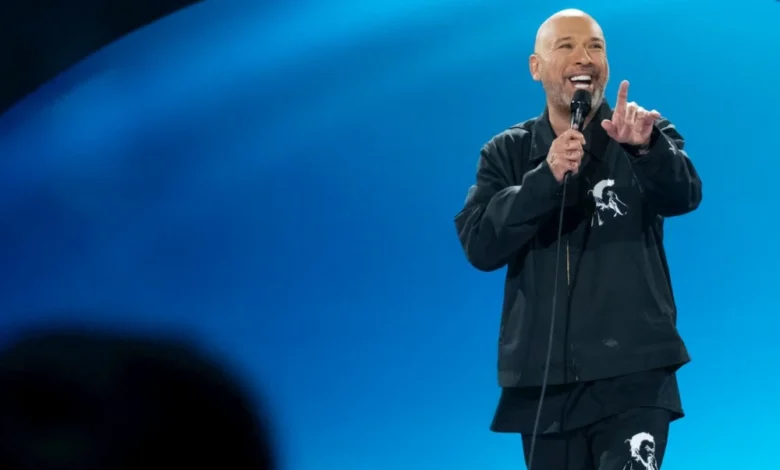
The release of Jo Koy’s latest Netflix special, Blue in the Face, which premiered on September 15, serves as the final installment of a significant two-special agreement between the comedian and the streaming giant, following the success of his previous effort, Live From Brooklyn. Filmed over two sold-out nights in Stockton, California, the special represents a departure from traditional industry practices that prioritize filming in major metropolitan hubs like New York or Los Angeles. Instead, Koy opted to highlight the Central Valley, a region with a deep and often fraught history regarding the Filipino-American experience.
A Historical Context of Stockton and the Filipino Diaspora
Stockton, California, holds a unique place in the narrative of Filipino migration to the United States. During the early 20th century, the city became a primary hub for Filipino laborers, many of whom faced institutionalized racism, housing discrimination, and social segregation. The "Little Manila" district, once a thriving cultural center for the Filipino community, was systematically dismantled mid-century by urban development projects and the construction of the Crosstown Freeway.
Koy’s intent behind choosing Stockton as his filming location was initially to confront this history head-on. Upon arriving in the city, he conducted research into the era of "No Filipinos Allowed" signage and the discriminatory practices that barred residents from public facilities. His original creative strategy for the taping was to open the set with a commentary on these historical injustices. However, the atmosphere of the arena—packed with a diverse demographic of attendees—prompted an immediate, organic shift in his approach. Observing a crowd characterized by racial solidarity, Koy decided to pivot from a historical retrospective to a celebration of contemporary progress.
Chronology and Creative Development
The development of Blue in the Face reflects the rigorous, hands-on process that has defined Koy’s later career. Having spent years honing his craft in club circuits before achieving mainstream international recognition, Koy maintains direct oversight of his production quality. He acted as the primary editor for this project, condensing over four hours of recorded material—two separate performances—into a tight, 55-minute narrative.
This editing process is part of a broader trend in stand-up comedy where artists are increasingly focusing on thematic "bookends" rather than disjointed sets. By centering the special on the concept of maintaining a tight-knit circle and honoring those who supported his rise, Koy sought to create a cohesive emotional arc. This stylistic choice is particularly relevant given his career trajectory, which includes a successful transition into film, notably with the DreamWorks project Easter Sunday, a film born from a pitch to Steven Spielberg.
The Business of Comedy and Legacy Rights
The logistical side of Koy’s career has seen notable shifts, particularly regarding the management of intellectual property. During his previous special, Live From Brooklyn, Koy performed an unsanctioned routine involving the music of the late Notorious B.I.G. The subsequent legal and financial necessity of clearing those rights led to a productive dialogue with Voletta Wallace, the mother of the late rapper.
This interaction transcended simple licensing; it resulted in a lasting professional relationship where Koy was granted ongoing rights to use specific imagery associated with the late artist. This serves as a case study in the complexities of modern stand-up, where the intersection of pop culture, music rights, and digital longevity requires comedians to act as producers, lawyers, and creative leads simultaneously. The ongoing support for the Wallace Foundation through merchandise sales further underscores the economic ecosystem that surrounds high-profile comedy specials.
Analysis: The Impact of Geographic Diversification in Comedy
The decision to film in secondary markets like Stockton is not merely an artistic choice; it represents a shifting economic model for touring comedians. While industry norms historically favored "prime markets," the data suggests that audience engagement in secondary cities is often higher due to a scarcity of major televised events in those locations. By selling out arenas in the Central Valley, Koy has demonstrated that there is significant untapped potential in regional markets.

Furthermore, the special has already positioned itself as a serious contender for industry accolades, including the Golden Globes’ category for best performance in stand-up comedy on television and the upcoming Emmy race for outstanding variety special. This institutional recognition suggests that the industry is beginning to value the cultural impact of comedians who lean into specific ethnic and regional narratives.
Cultural Identity and the "Jo Koy" Persona
Central to Koy’s performance is his long-standing focus on his mother, a single parent whose life in the 1980s and 90s serves as the primary inspiration for his storytelling. Koy’s ability to weave his mother’s experiences—from her struggles with systemic racism and language barriers to her role as a community builder—into his comedy has provided a template for other artists looking to bridge the gap between immigrant stories and mainstream American comedy.
His stage name, which originated from a misunderstanding of the Tagalog phrase "Jo ko" (meaning "my Jo"), has become a brand synonymous with his personal history. This blend of the personal and the professional—where his aunt’s nickname for him became a permanent moniker—mirrors the way he incorporates his family’s specific, often dramatic, dynamics into his routines.
Looking Toward the Future
As his current contract with Netflix concludes, industry analysts are observing the next steps in Koy’s career with interest. Having demonstrated a successful pivot from pure stand-up to film, voice acting in projects like the animated film Forgotten Island, and independent production, Koy’s options remain open. His emphasis on creative autonomy and his proficiency in post-production editing make him an outlier in a field that often relies on external production teams.
Regarding his creative philosophy, Koy emphasizes the importance of following one’s intuition regardless of external pressures. In his view, the longevity of a career in the arts is predicated on the willingness to attempt new formats and the resilience to recover from failure. "Try everything," Koy noted during a discussion on his career development. "Whatever is in your gut, do it. You only live once."
Broader Implications for the Industry
The success of Blue in the Face highlights a transition in how comedians view their role within the cultural landscape. The shift from the "edgy" 1990s comedy style, as exemplified by his admiration for Richard Pryor and Eddie Murphy, to the more inclusive, narrative-driven specials of today reflects a broader change in audience expectations. Comedians are now tasked not only with generating laughter but with providing a mirror to the societal changes within their own communities.
As the industry continues to integrate, the success of performers like Jo Koy suggests that the future of stand-up lies in the intersection of hyper-local history and universal emotional themes. Whether through his involvement in animated folklore or his explorations of Filipino-American family drama, Koy continues to leverage his platform to elevate narratives that were previously excluded from the mainstream.
Ultimately, Blue in the Face serves as a culmination of these efforts, proving that the medium of the comedy special has evolved into a sophisticated tool for cultural documentation and personal legacy building. With no immediate plans for a new deal, the comedian remains focused on the impact of his current output, maintaining a strategy that prioritizes the "circle" of supporters that he credits for his sustained presence in a highly competitive industry.
Related posts: