Cait Conley, Former Biden Administration Aide and Military Veteran, Projected to Defeat Republican Rep. Mike Lawler in High-Stakes New York House Race

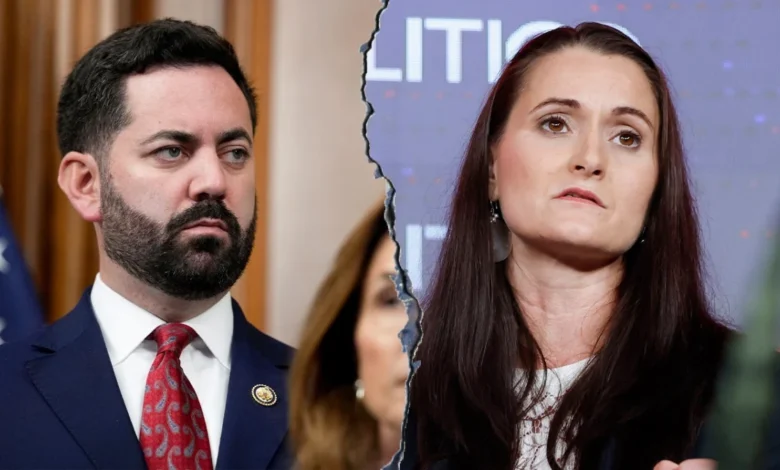
Cait Conley, a military veteran and former senior official in the Biden administration, is projected to defeat two-term incumbent Republican Representative Mike Lawler in New York’s heavily contested 17th Congressional District. The Associated Press called the race late Thursday evening, marking a pivotal moment in the 2026 midterm elections and delivering a major blow to House Republicans as control of the chamber hangs in the balance.
The matchup in the northern New York City suburbs was widely regarded as one of the most expensive, fiercely contested, and consequential congressional battles of the cycle. Both national parties and outside political action committees poured tens of millions of dollars into the district, viewing the outcome as a bellwether for the broader national landscape. With Conley’s projected victory, Democrats secured a crucial pickup that strengthens their path toward reclaiming a majority in the House of Representatives.
A High-Stakes Battleground in New York’s Northern Suburbs
New York’s 17th Congressional District encompasses parts of Rockland, Putnam, Dutchess, and Westchester counties, sitting immediately north of New York City. The region has long been recognized as a premier political battleground characterized by a diverse electorate, a mix of suburban and semi-rural communities, and a history of razor-thin electoral margins.
In the 2024 presidential election, the district voted for Vice President Kamala Harris, underscoring its underlying Democratic leanings. However, local voters had previously demonstrated a willingness to split their tickets, electing Mike Lawler in 2022 during a strong cycle for New York Republicans. Lawler’s victory two years prior had been celebrated by the GOP as a blueprint for winning competitive suburban seats nationwide.
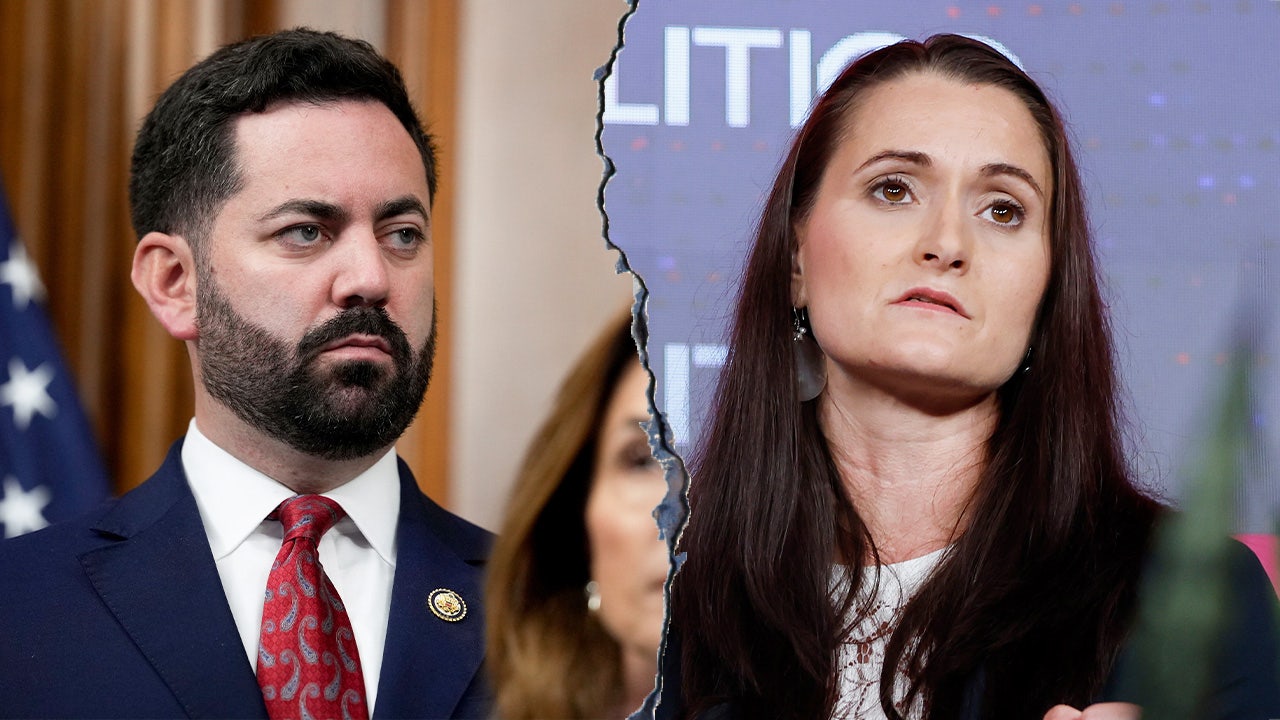
As an incumbent, Lawler attempted to frame himself as a pragmatic, independent legislator willing to work across the aisle. Yet, he simultaneously faced the complex challenge of navigating a district that leaned away from his party at the top of the ticket while maintaining enthusiasm among the Donald Trump-aligned base.
Chronology and Campaign Dynamics
The 2026 race officially kicked into high gear more than a year before Election Day, as national strategists identified the 17th District as a top-tier target.
Early in the cycle, Cait Conley emerged as a formidable challenger. Drawing on her background as an Army combat veteran and her national security credentials—including service as a counterterrorism director on the White House National Security Council from 2021 to 2023, and subsequently as a senior advisor on election security at the Cybersecurity and Infrastructure Security Agency (CISA)—Conley positioned herself as a public servant focused on institutional stability and national defense.
Throughout the campaign, the contest was defined by sharp ideological clashes. Debates and town halls frequently grew tense as the candidates traded accusations over federal tax policy, healthcare access, and economic inflation. However, the emotional and political focal point of the race rapidly shifted toward immigration enforcement, local safety concerns, and the broader debate surrounding sanctuary city policies.
The Immigration Debate and the Tragedy of Sheridan Gorman
Immigration emerged as the central narrative of the final months of the campaign, propelled into the national spotlight by a high-profile local tragedy.
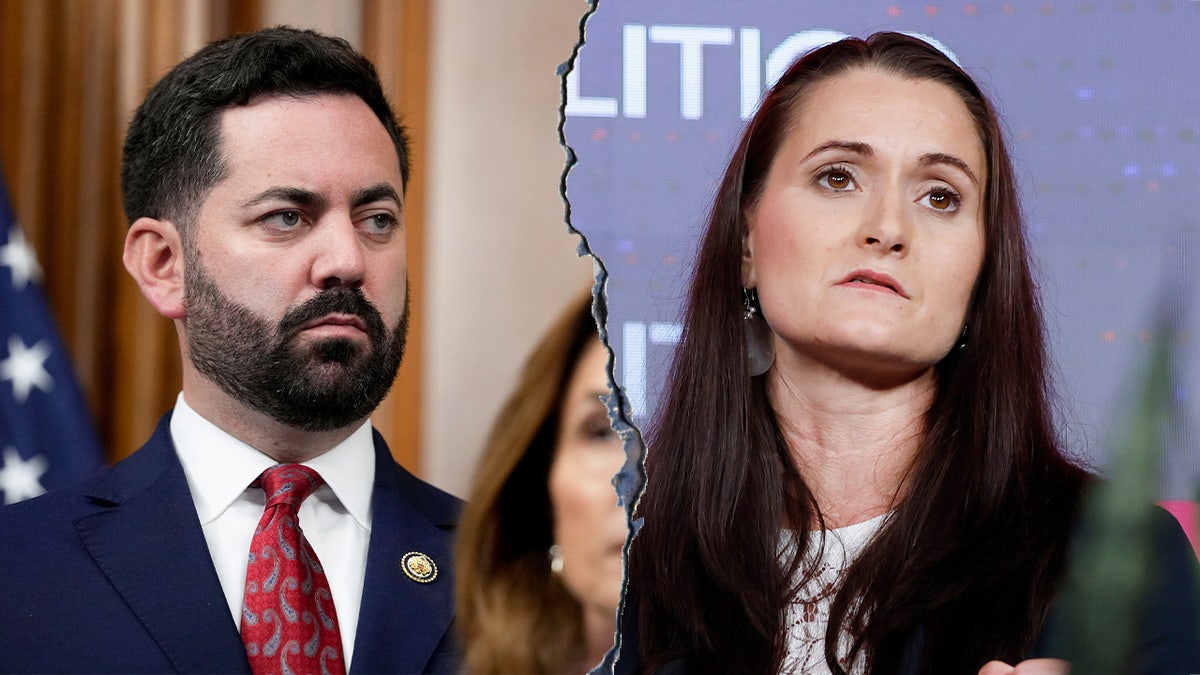
Lawler built a significant portion of his closing argument around the March 2026 killing of Sheridan Gorman, an 18-year-old Loyola University Chicago student and resident of Yorktown Heights, New York. Gorman was shot and killed in Chicago by an undocumented immigrant who had previously been arrested for shoplifting but released without a federal immigration detainer due to Chicago’s local sanctuary city policies.
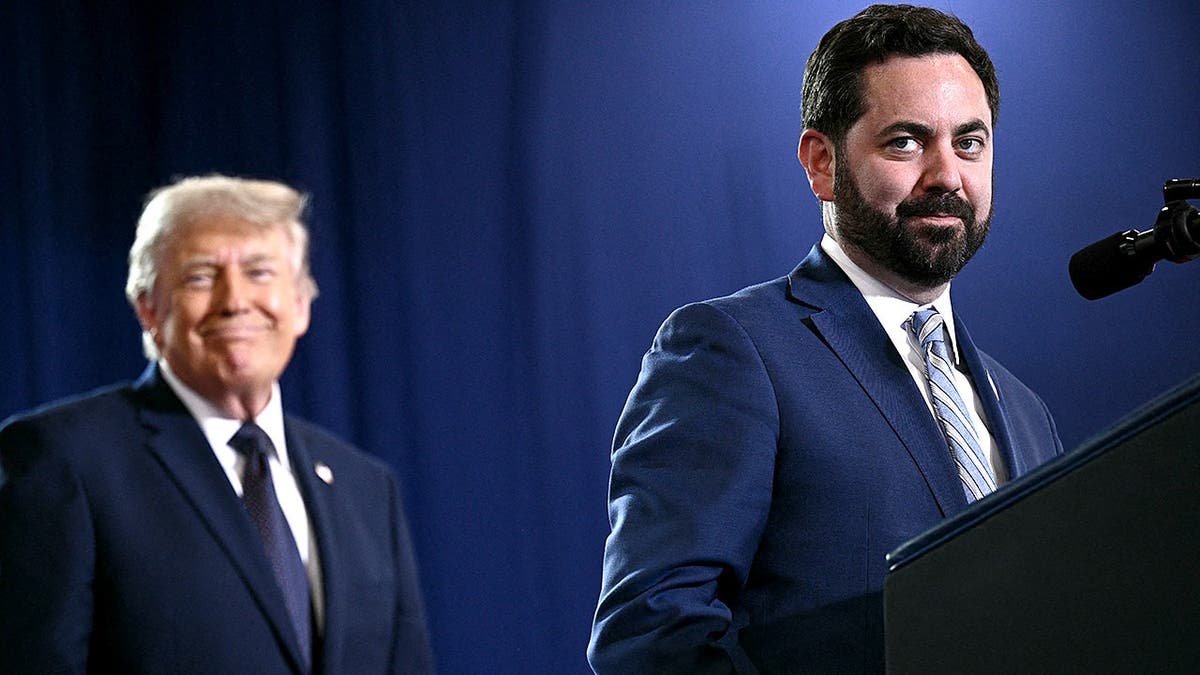
The case resonated deeply within Lawler’s district. The grieving parents of Sheridan Gorman became vocal surrogates for the incumbent, appearing alongside political leaders—including President Donald Trump during a May 2026 campaign stop in Suffern, New York—to denounce sanctuary jurisdictions. Lawler utilized the tragedy to argue that Democratic policies regarding immigration enforcement posed a direct threat to American communities. He asserted that Conley, drawing on her association with the Biden administration, would fail to implement the robust border security measures necessary to prevent similar incidents.
Conley condemned the killing of Gorman and stated publicly that she opposed illegal immigration. However, she declined to explicitly disavow sanctuary city frameworks, maintaining a more measured stance on local municipal policies while focusing her critique on Lawler’s legislative record and his alignment with the national Republican agenda.
Campaign Strategy and Outside Spending
The financial investment in New York’s 17th District reflected its monumental strategic value. House Republican leadership, acutely aware that a loss of even a handful of competitive seats could cost them the majority, deployed top surrogates and substantial financial resources to prop up Lawler.
Simultaneously, Democratic campaign arms and progressive political action committees invested heavily in elevating Conley. Democratic messaging heavily targeted Lawler’s ties to the conservative wing of his party, attempting to tie his voting record to unpopular national platform items, including cuts to federal programs and restrictions on reproductive healthcare.
Independent election forecasters consistently flagged the race as a toss-up. Fox News Power Rankings categorized the district as "lean Democrat" in the final weeks of the campaign, while the Cook Political Report maintained a "toss-up" rating, reflecting the extreme volatility and unpredictability of the electorate up until the final ballots were cast.
Broader Implications for the House Majority
Conley’s projected victory carries profound implications for the balance of power in Washington, D.C. The race was widely understood by congressional analysts to be a foundational building block for whichever party hoped to control the House of Representatives during the second half of the decade.
For Republicans, losing Lawler’s seat complicates the mathematical path required to defend their legislative majority. Senate Republican leadership and House strategists had warned that suburban districts in states like New York and California would serve as the ultimate battleground for the chamber. With the 17th District flipping to the Democrats, the margin for error for the GOP narrows significantly, increasing the pressure on remaining vulnerable incumbents across the country.
For Democrats, the pickup validates their electoral strategy in competitive suburban corridors. By running candidates with national security and military backgrounds—such as Conley—the party sought to neutralize traditional Republican advantages on defense and public safety while capitalizing on local discontent with federal polarization.
As election officials finalize the remaining provisional and mail-in ballots across New York, Conley’s projected win provides a vital morale boost to the Democratic caucus and sets the stage for a fiercely contested legislative agenda when the new Congress convenes.