Ancient human hair samples reveal surprising evidence of prehistoric cannabis use in archaeological sites

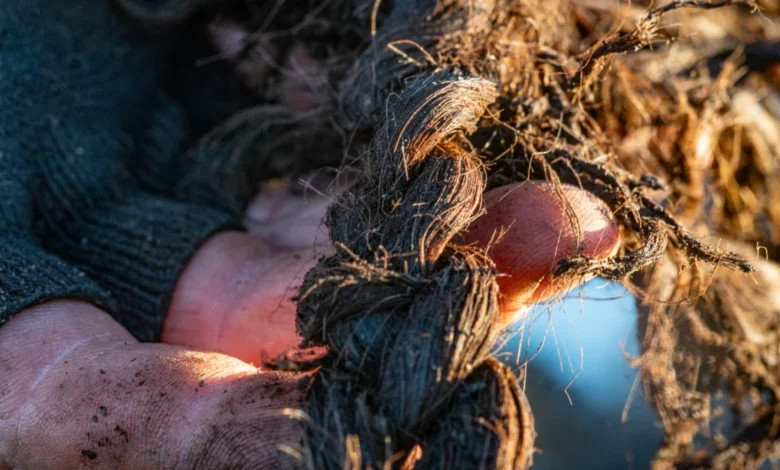
The recent chemical analysis of human hair preserved in ancient burial sites has provided compelling, evidence-based insights into the historical consumption of cannabis among prehistoric populations. By utilizing sophisticated mass spectrometry techniques on samples excavated from archaeological contexts, researchers have successfully identified psychoactive compounds trapped within the keratin structures of these ancient remains. This discovery not only challenges previous assumptions regarding the timeline of human interaction with Cannabis sativa but also sheds light on the socio-cultural, medicinal, and ritualistic roles that the plant may have played in the lives of early human societies.
Scientific Methodology and Detection Techniques
The process of detecting psychoactive substances in ancient hair is a testament to the advancements in forensic archaeology. Hair acts as a biological archive, sequestering substances circulating in the bloodstream during the growth phase of the follicle. Unlike soft tissues, which are prone to rapid decay in many environments, keratinized hair fibers provide a remarkably stable matrix for the preservation of small molecules, including tetrahydrocannabinol (THC), cannabidiol (CBD), and cannabinol (CBN).
Researchers employ liquid chromatography-tandem mass spectrometry (LC-MS/MS) to isolate and identify these specific biomarkers. The process begins with the decontamination of the hair strands to remove surface-level soil contaminants, followed by a rigorous extraction process. The ability to detect these substances at nanogram-per-milligram levels allows scientists to distinguish between environmental contamination—such as contact with burial soil containing plant debris—and internal ingestion, which is indicated by the presence of specific metabolites processed through the human liver.
A Chronology of Cannabis Interaction
While historical records often associate the use of cannabis with the Steppe nomads of the Bronze Age or the funeral rites of the Pazyryk culture in the Altai Mountains, the timeline of human interaction with the plant is likely much deeper. Evidence suggests that early hunter-gatherer groups in Eurasia may have been exposed to the psychoactive properties of wild cannabis long before the advent of systematic cultivation.
- Paleolithic Beginnings: Anthropological evidence suggests that early humans may have gathered cannabis for its fiber content, with psychoactive effects being discovered incidentally during the processing of the plants.
- The Bronze Age Expansion: As trade routes expanded across the Silk Road, the intentional cultivation and transport of cannabis seeds became more prevalent, as evidenced by archaeological findings of charred seeds in hearths and specialized incense burners.
- Iron Age Rituals: The discovery of well-preserved hair samples from Iron Age burials indicates that cannabis was increasingly integrated into complex funeral rites, potentially as a means to facilitate altered states of consciousness during mourning or spiritual ceremonies.
Supporting Data and Comparative Analysis
The data derived from hair analysis correlates significantly with findings from paleobotanical surveys. For instance, at several excavation sites in Western China and the Pamir Mountains, the presence of cannabis in human remains coincides with the discovery of wooden braziers filled with stones used to heat cannabis flowers.
Comparative studies indicate that the THC concentrations found in these ancient samples are often lower than those found in modern commercial strains, yet they are consistent with the levels required to induce a mild physiological effect. Data from isotopic analysis of associated skeletal remains further suggests that these populations were not suffering from significant nutritional stress, implying that the consumption of cannabis was a deliberate choice rather than a necessity or a byproduct of famine.
Expert Perspectives and Archaeological Implications
Archaeologists involved in these studies have emphasized the importance of context. "The presence of chemical markers in hair is a smoking gun, but it must be interpreted within the broader archaeological narrative," notes one lead researcher in the field of paleotoxicology. By observing the position of the body and the presence of grave goods, scholars can infer whether the cannabis consumption was a daily practice or a restricted, ritualistic act reserved for specific societal elites or funerary officiants.
Some scholars have cautioned against over-interpreting these results as evidence of widespread "recreational" use. Instead, many suggest that the use of cannabis was inextricably linked to the pharmacopeia of the time. In many ancient cultures, the distinction between medicine, food, and ritual was non-existent. The plant served as a multi-purpose resource: providing durable fibers for textiles, oil-rich seeds for nutrition, and potent compounds for spiritual or analgesic purposes.
The Broader Impact on Historical Understanding
The implications of these findings extend far beyond the history of drug use. They force a re-evaluation of how prehistoric populations managed their environment and interacted with local flora. If cannabis was being actively sought out for its psychoactive properties, it indicates a sophisticated level of botanical knowledge and a cultural framework that permitted, and perhaps encouraged, the alteration of consciousness.
Furthermore, this research bridges the gap between biological anthropology and history. By moving away from purely descriptive archaeology—cataloging what was found—and toward an analytical framework that identifies what those items meant to the people who owned them, scientists are developing a more nuanced understanding of the human experience.
Addressing the Challenges of Ancient Toxicology
The study of ancient organic remains is not without its challenges. Taphonomy—the process of fossilization and decay—can sometimes degrade chemical markers. However, the discovery of hair as a viable source of chemical data has opened new avenues for investigation. Future research is expected to focus on refining these detection methods to determine if different populations used cannabis in distinct ways, such as through smoking, inhalation via steam, or oral ingestion.
Furthermore, the study of ancient genetics, or archaeogenetics, is being paired with toxicology. By examining the DNA of the individuals alongside the chemical composition of their hair, researchers hope to determine if certain populations possessed genetic predispositions that made them more or less susceptible to the effects of cannabinoids.
Conclusion and Future Directions
The integration of advanced chemical analysis into the archaeological toolkit represents a significant milestone in our understanding of the ancient world. As we continue to uncover the remains of our ancestors, we find that their lives were as complex and multi-faceted as our own. The evidence of cannabis use, far from being a simple footnote in history, provides a window into the spiritual, medical, and social lives of ancient humans.
Moving forward, interdisciplinary collaborations between chemists, botanists, and archaeologists will be essential to contextualize these findings. As laboratory techniques become more sensitive and our databases of ancient organic compounds grow, we can expect a clearer picture to emerge—one that paints our ancestors not merely as survivors of a harsh environment, but as sophisticated individuals who were deeply engaged with the natural world around them. This ongoing investigation remains a critical component of modern science, reminding us that the secrets of the past are often hidden in the smallest of details, waiting for the right technology to bring them to light.