The Definitive Guide to the Modern Men’s Deodorant Market and Underarm Grooming Standards

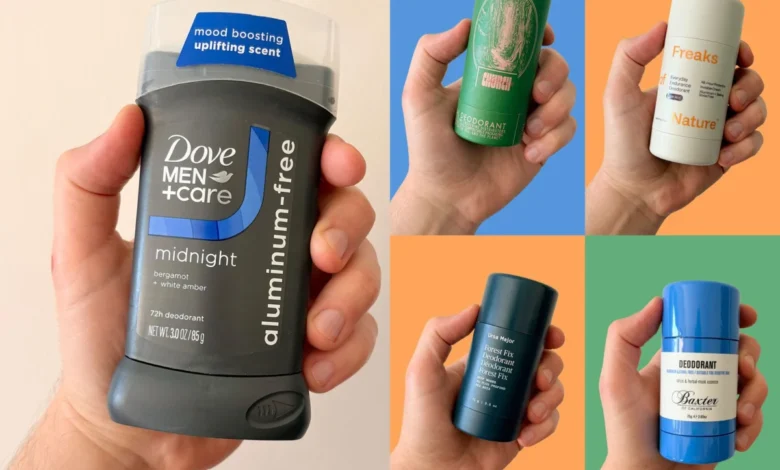
Body odor remains a universally recognized challenge in personal hygiene, historically ranking alongside bad breath as an entirely avoidable social hurdle. Yet, the category of underarm care has undergone a profound structural evolution over the past decade. Long gone are the days of chalky, synthetic, and heavily aluminum-laden antiperspirants that dominated pharmacy shelves throughout the late 20th century. Today, the grooming industry is experiencing a golden age characterized by sophisticated formulations, enhanced textures, refined scent profiles, and naturally derived ingredients that successfully neutralize odor without suppressing the body’s natural cooling mechanisms.
For the modern consumer, navigating this expanding landscape requires an understanding of individual skin sensitivities, sweat volume, pricing structures, and formulation preferences. Industry experts note that modern deodorant engineering has shifted from mere odor masking to targeted skincare science, incorporating active ingredients historically reserved for facial serums and high-end moisturizers.
The Evolution of Underarm Care and Market Shifts
To understand the current marketplace, one must examine the pivot away from traditional antiperspirants toward specialized deodorants. Traditional antiperspirants rely heavily on aluminum-based compounds to physically plug sweat ducts, reducing perspiration. However, shifting consumer preferences toward clean beauty, combined with dermatological guidance regarding skin microbiome health, have fueled a massive surge in aluminum-free deodorants.
Market research indicates that the global men’s grooming sector has expanded significantly, driven largely by male consumers investing in premium, wellness-oriented personal care items. This commercial growth has encouraged legacy brands and niche startups alike to innovate. Formulators are abandoning harsh, irritating chemicals in favor of magnesium hydroxide, arrowroot powder, prebiotics, and chemical exfoliants that address the root cause of body odor: bacteria interacting with sweat.
Categorized Testing and Top-Performing Products
To establish a definitive ranking of the market’s top options, grooming professionals and industry testers have evaluated a broad spectrum of products based on efficacy, wear time, sensory experience, and skin compatibility. The results highlight distinct winners across various categories, catering to diverse lifestyle needs.
The Best Overall Choice: Dove Men+Care Aluminum Free Deodorant Stick
For the average consumer seeking reliability, accessibility, and value, the Dove Men+Care Aluminum Free Deodorant Stick remains a benchmark product. Priced competitively around $9, this stick provides a sophisticated sensory experience featuring a blend of bright bergamot and warm white amber. Unlike standard drugstore offerings that rely on heavy, cloying artificial fragrances, Dove’s formulation incorporates moisture-attracting ingredients that lend it baseline skincare credibility. It avoids baking soda—a common irritant—and glides smoothly while maintaining odor protection throughout a standard workday.
The Sustainable Standout: Church California Cedar Grove Natural Deodorant
Representing the vanguard of eco-conscious grooming, Church California’s Cedar Grove Natural Deodorant ($24) addresses both efficacy and environmental impact. Housed in compostable, plastic-free cardboard packaging, the formula relies on magnesium and organic tapioca starch for moisture and odor management, complemented by coconut oil and shea butter. While the push-up cardboard mechanism requires a brief adjustment period compared to standard twist dials, the herbaceous, outdoor-inspired essential oil blend delivers long-lasting freshness without synthetic additives.
The Artisan Pioneer: Ursa Major Forest Fix Deodorant
Since its introduction in the mid-2010s, Ursa Major has maintained a stellar reputation among grooming enthusiasts. Priced at $20, the Forest Fix stick (along with its sister scent, Hoppin’ Fresh) elevated the artisanal deodorant category by incorporating foraged-sounding, naturally derived ingredients. Designed to soothe skin while absorbing excess moisture, it offers robust protection against odor and boasts a sleek, modern aesthetic that appeals to design-conscious consumers.
The Budget Classic: Old Spice Refresh High Endurance Deodorant
For decades, Old Spice has remained a ubiquitous presence in men’s grooming. The High Endurance Refresh blue stick ($12 for a multi-pack) serves as a dependable fallback option. While its formulation is straightforward—utilizing glycerin for skin conditioning and standard emulsifiers for a smooth glide—it has aged remarkably well. It may not withstand extreme athletic competition like an Ironman triathlon, but for daily errands and standard wear, its nostalgic, medicinal-fresh aroma delivers unmatched value.
The Transparent Option: Baxter of California Gel Deodorant
Moving away from traditional solid sticks, Baxter of California offers a clear gel formulation priced at $22. Eschewing the perforated gel dispensers of the past, this transparent stick glides on effortlessly with a cool, crisp sensation. Formulated with witch hazel, tea tree oil, and chamomile, it targets odor-causing bacteria while soothing the skin. Crucially, the clear gel dries down completely invisible, preventing the unsightly white marks on dark fabrics that often plague traditional deodorants.
The Skincare Hybrid: Freaks of Nature Everyday Endurance Deodorant
Bridging the gap between dermatology and daily hygiene, Freaks of Nature’s Everyday Endurance ($20) utilizes a unique lotion-like formula dispensed through an innovative grate system. Enriched with cocoa butter, sunflower oil, and bentonite clay, the product conditions the skin while offering superior moisture absorption. Its velvety finish leaves no sticky residue, establishing it as a top-tier choice for consumers prioritizing underarm skin health.
The Fragrance Leader: Salt & Stone Deodorant
Salt & Stone has redefined olfactory expectations in men’s grooming by introducing complex scent pyramids—such as Saffron & Cedar, Black Rose & Oud, and Bergamot & Hinoki—that rival traditional eau de toilettes. Priced around $20, these formulas incorporate skincare staples like niacinamide and shea butter. They neutralize odor effectively without breaking down into unpleasant chemical odors by the end of the day, making them ideal for individuals who view personal fragrance as an integrated part of their style.
Dermatological Insights: Ingredients and Skin Health
To provide clinical context for these product evaluations, leading dermatologists have outlined the scientific principles governing underarm hygiene. Dr. Kiran Mian of Hudson Dermatology and Laser Surgery in New York City, Dr. Ryan B. Turner of Turner Dermatology, and Dr. Heather Rogers of Modern Dermatology in Seattle emphasize that body odor is fundamentally a byproduct of bacteria metabolizing apocrine sweat. Consequently, effective formulations focus on two primary mechanisms: minimizing moisture and controlling bacterial proliferation.
Ingredients for Bacteria Control
- Magnesium Hydroxide: Endorsed by Dr. Mian, this naturally occurring compound neutralizes bacteria effectively without penetrating or irritating the skin barrier.
- Zinc Ricinoleate: An antimicrobial mineral that safely mitigates odor-causing bacteria.
- Tea Tree Oil: Possessing natural antibacterial and antifungal properties, tea tree oil reduces odor when formulated at low, non-irritating percentages.
- Prebiotics and Probiotics: Prebiotics nourish beneficial skin bacteria to outcompete odor-producing strains, while probiotics introduce favorable microbial populations.
- Chemical Exfoliants: AHAs such as glycolic, lactic, and mandelic acid help resurface the skin, removing dead cellular debris and re-establishing the skin’s natural acidic mantle to suppress bacterial growth.
- Baking Soda (Sodium Bicarbonate): A polarizing ingredient. While effective at neutralizing odor, its high alkalinity can disrupt the skin’s natural acidic pH, potentially harming the microbiome and causing inflammation in sensitive individuals.
Ingredients for Moisture Mitigation
- Starches and Botanical Powders: Arrowroot powder, tapioca starch, and cornstarch absorb surface moisture without blocking sweat ducts, avoiding the breakout risks associated with aluminum compounds.
- Kaolin and Bentonite Clays: Porous minerals that soak up perspiration efficiently.
Economic and Lifestyle Implications
The contemporary men’s deodorant market reflects broader shifts in consumer spending toward wellness and personal care transparency. Premium formulations priced between $20 and $40 are no longer viewed as superfluous luxuries, but rather as health investments akin to facial skincare.
However, dermatologists caution that higher price points do not inherently guarantee superior performance for every individual. Established mass-market brands continue to dominate sales volumes because they possess the research and development infrastructure necessary to test formulations rigorously at scale. Conversely, niche brands offer artisanal ingredient sourcing, sustainable packaging innovations, and complex fragrance profiles that cater to specific aesthetic and ethical preferences.
Ultimately, choosing the correct deodorant remains an exercise in personal experimentation. Consumers must balance sweat volume, skin sensitivity, and scent preferences against the structural realities of different product formats, ranging from lightweight gels to nourishing lotions and traditional solid sticks. As the market continues to innovate, the modern man has access to a more diverse, effective, and skin-friendly array of underarm care options than at any point in history.