Sony WH-1000XM5 headphones hit an all-time low price of 198 dollars ahead of Black Friday 2026

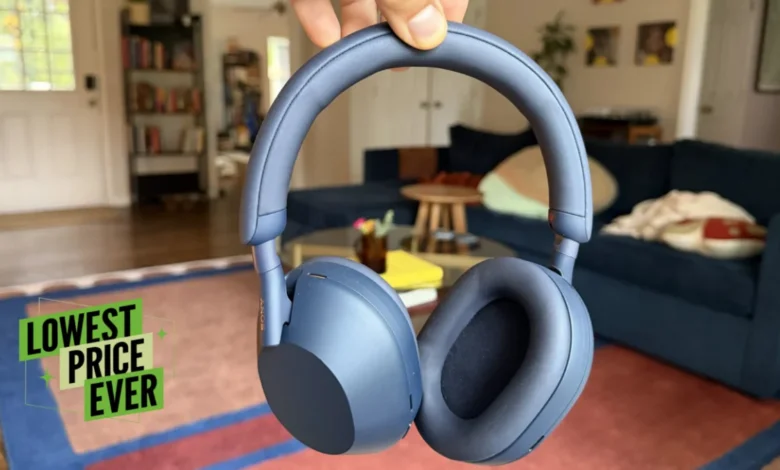
The consumer electronics market has entered its peak seasonal volatility as retailers and manufacturers coordinate early promotional campaigns ahead of the traditional Black Friday shopping window. Among the most significant developments in the audio hardware category is the aggressive discounting of the Sony WH-1000XM5 wireless noise-canceling headphones. As of November 4, 2026, the device is retailing for 198 dollars, representing a 50 percent reduction from its original manufacturer’s suggested retail price (MSRP) of 399.99 dollars. This valuation marks the lowest recorded price point for the unit since its introduction to the global market, providing a case study in product lifecycle management for premium consumer goods.
The Evolution of the Sony 1000X Series
To understand the significance of this price adjustment, one must consider the trajectory of Sony’s 1000X product line. Since the inaugural model’s launch in 2016, Sony has maintained a consistent biennial or triennial release cadence, focusing on incremental improvements in active noise cancellation (ANC) algorithms, driver efficiency, and Bluetooth codec integration.
The WH-1000XM5, released as the successor to the highly acclaimed XM4, introduced a refined design language and an updated integrated processor V1, which significantly enhanced the device’s ability to attenuate high-frequency sounds. While the recent release of the WH-1000XM6 has moved the technological goalposts for the series, the XM5 remains a high-performance benchmark for over-ear audio. The current discount strategy is a standard practice for electronics manufacturers seeking to clear existing channel inventory before the end of the fiscal year, while simultaneously capturing price-sensitive demographics who remain uninterested in the higher-margin premium features of the newest flagship model.
Comparative Market Analysis
The decision to drop the price to 198 dollars positions the XM5 as a disruptive force in the mid-range headphone market. At this price, the device competes directly with entry-level and mid-tier offerings from manufacturers such as Sennheiser, Bose, and Anker, which typically lack the sophisticated ANC processing and proprietary codec support found in Sony’s legacy flagship.
Technical data indicates that the XM5 supports a broad array of Bluetooth codecs, including AAC, SBC, and Sony’s proprietary LDAC, which allows for high-resolution audio streaming over Bluetooth connections. Furthermore, the inclusion of multipoint connectivity—allowing the headphones to maintain active links with two devices simultaneously—remains a critical feature for professional users navigating hybrid work environments.
According to data compiled by independent price-tracking services, the previous price floor for the XM5 fluctuated between 248 and 298 dollars during major holiday events in 2025. The move to sub-200 dollar pricing is an aggressive tactical shift, likely intended to consolidate market share during a period where consumer spending power is under scrutiny due to broader economic conditions.
Design and Functional Specifications
The WH-1000XM5 features a 30-millimeter driver unit, which, while smaller than the drivers in previous iterations, was engineered to provide superior rigidity and improved sound reproduction across the frequency spectrum. The physical design utilizes a “noiseless” aesthetic, prioritizing a seamless headband and lightweight synthetic leather earcups designed to distribute pressure evenly for extended wear.
While the device relies on touch-sensitive capacitive controls on the earcups—a design choice that has faced mixed reception among purists who prefer tactile physical buttons—it offers extensive customization via the Sony Headphones Connect application. This software ecosystem allows users to fine-tune EQ profiles, adjust ambient sound levels, and reprogram touch gestures.

Battery performance remains a cornerstone of the product’s value proposition. Sony claims up to 30 hours of playback time with ANC engaged, a figure that is corroborated by industry-standard lab testing. The inclusion of a 3.5mm analog input serves as a critical fail-safe, ensuring that the hardware remains functional even in scenarios where battery depletion occurs or where wireless interference renders Bluetooth connectivity impractical.
Implications of Early Holiday Discounting
The trend of "Early Black Friday" deals, which began gaining traction in the early 2020s, has effectively lengthened the holiday shopping season from a single weekend to a two-month promotional cycle. This shift has forced retailers to balance the need for high-volume sales against the risk of eroding brand prestige.
For Sony, the aggressive pricing of the XM5 serves a secondary function: it acts as a gateway for the 1000X ecosystem. By lowering the barrier to entry, the company increases the likelihood that consumers will integrate into the Sony audio ecosystem, potentially leading to future purchases of higher-end products or related accessories.
Industry analysts observe that this strategy also serves to mitigate the impact of competitive products from emerging manufacturers that are increasingly capable of replicating mid-tier audio quality at a fraction of the cost. By offering a "premium" legacy product at a "budget" price, Sony effectively squeezes the margins of competitors who rely on value-focused consumers.
Contextualizing the Consumer Experience
For the average consumer, the choice between the new WH-1000XM6 and the discounted XM5 presents a classic trade-off between marginal technical gains and absolute cost savings. The XM6 may offer superior microphone arrays or slightly more refined noise-cancellation latency, but for the majority of users—commuters, remote workers, and students—the XM5 offers 90 to 95 percent of the utility at approximately half the financial commitment.
Official feedback from product reviewers and audio enthusiasts suggests that while the XM6 is the "better" product on paper, the XM5 represents a "best-in-class" value proposition. As of mid-November 2026, the inventory levels for the XM5 at major digital storefronts are reported to be sufficient, though historical patterns suggest that such significant price drops often lead to stock depletion as the calendar approaches late November.
Future Outlook and Market Predictions
As we approach the end of 2026, the retail landscape for consumer electronics is characterized by high inventory levels and a cautious consumer base. Manufacturers are expected to continue utilizing deep discounting as a primary tool to stimulate demand. The 198 dollar price point for the Sony WH-1000XM5 serves as a barometer for the current state of the industry; it demonstrates that even highly sophisticated, premium-grade hardware is subject to the inevitable pressures of price depreciation in an increasingly crowded technological landscape.
Consumers interested in securing these units are advised to monitor official retail channels, as pricing and availability remain dynamic. While the current 198 dollar offer is robust, authorized retailers may adjust their pricing strategies based on regional supply chain fluctuations and inventory turnover rates as the holiday season progresses.
In summary, the transition of the Sony WH-1000XM5 to the sub-200 dollar tier is a landmark event for 2026, providing a rare opportunity for consumers to access high-fidelity audio equipment at a price point traditionally reserved for mid-range alternatives. Whether this signifies the beginning of a broader trend in pricing for the 1000X series remains to be seen, but it undoubtedly establishes a new, highly competitive baseline for the premium headphone market moving forward.