The Ultimate Collection of Nutritious Autumnal Dinners and Seasonal Meal Planning Strategies

As the autumnal equinox marks the transition toward shorter days and cooler temperatures, consumer dietary patterns typically shift from the light, produce-heavy intake of summer toward more calorically dense, warming meals. This seasonal transition, often referred to by culinary experts as the "sweater-weather" transition, necessitates a strategic adjustment in home cooking to maintain nutritional density while satisfying the physiological desire for comfort. Recent market data indicates that search interest for "healthy comfort food" increases by approximately 40% during the final quarter of the year, as households seek to balance the desire for hearty flavors with long-term wellness objectives.
The Nutritional Physiology of Seasonal Eating
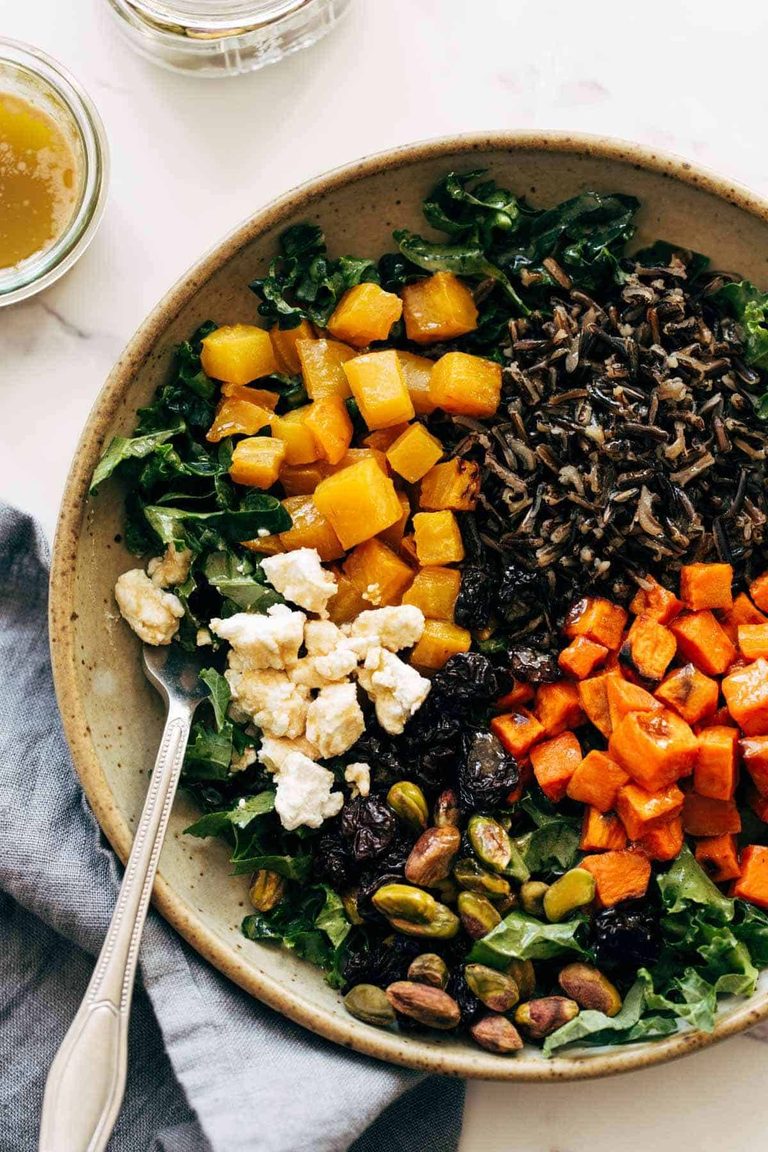
The shift in cooking styles—moving toward roasted root vegetables, legume-based soups, and warm grain bowls—is grounded in both tradition and biological necessity. During the transition to fall, the body’s metabolic response to environmental cooling often leads to a craving for complex carbohydrates and warm, nutrient-dense proteins. Nutritionists note that fall staples such as sweet potatoes, kale, brussels sprouts, and lentils provide essential fiber, antioxidants, and sustained energy levels that support immune function during the colder months.
A recent analysis by the Department of Agriculture’s dietary guidelines suggests that the consumption of seasonal root vegetables, when prepared with minimal processing, significantly contributes to the recommended daily intake of potassium and Vitamin A. By integrating these ingredients into daily meal planning, home cooks can mitigate the common tendency to rely on processed comfort foods that lack essential micronutrients.
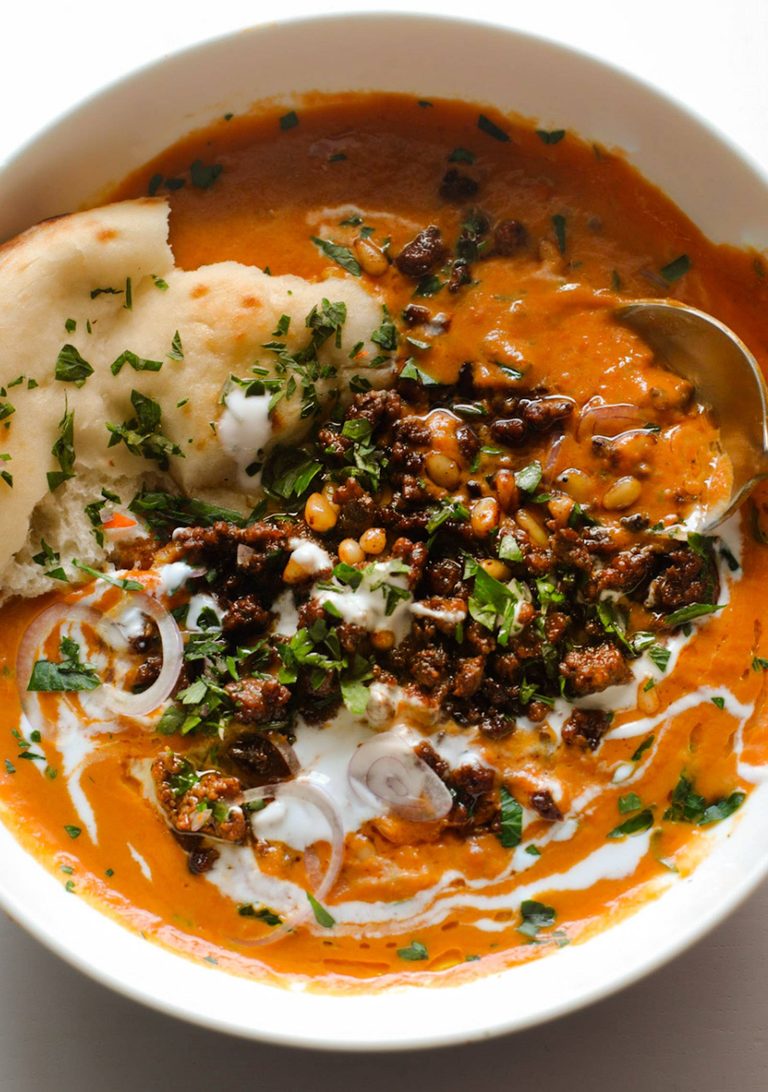
Chronology of the Autumnal Culinary Shift
The transition typically begins in mid-September, as local harvest cycles peak for autumn produce. By early October, culinary trends move toward long-simmering dishes and one-pot meals. This period is categorized by three distinct phases:
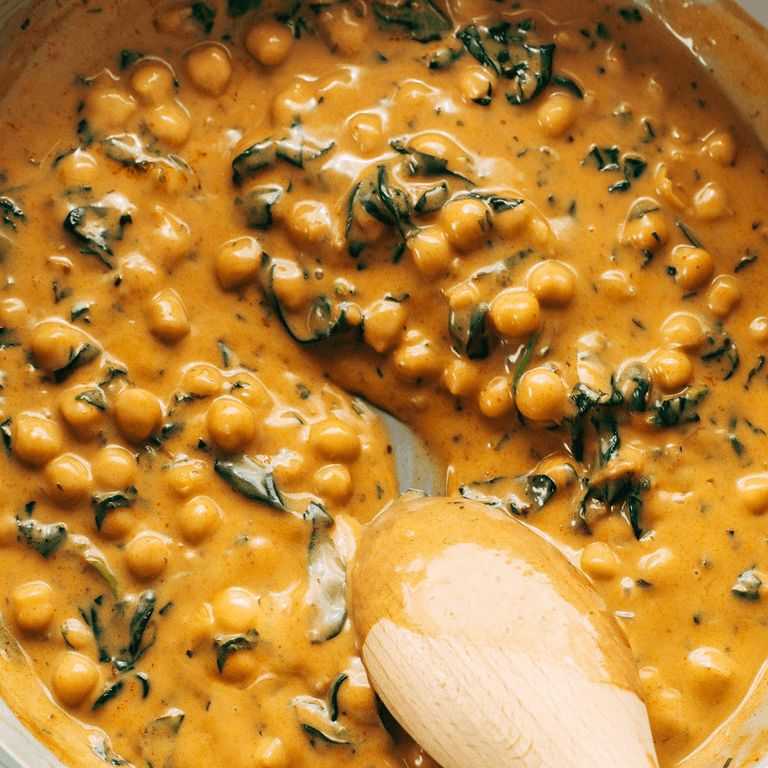
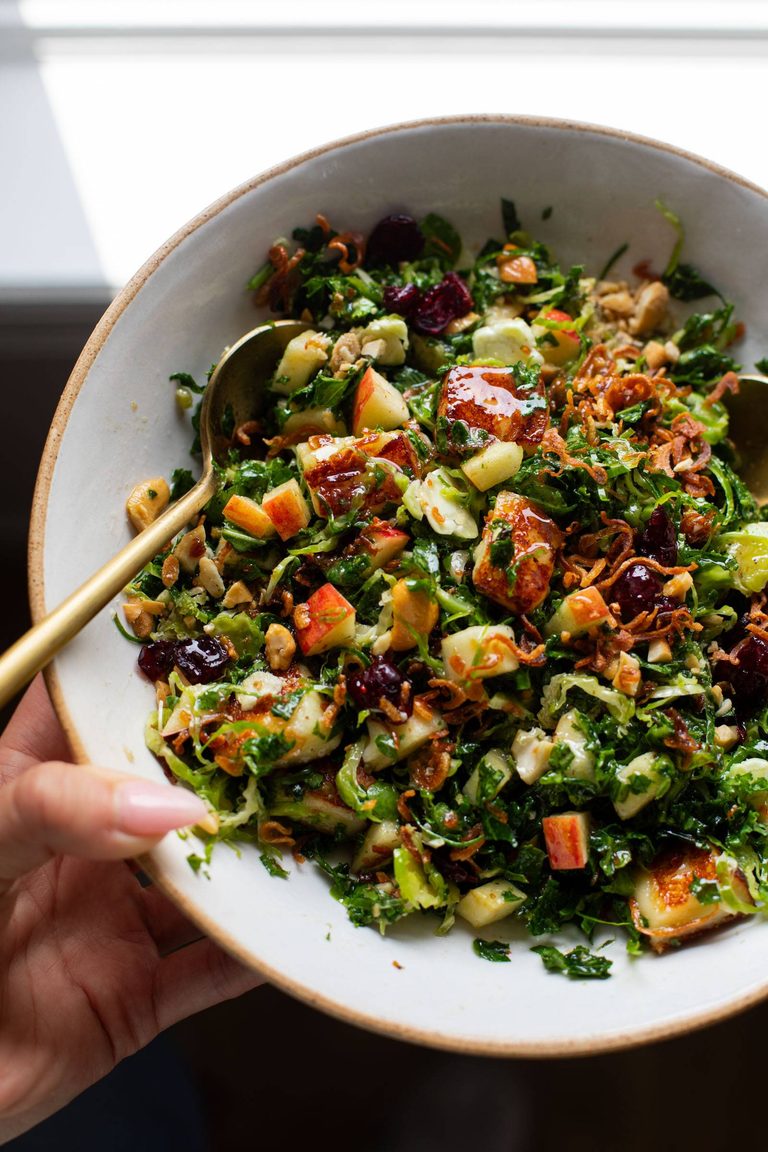
- Phase One (Late September): A focus on "bridge" meals, such as kale and apple salads, which utilize the last of the late-summer greens while introducing the first harvest of seasonal orchard fruits.
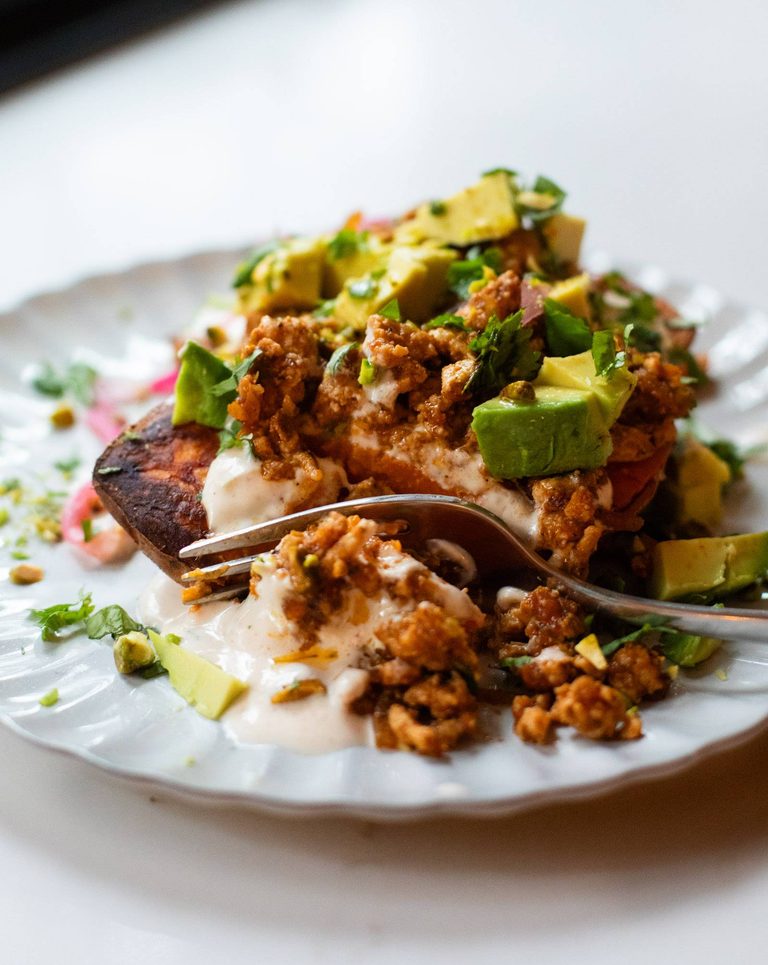
- Phase Two (October): The peak of root vegetable utilization. Dishes such as roasted sweet potato stacks with chipotle sauce and carrot-based soups gain prominence due to the availability of fresh harvests and the need for high-heat roasting techniques.
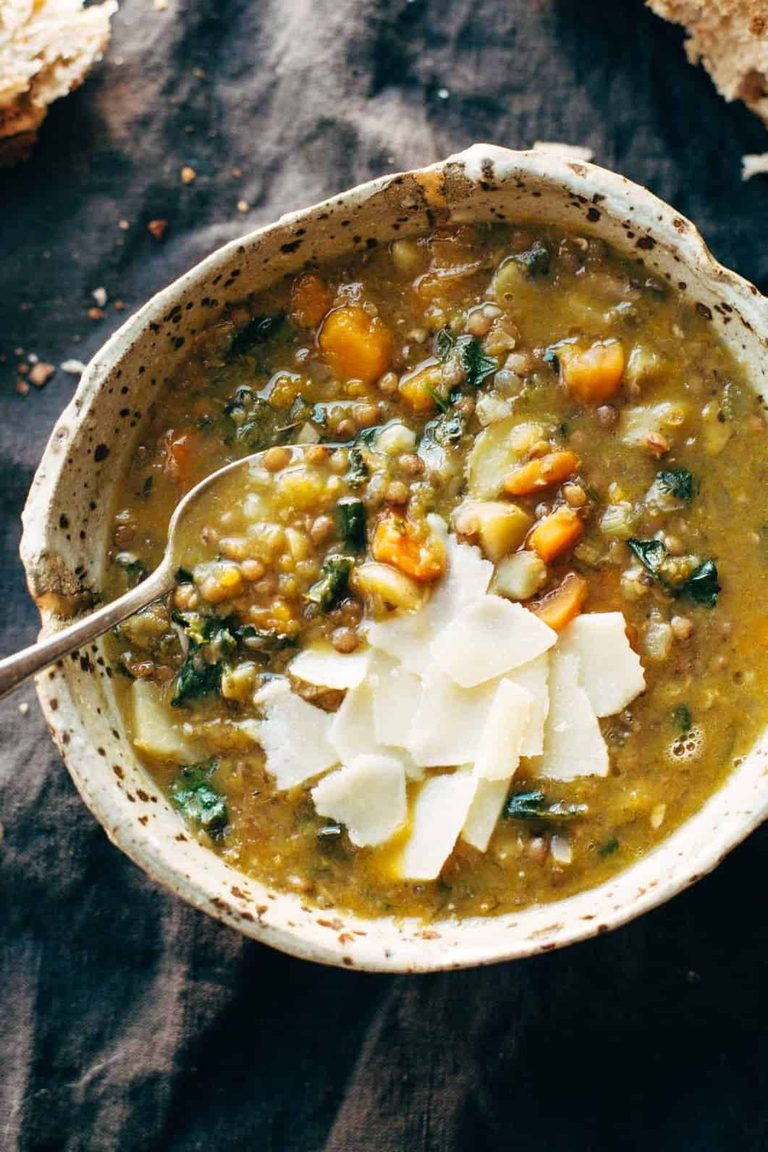
- Phase Three (November): A transition toward heavy stews and protein-dense soups, such as lentil-based crockpot meals and chicken stews, designed for high-volume batch cooking and meal preparation.
Data-Driven Meal Prep Strategies
For the modern household, the efficiency of meal preparation has become a critical factor in maintaining a healthy diet. Statistical analysis from home-cooking platforms indicates that recipes requiring fewer than 30 minutes of active prep time are 65% more likely to be adopted into weekly routines. Dishes that utilize batch-cooked proteins—such as shredded chicken, spiced ground beef, or marinated tempeh—allow for a "bowl-based" architecture.
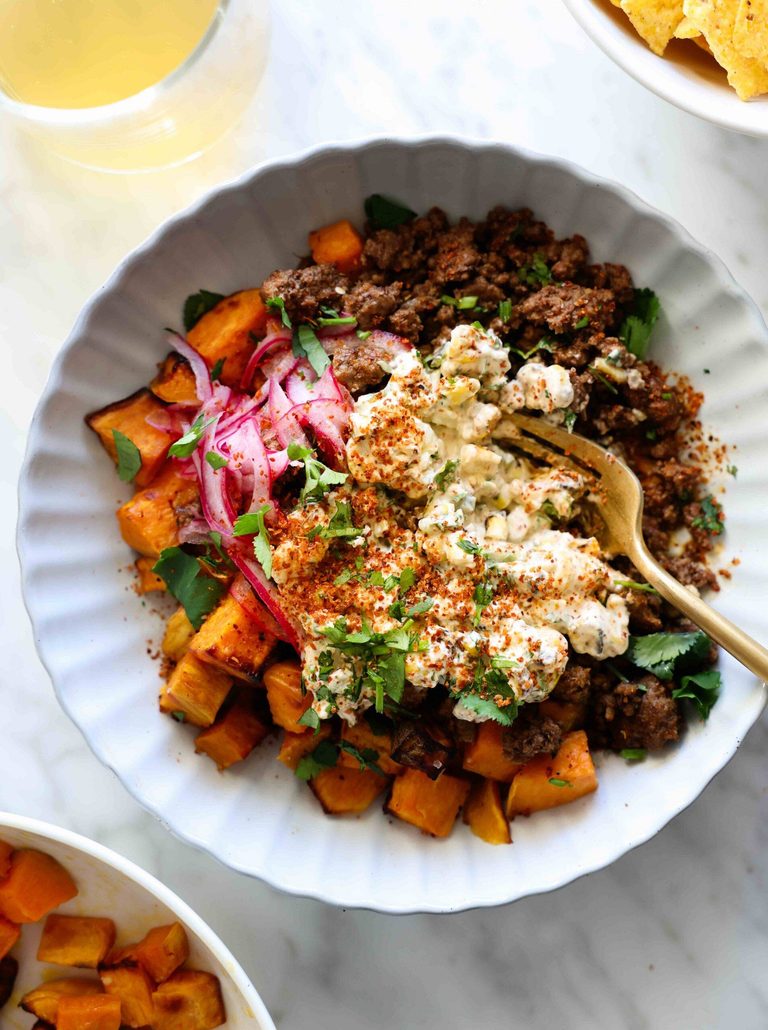
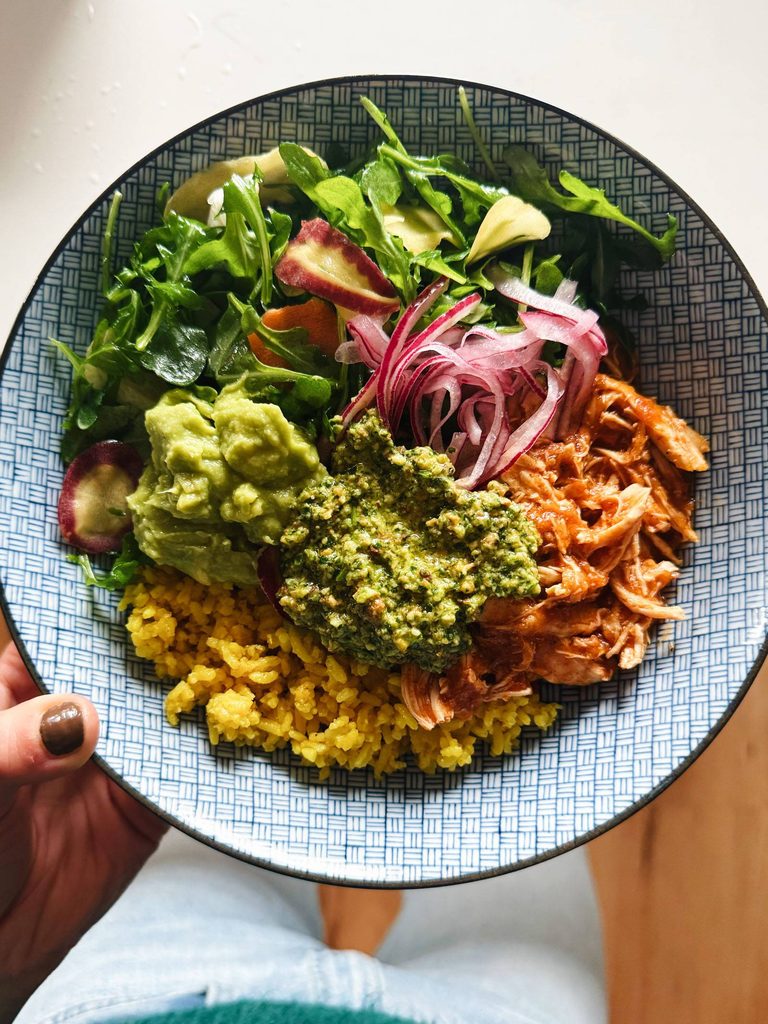
These bowls, which often feature a grain or roasted starch base topped with fresh greens and a high-protein sauce, have become a staple in modern nutritional planning. For instance, the inclusion of "street corn" style dips or avocado-based mojo sauces provides a high-protein, flavor-forward topping that enhances the palatability of roasted vegetables, thereby increasing overall vegetable consumption among children and adults alike.
Expert Perspectives on Seasonal Ingredient Pairing
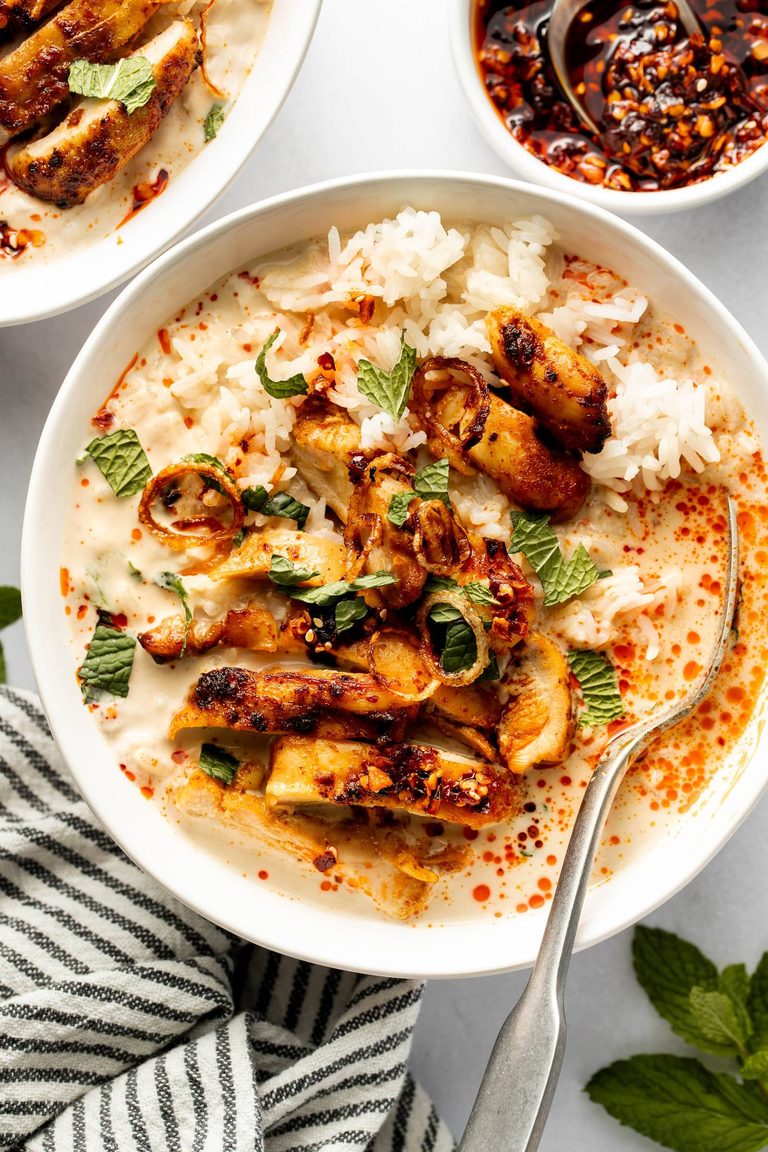
Culinary scientists emphasize that the success of fall cooking lies in the balance of textures and flavors. The combination of "acid and heat"—such as the pairing of lime-infused broths with yellow curry chicken—acts to brighten heavier, starch-laden meals. Similarly, the use of fermented ingredients like kimchi or sauerkraut, often found in modern grain bowls, adds a layer of probiotics that support digestive health, a common concern as diets become more calorie-dense during the winter.
"The goal for the average consumer," states a spokesperson from a prominent nutrition advocacy group, "is to bridge the gap between ‘healthy’ and ‘crave-able.’ When you look at ingredients like chickpeas, salmon, and lentils, you are looking at the foundation of a diet that is both sustainable for the planet and beneficial for the individual."

Case Studies in Modern Fall Recipes
The following items represent the most requested and nutritionally balanced recipes currently driving the seasonal culinary trend:
- Legume-Centric Soups: The adoption of instant-pot red curry lentils or detox crockpot lentil soups demonstrates a preference for plant-based proteins. These recipes are prized for their ability to maintain flavor profile integrity during the reheating process, making them ideal for professional meal prep.
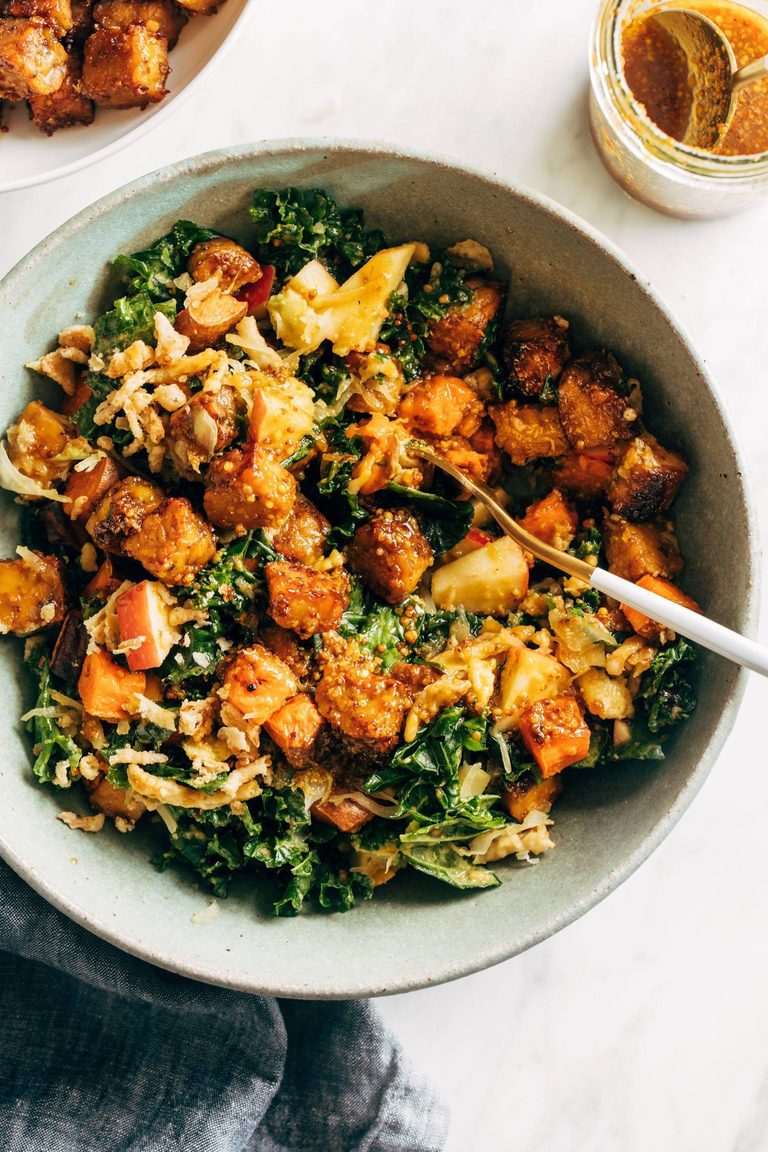
- The Bowl Evolution: Bowls featuring roasted cauliflower and hummus or maple-mustard tempeh signify a departure from traditional "meat and two veg" plates. These dishes focus on a "rainbow" of micronutrients, incorporating everything from cruciferous vegetables to ancient grains like quinoa.
- Seafood and Spice: The rise of coconut curry salmon or hot honey salmon reflects a growing interest in utilizing heart-healthy omega-3 fatty acids in a way that aligns with the savory, spiced profiles preferred during autumn.
Broader Impact and Economic Implications
The shift toward home-based healthy eating has significant economic implications for the grocery retail sector. Increased demand for seasonal produce such as brussels sprouts, kale, and winter squash forces a realignment of supply chains to favor local and regional distribution. Furthermore, the rise in popularity of these specific recipes has spurred innovation in "healthy convenience" products, such as pre-shredded kale mixes and pre-cooked lentil pouches, which allow consumers to replicate these complex meals in under 20 minutes.
Beyond the supermarket, this trend reflects a broader cultural movement toward "conscious consumption." As consumers become more informed about the environmental impact of their food choices, the focus on seasonal, plant-forward, and zero-waste cooking—where leftovers are repurposed into secondary meals—becomes not just a preference, but a standard practice.
Future Outlook for Autumnal Dining
As we move toward the end of the year, the emphasis on "healing" foods—defined by nutrient-dense broths, fresh herbs, and anti-inflammatory spices like turmeric and ginger—is expected to grow. The integration of technology in the kitchen, such as programmable slow cookers and pressure cookers, will continue to facilitate this trend, allowing for sophisticated, restaurant-quality meals to be prepared in a domestic setting with minimal time investment.
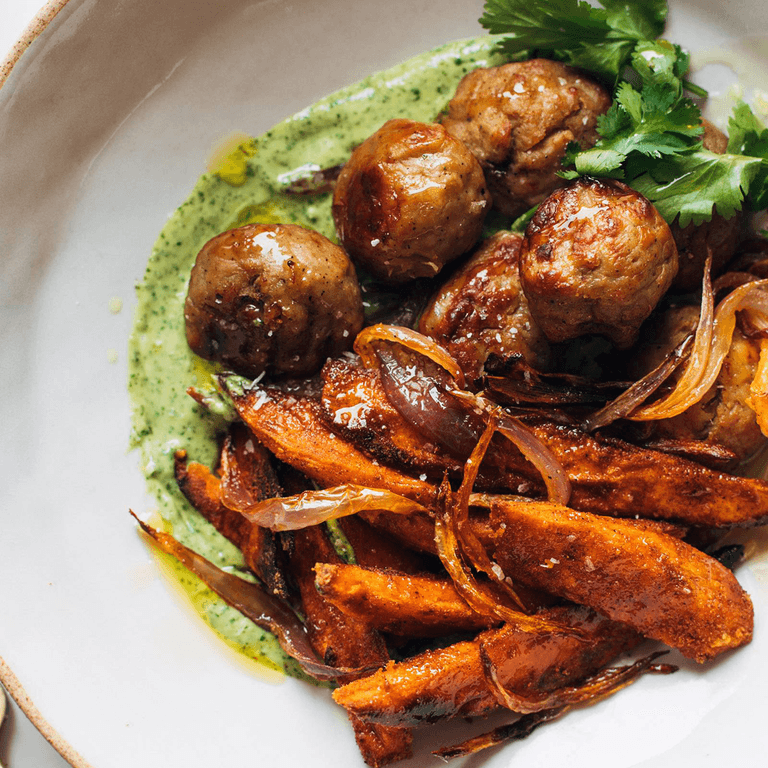
Ultimately, the transition into fall serves as a vital reset for many households. By focusing on the inherent quality of seasonal ingredients and utilizing time-saving techniques, consumers can navigate the challenges of a busy schedule without sacrificing nutritional integrity. Whether it is a simple bowl of roasted root vegetables with a tahini drizzle or a complex, slow-simmered chicken stew, the current culinary landscape proves that the highest form of comfort is found in food that is both deeply satisfying and fundamentally nourishing. This seasonal cycle, while predictable, continues to offer a framework for health that adapts to the shifting needs of the modern, health-conscious individual.