The Essential Summer Harvest Recipe Guide for Maximizing Seasonal Farmer’s Market Produce

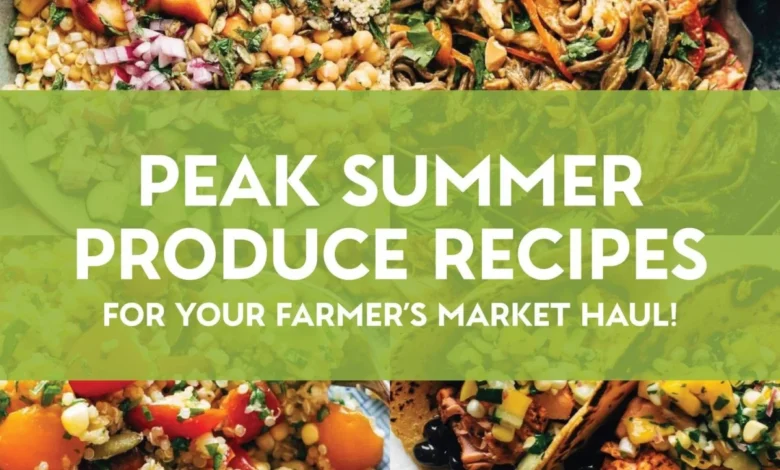
The transition into the peak summer months marks a significant shift in the North American agricultural landscape, characterized by an abundance of fresh produce that dictates culinary trends and consumer purchasing behavior. As local farmers’ markets reach their highest levels of activity, the challenge for many consumers shifts from finding quality ingredients to effectively utilizing a diverse surplus of perishable goods. This guide serves as a comprehensive framework for integrating peak-season staples—including corn, tomatoes, zucchini, and stone fruits—into a versatile culinary repertoire designed for nutritional density and waste reduction.
The Economic and Nutritional Landscape of Seasonal Eating
The rise of the "farm-to-table" movement has seen a measurable increase in the number of operational farmers’ markets across the United States. According to data from the United States Department of Agriculture (USDA), there are currently over 8,600 farmers’ markets registered in the National Farmers Market Directory, representing a significant growth from the roughly 2,000 markets recorded in 1994. This surge reflects a broader consumer shift toward transparency in the food supply chain and a preference for local sourcing.
From a nutritional perspective, consuming produce during its natural harvest window offers distinct advantages. Research indicates that fruits and vegetables harvested at peak ripeness often contain higher concentrations of essential vitamins and antioxidants compared to produce that is picked early for long-distance transport. For instance, Vitamin C levels in spinach and tomatoes can begin to degrade within days of harvest; therefore, the shortened supply chain of a local market ensures higher nutrient retention.
Strategic Utilization of High-Yield Summer Crops
As the summer progresses, specific crops often reach a point of "surplus harvest," where supply temporarily exceeds immediate demand. Zucchini and corn are primary examples of high-yield vegetables that require creative culinary strategies to prevent spoilage.
Innovative Approaches to Zucchini and Corn
Zucchini, known for its rapid growth and high moisture content, is often underutilized in traditional cooking. However, modern nutritional strategies emphasize its versatility in both savory and sweet applications. The "Feel-Good Zucchini Muffins" and "Almond Butter Chocolate Chip Zucchini Bars" represent a growing trend in "hidden vegetable" baking, where zucchini provides structural moisture and fiber without compromising the flavor profile of the dessert. These recipes utilize oats, dates, and maple syrup to align with contemporary health-conscious dietary preferences.

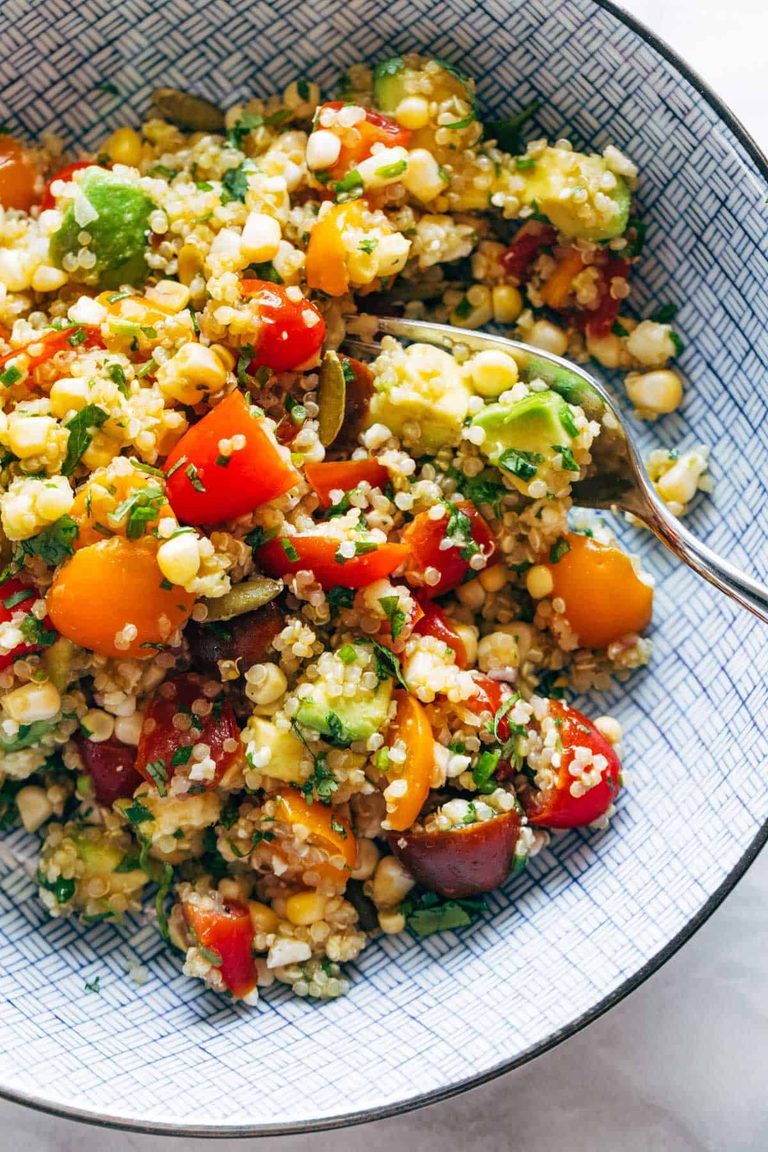
Similarly, sweet corn serves as a foundational element in summer gastronomy. Beyond traditional roasting, corn is increasingly used as a texture-enhancing component in complex salads. The "Elote Style Quinoa Salad" and the "Corn, Avocado, and Quinoa Salad with Marinated Tomatoes" demonstrate how the natural sweetness of corn can balance the acidity of marinated vegetables and the nuttiness of ancient grains. These dishes reflect a broader culinary shift toward "grain bowls," which market analysts identify as a dominant trend in the fast-casual and home-cooking sectors due to their portability and balanced macronutrient profiles.
The Role of Tomatoes in Seasonal Gastronomy
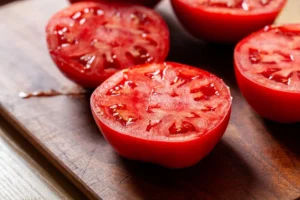
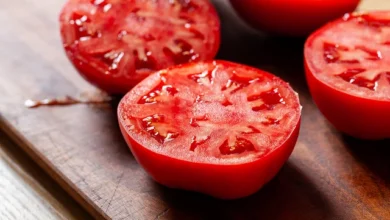
Tomatoes represent the quintessential summer crop, with peak seasons typically spanning from July through September. During this window, the flavor profile of the fruit is characterized by a balance of sugars and acids that is often absent in greenhouse-grown varieties available during the winter months.
Preservation and Preparation Techniques
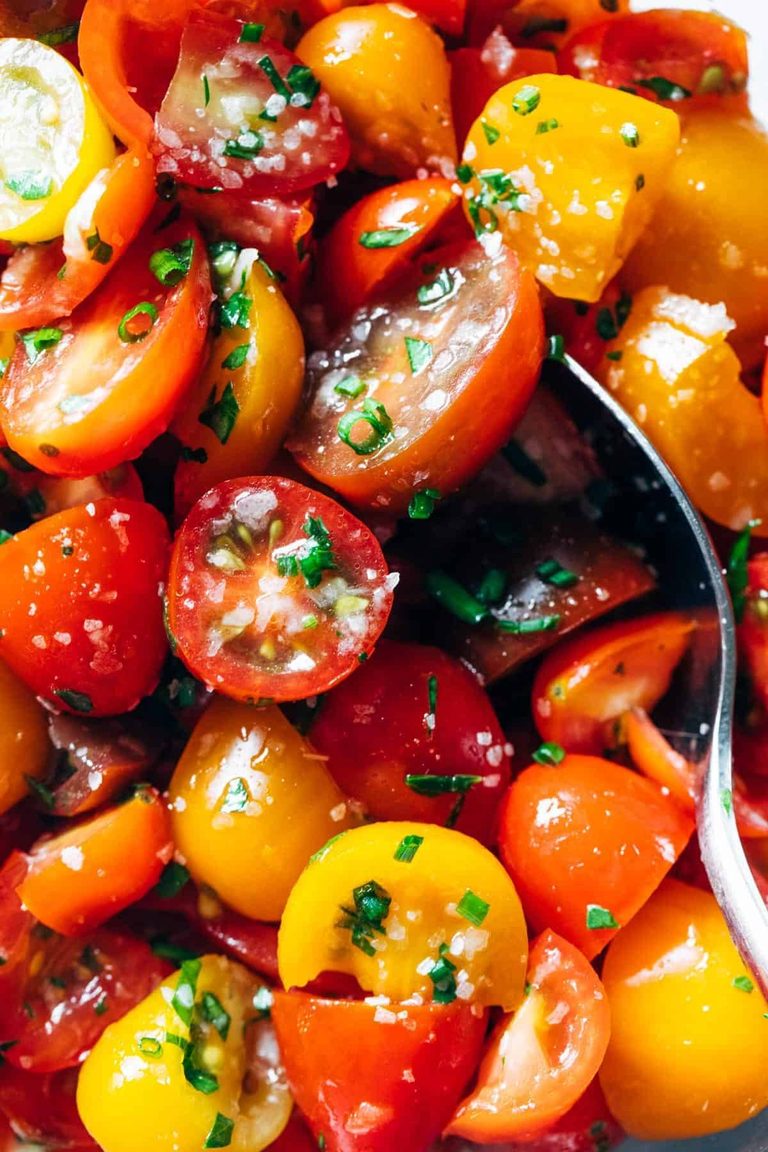
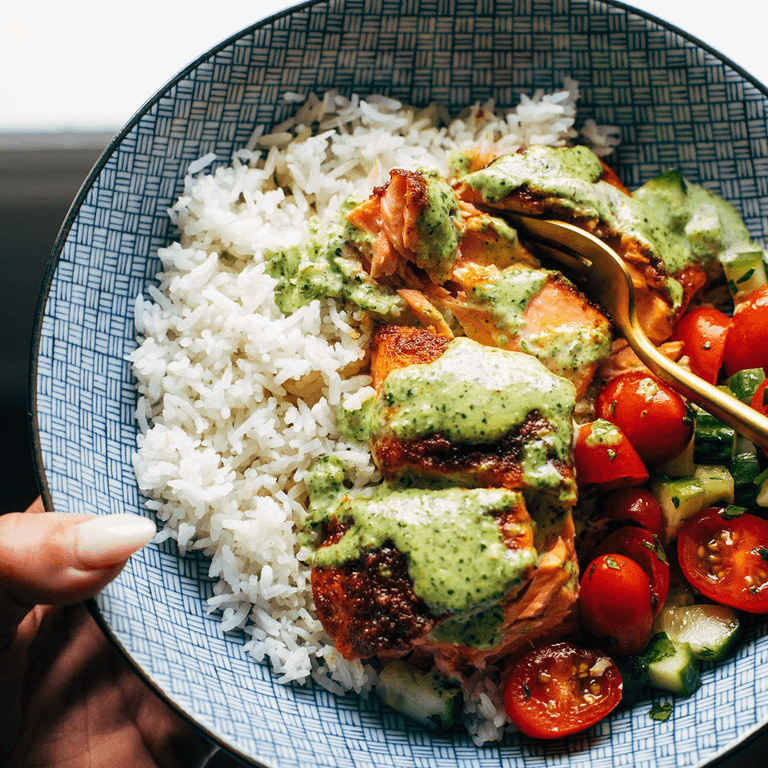
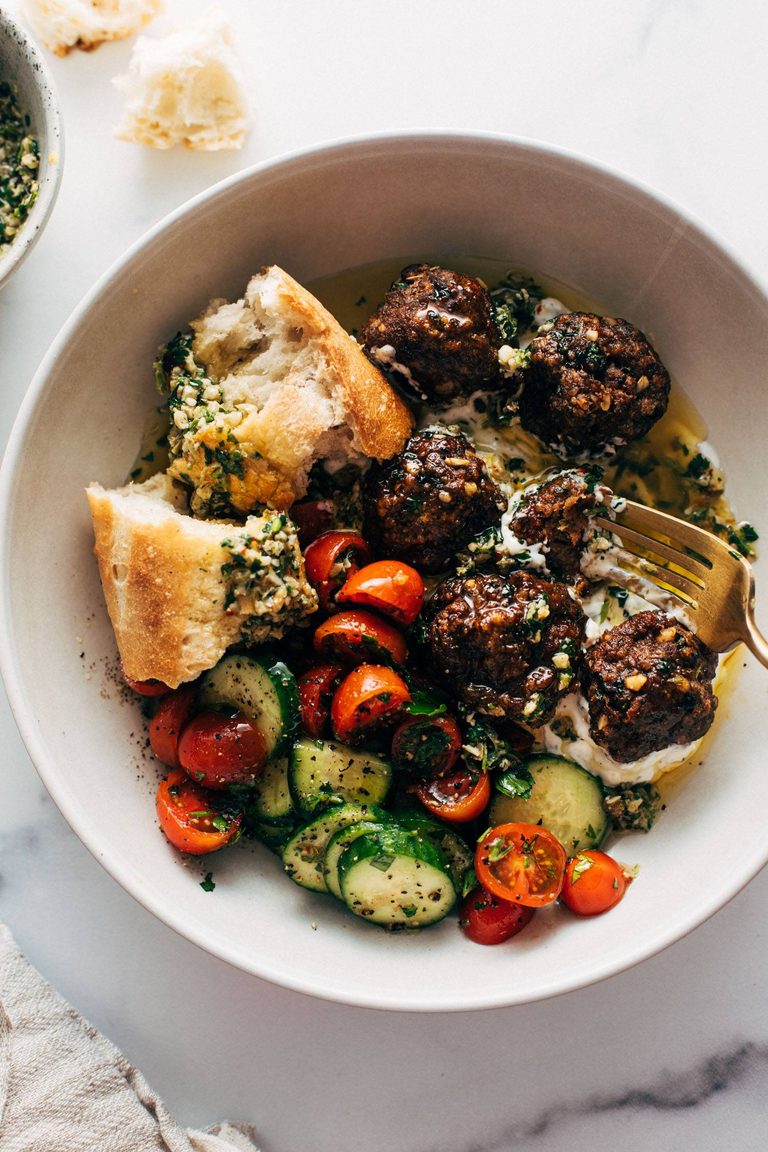
To maximize the utility of a tomato harvest, culinary experts recommend a variety of preparation methods ranging from raw marination to slow roasting. The "5-Ingredient Marinated Tomatoes" serve as a fundamental "building block" recipe, utilizing lemon juice, garlic, and olive oil to enhance the natural juices of the fruit. This preparation can be integrated into various meals, such as the "Salmon with Basil Sauce and Tomato Salad" or the "Sheet Pan Meatballs with Tomato Salad."
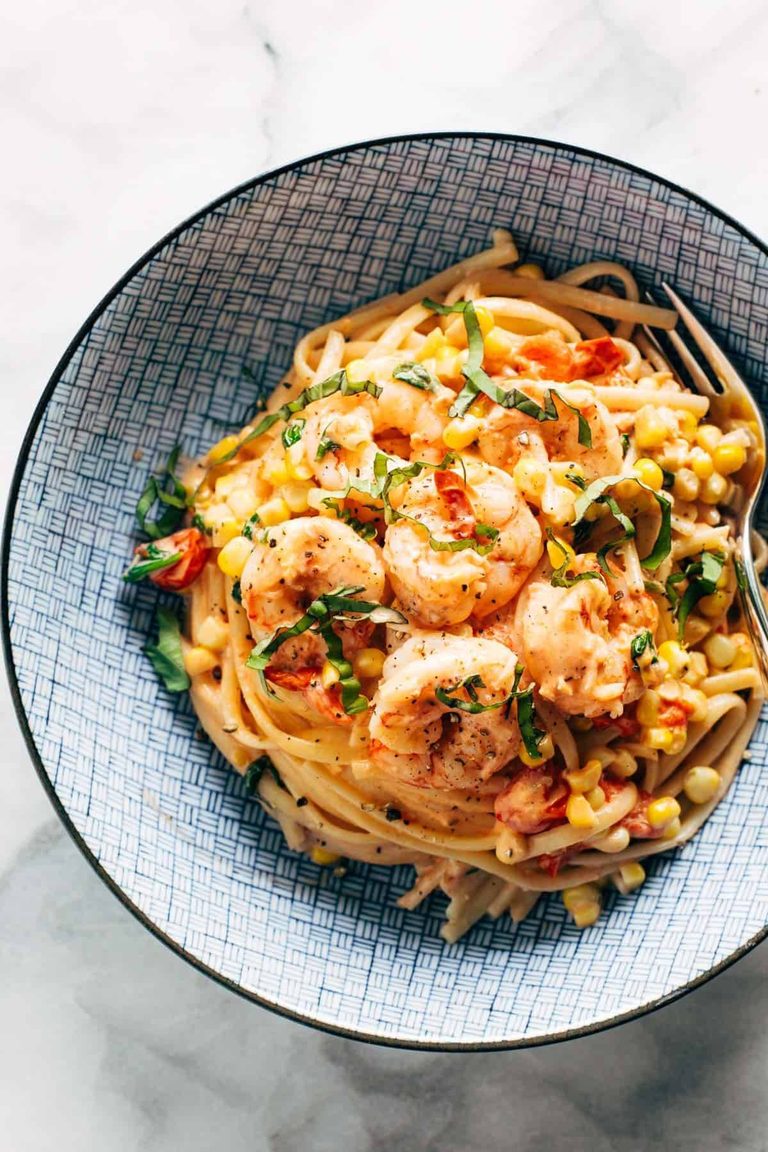
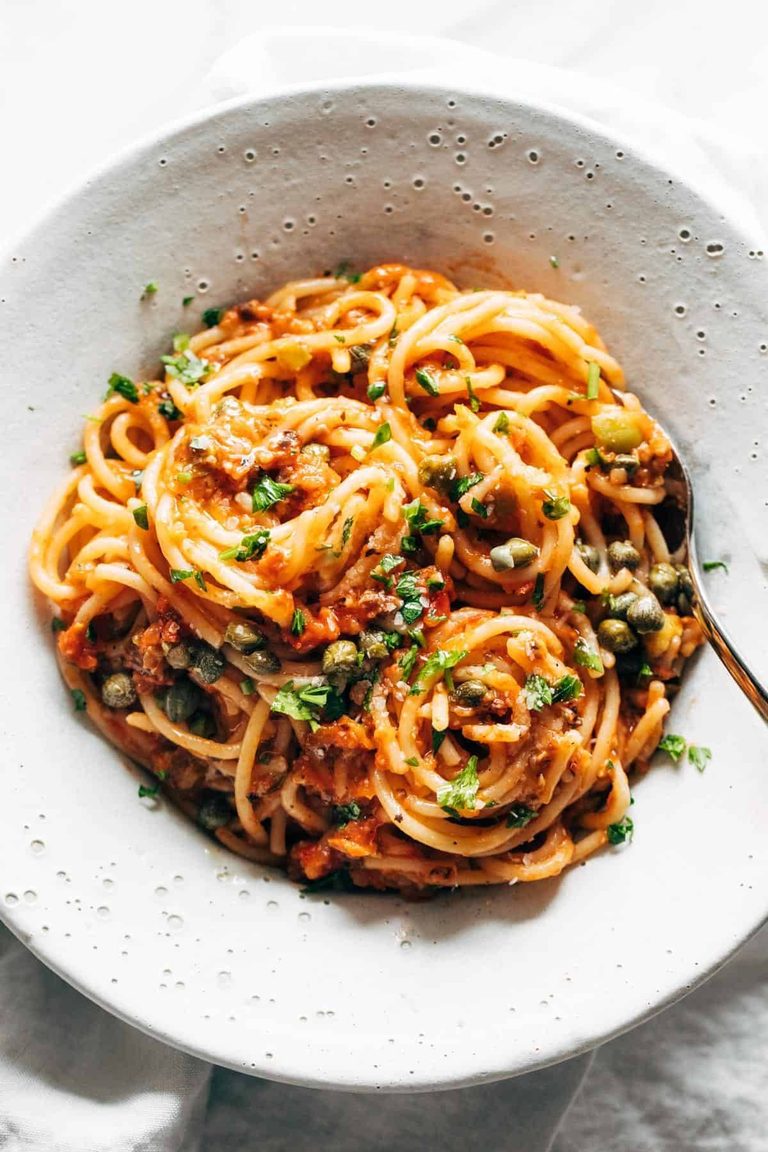
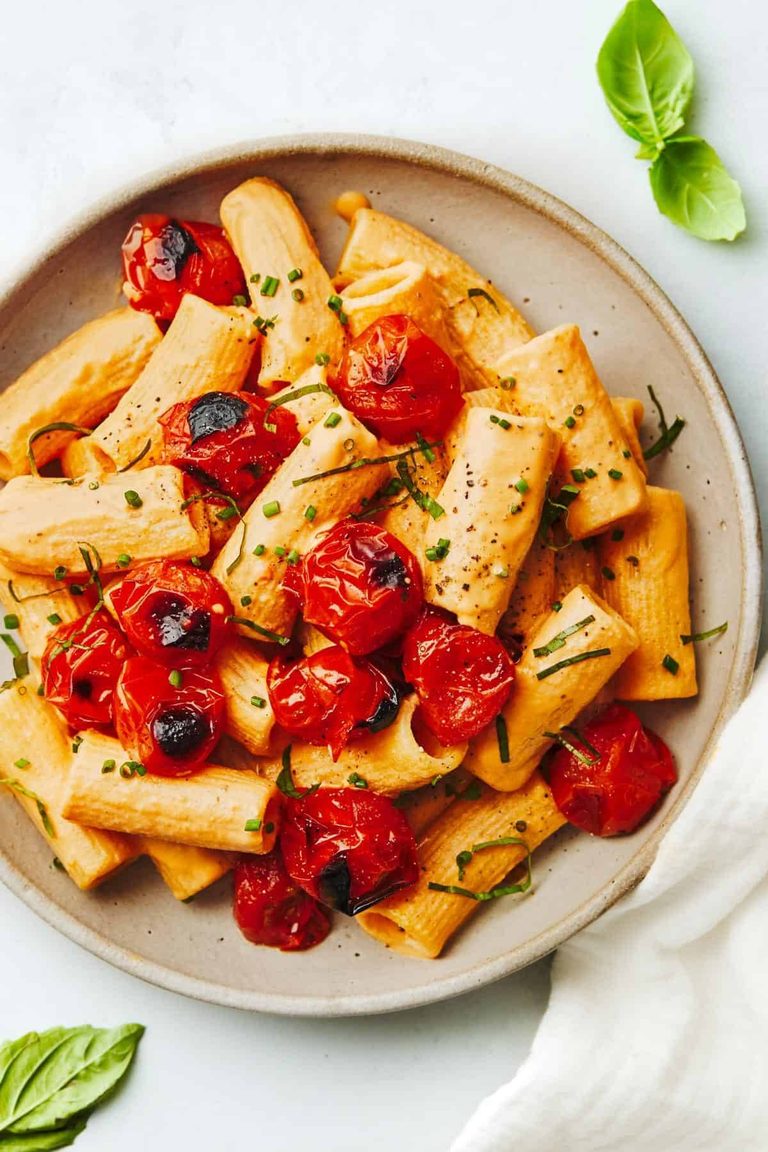
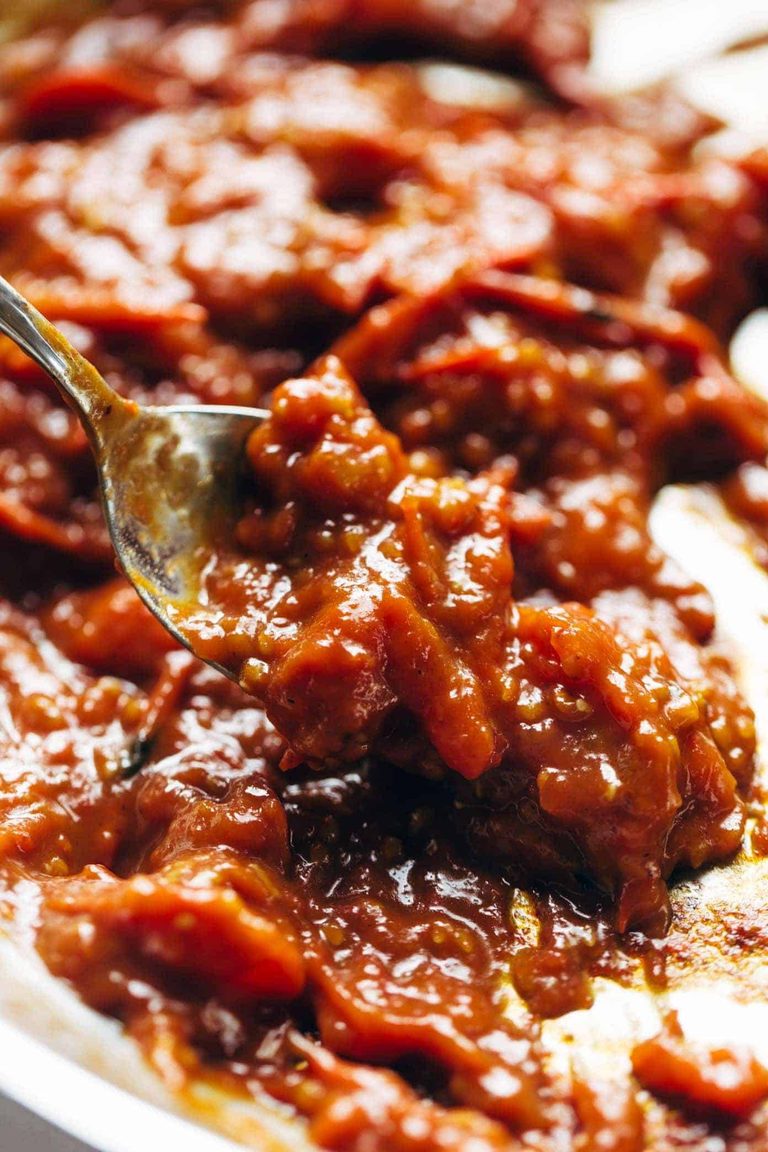
For tomatoes that have passed their peak aesthetic firmness, heat-based applications such as the "Basic Garlic Butter Tomato Sauce" or the "Roasted Tomato Puttanesca" provide a means of intensifying flavor through reduction. This approach not only extends the shelf life of the produce but also creates a versatile base for high-protein meals, such as "Creamy Shrimp Pasta with Corn and Tomatoes" or "Garlic Shrimp and Tomatoes with Parmesan Orzo."

Integrating Global Flavors with Local Produce
A notable trend in contemporary home cooking is the application of global flavor profiles to local, seasonal ingredients. This "fusion" approach allows for variety in daily meal planning while adhering to the constraints of seasonal availability.
Sauce-Centric Meal Planning
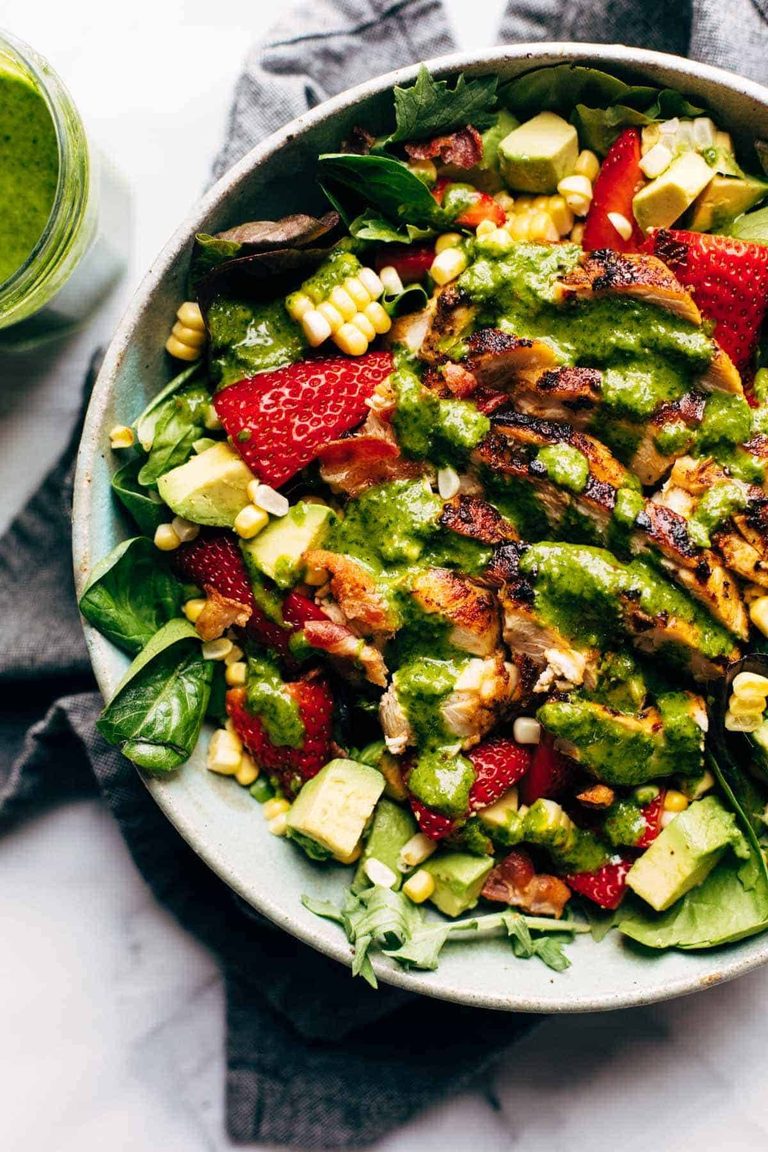
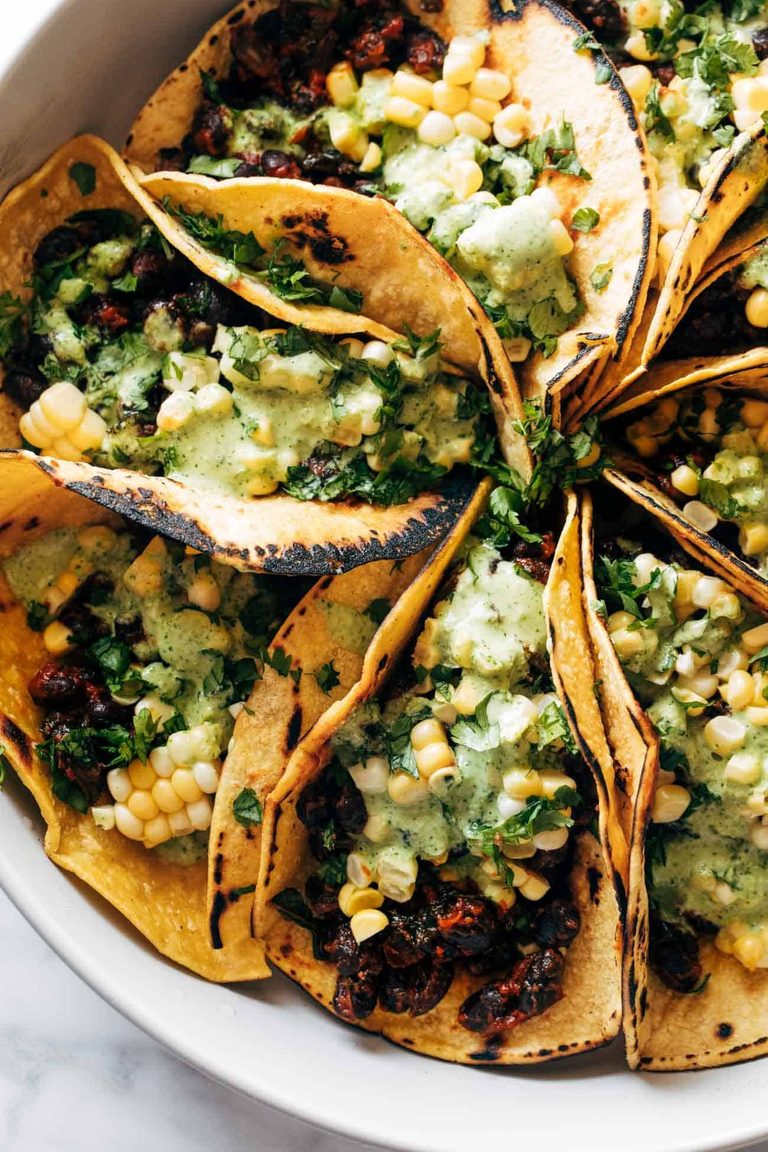
The use of vibrant, herb-based sauces is a recurring theme in summer recipe development. The "5 Minute Magic Green Sauce," "Very Incredible Basil Sauce," and "Aji Verde" illustrate how surplus herbs like cilantro, basil, and parsley can be preserved in oil-and-acid-based emulsions. These sauces serve as a unifying element for diverse ingredients, as seen in the "Smoky Beans & Greens Tacos" or the "Grilled Chicken with Pepperoncini Garlic Butter."
Complex Protein Pairings
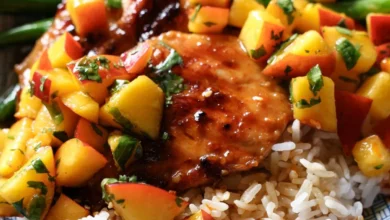
The integration of seasonal produce with lean proteins like salmon, chicken, and shrimp is a cornerstone of summer nutrition. Dishes such as "Lemongrass Chicken with Rice and Zucchini" and "Banza Chicken Bowls with Calabrian Chili Sauce" demonstrate how global spices can elevate standard summer vegetables. Furthermore, the "Salmon Tacos with Mango Corn Salsa" highlights the use of fruit-based salsas as a refreshing, low-calorie alternative to heavy cream-based dressings.
The Dessert Economy: Stone Fruits and Berries
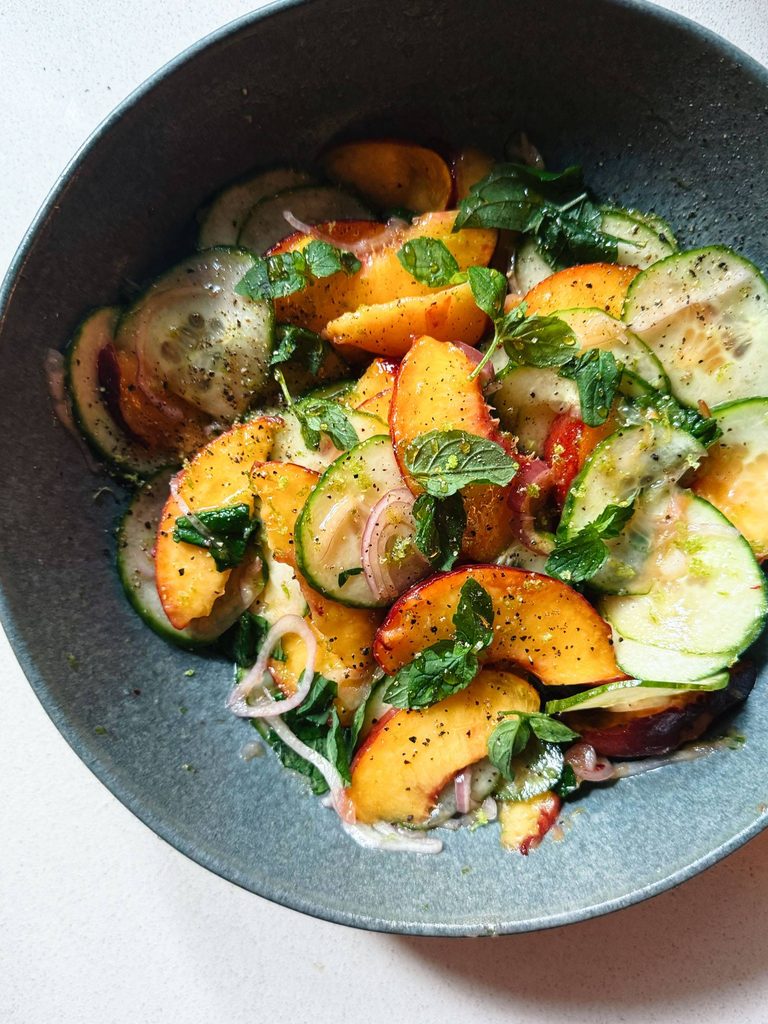
The summer season is uniquely defined by the availability of stone fruits (peaches, nectarines) and berries (strawberries, cherries). These items are highly perishable and command high market prices, making efficient use essential for the consumer.
Traditional and Modern Confections
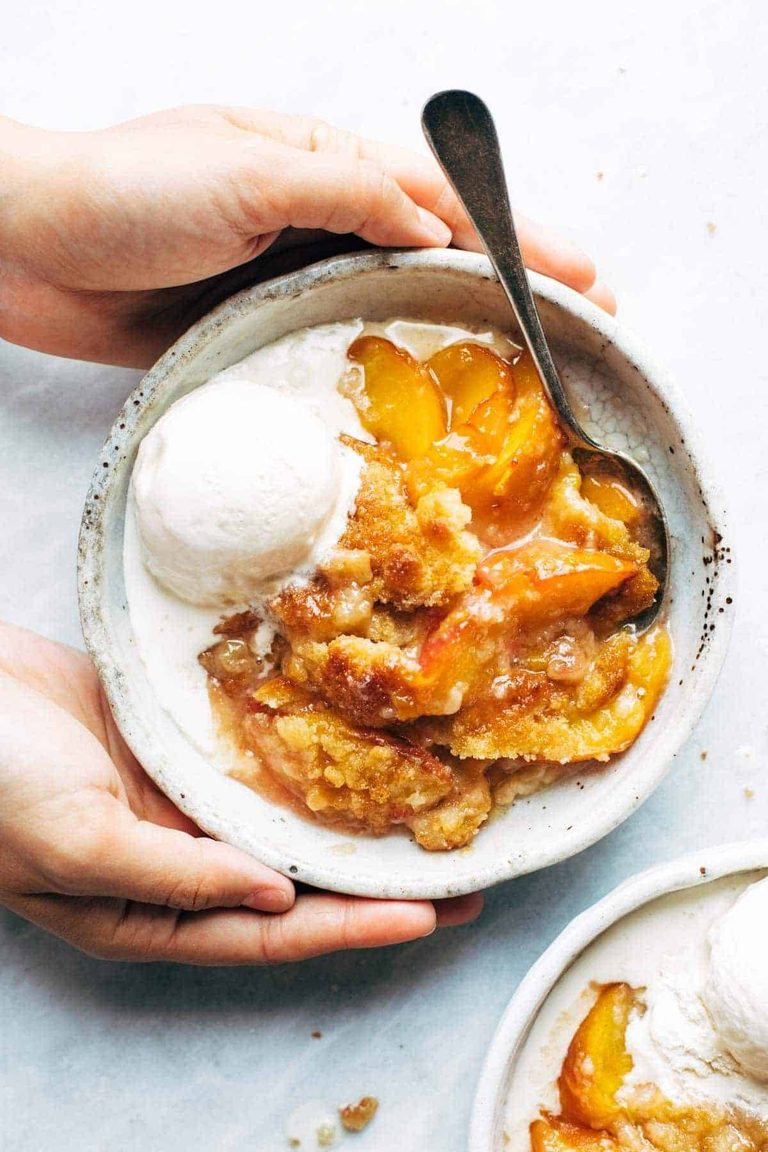
The "Best Peach Cobbler" and "Easy Strawberry Pie" represent the traditional end of the culinary spectrum, focusing on the natural sugars of the fruit enhanced by simple crusts and crumbles. However, more experimental applications are gaining traction. The "Pickled Strawberries" recipe, served with goat cheese on sourdough, indicates a growing interest in savory-sweet contrasts and the use of pickling as a method to extend the utility of overripe berries.
Environmental and Community Implications
Beyond individual nutrition, the act of cooking with farmer’s market produce has broader socio-economic implications. By purchasing directly from producers, consumers contribute to the "multiplier effect" within their local economy. Studies by the Farmers Market Coalition suggest that for every dollar spent at a farmers’ market, a significant portion remains within the community, supporting local jobs and land preservation.
Furthermore, the reduction in food miles—the distance food travels from farm to plate—has a direct impact on the carbon footprint of a household’s diet. The average piece of produce in a conventional U.S. grocery store travels approximately 1,500 miles. In contrast, farmer’s market produce typically travels less than 100 miles, drastically reducing transportation-related emissions.
Conclusion: A Systematic Approach to Seasonal Abundance
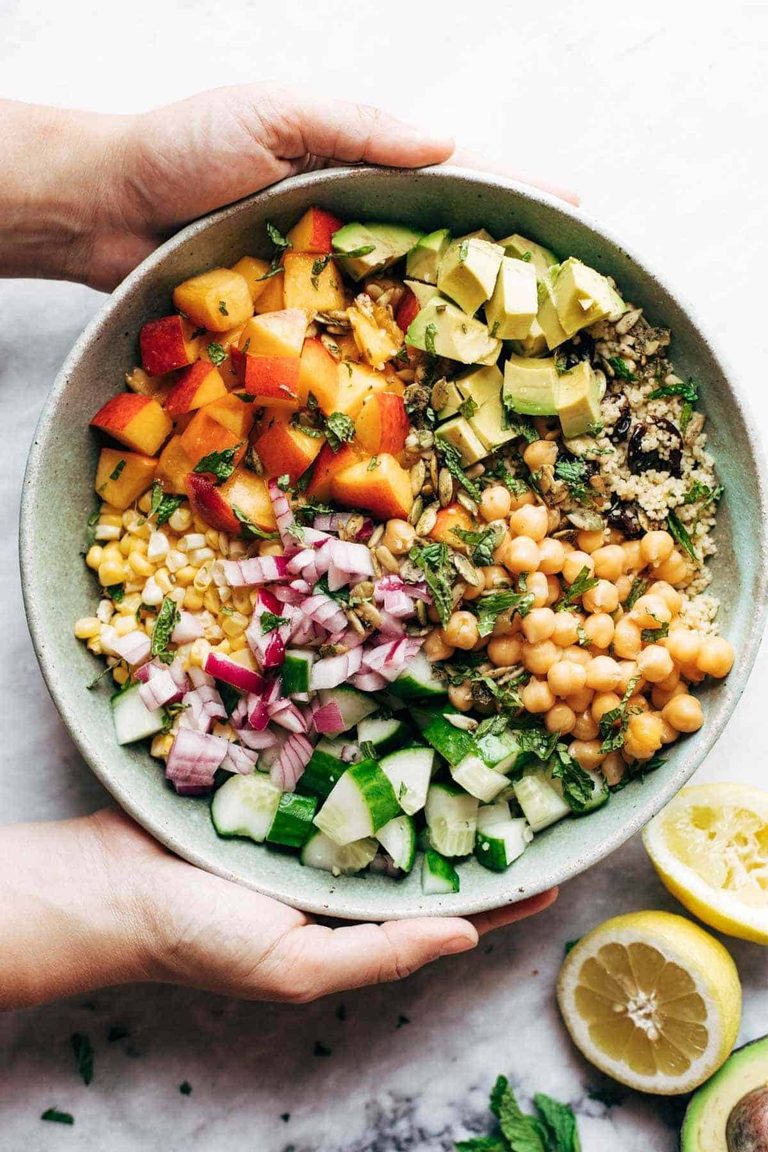
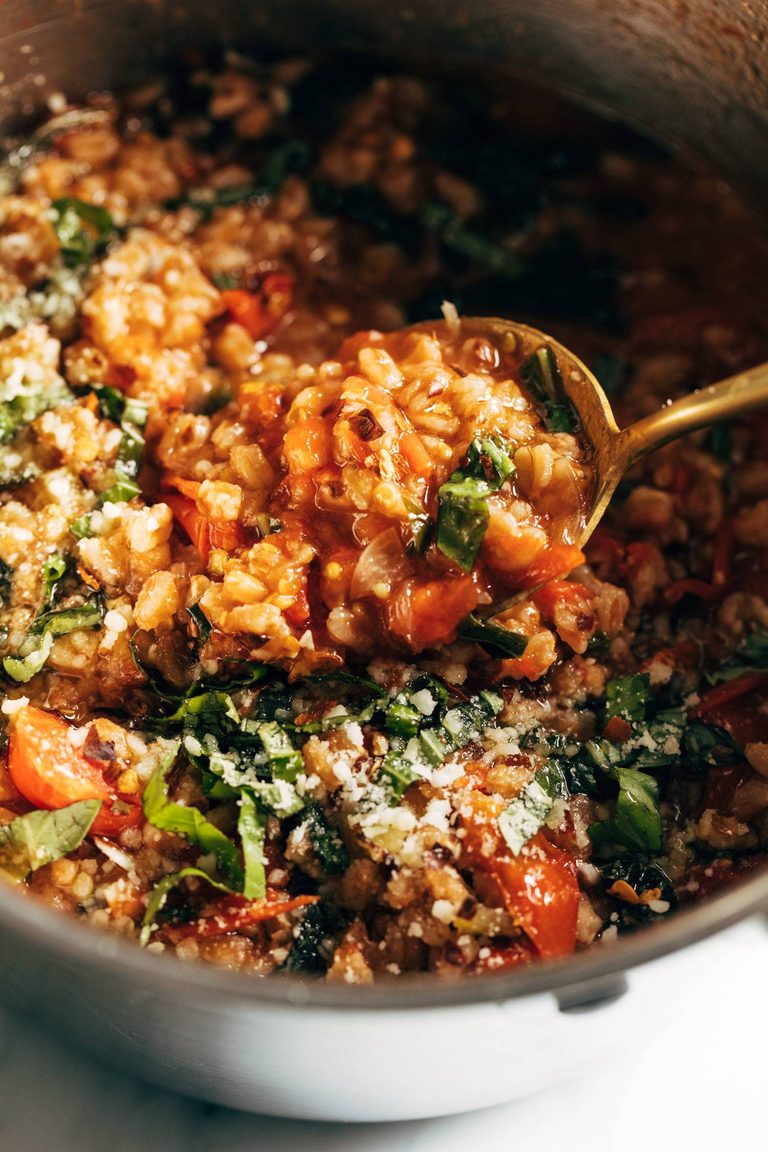
The recipes outlined in this guide—from the "Couscous Summer Salad" to the "Roasted Tomatoes with Goat Cheese Polenta"—provide a roadmap for navigating the peak of the growing season. By categorizing produce into functional groups and applying a variety of culinary techniques, consumers can transform a chaotic surplus of market goods into a structured, nutritionally balanced, and environmentally conscious diet.
As agricultural cycles continue to face challenges from climate volatility, the ability to adapt one’s cooking habits to the immediate availability of local crops is becoming an essential skill. This guide not only celebrates the flavors of summer but also reinforces the practical necessity of sustainable, seasonal eating in the modern era. Through the strategic use of sauces, the integration of global spices, and a commitment to utilizing every part of the harvest, the summer kitchen becomes a site of both culinary innovation and ecological responsibility.