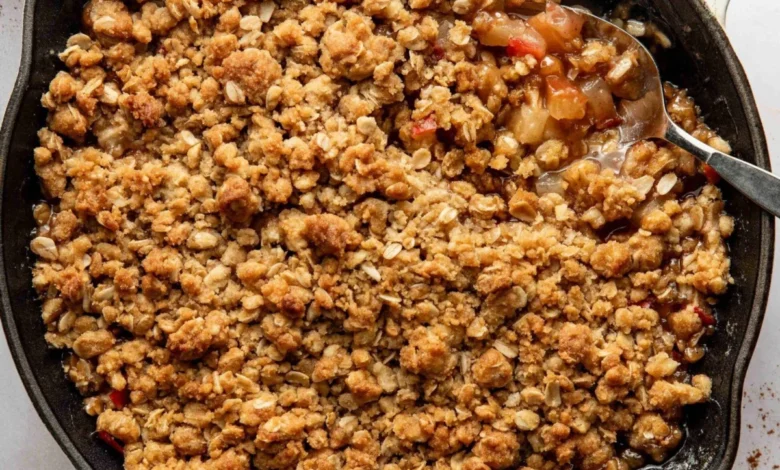
The seasonal shift into autumn consistently triggers a surge in consumer interest regarding traditional baked goods, with apple-based desserts occupying a significant portion of the culinary market during the final quarter of the year. Among these, the classic apple crisp remains a staple of domestic kitchens, prized for its structural simplicity and reliance on seasonal produce. Recent data from culinary tracking platforms indicates that interest in apple-centric recipes begins to climb in late September, peaking during the weeks surrounding the Thanksgiving holiday. This resurgence in home baking is often attributed to the psychological comfort associated with warm, spiced desserts as ambient temperatures decrease.
Historical Context and Culinary Evolution
The apple crisp—a dish consisting of sliced apples covered with a crunchy topping of flour, butter, and sugar—traces its origins to the mid-20th century in the United States. While the apple pie has historical roots dating back to the colonial era, the apple crisp emerged as a more accessible, less labor-intensive alternative. During the rationing periods of the 1940s, home economists frequently promoted "crisps" and "crumbles" over pies because they required significantly less shortening and pastry-making expertise.
Over the decades, the recipe has evolved from a utilitarian solution for leftover apples into a hallmark of autumnal culture. Culinary historians note that the dish serves as a barometer for seasonal engagement, often paired with other traditional fall elements like wild rice, cider-based beverages, and harvest-themed social gatherings. The dish’s versatility allows for a range of apple varieties, though honeycrisp, granny smith, and fuji remain the industry standard due to their ability to maintain texture under heat.

Technical Preparation and Best Practices
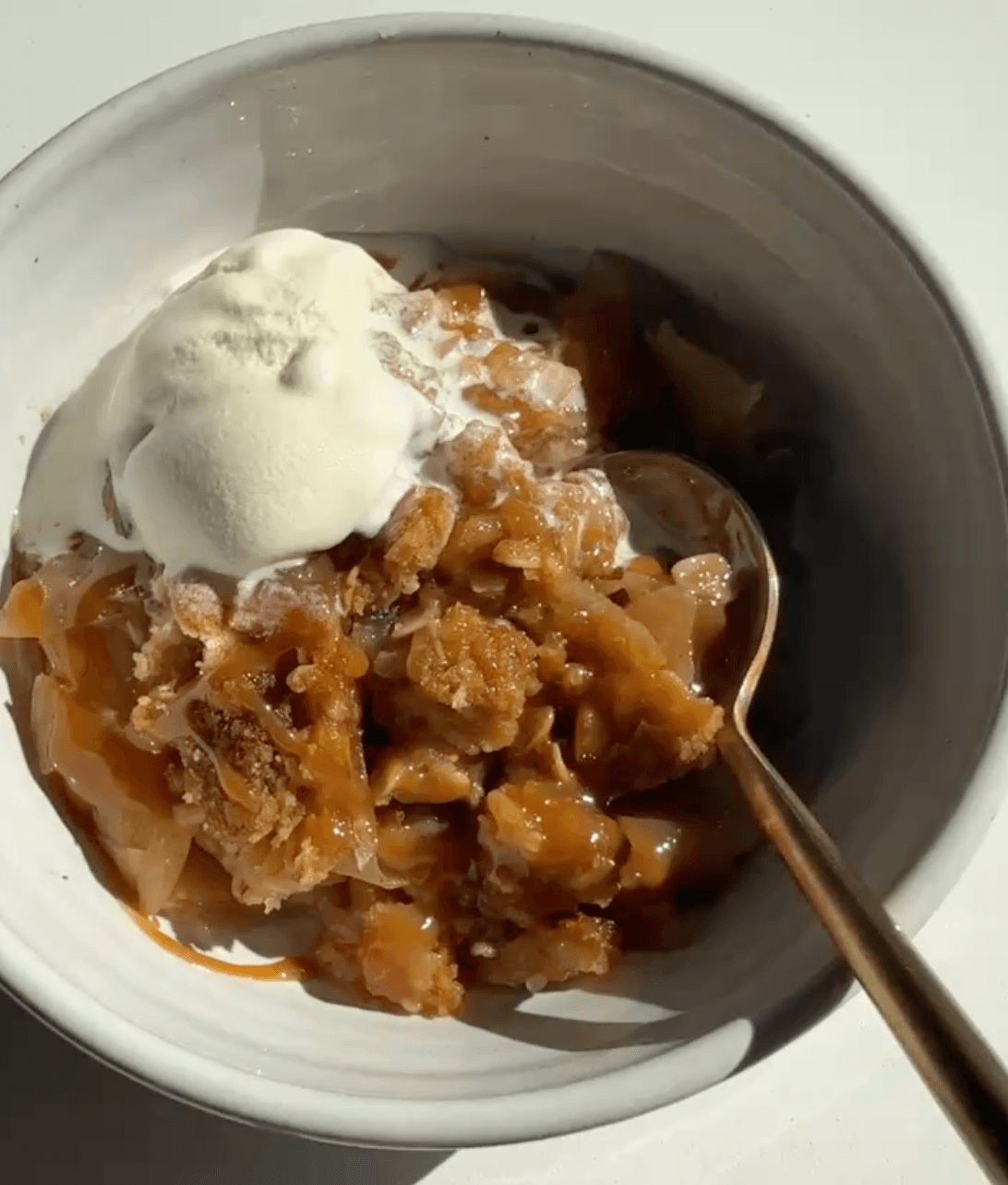
Professional bakers and culinary researchers suggest that the success of an apple crisp relies on the "jamming" process—a phase where the sugars in the fruit undergo caramelization while the natural pectins break down to create a thick, syrup-like consistency. To achieve this, modern culinary guides emphasize the importance of uniform fruit preparation. Whether utilizing a mandoline for precision or manual dicing, the consistency of the slices ensures an even bake.
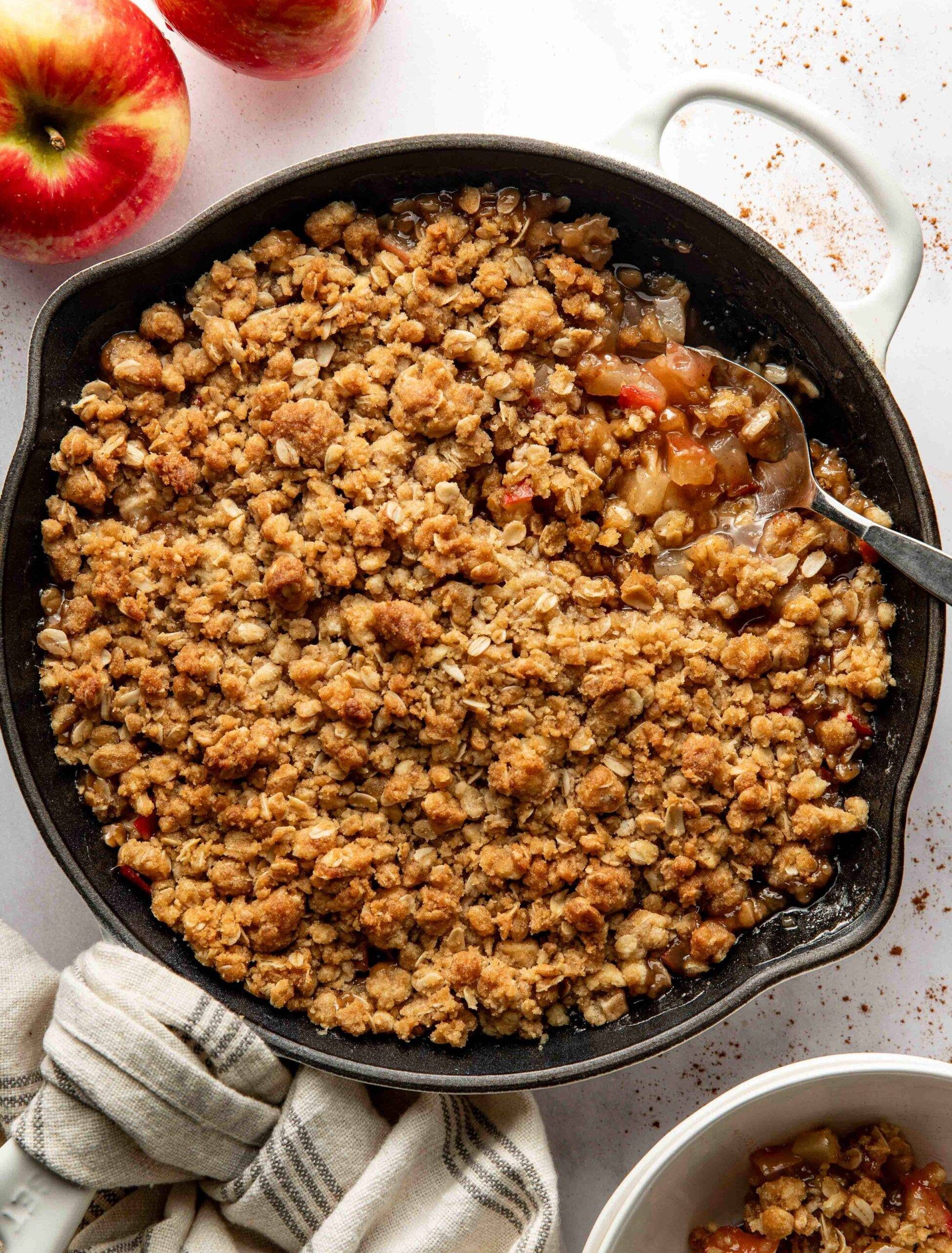
Recent innovations in home kitchen technology, such as the increased use of cast-iron skillets for baking, have altered the preparation of this dessert. The high heat retention of cast iron provides a distinct crispness to the bottom layer of the fruit, creating a texture contrast against the buttery oat topping. Culinary experts indicate that this method effectively bridges the gap between traditional rustic cooking and modern dessert aesthetics.
The Role of Ingredient Selection
Market analysis of autumn grocery trends reveals that the quality of fruit remains the primary variable in the success of the dish. Honeycrisp apples, which were introduced to the public in 1991 by the University of Minnesota, have become the preferred choice for crisp recipes due to their unique cell structure, which resists turning into complete mush during prolonged exposure to oven heat.
The topping, often categorized by food scientists as a "streusel," relies on the ratio of saturated fats—specifically butter—to dry ingredients like oats, flour, and brown sugar. The Maillard reaction, which occurs as the brown sugar and butter melt and crisp, is responsible for the complex flavor profile that distinguishes a high-quality apple crisp from a standard fruit bake. Professionals advise that the incorporation of oats provides necessary dietary fiber and a structural crunch that prevents the topping from becoming overly dense or chewy.

Chronology of an Autumn Staple
The typical cycle for the preparation of this dish follows a predictable pattern during the autumn months:
- Late September: Initial surge in inquiries for "apple dessert recipes" coincides with the start of the apple harvest season in the Northern Hemisphere.
- Early to Mid-October: Consumer purchasing patterns show a marked increase in sales for baking staples, including oats, cinnamon, and brown sugar, alongside varieties of baking apples.
- Late October through November: This period marks the peak of communal interest, with social media and digital recipe repositories reporting the highest volume of traffic for traditional comfort food recipes.
- December: Engagement with apple-based desserts begins to decline as the culinary market shifts toward holiday-specific flavor profiles, such as peppermint, gingerbread, and chocolate.
Culinary Analysis and Economic Impact
The persistence of the apple crisp as a cultural phenomenon is linked to what sociologists describe as "nostalgic consumption." As the pace of modern life accelerates, the act of preparing a dish that requires minimal ingredients but offers a high sensory reward becomes an exercise in domestic stability. From a broader economic perspective, the popularity of the apple crisp supports a robust supply chain involving local orchards, spice distributors, and dairy producers.
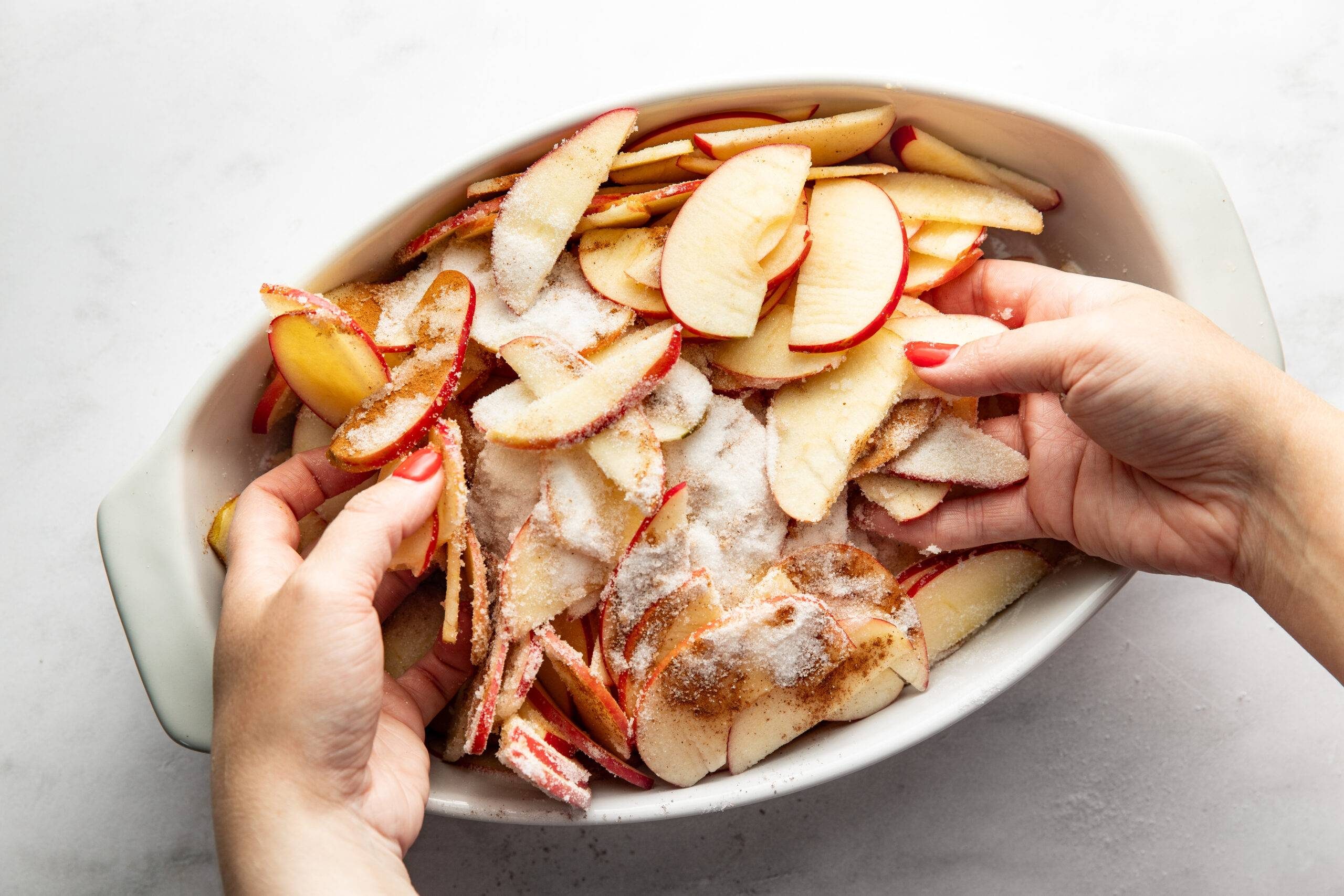
Retail data suggests that while the recipe is simple, it is highly sensitive to the quality of butter and produce used. The "jammy" consistency sought by enthusiasts requires a specific balance of acidity and sweetness; therefore, consumers are increasingly choosing to source their fruit from regional farmers’ markets rather than mass-market distributors. This trend indicates a shift toward "farm-to-table" home cooking, where the origin of the apple is viewed as a critical component of the final product.
Professional Perspectives on Recipe Customization
While the foundational recipe for an apple crisp has remained largely static for decades, modern practitioners often introduce small variations to suit dietary preferences or flavor profiles. Common adaptations include:
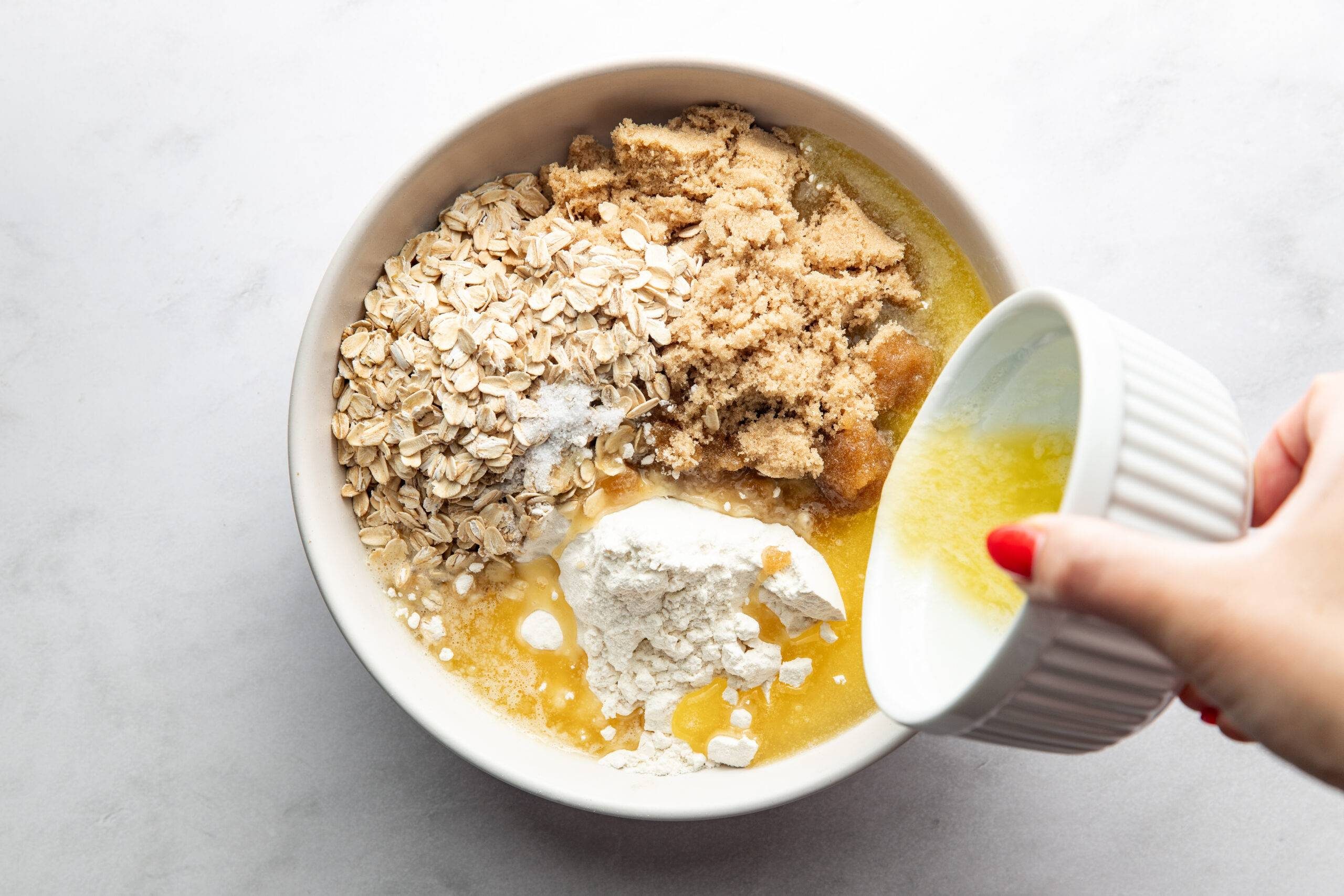
- Peeling Variations: While tradition dictates that apples be peeled, many modern home cooks have moved toward leaving the skins on. This practice is supported by nutritional research, which highlights that the majority of an apple’s fiber and vitamins are contained in the peel. Furthermore, the skin contributes a textural element that many find desirable once softened by the baking process.
- Spice Profiles: Beyond the standard cinnamon, contemporary recipes often incorporate nutmeg, cloves, or even cardamom to provide a more sophisticated depth of flavor.
- Topping Texture: The inclusion of nuts, such as pecans or walnuts, has become a popular method for enhancing the structural integrity of the oat-based topping, adding a secondary crunch that complements the soft, jammy fruit layer.
The Broader Implications of Comfort Baking
The enduring appeal of the apple crisp provides insight into the broader trends in domestic consumption. During periods of economic uncertainty or seasonal transition, home cooking serves as a low-cost, high-impact method for individuals to reclaim a sense of control over their environment. The sensory experience of baking—specifically the aroma of cinnamon and caramelized sugar—is documented to have a positive impact on the domestic atmosphere, often cited in lifestyle studies as a key element of "hygge," the Danish concept of cozy contentment.
Furthermore, the recipe’s simplicity makes it a gateway for novice cooks, contributing to the intergenerational transfer of culinary skills. As digital archives and social media platforms continue to store and share these foundational recipes, the apple crisp is unlikely to lose its status as a preferred autumnal treat. The combination of accessibility, affordability, and the reliable sensory gratification provided by the contrast between the tender fruit and the crisp topping ensures that this dish will remain a fixture in the American culinary landscape for the foreseeable future.
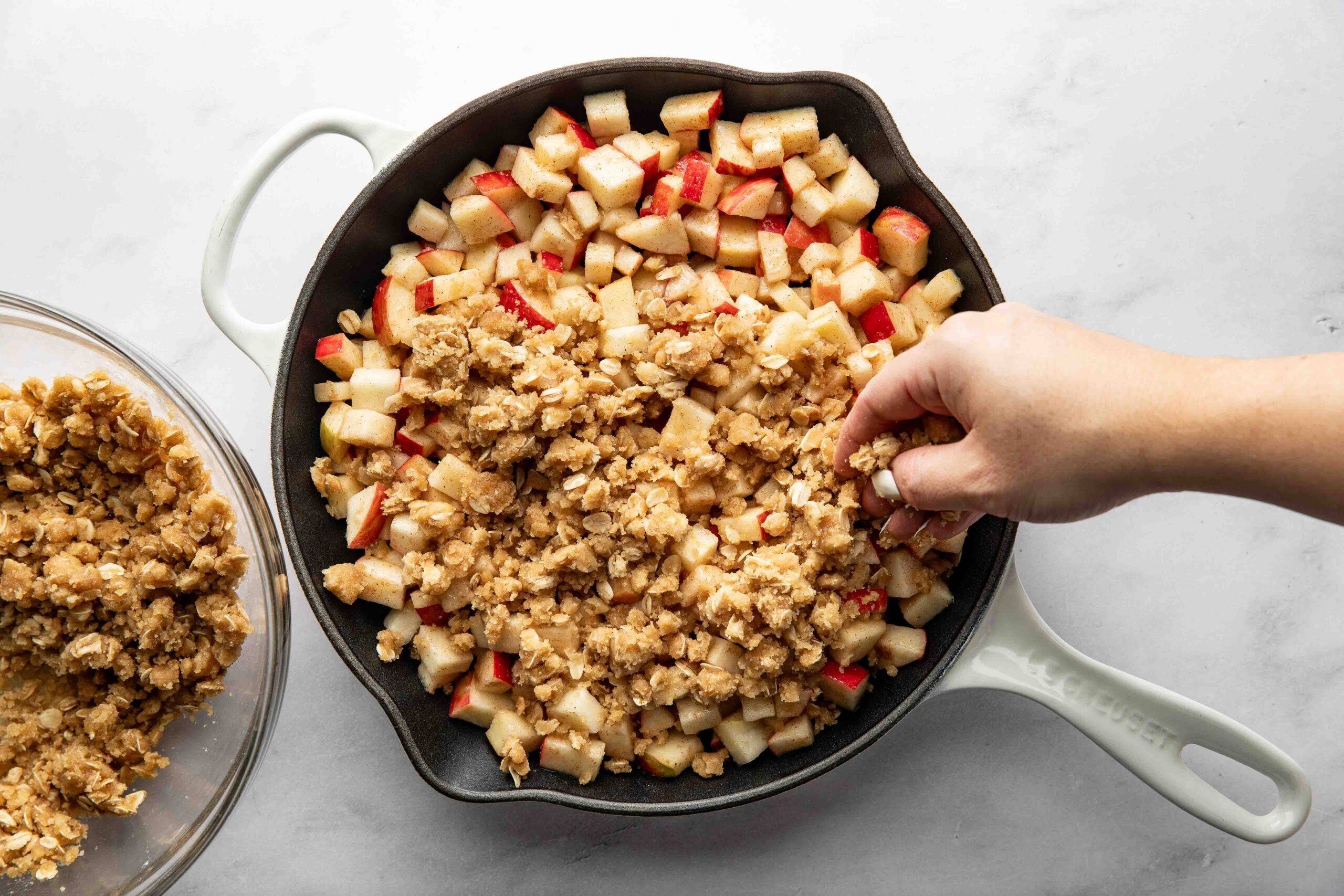
As the season progresses, experts expect that the focus will remain on high-quality ingredients and the refinement of traditional methods. Whether prepared in a cast-iron skillet to evoke a historical, rustic aesthetic or in modern bakeware, the apple crisp continues to serve as an essential component of the autumn experience, bridging the gap between historical tradition and contemporary culinary preferences. The ongoing data trend suggests that as long as the autumn harvest continues to provide fresh apples, the demand for this simple, evocative, and culturally significant dessert will persist, maintaining its position as a cornerstone of seasonal home baking.