The Historical Context of the Prohibition Collection
To understand the significance of this collection, one must look back to January 17, 1920, when the 18th Amendment to the U.S. Constitution went into effect, effectively banning the manufacture, sale, and transportation of intoxicating liquors. This period decimated the American whiskey industry, forcing hundreds of distilleries to shutter their doors permanently. However, a select group of six distilleries was granted federal permits to continue operations for "medicinal purposes."
The George T. Stagg Distillery was among this elite group. Under these permits, doctors could prescribe whiskey to patients for various ailments, ranging from the common cold to more serious respiratory issues. Patients would take these prescriptions to a pharmacy, which would fulfill them with spirits produced by companies like Stagg. This 2026 collection specifically honors the era of President Albert B. Blanton, who led the distillery through these tumultuous years, maintaining the facility’s infrastructure and ensuring that the art of Kentucky bourbon-making survived into the post-repeal era.
The 2026 Lineup: A Technical Overview
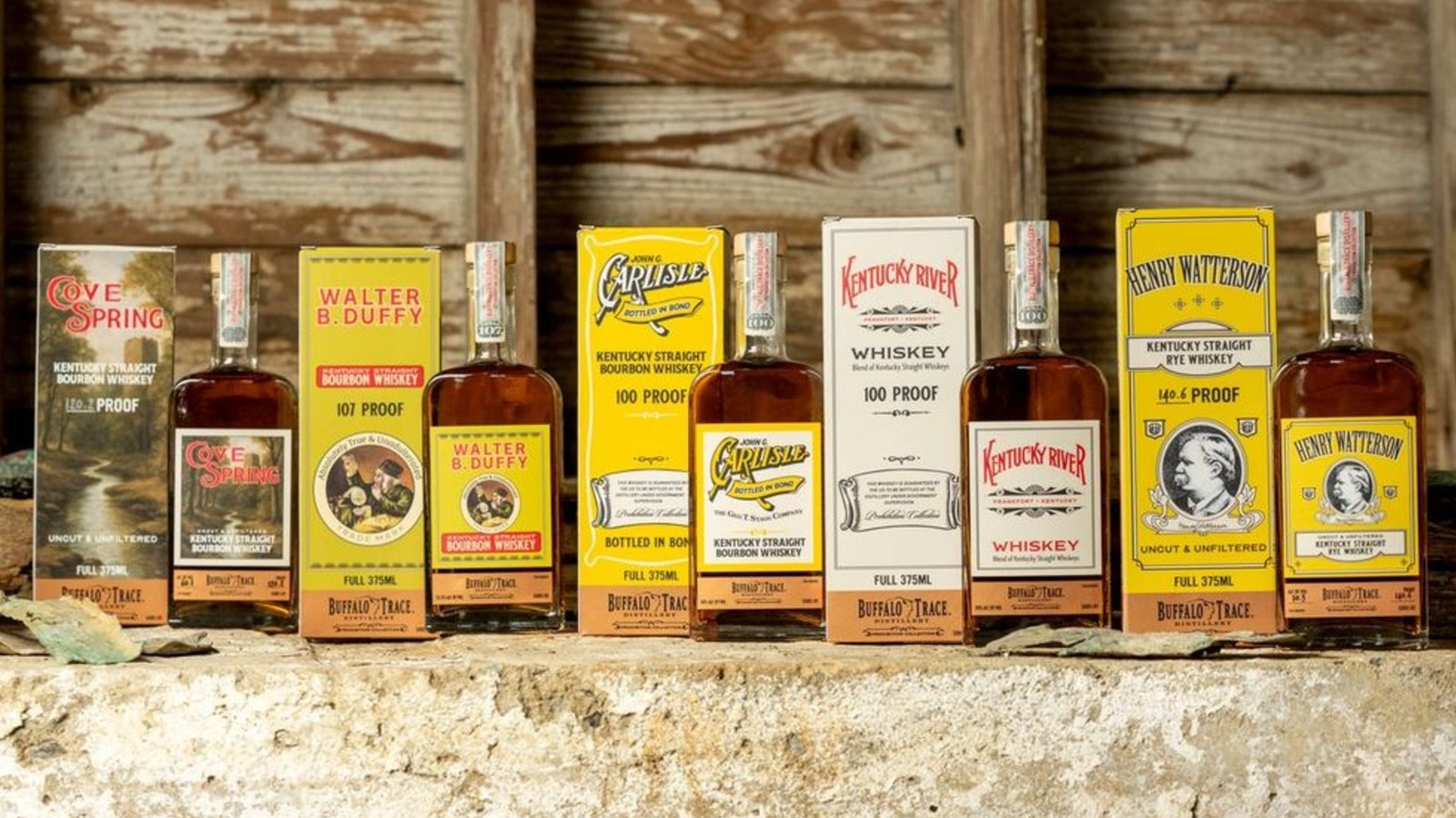
The Prohibition Collection #3 consists of five distinct expressions, each housed in 375-milliliter bottles. The set is presented in a commemorative wooden display case, with individual bottles featuring labels that replicate archival imagery. A unique design element of this year’s release is the "prescription cutout" on the cardboard packaging of each bottle, a direct reference to the medical forms used by physicians in the 1920s.
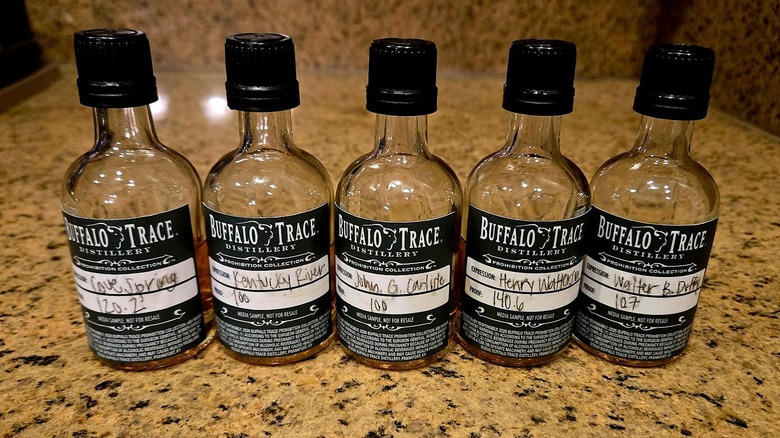
The five spirits included in the 2026 release are:
- Henry Watterson Kentucky Straight Rye Whiskey (140.6 Proof)
- John G. Carlisle Bottled-in-Bond Bourbon (100 Proof)
- Kentucky River Whiskey (100 Proof)
- Walter B. Duffy Kentucky Straight Bourbon Whiskey (107 Proof)
- Cove Spring Kentucky Straight Bourbon Whiskey (120.2 Proof)
Henry Watterson Kentucky Straight Rye Whiskey
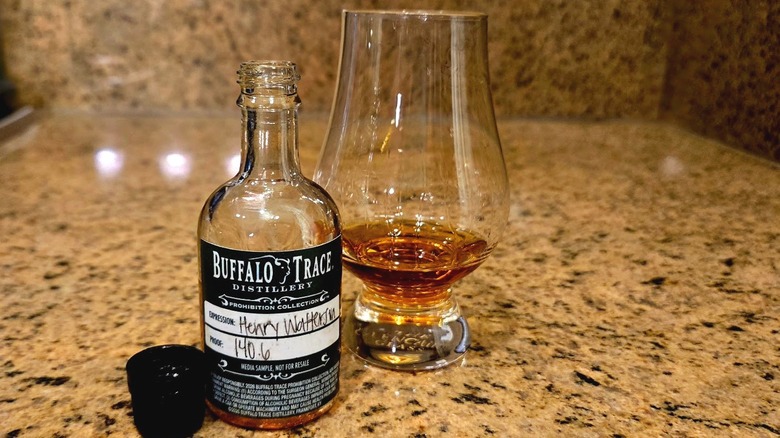
Named after the U.S. Congressman and journalist who was a vocal advocate for the whiskey industry, the Henry Watterson Rye is the standout powerhouse of the 2026 set. At 140.6 proof, it represents the highest-proof rye whiskey ever released by Buffalo Trace Distillery. Bottled uncut and unfiltered, the spirit presents a deep mahogany-amber hue. Although it lacks a specific age statement, the depth of color and flavor suggests significant maturation well beyond the legal four-year minimum for straight rye.
The flavor profile is defined by a mashbill of at least 51% rye, yielding a spicy, peppery core complemented by earthy and herbaceous notes. Despite the staggering alcohol content, the spirit remains remarkably balanced, with notes of buttered toffee, cedar, and unctuous caramel. Industry analysts note that while the high proof necessitates a drop of water for some palates, the integration of alcohol is a testament to Buffalo Trace’s distillation precision.
John G. Carlisle Bottled-in-Bond Bourbon
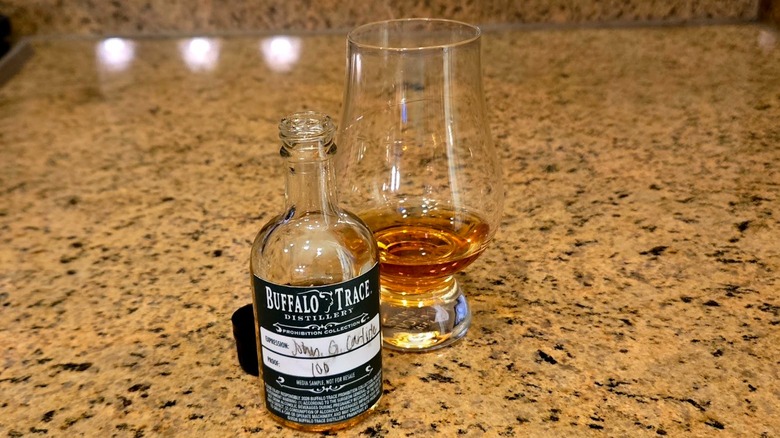
This expression honors John G. Carlisle, a former Secretary of the Treasury who was instrumental in the passage of the Bottled-in-Bond Act of 1897. This landmark legislation was designed to protect consumers from "rectified" whiskeys that often contained dangerous additives. The 100-proof bourbon follows the strict requirements of the Act: it must be the product of one distillation season by one distiller at one distillery, aged in a federally bonded warehouse for at least four years, and bottled at exactly 100 proof.
Despite its historical pedigree, the John G. Carlisle expression has been cited as the weakest link in the 2026 collection. Tasting notes indicate a profile of malted grains, poached pears, and caramel corn, but critics have noted a lack of refinement. A persistent "bite" on the back palate suggests that the spirit may not have achieved the same level of integration as its counterparts in the set, leading to questions about its value within a $1,000 collection.
Kentucky River Whiskey
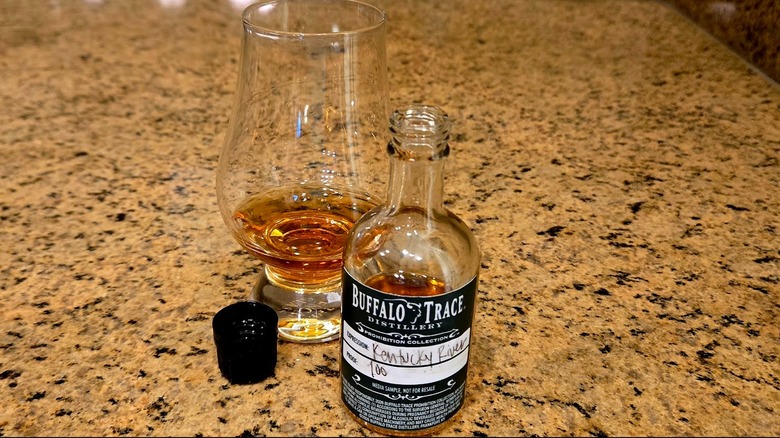
The Kentucky River Whiskey is a blend of Kentucky straight whiskeys bottled at 100 proof. Its namesake is the Kentucky River Distillery, which Albert Blanton renamed (formerly the Carlisle Distillery) to honor the waterway that facilitated the transport of goods during the early 20th century.
This expression is characterized by its approachability, featuring notes of caramelized brown sugar, ripe orchard fruits, and toasted vanilla. However, while pleasant, it has been described as lacking the "unique" or "innovative" edge expected from a limited-edition Buffalo Trace release. As a blend of straight whiskeys, it adheres to regulations prohibiting additives but offers a more generic profile that some connoisseurs feel could be replicated by more affordable, standard-release bourbons.
Walter B. Duffy Kentucky Straight Bourbon Whiskey
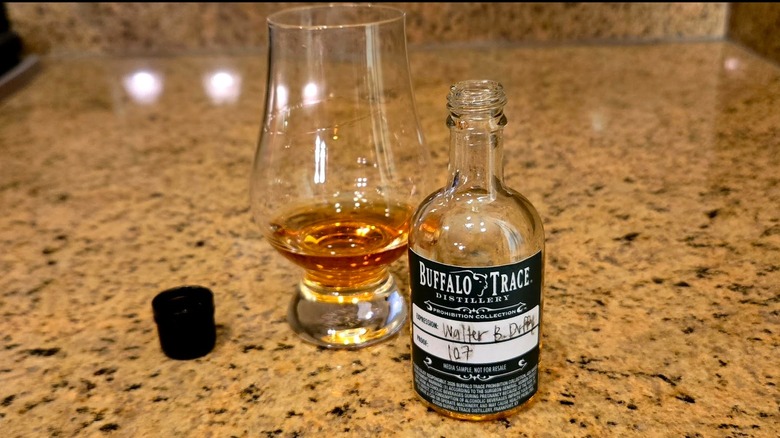
Walter B. Duffy was the man responsible for appointing Albert B. Blanton as president of the distillery. This expression is a sophisticated blend of 10-year-old and 14-year-old Kentucky straight bourbons. Bottled at 107 proof, it carries the weight of its age with notes of oak, dried leather, and baking spices like clove and nutmeg.
The Walter B. Duffy bourbon is designed for the classic bourbon enthusiast. While some reviewers felt the palate was less concentrated than expected for a 14-year-old blend, its structural integrity makes it an ideal candidate for high-end cocktails like the Boulevardier or Manhattan. The amber liquid reflects the traditional "Old Fire Copper" (O.F.C.) methods that Duffy championed during his tenure.
Cove Spring Kentucky Straight Bourbon Whiskey
Cove Spring is a high-proof, wheated bourbon (120.2 proof) named after the water source that supplied the O.F.C. Distillery starting in 1804. Using a mashbill similar to the legendary W.L. Weller and Pappy Van Winkle lines, Cove Spring replaces the traditional rye spice with the softer, sweeter profile of wheat.
The result is a viscous, mouth-coating spirit with flavors of creamy butterscotch, maple syrup, and brioche. Critics have lauded this expression as the most "cocktail-friendly" high-proof spirit in the set, particularly for use in an Old Fashioned. The sweetness of the wheat balances the 120.2-proof heat, allowing nuances of red cherry and fig to emerge.
Market Analysis: Price, Scarcity, and Value
The Prohibition Collection #3 carries a suggested retail price (MSRP) of $999.99. However, the reality of the modern whiskey market suggests that few consumers will find the set at this price point. Buffalo Trace products are notorious for "secondary market" inflation, where limited releases can see markups of 300% to 500%.
Historical data from the 2024 and 2025 releases (Prohibition Collections #1 and #2) shows that these sets often command upwards of $4,000 on the secondary market within months of release. This puts the 2026 collection in a precarious position. While the Henry Watterson Rye and Cove Spring Bourbon are objectively high-quality spirits, the inclusion of less-refined bottles like the John G. Carlisle bourbon has led some experts to question if the $1,000 entry price is justified for drinkers, rather than just collectors.
Implications for Buffalo Trace and the Whiskey Industry
The 2026 release highlights a growing trend in the spirits industry: the "premiumization" of heritage. By packaging history and nostalgia into ultra-limited sets, Buffalo Trace is effectively marketing a narrative as much as a liquid. The success of these collections relies on the distillery’s ability to dig deep into its archives to find untold stories.
However, the "misfire" label attached to the 2026 set suggests a potential fatigue or a thinning of the most elite barrels. When a distillery releases five different whiskeys simultaneously, the pressure to maintain a consistent "Gold Standard" across all five is immense. The mixed reviews for the 2026 collection may signal to Sazerac (Buffalo Trace’s parent company) that future releases need to prioritize liquid quality over historical storytelling to maintain the brand’s prestige.
Conclusion: A Collector’s Item Above All
Ultimately, the Buffalo Trace 2026 Prohibition Collection #3 is a triumph of marketing and historical preservation, even if it falters slightly in liquid consistency. For the investor looking to flip the set on the secondary market, it remains a "must-buy" due to the sheer power of the Buffalo Trace name. For the enthusiast looking for the pinnacle of whiskey craftsmanship, the results are more varied.
The collection serves as a vivid reminder of the 13 years when American whiskey was nearly lost to history. While not every bottle in the 2026 set reaches the heights of the George T. Stagg or Pappy Van Winkle lines, the set as a whole remains a significant cultural artifact for those who can afford the entry price. As the distillery looks toward the 2027 release, the industry will be watching to see if Buffalo Trace can recalibrate and return to a "five-for-five" success rate.