‘Call it Genghis Khan’s final victory’: Why the tomb of the ‘Disturber of the Universe’ remains…

The Architect of an Empire
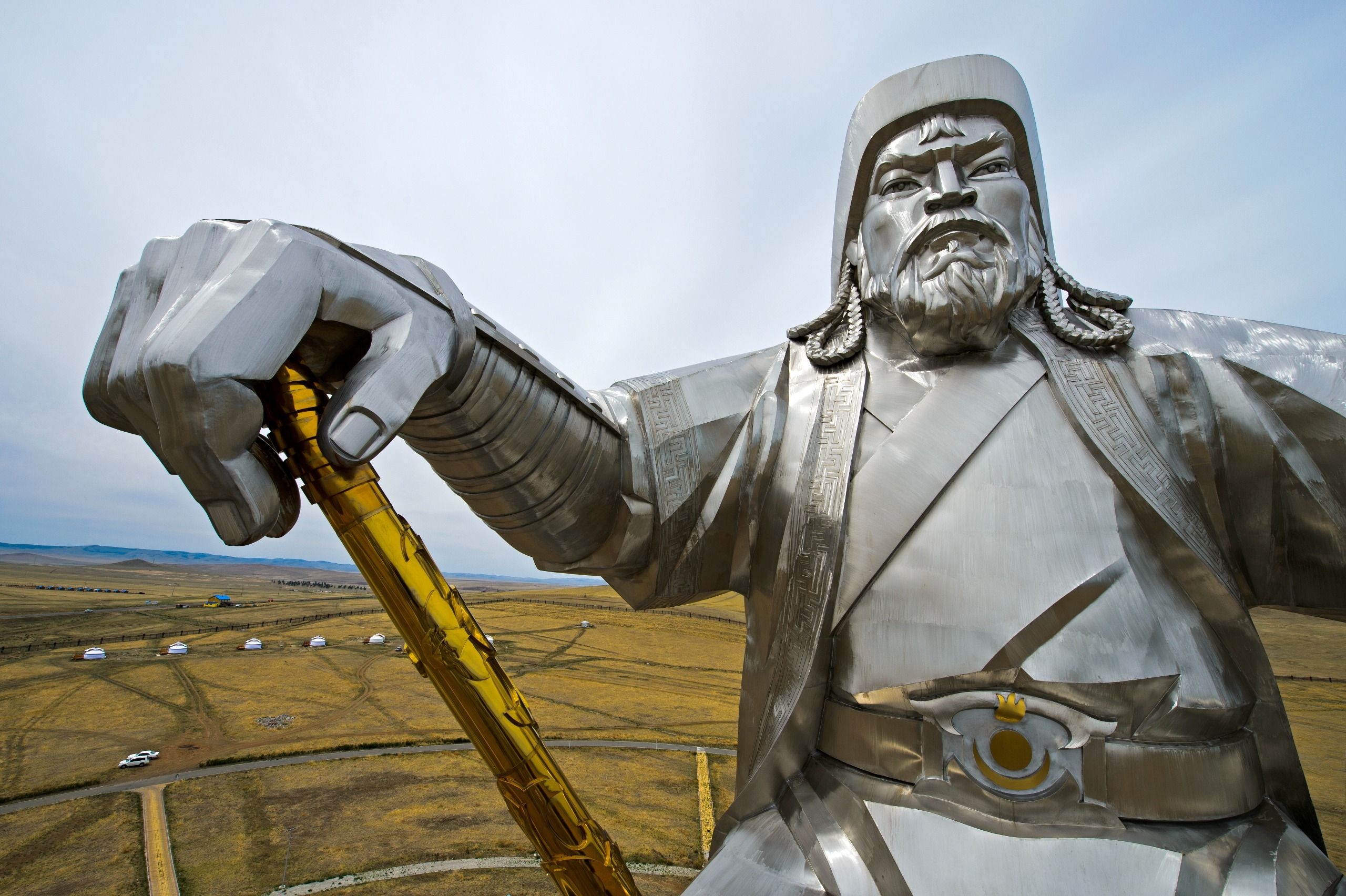
To understand the significance of the missing tomb, one must first appreciate the scale of Genghis Khan’s influence. Born Temüjin in the mid-12th century, he united the nomadic tribes of the Mongolian steppe through a combination of military genius, innovative meritocracy, and ruthless diplomacy. By the time of his death in 1227, the Mongol Empire spanned from the Pacific Ocean to the Caspian Sea, fundamentally altering the trajectory of global trade, communication, and warfare.
The secrecy surrounding his death and burial is not merely a matter of historical neglect but a calculated effort by his inner circle to protect his legacy. According to various historical accounts, including those of Marco Polo and later Persian chroniclers, the location of the tomb was kept a closely guarded secret to prevent the desecration of the Great Khan’s remains by his enemies.
The Mythology of Concealment
The narrative of Genghis Khan’s burial is shrouded in legend, often blending fact with myth. Folklore suggests that a funeral procession moved the Khan’s body back to his homeland in the Khentii Mountains of northeastern Mongolia. To ensure total secrecy, the soldiers tasked with the burial allegedly killed everyone they encountered on the journey. Furthermore, it is said that the burial site was trampled by a thousand horses to erase any trace of a mound or disturbance, and that a river—likely the Onon or Kherlen—was diverted to flow over the grave, making it physically impossible to locate through traditional exploration.
While these stories are likely exaggerated, they reflect the extreme measures taken by the Mongol elite to preserve the sanctity of the Khan’s final resting place. This "taboo of the tomb" has persisted for centuries, influencing modern Mongolian perspectives on archaeology and cultural heritage.
A Chronology of the Search
The search for Genghis Khan’s tomb has spanned nearly a millennium, characterized by shifting motivations—from local reverence to modern scientific inquiry.
- 1227: Genghis Khan dies during a campaign against the Western Xia dynasty. His body is reportedly transported to the Khentii Mountains.
- 13th–19th Century: The tomb becomes a local legend. Mongolian nomadic groups maintain oral traditions regarding the "Great Taboo" of disturbing the Khan’s rest.
- 1920s–1930s: Early Western expeditions, including those led by Roy Chapman Andrews, explore the Gobi Desert but focus more on paleontology than human archaeology, leaving the tomb untouched.
- 1990s: Following the end of the Soviet-backed socialist regime in Mongolia, academic interest in the tomb intensifies. Joint Mongolian-Japanese projects, such as the Gurvan Gol expedition, begin using aerial surveys and remote sensing.
- 2000–2015: University of California, San Diego, launches the "Project Khan" initiative, utilizing high-resolution satellite imagery to identify potential anomalies in the terrain, though these efforts yield no definitive results.
- 2020–Present: Advances in non-invasive technology, including ground-penetrating radar and drone-mounted lidar, continue to be employed in the Khentii region, yet the site remains elusive.
Technical Challenges in Modern Archaeology
The difficulty in locating the tomb is not solely due to the passage of time. The topography of the Khentii Mountains is notoriously rugged and remote, characterized by dense forests and steep terrain that make large-scale excavations nearly impossible. Furthermore, the "intentional concealment" theory—if true—would render traditional archaeological methods ineffective. If the burial was subterranean and later obscured by natural processes like river flooding or erosion, the chances of finding a distinct "monument" are slim.
Archaeologists also face ethical hurdles. Many Mongolians view the potential disturbance of the tomb as a sacrilegious act that could bring misfortune or disrupt the national spirit. Consequently, the Mongolian government has been cautious, often restricting excavation permits for sites that could potentially be linked to the royal lineage.
Supporting Data and Geographic Indicators
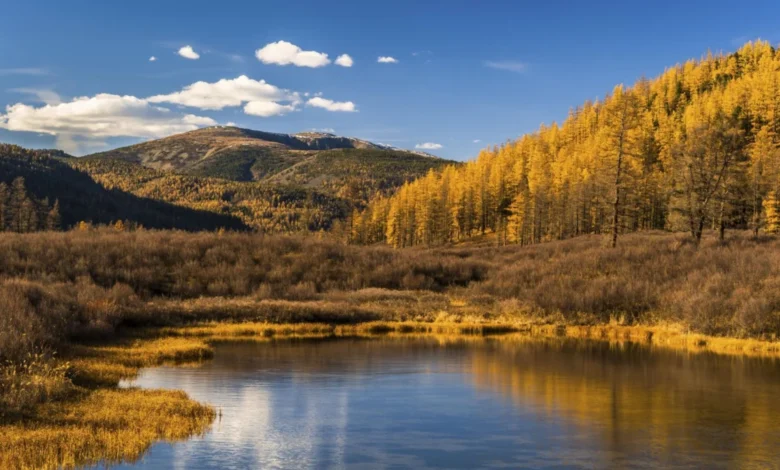
While the exact location remains unknown, historical texts point toward the Burkhan Khaldun mountain, a site sacred to Genghis Khan during his life. In 2015, the Burkhan Khaldun mountain and its surrounding landscape were designated a UNESCO World Heritage site. This recognition highlights the cultural importance of the region, even if it does not confirm the presence of the tomb.
Data provided by satellite mapping has identified several "anomalies" in the region that suggest man-made structures, including stone walls and burial-like enclosures. However, many of these have been identified as sites from the Bronze or Iron Ages, significantly predating the Mongol Empire. The challenge lies in distinguishing a 13th-century imperial tomb from thousands of years of nomadic burial history.
Perspectives from the Field
Researchers often emphasize that the "lost" nature of the tomb is perhaps its most valuable attribute. "The tomb of Genghis Khan is a ghost," notes one lead researcher in the field of Mongol history. "It exists as a concept of power and identity more than a physical location. To find it would be an archaeological triumph, but it would fundamentally change the way we interact with the landscape of Mongolia."
The sentiment among the local population is often one of preservation. The mystery surrounding the tomb has kept the Khentii region relatively pristine, protecting it from the mass tourism that often follows major archaeological discoveries. This creates an implicit tension between the international scientific community’s desire for data and the local community’s desire to maintain ancestral traditions.
Broader Impact and Implications
The search for the tomb serves as a lens through which we can view the broader history of the Mongol Empire. Whether or not the tomb is ever found, the act of searching has fostered a deeper understanding of the Mongolian steppe’s geography and history. It has spurred advancements in remote sensing technology, which have been applied to other archaeological sites globally.
Furthermore, the myth of the tomb reinforces the legacy of Genghis Khan as a leader who remains "present" in the landscape. Unlike many historical figures whose graves are monuments to their mortality, the Khan’s absence serves as a testament to his enduring, almost mythical, influence.
As Kean observes in The Museum of Lost Things, the value of these lost treasures often lies in the curiosity they inspire. The tomb of Genghis Khan remains the "Holy Grail" of Asian archaeology. Its discovery would undoubtedly rewrite chapters of Mongol history, potentially revealing artifacts that could shed light on the transition from nomadic confederation to a global superpower. Until that day, the site remains a testament to the skill of the ancient Mongols in guarding their secrets, ensuring that the Great Khan remains, in death as in life, a figure of profound mystery and power.
Related posts: