The culinary landscape in late September frequently presents a distinct dichotomy between seasonal marketing initiatives and meteorological realities. While retail markets aggressively pivot toward autumnal motifs, featuring pumpkin-spiced beverages and synthetic holiday foliage amidst unseasonably high temperatures, a significant segment of consumers actively resists the premature transition to heavy winter comfort foods. Culinary traditionalists argue that September remains a peak window for agricultural harvest yields, particularly stone fruits and nightshades, which deserve representation in contemporary home kitchens irrespective of commercial calendars.

This seasonal friction has inspired home cook and recipe developer culinary platforms to formally advocate for the prolongation of summer produce utilization. Rather than yielding to early demands for root-vegetable stews and heavy braises, contemporary food journalism highlights dishes that honor the tail end of the tomato season.

The Evolution and Mechanics of Simplified Oven Risotto
Traditional Italian risotto is historically defined by rigorous technique: the continuous, labor-intensive addition of warm broth to short-grain rice, accompanied by persistent stirring to release starches, culminating in heavy infusions of butter and Parmigiano-Reggiano. However, modern culinary experimentation has increasingly challenged these rigid parameters. Culinary researchers and recipe innovators have demonstrated that exceptional results can be achieved through streamlined methods, notably oven-baking techniques that eliminate the need for constant supervision and specialized broths.

The newly introduced Tomato Risotto with Frizzled Red Onions builds upon these methodological departures. By utilizing grated fresh tomato pulp rather than processed purees or standard stocks, the dish captures a concentrated, bright acidity native to late-season vines. This approach mirrors historical recipes for rice-stuffed tomatoes, which rely on the natural moisture and clear-noted flavor profile of fresh fruit to hydrate the grain. Furthermore, substituting traditional meat-based broths with plain water allows the unadulterated flavor of the tomato to dominate the flavor profile without interference from salted or herbed stocks.

Chronology of Flavor Development
The preparation of this specific iteration follows a precise sequence designed to maximize texture and depth without requiring prolonged stovetop monitoring:

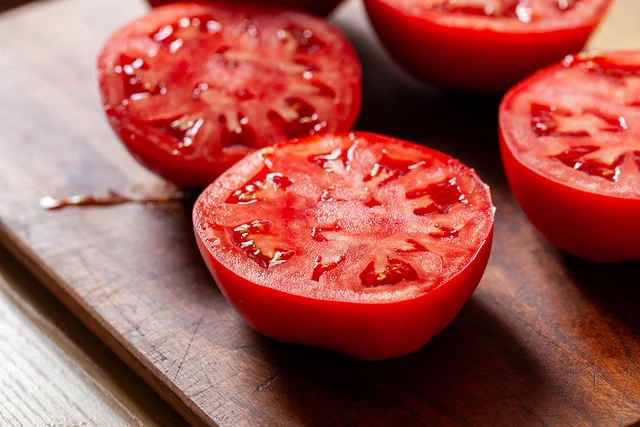
- Tomato Extraction: Ripe tomatoes are halved and grated against the coarse holes of a box grater, separating the vibrant pulp and natural juices from the fibrous outer skins, which are subsequently discarded.
- Allium Preparation: Thinly sliced red onions are introduced to a heated Dutch oven containing olive oil. Cooked initially to softness and subsequently until deeply golden and crisp, these "frizzled" onions serve a dual purpose. Half are reserved for a final textual garnish, while the remainder stay in the vessel.
- Toasting and Infusion: Minced garlic, red pepper flakes, salt, and black pepper are briefly bloomed with the remaining onions. Uncooked short-grain rice is then added to toast lightly within the aromatic oil base for approximately three minutes.
- Deglazing and Baking: Wine is added and reduced until evaporated, followed by the reserved tomato pulp and a measured quantity of water. After bringing the mixture to an initial simmer on the stovetop, the pot is covered and transferred to a preheated oven at 350 degrees Fahrenheit for 25 to 30 minutes.
- Creaming and Garnishing: Post-baking, the mixture undergoes a brief two-minute manual agitation off-heat to emulsify the remaining starches, achieving a traditional creamy consistency without excess dairy. The dish is finalized with butter or olive oil, fresh basil, grated parmesan, and the reserved crisp red onions.
Broader Culinary and Market Implications
The persistence of summer recipes during the autumnal equinox reflects shifting consumer attitudes toward seasonal eating. Agricultural economists and food market analysts note that modern supply chains often extend the availability of warm-weather produce via greenhouse cultivation and interstate transit, yet peak local flavor remains confined to regional harvest windows. Consequently, home cooking trends increasingly prioritize maximizing local seasonal yields during their final weeks of availability.

Nutritionally and economically, utilizing whole fresh tomatoes—often priced lower during peak late-summer abundance—offers distinct advantages over processed alternatives. Grating fresh fruit provides higher concentrations of bioavailable lycopene and natural vitamin C compared to canned varieties, while minimizing reliance on sodium-heavy commercial broths aligns with broader public health recommendations for home meal preparation.

As commercial retailers continue to accelerate holiday merchandising timelines, the culinary community’s dedication to dishes like tomato risotto signals a deliberate resistance to manufactured seasonality. By anchoring meal planning in tangible agricultural realities rather than calendar-based marketing, home cooks preserve a vital connection to regional farming cycles and seasonal gastronomy.