Peanut Chicken with Ginger Slaw: A Comprehensive Guide to the Viral Culinary Combination

The culinary landscape has seen a significant surge in interest regarding Southeast Asian-inspired home cooking, with recent social media trends highlighting the efficacy of combining rich, savory proteins with vibrant, acidic accompaniments. One such combination—peanut chicken, coconut rice, and ginger slaw—has emerged as a staple in contemporary home kitchens. This dish, characterized by its balance of fat, acid, and texture, serves as a case study for the growing preference for high-flavor, low-complexity meal preparation.
Culinary Origins and Flavor Profile
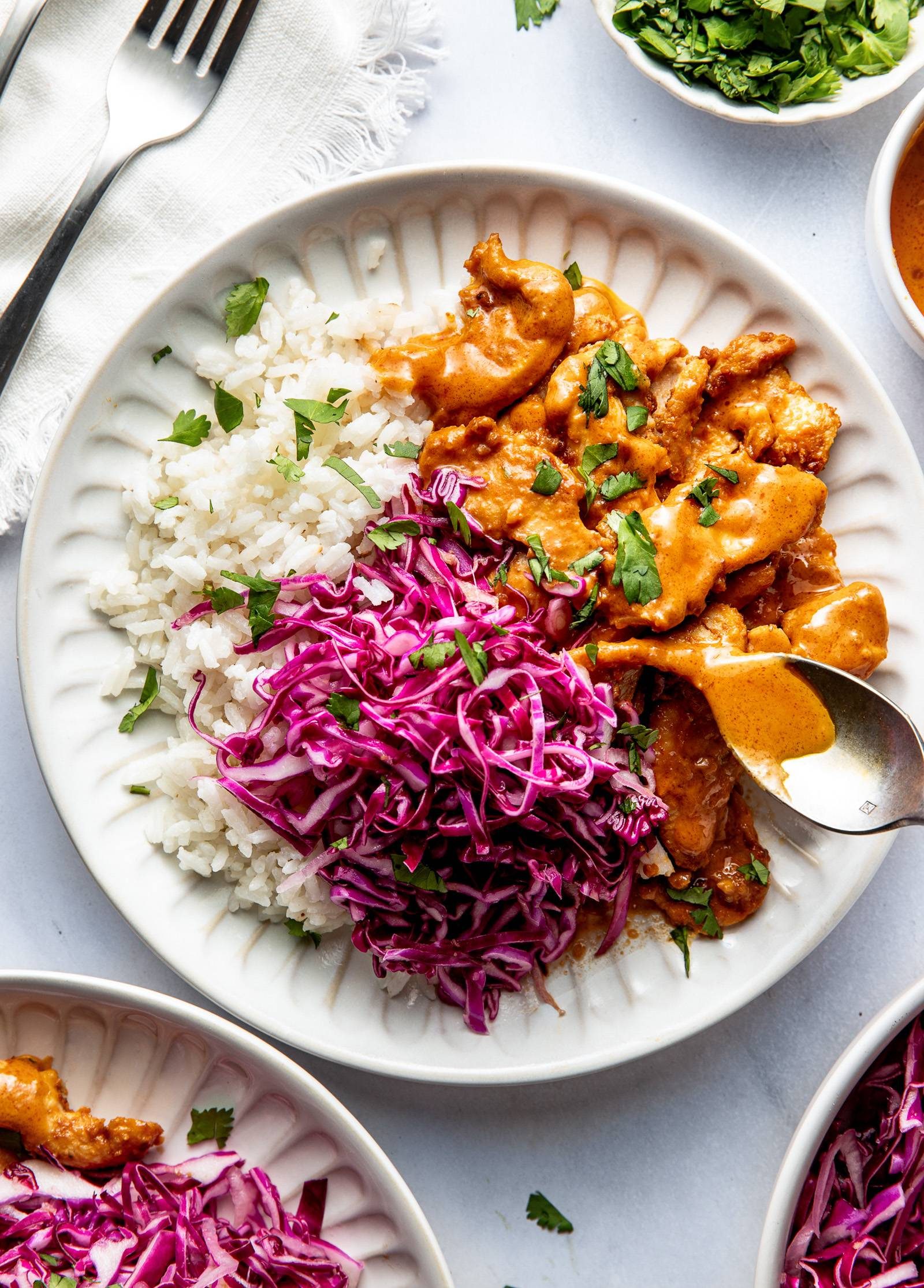
The synthesis of peanut-based sauces with poultry is deeply rooted in the traditions of Indonesian and Thai cuisines. Satay, traditionally grilled meat skewers served with a spiced peanut dipping sauce, serves as the primary inspiration for this modern interpretation. In the context of the recent popularization of these bowls, the dish relies on three distinct pillars: the umami-rich peanut chicken, the creamy aromatic base of coconut-infused rice, and the palate-cleansing ginger slaw.
The appeal of this combination lies in the scientific interplay between flavor profiles. Peanut satay sauce provides a dense, salty, and slightly sweet foundation, which is effectively countered by the high acidity of the ginger slaw. The ginger provides a piquant, "zingy" bite that cuts through the richness of the coconut milk-based rice, preventing flavor fatigue and ensuring the dish remains palatable over multiple servings.

Preparation Methodology and Efficiency
The preparation of this meal has been optimized for efficiency, catering to the demands of modern households. The traditional cooking process involves a streamlined, five-step methodology that minimizes active kitchen time:
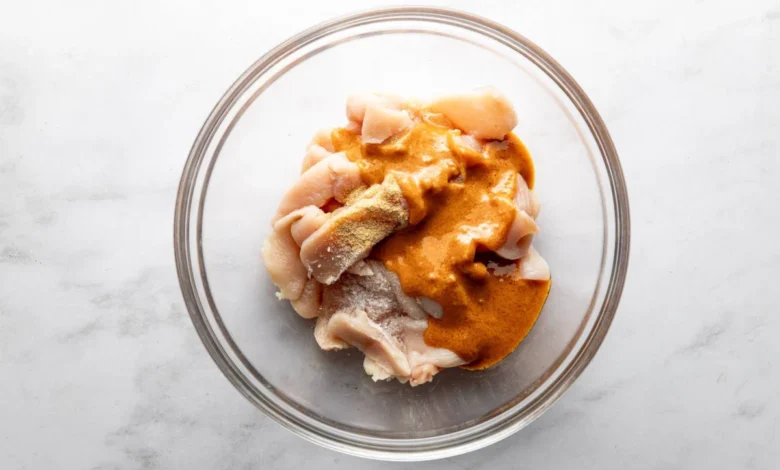
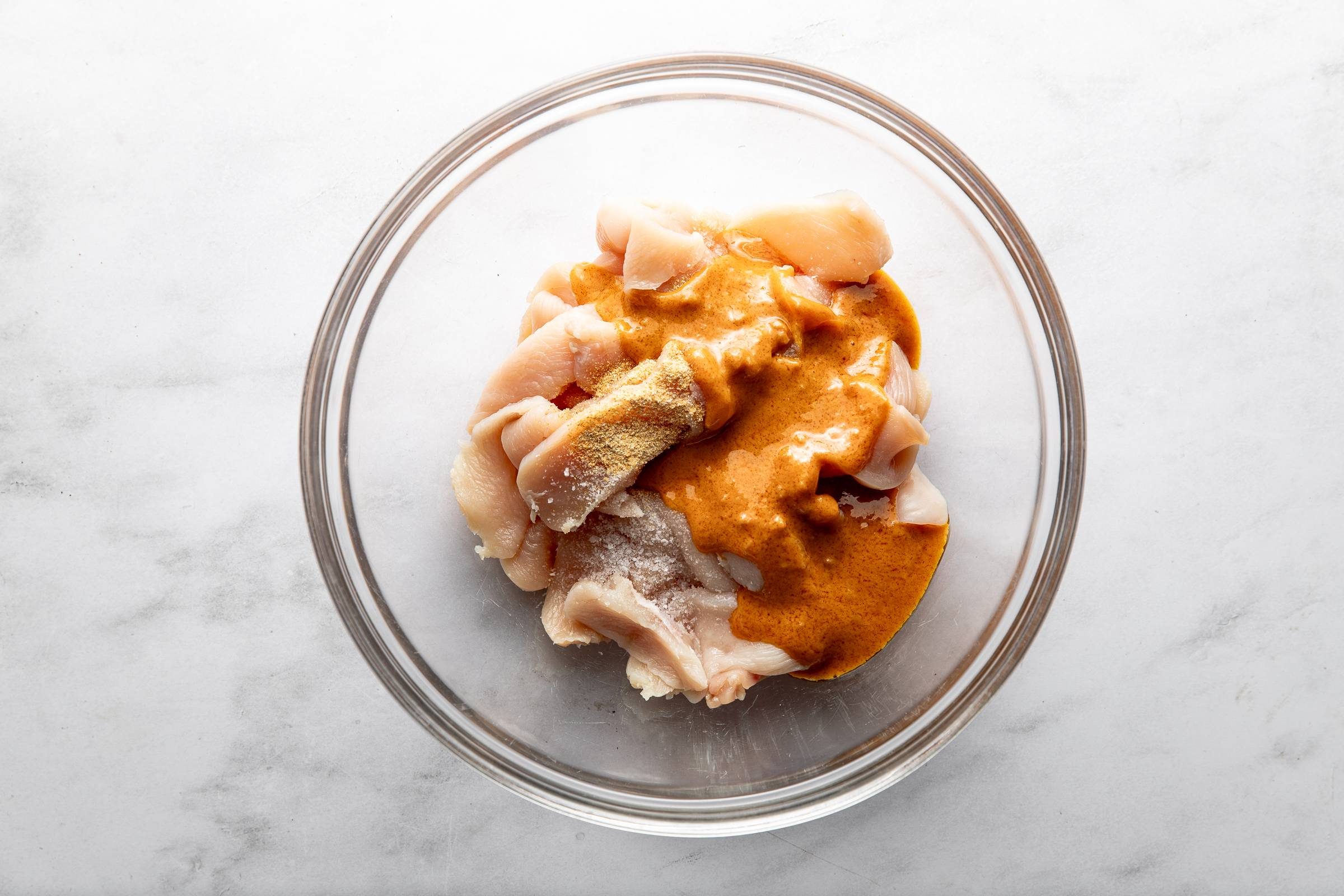
- Protein Marination: The chicken is sliced and coated in a peanut satay sauce. While traditional marinades require hours of refrigeration, current culinary trends favor a "minimal marination" approach, where the sauce acts as both a marinade and a finishing glaze.
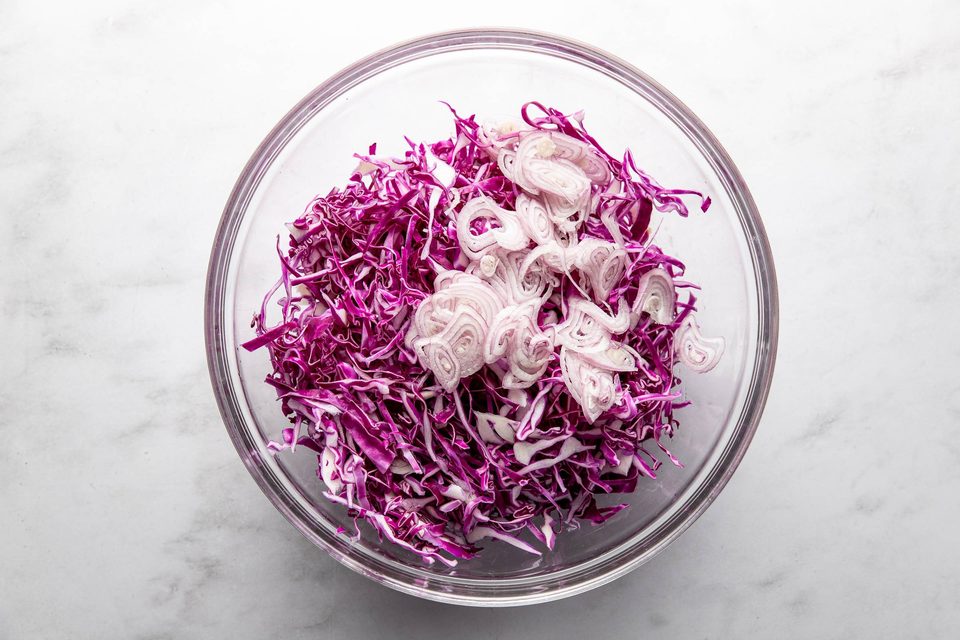
- Vegetable Preparation: The use of a mandoline slicer for shallots and cabbage allows for precise, uniform shreds, which are essential for achieving the correct texture in the slaw.
- The Emulsion of the Slaw: Tossing the shredded vegetables with a ginger-forward dressing creates a "crunchy-tender" mouthfeel. The reaction between the acid in the dressing and the cellular structure of the cabbage allows for a quick breakdown that enhances flavor absorption.
- Thermal Processing: The chicken is typically seared in a nonstick skillet using high-smoke-point oils, such as avocado oil. The development of the Maillard reaction—the browning of the meat—is critical to building the depth of flavor required to stand up to the heavy peanut sauce.
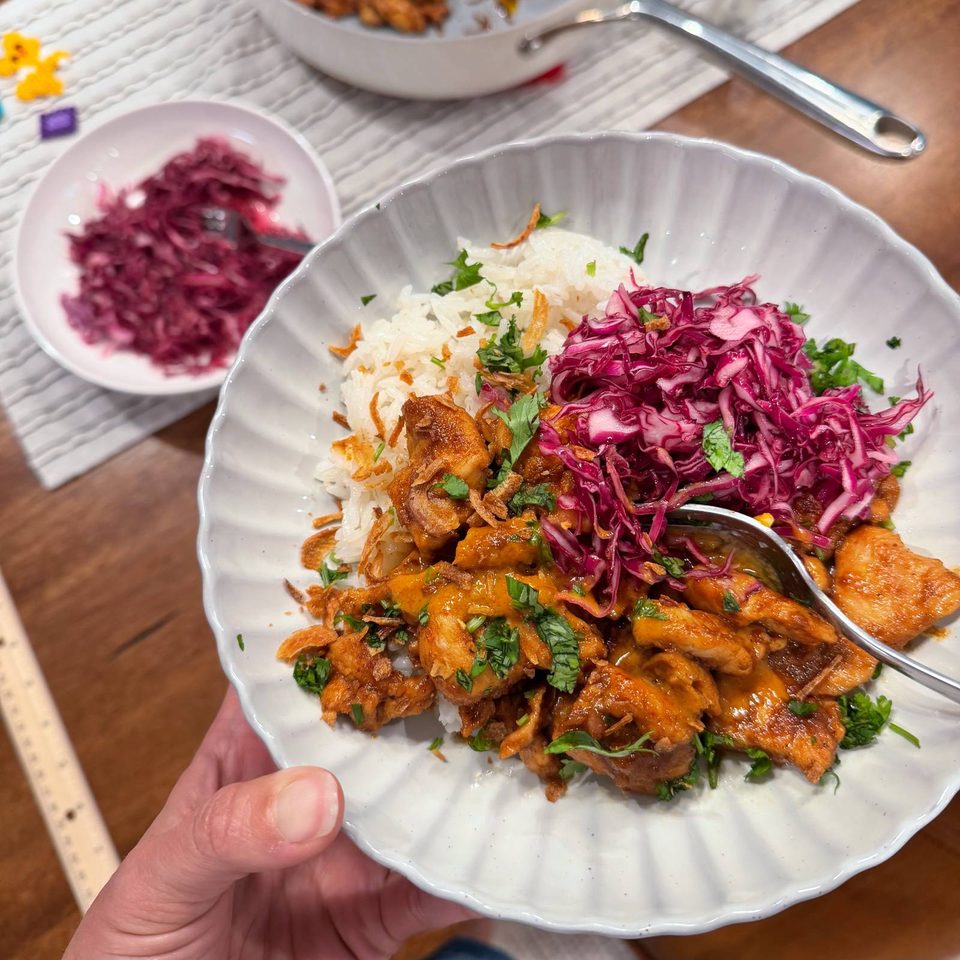
- Assembly: The final bowl relies on layering, placing the coconut rice as the base, the warm protein as the center, and the chilled, vibrant slaw as the garnish.
Market Trends in Convenience Ingredients
A significant factor in the proliferation of this recipe is the accessibility of pre-made, high-quality sauces. Retailers like Trader Joe’s have seen increased sales of their proprietary peanut satay sauces, which have been noted for their shift from a viscous, paste-like consistency to a more fluid, "drizzle-able" texture. This evolution in product formulation suggests that manufacturers are responding to consumer demand for convenience products that do not sacrifice the quality of the end-product.
For those without access to specific retail brands, the industry standard for homemade satay sauce involves a blend of creamy peanut butter, coconut milk, soy sauce, lime juice, and grated ginger. This DIY approach remains a popular alternative, providing home cooks with greater control over sodium levels and flavor intensity.
Nutritional Implications of the Bowl Format
From a nutritional perspective, the "bowl" format is an efficient way to manage portion sizes while ensuring a balance of macronutrients. Chicken provides the necessary protein, while coconut rice serves as a carbohydrate source with a distinct flavor profile provided by medium-chain triglycerides (MCTs) found in coconut milk. The ginger slaw acts as a fiber-rich supplement, adding volume and essential micronutrients without significantly increasing the caloric load of the meal.

Broader Impact on Home Cooking Habits
The trend toward "repeatable" dinners—meals that are so well-received they are prepared multiple times within a short duration—reflects a broader shift in consumer behavior. Data indicates that during periods of high household occupancy, such as during family visits or holiday gatherings, cooks favor recipes that offer high "return on investment" regarding prep time and flavor output.
This dish represents a shift away from overly complex, time-consuming "gourmet" meals toward "approachable excellence." By utilizing a base protein and elevating it with a complex, bright slaw, the cook creates the perception of a restaurant-quality experience with minimal effort. This philosophy is likely to continue influencing meal-kit services and recipe development platforms in the coming fiscal years.
Expert Analysis: The Role of Texture
Food scientists and culinary experts often cite the contrast between "richness" and "brightness" as the defining factor of a successful dish. In this recipe, the peanut sauce provides the "richness" (fat and salt), while the slaw provides the "brightness" (acid and spice). Without the slaw, the dish would lack the necessary sensory contrast to keep the palate engaged.
Furthermore, the mechanical process of shredding the cabbage and shallots is not merely aesthetic; it changes the surface area of the vegetables, allowing them to better hold the dressing. This mechanical manipulation is a foundational technique in both professional and home kitchens, ensuring that every bite contains a balanced ratio of ingredients.
Conclusion and Future Outlook
As home cooking continues to evolve toward higher levels of efficiency and global inspiration, recipes that synthesize simple, high-quality ingredients will likely maintain their dominance in the digital space. The Peanut Chicken with Ginger Slaw serves as a quintessential example of this evolution. It is a dish that respects the culinary traditions of Southeast Asia while adapting to the logistical realities of the 21st-century kitchen.
Moving forward, it is expected that variations of this dish—perhaps incorporating different proteins like tofu or shrimp, or utilizing alternative base grains such as quinoa or cauliflower rice—will continue to gain traction. The core architecture of the meal—a protein, a starch, and an acidic, crunchy slaw—remains a versatile template that is well-positioned for further innovation and long-term popularity. The success of this specific iteration serves as a clear indicator that when it comes to home dining, the combination of convenience, speed, and vibrant flavor remains the primary driver of consumer satisfaction.