Tesla Reopens Reservations for Next-Generation Roadster Requiring $50,000 Deposit Ahead of October Unveil

Tesla has officially reopened the reservation window for its long-awaited next-generation Roadster, requiring prospective buyers to commit a substantial $50,000 deposit weeks before the vehicle’s heavily promoted debut. The reservation portal went live early this week, setting the stage for an official product reveal scheduled for October 1 near Waco, Texas. This development marks the second time the Austin-based electric vehicle manufacturer has solicited capital for the high-performance sports car, reviving a cycle of anticipation and skepticism among consumers and industry analysts who have tracked the vehicle’s protracted development cycle for nearly a decade.
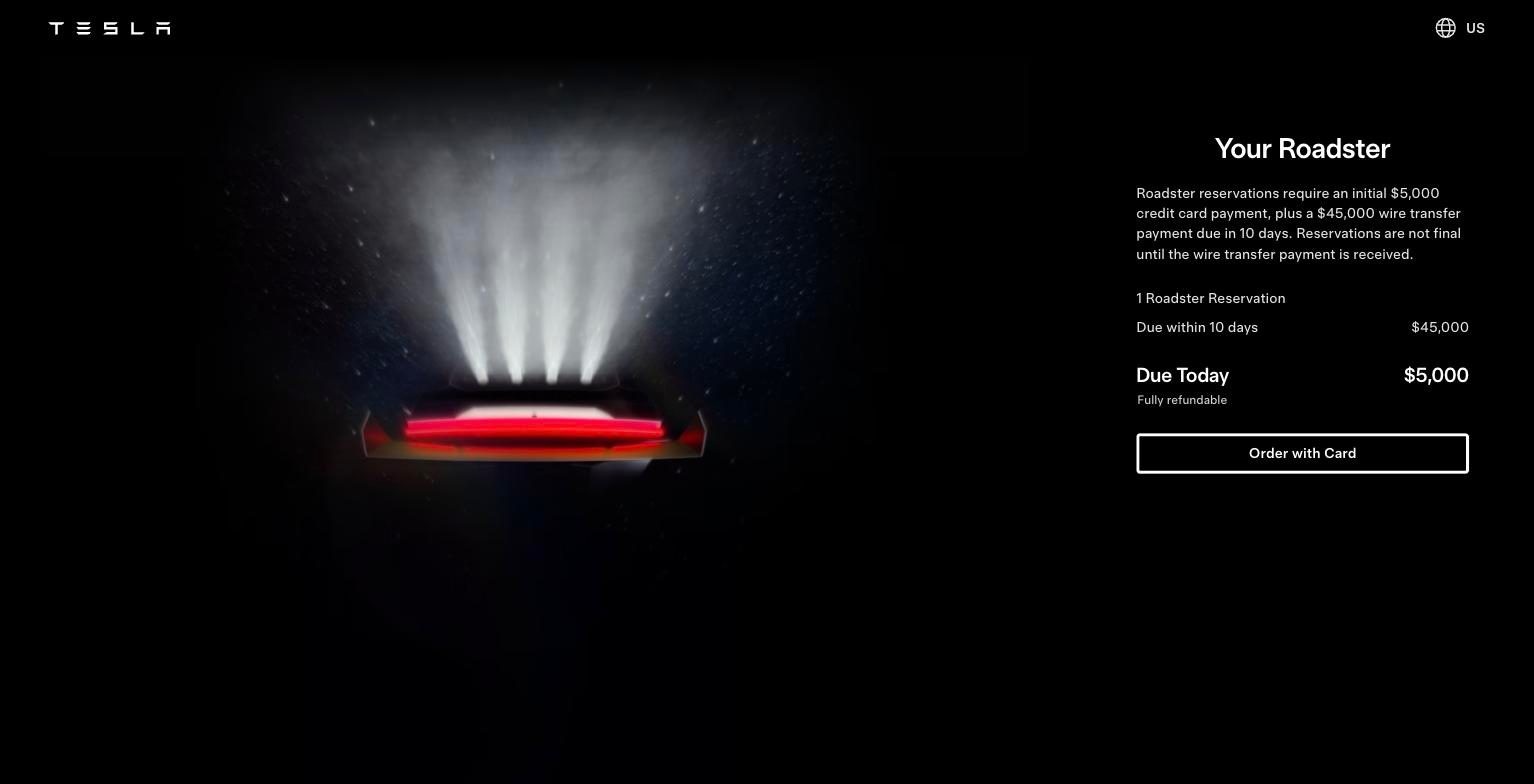
The updated reservation mechanism requires a two-step financial commitment. Interested buyers must initially charge a $5,000 deposit to a credit card, which is designated as fully refundable. This initial payment must be followed by a $45,000 wire transfer that must clear within ten business days to secure the reservation slot. According to Tesla’s updated terms, a reservation is not officially finalized until the full $50,000 capital transfer is verified by the company’s financial processing systems.
A History of Delays and Unfulfilled Timelines
The chronology of the Tesla Roadster spans nearly a decade of shifting deadlines, elevated performance promises, and persistent delivery setbacks. The vehicle was first unveiled to the public in November 2017 during the debut event for the Tesla Semi. At that time, the company collected identical $50,000 deposits for standard reservations alongside a $250,000 upfront payment tier designated for the exclusive "Founders Series." During the initial 2017 presentation, chief executive officer Elon Musk promised production would commence by 2020, positioning the car as a revolutionary halo vehicle for the brand.
That initial production target elapsed without a single vehicle reaching a retail customer. Over the subsequent years, the launch timeline for the 2017 Roadster was postponed on at least eight separate occasions. The persistent delays strained consumer confidence and created logistical challenges for early adopters and brand loyalists. Reports over the years highlighted difficulties faced by high-profile reservation holders—such as tech personality Marques Brownlee and OpenAI CEO Sam Altman—who encountered administrative hurdles, protracted waiting periods, and friction when attempting to secure refunds for capital tied up in canceled vehicle allocations.
Despite these historical delays, the newly launched reservation campaign replicates the foundational premise of the original launch: asking affluent buyers to advance significant capital with the expectation that Tesla will eventually engineer, manufacture, and deliver the promised vehicle. However, the current iteration presents a distinct variation, as buyers are being asked to allocate funds prior to the public exhibition of the finalized production-intent vehicle design.
Promises, Propulsion Technology, and Performance Metrics
Tesla has indicated that the upcoming October 1 event near Waco, Texas, will finally establish formal pricing guidelines, comprehensive technical specifications, and realistic production schedules. In the months leading up to this event, executive leadership has heavily teased unconventional performance features, most notably a collaboration with aerospace manufacturer SpaceX to integrate cold gas thrusters into the vehicle’s architecture. Musk has asserted that this propulsion technology will enable the sports car to achieve unprecedented vertical or hovering capabilities, though industry analysts expect the initial demonstration vehicle to be a non-street-legal, remotely operated engineering prototype rather than a homologated production car.
When originally announced in 2017, the baseline performance figures outlined by Tesla captured global attention. The vehicle was projected to deliver an astonishing 620 miles of driving range from a 200 kWh battery pack, accelerate from zero to 60 miles per hour in a staggering 1.89 seconds, achieve a quarter-mile time of 8.8 seconds, and attain a top speed exceeding 250 miles per hour. The base price was originally pegged at $200,000, with Founders Series models priced at $250,000.
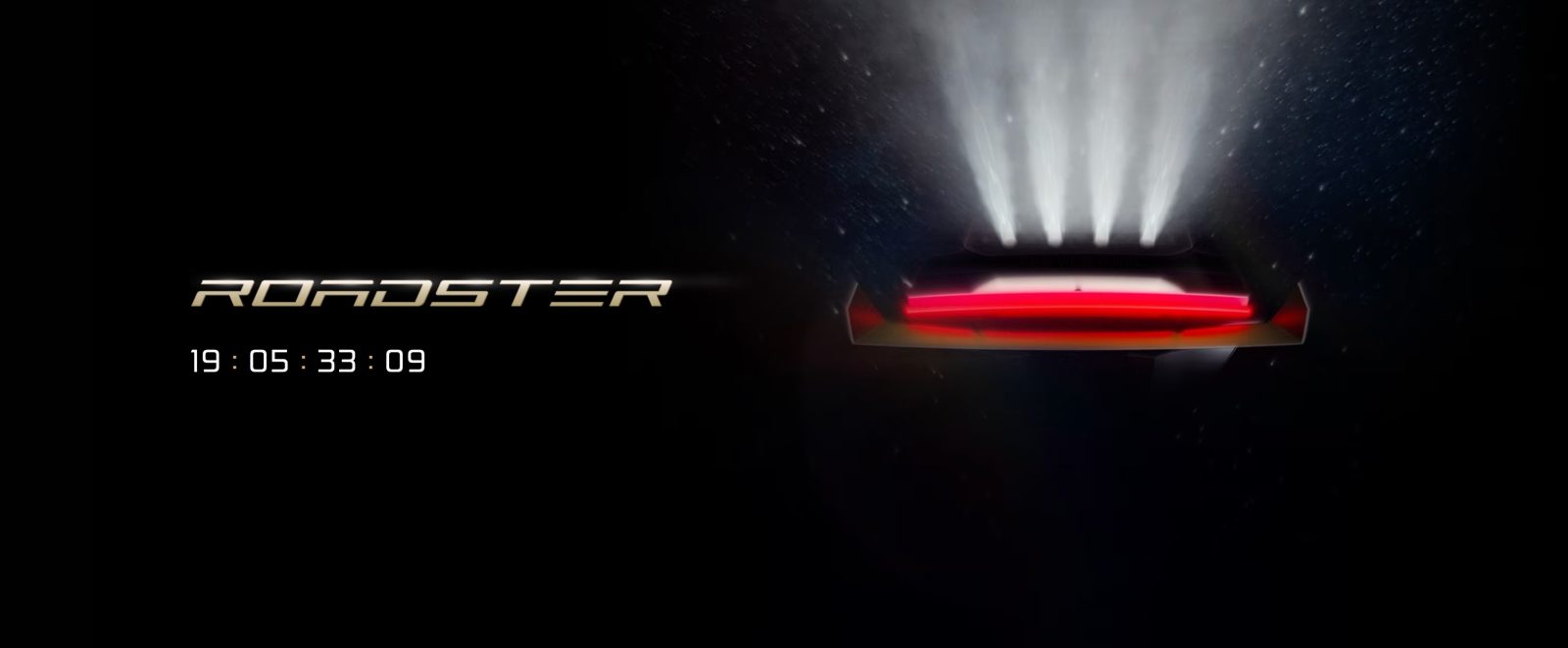
Recent teaser imagery suggests that the exterior design has undergone a stylistic evolution, incorporating sharper geometric angles consistent with Tesla’s newer design language, such as the Cybertruck and commercial robotaxi platforms, including a continuous, full-width light bar. Critics and automotive journalists have frequently noted that the primary challenge facing the Roadster program is not a deficiency in styling revisions, but rather the operational imperative to transition the vehicle from a concept phase into active, scalable manufacturing lines.
Market Sentiment and Financial Speculation
Independent prediction markets and consumer sentiment metrics reflect a cautious, skeptical outlook regarding the feasibility of Tesla’s newly established timelines. Contracts traded on prediction platforms such as Polymarket indicate low probabilistic confidence—consistently sitting below single digits—that customer deliveries will materialize by the end of 2026. While longer-term contracts extending into 2027 show higher confidence levels, the overarching consensus within the financial and automotive sectors remains guarded.
This skepticism is rooted in Tesla’s corporate history of prioritizing high-volume programs, such as the Model Y, Cybertruck, and next-generation autonomous vehicle platforms, over low-volume halo cars. While low-volume sports cars traditionally serve as technological showcases for high-end automotive brands, their impact on corporate revenue and profitability is minimal. Consequently, internal resource allocation has historically favored high-volume commercial lines over the development of the Roadster.
Broader Industry Implications and Corporate Strategy
The decision to reopen reservations and stage a high-profile reveal event carries several strategic implications for Tesla. From a liquidity perspective, collecting $50,000 deposits from thousands of affluent enthusiasts provides an immediate influx of unsecured, zero-interest capital. Beyond immediate cash flow considerations, the event serves as a powerful marketing mechanism designed to sustain public interest and media engagement amidst intensifying competition in the global electric vehicle sector.

As traditional legacy automakers and emerging EV startups alike introduce high-performance electric coupes and hypercars, Tesla faces mounting pressure to substantiate its technological leadership claims. The integration of aerospace-derived thruster technology, if successfully demonstrated, could reinforce the company’s reputation for disruptive engineering. Conversely, failure to deliver a production-ready vehicle within a credible timeframe risks compounding consumer fatigue and diminishing the credibility of future product announcements.
Ultimately, the success of the next-generation Tesla Roadster will not be measured by the theatricality of its launch events or the volume of capital collected through advance reservations, but by the tangible presence of production-intent vehicles delivered to customer driveways. Until physical units are certified for public roadways and handed over to buyers, automotive markets will likely maintain a posture of cautious observation toward Tesla’s ambitious timetable.