GM Expands Energy Pass Integration with ChargePoint to Streamline EV Charging Experience

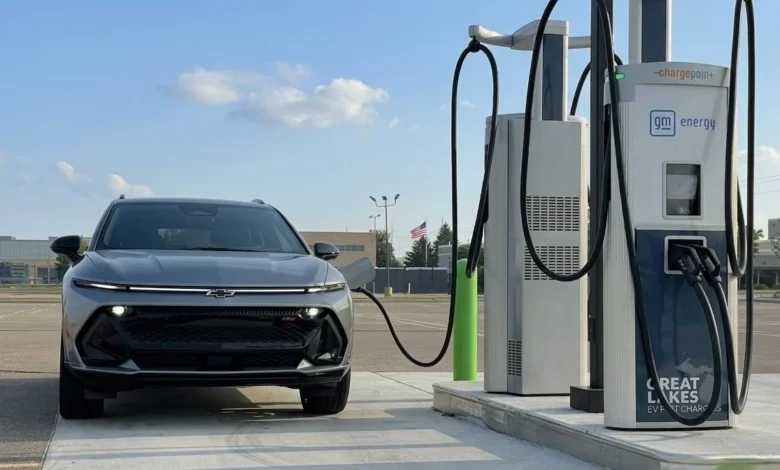
General Motors has officially announced a significant expansion of its electric vehicle ecosystem by fully integrating ChargePoint’s vast charging network into its proprietary Energy Pass system. This strategic move allows drivers of Chevrolet, GMC, and Cadillac electric vehicles to locate, initiate, and pay for charging sessions at tens of thousands of ChargePoint stations directly through their respective brand apps. By removing the need for third-party accounts and multiple mobile applications, GM is taking a decisive step toward eliminating "app fatigue," a commonly cited barrier to electric vehicle adoption. This integration marks a pivotal moment in GM’s broader strategy to create a seamless, end-to-end ownership experience for its growing fleet of Ultium-based vehicles and legacy electric models.
A Unified Digital Ecosystem for Electric Mobility
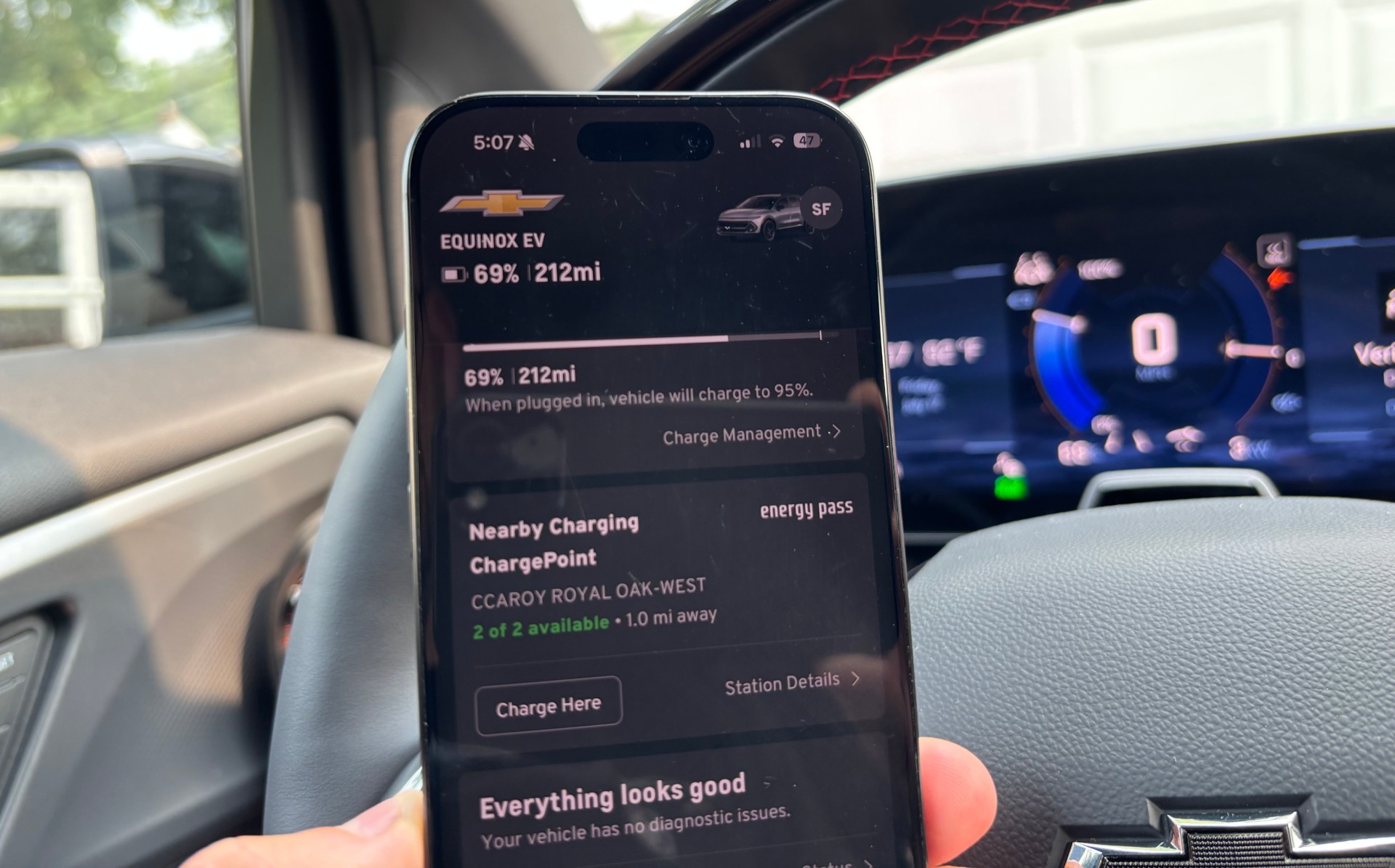
The integration of ChargePoint into the Energy Pass app represents a maturation of GM’s digital strategy. Launched earlier in 2026, Energy Pass was designed as a centralized hub for energy management, encompassing home charging solutions, vehicle-to-home (V2H) power transfer, and public charging access. By incorporating ChargePoint, one of the world’s largest charging networks, GM has significantly bolstered the utility of its mobile platforms, including myChevrolet, myGMC, and myCadillac.
For the end-user, the process is designed to be frictionless. Instead of maintaining a separate digital wallet and account with ChargePoint, drivers can use the payment methods already stored within their GM vehicle accounts. The in-app interface provides real-time data on station availability, charging speeds, and pricing. This level of transparency is essential for drivers planning long-distance trips or looking for reliable Level 2 charging while running errands in urban environments.

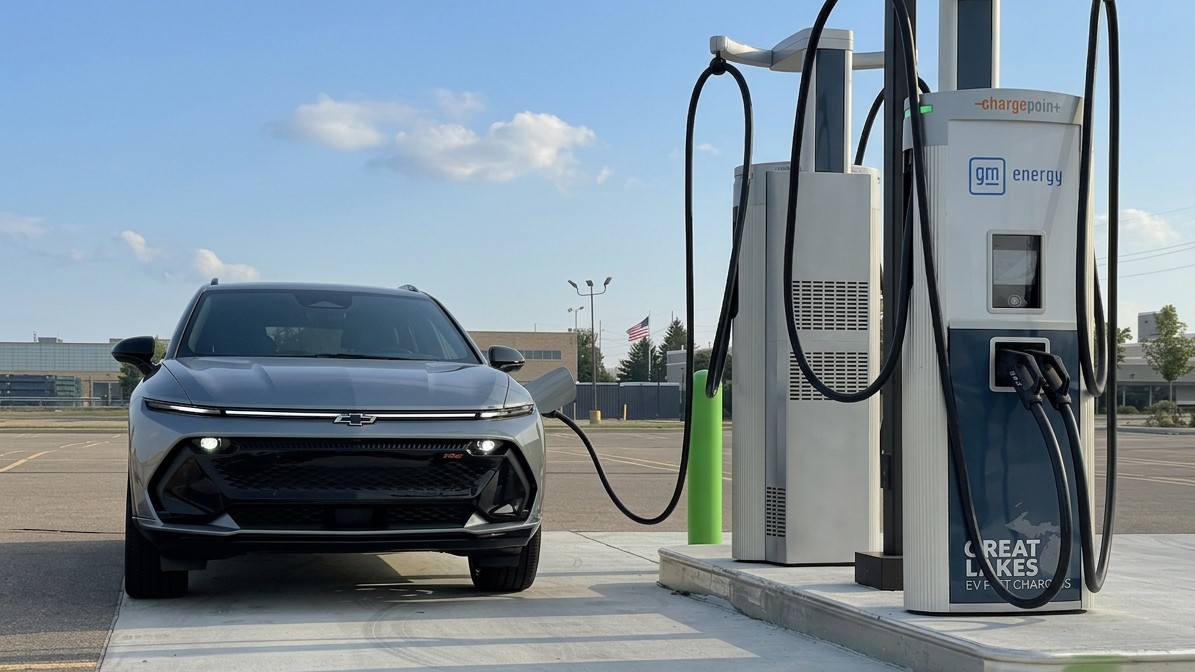
The ChargePoint network brings a massive influx of infrastructure to the Energy Pass platform. According to data from the Alternative Fuels Data Center as of early 2026, ChargePoint operates nearly 80,000 public charging ports across the United States. This includes approximately 75,000 Level 2 ports—ideal for workplace and overnight charging—and more than 4,400 DC fast-charging ports capable of delivering high-speed energy for long-distance travel.
The Evolution of Charging Convenience: Plug & Charge
A cornerstone of this partnership is the implementation of Plug & Charge technology at compatible ChargePoint stations. Based on the ISO 15118 international standard, Plug & Charge allows for an automated handshake between the vehicle and the charging station. When a driver plugs their GM EV into a supported ChargePoint stall, the station automatically identifies the vehicle, verifies the Energy Pass credentials, and begins the charging session without any further input from the driver.
This technology mimics the ease of use pioneered by Tesla’s Supercharger network, which has long been considered the gold standard for EV charging. By bringing this level of automation to the CCS (Combined Charging System) and NACS (North American Charging Standard) hardware utilized by ChargePoint, GM is closing the convenience gap between its products and those of its competitors. The simplification of the payment process—moving it from a manual task to a background automated function—is expected to improve the overall reliability and user satisfaction scores for GM’s EV lineup.
Strategic Chronology: GM’s Road to Infrastructure Integration
The partnership with ChargePoint is not an isolated event but the latest milestone in a multi-year effort by General Motors to secure charging reliability for its customers. The timeline of GM’s infrastructure strategy reveals a focused transition from hardware dependence to software-driven interoperability:
- 2021-2022: Initial Partnerships. GM began by establishing foundational relationships with networks like EVgo and Flo, focusing on building out dedicated "Ultium Charge 360" branding to help drivers find chargers.
- 2023-2024: The Shift to NACS. Following the industry-wide trend initiated by Ford, GM announced it would adopt the North American Charging Standard (NACS), ensuring future compatibility with Tesla’s Supercharger network while maintaining support for existing CCS infrastructure via adapters.
- Late 2025: The Birth of GM Energy. GM consolidated its energy-related services under the "GM Energy" umbrella, focusing on the intersection of the electric grid, the home, and the vehicle.
- Early 2026: Launch of Energy Pass. The Energy Pass app was introduced to serve as the singular digital gateway for all charging and energy management needs.
- July 2026: ChargePoint Full Integration. The current milestone sees ChargePoint’s 80,000 ports fully absorbed into the Energy Pass ecosystem, providing a massive scale-up in accessible hardware.
Data-Driven Impact on Charging Access
The inclusion of ChargePoint dramatically alters the landscape of accessible charging for GM drivers. Prior to this integration, drivers often had to navigate a fragmented market of independent providers, each requiring a separate app and payment setup.
GM’s internal projections suggest that as ChargePoint and other planned network integrations (such as EVgo, Pilot Flying J, and Electrify America) come fully online within the Energy Pass framework, GM drivers will have integrated access to approximately 70% of all DC fast chargers in the United States. Furthermore, the ChargePoint partnership alone provides access to roughly 60% of the nation’s public Level 2 chargers.
This coverage is critical because of the differing roles Level 2 and DC fast charging play in an EV owner’s life. While DC fast charging is essential for highway travel, Level 2 charging is the "connective tissue" of the EV experience, supporting drivers at hotels, shopping centers, and municipal parking garages. By securing such a high percentage of both categories within a single app, GM is positioning itself as a leader in software-integrated mobility.
Industry Reactions and Market Implications
Industry analysts view this move as a necessary step for legacy automakers to compete in a software-defined vehicle market. "The hardware is only half the battle," says automotive analyst David Richardson. "The real competition in the EV space is now moving toward the user interface. If a driver has to struggle with a third-party app in the rain at 11:00 PM, they won’t blame the charging network; they will blame the car company. GM is taking ownership of that experience."
While official statements from GM executives emphasize customer satisfaction, the move also has clear economic implications. By directing its customers toward specific "integrated" partners like ChargePoint, GM can better manage the data flow related to vehicle battery health and charging habits. This data is invaluable for refining future battery chemistry and thermal management systems.
ChargePoint, for its part, benefits from a more consistent stream of users. By being the "preferred" network within the GM app, ChargePoint stations are likely to see higher utilization rates compared to networks that remain outside the Energy Pass ecosystem. This symbiotic relationship is expected to drive further investment in station maintenance and uptime—a persistent issue in the non-Tesla charging space.
Addressing the "Reliability Gap"
One of the most significant challenges facing the EV industry is the reliability of public infrastructure. Studies have shown that a significant percentage of non-Tesla public chargers are non-functional at any given time due to software glitches or hardware damage.
GM’s integration with ChargePoint includes enhanced diagnostic sharing. When a charger is initiated through the Energy Pass app, GM receives real-time feedback on the success of the handshake and the delivery of power. This "closed-loop" feedback system allows GM to provide more accurate information to other drivers. If a station consistently fails to initiate through the app, the system can automatically deprioritize that location in the vehicle’s navigation system, sparing other drivers the frustration of arriving at a broken charger.

Broader Implications for the EV Transition
The expansion of Energy Pass arrives at a time when General Motors is significantly ramping up production of its electric portfolio, including the Chevrolet Equinox EV, the Silverado EV, and the Cadillac LYRIQ. For these vehicles to appeal to "mainstream" buyers—those moving away from internal combustion engines for the first time—the charging experience must be as simple as visiting a gas station.
The "one app, one account" philosophy is a direct response to the complexity that has plagued the first decade of modern EV ownership. As GM moves toward its goal of an all-electric future, the success of platforms like Energy Pass will be just as important as the range or horsepower of the vehicles themselves.
Furthermore, this integration sets a precedent for how automakers might handle the "NACS transition." As more vehicles on the road utilize the Tesla-designed connector, the distinction between different charging networks will begin to blur. In this environment, the brand that provides the best software interface will likely earn the highest customer loyalty. GM is betting that by aggregating the world’s largest networks into a single, polished interface, it can provide a superior value proposition to its customers.
Future Outlook: Beyond Public Charging
Looking ahead, GM Energy plans to expand the capabilities of Energy Pass even further. The framework established for the ChargePoint integration—handling authentication, payment, and data transfer—is expected to be applied to home energy management. Future updates may allow users to manage their home solar arrays, stationary storage batteries, and vehicle-to-grid (V2G) sales through the same interface used to charge their car at a public station.

In conclusion, the full integration of ChargePoint into GM’s Energy Pass is more than a technical update; it is a strategic consolidation of the electric vehicle experience. By providing access to 80,000 ports and approximately 70% of the nation’s fast-charging infrastructure through a single, brand-native application, General Motors is addressing the core anxieties of the EV market. As the industry moves toward mass adoption, the simplicity and reliability offered by such integrated ecosystems will likely be the primary differentiator for consumers choosing their next vehicle. For GM drivers, the road ahead just became significantly better mapped and much easier to navigate.
Related posts: