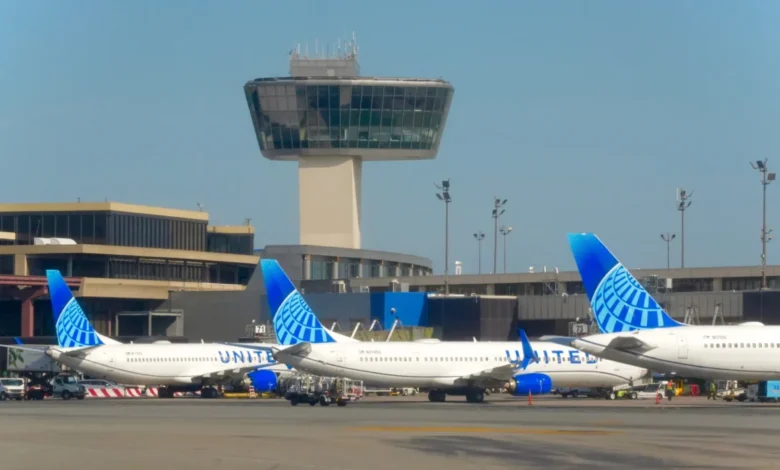
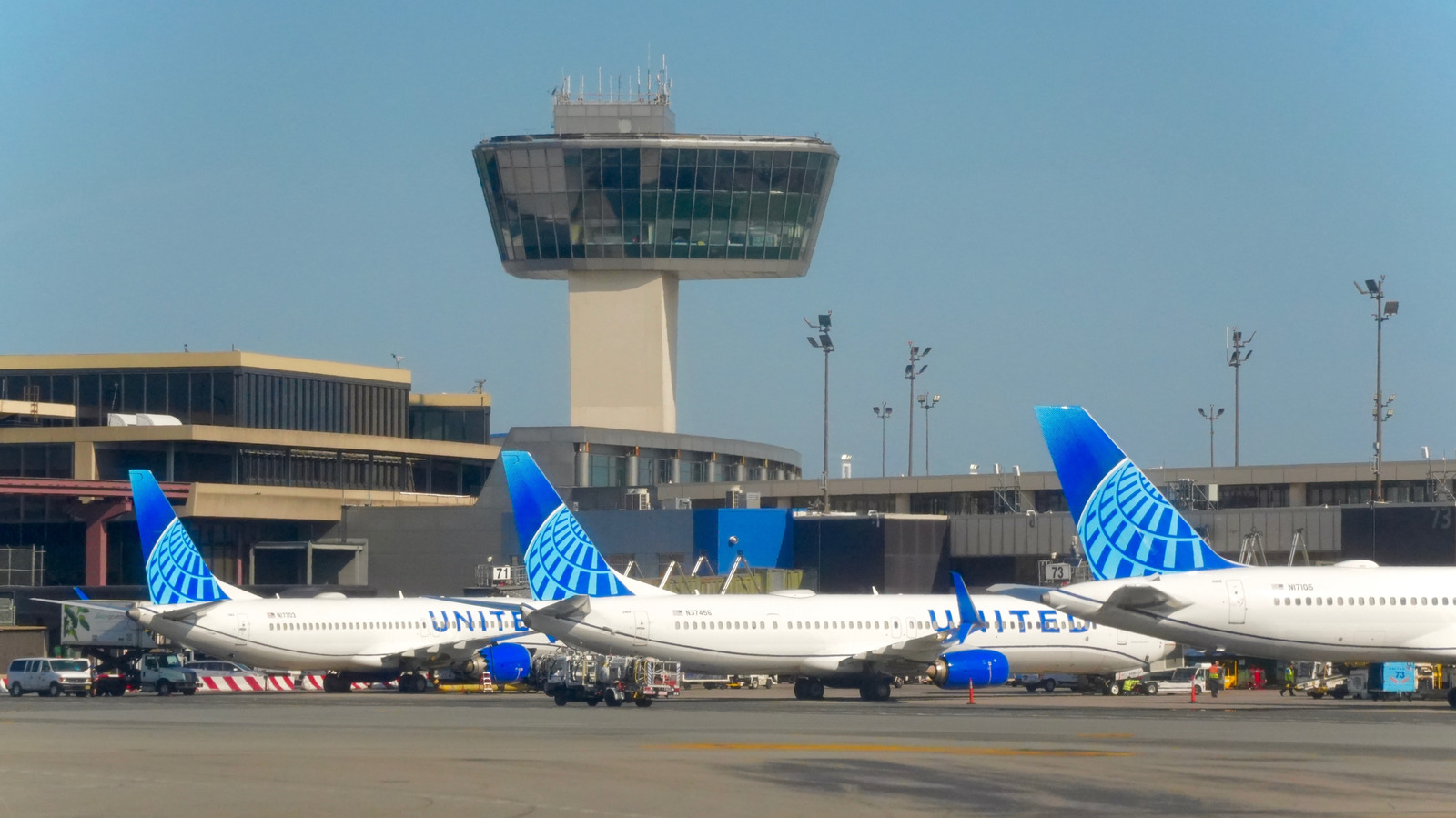
A significant infrastructure failure triggered by a severed fiber-optic cable in New Jersey resulted in a cascading series of ground stops and delays across the Northeast corridor, paralyzing air travel for thousands of passengers on Monday. The incident, which originated at an Amtrak construction site between New Brunswick and Newark, effectively disabled critical communications for the Philadelphia Terminal Radar Approach Control (TRACON) facility. Because the facility serves as a primary hub for regional air traffic management, the outage forced the Federal Aviation Administration (FAA) to halt operations at Newark Liberty International, John F. Kennedy International, LaGuardia, Teterboro, and Philadelphia International airports.
Chronology of the Disruption
The crisis began during the early morning hours, coinciding with a high-traffic period as international delegates arrived in New York City for the United Nations General Assembly. According to preliminary reports, an Amtrak contractor conducting routine work along the Northeast Corridor inadvertently severed a primary telecommunications line.
By mid-morning, the impact on regional aviation was immediate. The FAA issued formal ground stops as controllers lost the ability to maintain the necessary radar and data links required to safely manage aircraft in one of the world’s most congested airspaces. While the FAA attempted to divert traffic and manage existing flights in the air, the loss of the Philadelphia TRACON link created a "blind spot" in the system, leaving the agency with little choice but to cease departures and arrivals to prevent potential safety risks.
By early afternoon, the agency managed to restore limited capacity at LaGuardia and Philadelphia. However, the ripple effects of the initial ground stop continued to grow, with thousands of passengers stranded and hundreds of flights canceled across the metropolitan area. Flight tracking data from FlightAware indicated that Newark Liberty International Airport bore the brunt of the disruption, recording over 600 flight cancellations by the end of the day.
The Vulnerability of Redundant Infrastructure
The incident has sparked an urgent debate regarding the robustness of aviation infrastructure. In modern air traffic control, redundancy is the bedrock of safety. Facilities are typically equipped with primary and secondary systems to ensure that if one line of communication fails, the other can take over instantaneously.
In this instance, the failure was twofold: the primary circuit at the Philadelphia TRACON facility experienced a catastrophic event, and the intended fail-safe—a dedicated Verizon fiber-optic line—was also rendered useless when it was cut during the construction activity. This "dual-point failure" highlights a significant weakness in the current regional telecommunications architecture.
Telecommunications provider Verizon, while acknowledging the location of the break, has stated that they bear no direct responsibility for the actions of the construction crews on-site. The incident serves as a stark reminder of the "call before you dig" protocol, a standard safety measure that, when bypassed or executed incorrectly, can lead to multi-million dollar economic losses and the total disruption of essential national services.
Historical Context and Regional Airspace Management
The reliance on the Philadelphia TRACON has grown significantly over the past several years. To mitigate chronic congestion in the skies over New York, the FAA has been forced to shift management responsibilities. In 2023, the agency implemented a major strategic change, transferring approximately 100 square miles of Newark’s airspace to the jurisdiction of the Philadelphia TRACON facility.
The goal of this transfer was to alleviate the extreme workload on the New York TRACON, which has long been described as operating at or near maximum capacity. However, this shift created a new dependency. By centralizing the management of these two regions, the FAA inadvertently created a "single point of failure" scenario. Critics of the modernization efforts have pointed out that while the move was intended to increase efficiency, it required a level of physical infrastructure stability that the regional network was unable to provide during this week’s construction accident.
Official Responses and Future Implications
Federal Aviation Administrator Bryan Bedford issued a statement acknowledging the severity of the situation, noting that the physical nature of the cable damage required extensive repair time. FAA technicians estimated a 13-hour window to fully restore the fiber-optic link, a timeline that forced airlines to extend ground stops well into the evening.
Transportation Secretary Sean Duffy utilized social media platforms to address the incident, framing it as a symptom of a broader need for legislative action regarding infrastructure. "This incident illustrates the critical necessity of modernizing our air traffic control technology," Duffy stated. "We cannot afford for our national aviation backbone to be dependent on the accidental cutting of a single ground-level cable."
While the Secretary’s remarks focused on long-term funding and technological upgrades, labor unions representing air traffic controllers highlighted a more immediate concern: staffing levels. The incident has reignited discussions regarding the psychological and operational strain placed on controllers who are currently managing record-high flight volumes with outdated, fragmented systems.
Broader Economic and Operational Impact
The economic fallout of a multi-airport ground stop is difficult to quantify but is estimated to be in the tens of millions of dollars. Beyond the direct costs of fuel, crew repositioning, and passenger accommodations, the delay has a "knock-on" effect that can disrupt flight schedules across the entire United States for up to 48 hours. When hubs like Newark and JFK stop functioning, aircraft are not where they are scheduled to be for their next routes, leading to a domino effect of delays in hubs as far away as Atlanta, Chicago, and Dallas.
From an operational standpoint, the industry is now facing calls for a rigorous audit of the physical protection protocols for utility lines located near critical transportation corridors. In many cases, critical fiber-optic bundles are not adequately shielded against the heavy machinery used in rail and road maintenance.
Analysis: A System at Its Limit
The events of this past Monday are indicative of a national aviation system that is being pushed to its limits. The convergence of an aging physical grid, a reliance on centralized regional control, and the constant threat of human error during construction creates a precarious environment for air travel.
The FAA’s decision to offload airspace to Philadelphia was a tactical solution to a strategic problem: there are simply too many planes and too little capacity in the New York metropolitan area. However, that solution relied on the assumption that the data links between those facilities would remain perpetually available. The fact that a single construction crew could effectively halt the movement of aircraft in the nation’s largest financial and diplomatic hub suggests that current contingency plans are insufficient for the modern era.
As the FAA and federal regulators look toward recovery, the focus will likely shift to three key areas:
- Infrastructure Hardening: Identifying and adding physical protection or deeper burial protocols for telecommunications lines that serve air traffic control hubs.
- System Decentralization: Evaluating whether the current trend of consolidating control centers creates too much risk for the national airspace.
- Communication and Oversight: Strengthening the coordination between utility contractors, municipal agencies, and federal regulators to ensure that no excavation project proceeds without a precise, updated map of mission-critical subterranean infrastructure.
For now, the airports have returned to normal operations, but the underlying vulnerabilities remain. The traveling public, airlines, and regulators are left to grapple with the realization that the complex machinery of American aviation is often tethered to the most fragile of components—a single glass fiber, vulnerable to the bite of a shovel.
Related posts: