Zurich Airport Pioneers European Aviation with Driverless Level 4 Electric Shuttles Developed Alongside WeRide

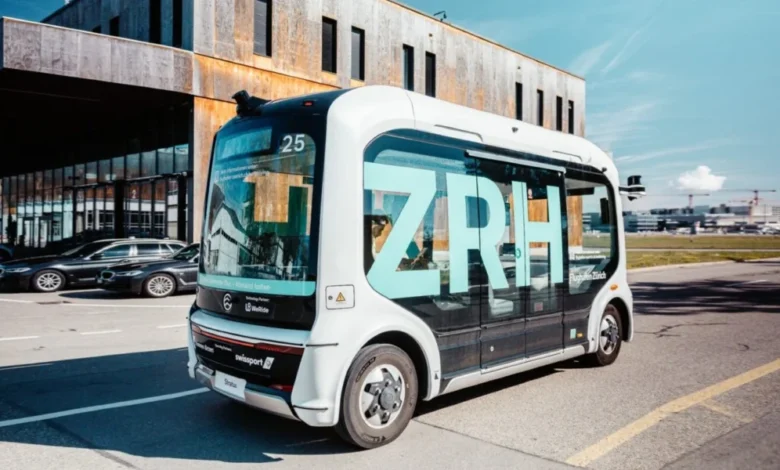
Zurich Airport has officially inaugurated a groundbreaking phase in modern transportation infrastructure by deploying two fully autonomous, electric shuttle buses directly on its active airfield and operational grounds. Marking a significant milestone for both Swiss aviation and European mobility, these vehicles operate entirely without a human safety driver behind the wheel. Instead, the driverless fleet relies on advanced sensor arrays, artificial intelligence, and centralized remote-monitoring cockpits to navigate complex airport environments safely.
This major milestone places Zurich Airport at the vanguard of European transport innovation. As global aviation hubs face mounting pressure to reduce ground-level carbon emissions, modernize logistics, and embrace digital transformation, the successful integration of Level 4 (L4) autonomy offers a compelling glimpse into the future of airport ground operations. Developed in close strategic partnership with renowned Chinese autonomous vehicle specialist WeRide, the initiative represents the culmination of extensive engineering, regulatory compliance, and rigorous safety testing designed to meet the stringent standards established by European Union framework regulations.
Chronology of the Project: From Concept to Driverless Reality
The journey toward driverless operations at Zurich Airport did not happen overnight. It is the result of a carefully phased, multi-year strategic rollout aimed at ensuring absolute reliability before removing the human safety driver from the vehicle cabin.
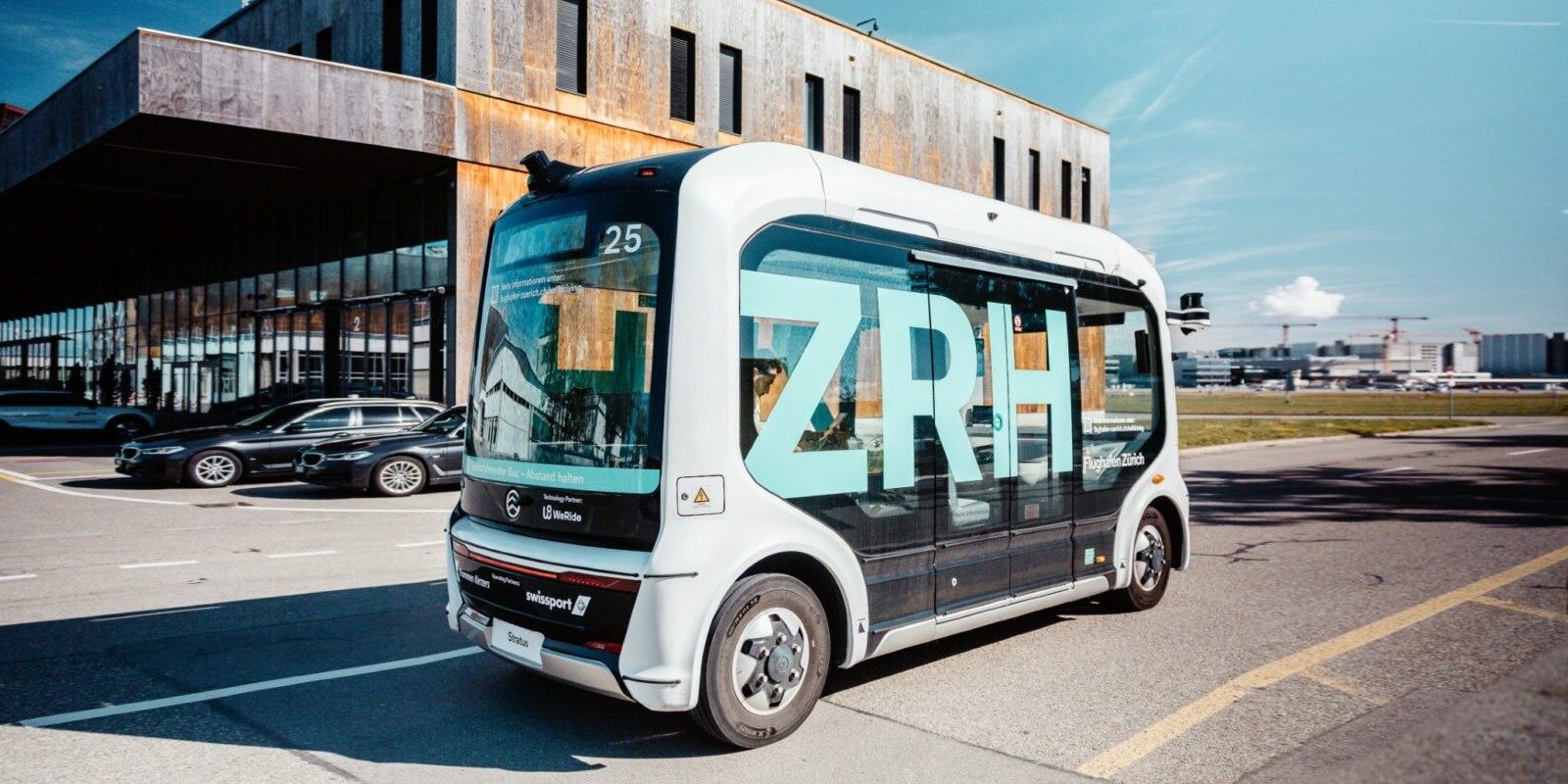
The initiative officially commenced in March 2025, when Zurich Airport partnered with WeRide to introduce the electric shuttles to the facility. During the initial introductory phase, the vehicles underwent comprehensive performance evaluations, mapping out the airport perimeter, and testing response mechanisms to unexpected obstacles. These early months were critical for gathering operational data, calibrating LiDAR and camera suites, and aligning the autonomous stack with local Swiss transit standards and broader European technical requirements for L4 automated driving systems.
Following months of closed-course and supervised testing, the project advanced significantly at the beginning of September. During this period, the shuttles completed their first fully autonomous journeys without any human safety personnel on board the vehicles. Airport authorities confirmed that the initial deployment phase will run without passengers for approximately four weeks to verify system stability under varied weather and traffic conditions. Once this validation period successfully concludes, partner company employees are scheduled to begin utilizing the electric shuttles for routine transit across designated airport zones.
Technical Architecture and Safety Protocols
Level 4 autonomy, as defined by the Society of Automotive Engineers (SAE), designates a system capable of driving independently under specific conditions without requiring human intervention. Achieving this level of automation on airport grounds requires a sophisticated fusion of hardware and software components capable of reacting instantaneously to dynamic surroundings.
The WeRide-supplied electric shuttles utilize a multi-layered sensor suite comprising high-definition LiDAR units, radar, long- and short-range optical cameras, and ultrasonic sensors. This overlapping field of view grants the vehicles a 360-degree real-time awareness of their environment, allowing them to detect pedestrians, service vehicles, baggage trains, and stationary obstacles well in advance.
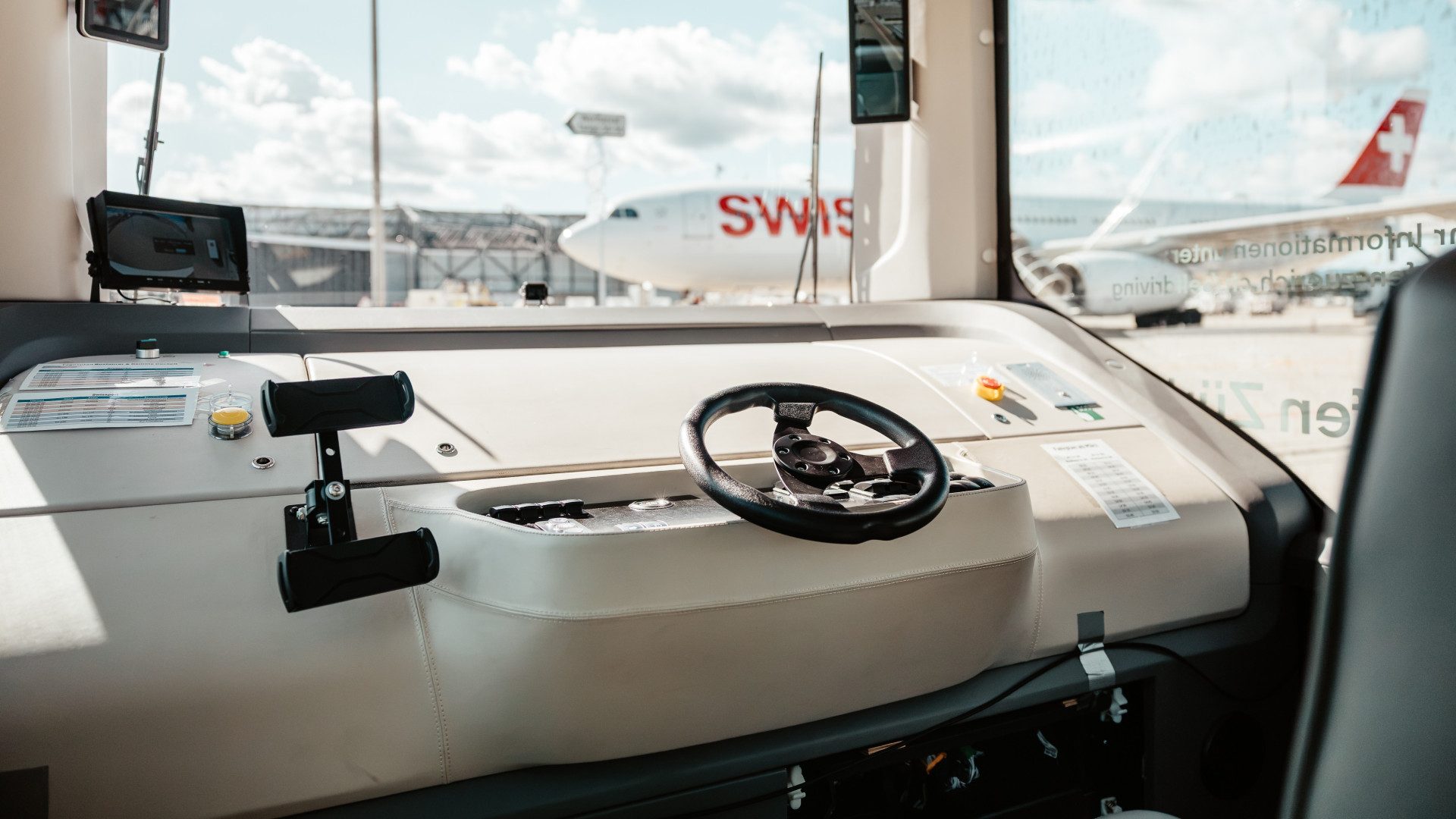
Despite operating without an onboard driver, the shuttles are never truly unsupervised. Safety oversight is maintained via a dedicated remote-monitoring cockpit. If an autonomous shuttle encounters an ambiguous scenario or a blocked pathway that exceeds its operational design domain parameters, remote operators can intervene, provide path-planning guidance, or take over teleoperation capabilities instantaneously.
Raphaël Glaesener, Senior Innovation Manager at Zurich Airport Ltd., underscored the paramount importance of safety throughout the deployment process. "Safety was and remains our top priority at all times," Glaesener stated. "That is why the first Level 4 trips will once again be carried out without passengers. However, we expect that after around four weeks of test operation, employees will be able to use the now fully automated shuttle."
Operational Integration and Sustainability Goals
The deployment of the WeRide electric shuttles is not an isolated technology demonstration; it forms an integral component of Zurich Airport’s broader corporate strategy to electrify and decarbonize standard operations across its campus.
Aviation ground operations are notoriously energy-intensive, traditionally relying on diesel-powered utility vehicles, baggage tractors, and employee transport buses. By integrating battery-electric autonomous shuttles into the daily transit matrix, Zurich Airport is directly cutting localized greenhouse gas emissions and particulate pollution. This initiative complements other recent campus-wide sustainability drives, such as the implementation of electric aircraft tugs designed to slash ground emissions by up to 80 percent during aircraft repositioning.

To ensure absolute safety during the pilot program, the shuttles operate on strictly defined, geo-fenced routes tailored for employee transit. Crucially, these paths are mapped to avoid crossing active aircraft taxiways and runways, eliminating potential conflict points with commercial airliners and heavy ground-support machinery.
The logistical execution of the pilot involves close collaboration with key airport partner companies, including ground handler Swissport and logistics specialist Krummen Kerzers. As part of the operational framework, each participating company contributes personnel to manage its own dedicated remote-operations monitoring stations, ensuring shared responsibility and seamless integration into existing corporate workflows.
Broader Industry Implications and the Future of Airport Logistics
Zurich Airport’s successful deployment of driverless L4 shuttles serves as a significant bellwether for the global aviation and autonomous vehicle industries. As airports worldwide grapple with labor shortages, rising operational costs, and aggressive net-zero carbon targets, automated ground transport presents a highly scalable solution.
Airports represent ideal proving grounds for early-stage autonomous commercial deployment. Unlike public city streets, which are plagued by unpredictable pedestrian behavior, erratic motorists, and chaotic urban infrastructure, airport campuses are semi-controlled environments. They feature clear signage, predictable traffic flows, lower average vehicle speeds, and comprehensive digital mapping. These controlled parameters allow autonomous vehicle developers like WeRide to refine their software stacks in real-world commercial conditions while maintaining high safety margins.

The success of the Zurich pilot could pave the way for accelerated regulatory approvals across other European transportation hubs. Regulators are closely watching how the WeRide shuttles perform over extended periods without onboard safety drivers, particularly regarding liability, cybersecurity, and emergency response integration with local authorities.
Furthermore, the partnership highlights the growing commercial maturity of Chinese autonomous vehicle technology on the international stage. WeRide, a leading global player in autonomous driving solutions, has steadily expanded its footprint beyond domestic markets, establishing strategic partnerships across Asia, the Middle East, and now Europe. Collaborating with a premier European aviation hub like Zurich lends substantial credibility to WeRide’s technological stack and regulatory adaptability.
As the four-week empty-shuttle testing phase progresses toward full employee integration, all eyes remain on Zurich. If the pilot continues to meet safety and reliability benchmarks, the model established by Zurich Airport and WeRide could soon become the industry standard for sustainable, automated mobility at airports worldwide, transforming how personnel and eventually passengers traverse major global transit hubs.