Twenty Years of Taylor Swift: Reflecting on the Debut Album That Redefined Modern Pop Culture

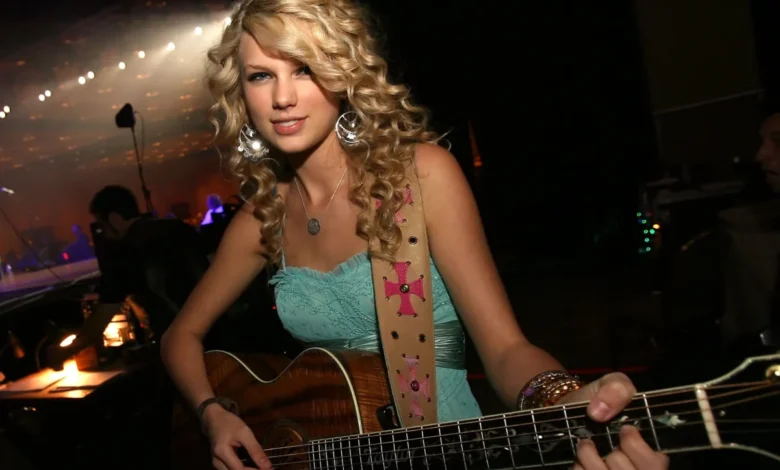
October 24, 2026, marks the twentieth anniversary of the release of Taylor Swift’s self-titled debut studio album, a project that has since evolved from a niche country record into the foundational blueprint for a global cultural phenomenon. When the album arrived on shelves in 2006, the landscape of the music industry was vastly different; streaming services were non-existent, the digital revolution was in its infancy, and the Nashville establishment was deeply skeptical of a 16-year-old girl who insisted on writing her own material. Today, as that record turns two decades old, it stands as the starting point for a trajectory that shifted the power dynamics of the music business, forever altering the expectations placed on female pop superstars.
The Humble Origins of a Global Icon
In October 2006, the release of the album Taylor Swift was not heralded as a monumental event. At the time, the singer was a teenager from Hendersonville, Tennessee, struggling to convince radio programmers to play songs that blended suburban teenage anxieties with traditional country sensibilities. Her team faced significant hurdles, often finding it difficult to secure even minor press coverage. The industry was dominated by established acts, and the concept of a young, female, self-taught singer-songwriter achieving sustained success without the backing of a major, pre-existing machine was viewed with skepticism.
The album’s success was not immediate, but it was persistent. It defied the "one-hit wonder" trajectory that many critics predicted for teen artists. By blending the raw, confessional nature of her diary-like songwriting with radio-friendly production, Swift bridged the gap between the Nashville "Music Row" establishment and the broader, more lucrative pop charts. This duality—the "country girl" aesthetic paired with the universal themes of heartbreak and social isolation—allowed the album to resonate across demographics that had previously been segmented.
A Chronology of Breakthrough
To understand the scale of this twenty-year milestone, one must look at the timeline of the album’s rollout. Swift’s early career was defined by an aggressive touring and promotional schedule, characterized by her infamous four-hour meet-and-greet sessions. These events served as the bedrock of her loyal fan base, now globally known as "Swifties."

- 2006: The self-titled album is released. Early singles like "Tim McGraw" establish a country footprint.
- 2007: Swift begins to see crossover success. The "pop remix" of "Teardrops on My Guitar" starts gaining traction on MTV’s "TRL," a significant achievement for a country artist at the time.
- 2008: By early 2008, Swift is a household name in country music, having earned her first No. 1 hits. Her career begins to pivot toward the global superstardom that would be cemented by the subsequent release of Fearless.
- 2009 and Beyond: The "Debut" era serves as a proof of concept, proving that her unique songwriting approach—characterized by specific, conversational lyrics—could sustain a career far beyond the initial teenage novelty phase.
Data-Driven Impact on the Industry
The commercial performance of the album provided the necessary leverage for Swift to demand creative control. According to retrospective data, the album’s longevity on the charts was unprecedented for a debut project by a new artist. While it did not immediately hit No. 1 on the Billboard 200 upon release, its sustained presence on the country charts for over a year turned it into one of the most consistent sellers of the late 2000s.
Industry analysts note that the success of the album forced a recalibration of how labels handled young talent. Prior to Swift, teenage female artists were frequently steered toward established songwriters and producers. Swift’s insistence on writing her own material—often citing her personal experiences with bullying, school life, and early romance—pioneered a new, hyper-confessional style of songwriting that became the industry standard in the 2010s and 2020s.
The Cultural Shift in Songwriting
A key component of the album’s success was its conversational tone. Swift’s lyrics often functioned as a direct line of communication between the artist and her listeners. By detailing specific names, locations, and personal anecdotes in tracks like "Our Song" and "Should’ve Said No," she created an intimacy that fostered intense listener loyalty.
In retrospective interviews, Swift has characterized this period as a time of learning and navigation. She credits her early ability to work with Nashville’s songwriting community as the reason she developed the professional rigor that would later define her business acumen. Her work with collaborators like Colbie Caillat on later projects stemmed from the lessons she learned during the "Debut" era, where she realized that the most "personal" songs often had the broadest appeal.
Official Responses and Industry Legacy
Though no official deluxe reissue has been announced for this 20th anniversary—a departure from current industry trends where artists frequently re-release milestone albums—the legacy of the project is cemented by the artists who followed in her footsteps. Many contemporary pop and country artists have cited the success of the "Debut" album as the catalyst for their own ability to sign with labels that allow for creative autonomy.

Nashville insiders who were present during the early days of Big Machine Records recall the "leap of faith" required to launch the label with only ten employees. The story of Swift and her mother stuffing CDs into envelopes to send to radio stations has become modern folklore in the music industry. It serves as a reminder of a pre-digital-dominance era where grassroots marketing and physical interaction with radio programmers were the only pathways to national success.
Broader Implications and Future Outlook
The impact of the 2006 debut extends well beyond the tracks themselves. It fundamentally changed the perception of the "teen star." By maintaining a public image that was intentionally "anti-party" and focused on musical craft, Swift provided an alternative to the tabloid-heavy culture of the mid-2000s. Her career-long focus on owning her narrative—a direct result of her early battles for creative control—has become the gold standard for modern artists.
As the music industry continues to evolve in 2026, the principles established by the album remain relevant. The importance of the "fan-first" model, the power of direct-to-consumer engagement via social platforms (which began on MySpace during the "Debut" era), and the enduring value of authentic, autobiographical songwriting all trace their roots back to this initial release.
Looking back at the trajectory of the last twenty years, it is clear that the 16-year-old girl who once walked up and down Music Row knocking on doors was not just pitching songs; she was pitching a new model for the music business. The "Debut" album was more than just a collection of tracks; it was the foundation for a career that has spanned two decades and successfully bridged the divide between genres, demographics, and generations. As fans celebrate this anniversary, the industry at large recognizes that the cultural shift initiated by that album in 2006 is still felt in every corner of the pop music world today.