The Hunter’s Moon: A Guide to Observing the October Full Moon and Its Celestial Significance

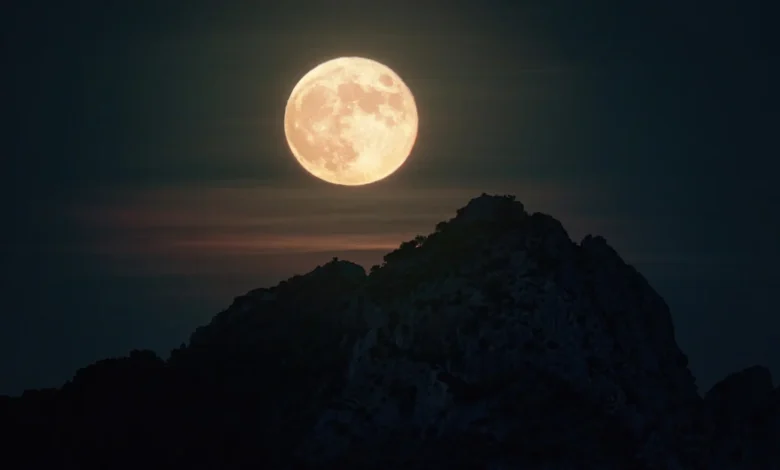
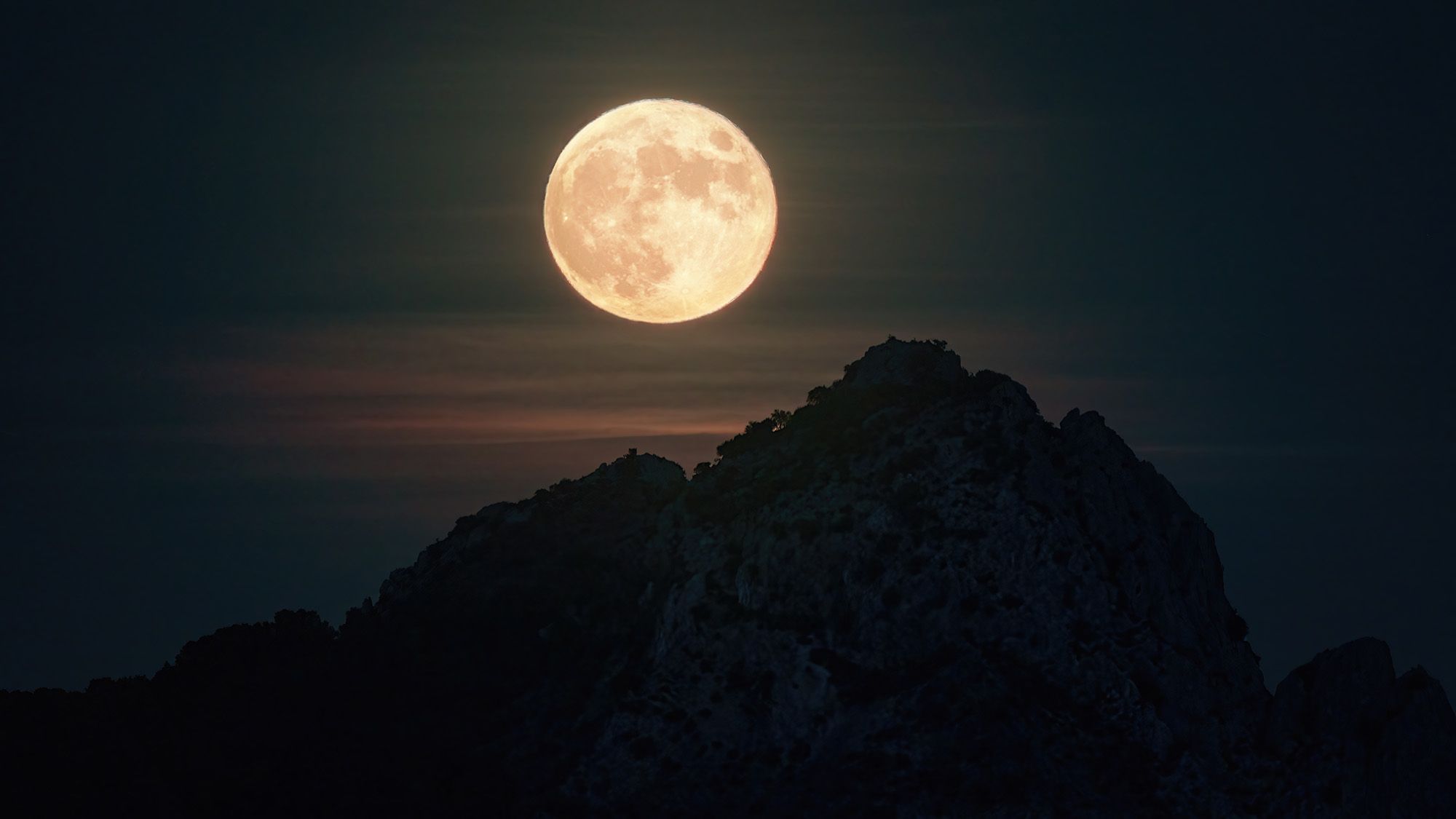
October’s full moon, widely known as the Hunter’s Moon, is preparing to grace the night sky, offering skywatchers a prime opportunity to witness one of the most celebrated lunar events of the autumn season. While the moon reaches its peak illumination at 12:11 a.m. EDT on Monday, October 26, the astronomical phenomenon provides an extended window for observation. Enthusiasts across the globe will be able to enjoy the sight of a nearly full lunar disc as it rises on the eastern horizon during the twilight hours of both Sunday, October 25, and Monday, October 26.
This event serves as more than just a visual spectacle; it marks a transition in the seasonal cycle, deeply rooted in historical, agricultural, and cultural traditions. As the harvest season wanes and the preparations for winter intensify, the Hunter’s Moon serves as a celestial reminder of the changing climate and the rhythm of the natural world.
The Astronomical Mechanics of the Hunter’s Moon
The Hunter’s Moon is defined as the first full moon following the Harvest Moon, which is the full moon closest to the autumnal equinox. In the Northern Hemisphere, this period often results in a unique lunar behavior. Because the ecliptic—the path the sun, moon, and planets travel across the sky—is at a narrow angle to the horizon during the autumn months, the moon rises at nearly the same time for several consecutive nights.
Typically, the moon rises about 50 minutes later each day. However, during the period of the Hunter’s Moon, this lag is significantly reduced, often to just 20 to 30 minutes. This creates the illusion of the moon lingering on the horizon, bathed in the rich, warm hues of the sunset. Astronomers note that this phenomenon is purely a matter of geometry, yet it remains one of the most accessible and impressive sights for amateur astronomers and casual observers alike.
Cultural Heritage and Historical Context
The name "Hunter’s Moon" is deeply embedded in North American, European, and Indigenous folklore. Historically, the full moon of October provided essential illumination for farmers finishing their harvest and, more importantly, for hunters preparing for the winter months. By the time the fields were cleared of crops, the stalks were low, allowing hunters to see movement across the landscape under the bright light of the moon.
Many Indigenous groups across North America have distinct names for this lunar cycle, reflecting their specific environmental observations. For instance, the Ojibwe people have referred to this period as the "Falling Leaves Moon," signaling the rapid transition of the flora, while the Cree have historically called it the "Freezing Moon," noting the onset of colder temperatures. These names underscore the moon’s role as a biological and meteorological calendar, guiding human activity in an era before standardized timekeeping.
Chronology of the Event
For those intending to observe the peak of the lunar cycle, timing is essential. The moon officially reaches its "full" phase at 12:11 a.m. EDT on Monday, October 26. However, the human eye is rarely able to distinguish the difference between a 99% illuminated moon and a 100% illuminated moon.
- Sunday, October 25: The moon will rise in the east shortly after sunset. This is widely considered the best time for photography, as the moon will appear close to the horizon, creating a "moon illusion" where the moon appears larger due to its proximity to foreground objects like trees or buildings.
- Monday, October 26: The moon reaches its official peak in the early hours. For those who miss the Sunday viewing, the moon will rise again on Monday evening, appearing nearly identical in size and brightness to the night prior.
- Tuesday, October 27: The moon begins its descent into the waning gibbous phase, rising later each night and losing a small fraction of its illumination.
Scientific and Atmospheric Implications
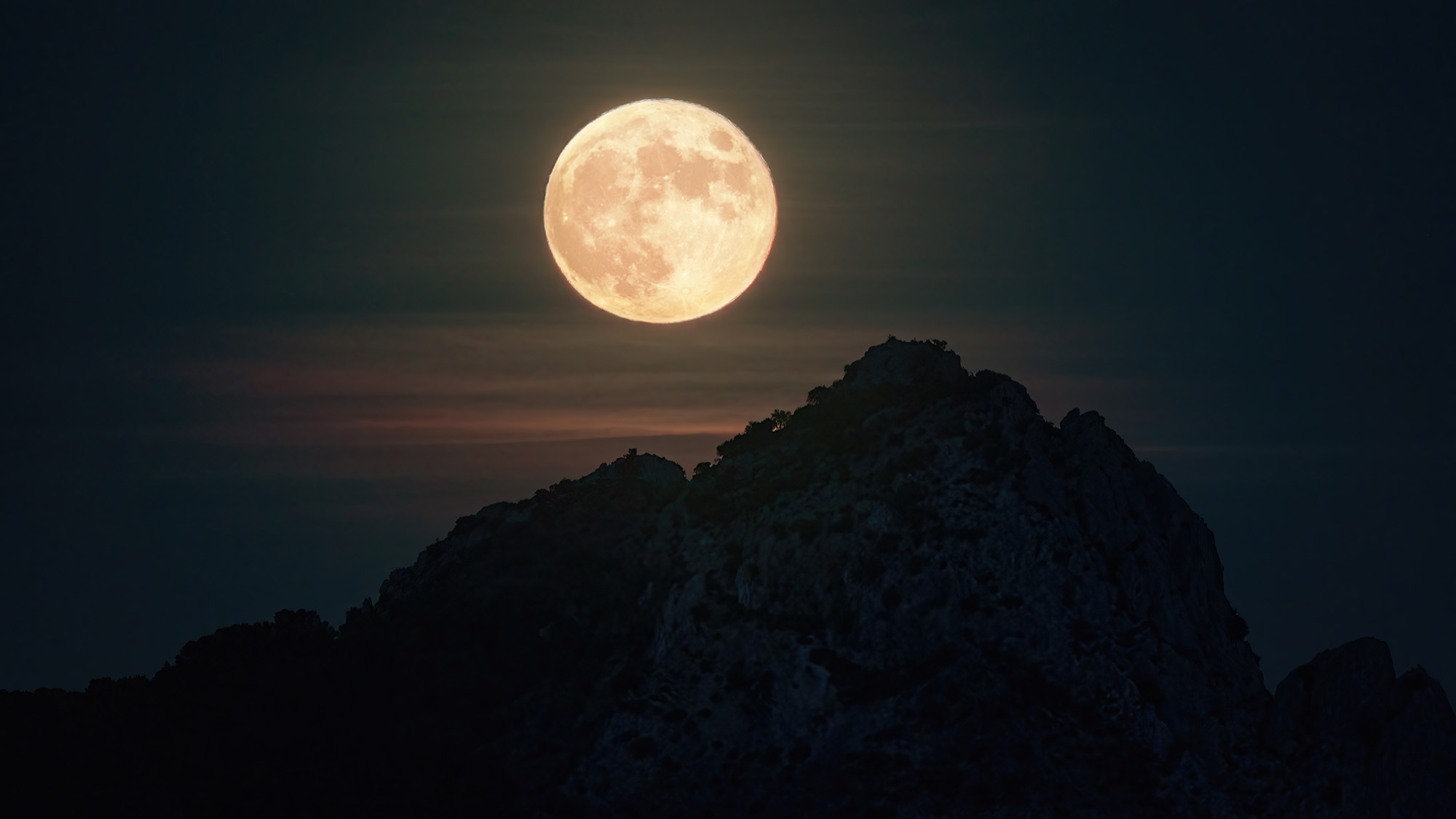
The appearance of the Hunter’s Moon is heavily influenced by atmospheric scattering. When the moon is low on the horizon, its light must travel through a thicker layer of the Earth’s atmosphere than when it is high overhead. This layer scatters shorter wavelengths of light, such as blue and violet, while allowing longer wavelengths—reds, oranges, and yellows—to pass through. This is why the moon often appears golden, orange, or even deep red during moonrise.
Beyond the aesthetics, the lunar cycle continues to be a subject of intense scientific study. Researchers in chronobiology have investigated the potential impacts of lunar cycles on human sleep patterns and animal behavior. While some studies suggest a correlation between full moon brightness and reduced sleep duration in humans, the biological mechanisms remain a topic of ongoing academic debate. In the natural world, the increased nocturnal light levels are well-documented to influence the foraging habits of nocturnal animals, a phenomenon particularly relevant to the predatory activities associated with the traditional "Hunter’s" moniker.
Global Observation and Community Engagement
As public interest in astronomy grows, events like the Hunter’s Moon have become significant drivers of citizen science and educational outreach. Astronomy clubs, planetariums, and scientific institutions typically utilize these periods to host public viewing events, fostering a deeper understanding of orbital mechanics and celestial navigation.
For those in urban environments, the Hunter’s Moon remains visible despite light pollution, as the intensity of the full moon often cuts through the ambient glow of city lights. Experts recommend finding an unobstructed view of the eastern horizon to catch the moon as it first emerges, providing the best contrast against the fading twilight.
Broader Impact and Future Outlook
The observation of the Hunter’s Moon serves as a bridge between ancient traditions and modern science. By tracking these cycles, humanity maintains a connection to the astronomical events that dictated the survival of early civilizations. Furthermore, the event highlights the importance of preserving dark-sky sites, as light pollution continues to pose a challenge for both professional astronomers and the public.
As the moon continues its orbit, the next major celestial events will follow, leading into the winter solstice. The Hunter’s Moon remains a centerpiece of the autumn calendar, a testament to the consistency of the solar system and a reminder of the vast, observable universe that continues to influence the rhythm of life on Earth.
For enthusiasts looking to capture the event, the use of a telephoto lens or a simple tripod-mounted camera can yield professional-grade results. However, the most profound takeaway from the Hunter’s Moon is perhaps the simplest: the opportunity for millions of people across the Northern Hemisphere to share in a singular, awe-inspiring experience, regardless of their location or background. As the moon ascends, it offers a moment of collective reflection on the changing seasons and the enduring mysteries of the cosmos.
Related posts: