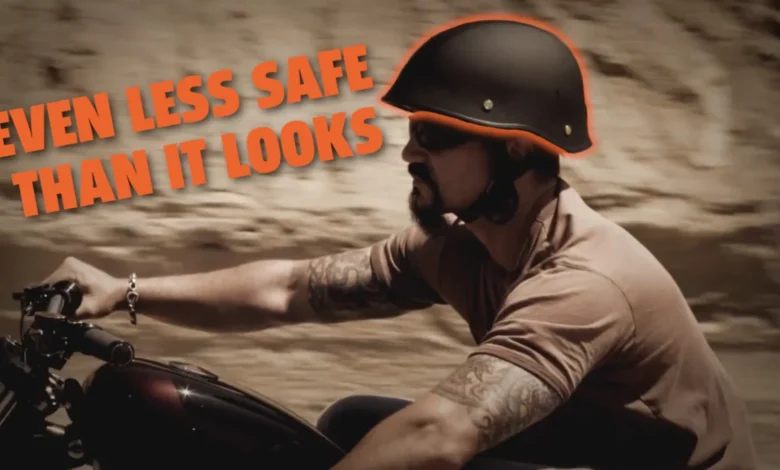
Bell Sports has officially issued a formal recall for its popular Pit Boss motorcycle half-helmet, citing a critical failure to meet the minimum impact attenuation requirements mandated by the United States Department of Transportation (DOT). This regulatory oversight, which affects units manufactured between January 1, 2025, and January 31, 2026, serves as a sobering reminder of the inherent limitations of minimalist head protection. The recall, logged under the National Highway Traffic Safety Administration (NHTSA) database, highlights a significant manufacturing discrepancy that has rendered a staple of the cruiser motorcycle community non-compliant with federal safety standards.
The Scope of the Recall
The affected helmets, specifically the Bell Pit Boss model, are widely utilized by motorcyclists who prioritize style and airflow over full-coverage protection. According to the official recall documentation, the defect centers on the helmet’s inability to properly dissipate the energy generated during an impact. Impact attenuation is the primary function of any safety helmet; the shell and the internal expanded polystyrene (EPS) liner are designed to work in tandem to absorb and spread force away from the skull. When these components fail to perform within the established thresholds, the helmet loses its primary utility, leaving the rider’s head vulnerable to force levels that the DOT standard specifically aims to mitigate.
The recall covers a substantial production window, spanning over thirteen months of manufacturing. Owners who possess a Pit Boss helmet produced within this timeframe are being advised by Bell Sports to cease use of the equipment immediately. Unlike some manufacturing defects that allow for corrective retrofitting or field repairs, the nature of this structural failure necessitates a complete removal of the product from circulation. Bell has directed affected consumers to either return the units to authorized dealers for a replacement or to destroy the helmets to ensure they are not reused.
Understanding the DOT Regulatory Landscape
The DOT standard, formally known as Federal Motor Vehicle Safety Standard (FMVSS) No. 218, has long been criticized by safety advocates for being an outdated benchmark. First established in 1973, the standard sets the minimum requirements for helmets intended for on-road use in the United States. While the standard has undergone minor revisions, many experts argue that it has failed to keep pace with modern advancements in material science and biomechanical research.
One of the most contentious aspects of the DOT certification process is the reliance on a self-certification system. Under this regulatory framework, manufacturers are responsible for testing their own products to ensure they meet federal requirements. While the NHTSA periodically conducts independent audits and compliance testing, the vast majority of helmets on the market carry the "DOT" sticker based on the manufacturer’s internal laboratory findings. The fact that the Bell Pit Boss—a product from a long-established and reputable manufacturer—failed to meet these minimum standards suggests a breakdown in the quality assurance processes that are intended to act as the final gatekeeper for consumer safety.
Historical Context and Product Evolution
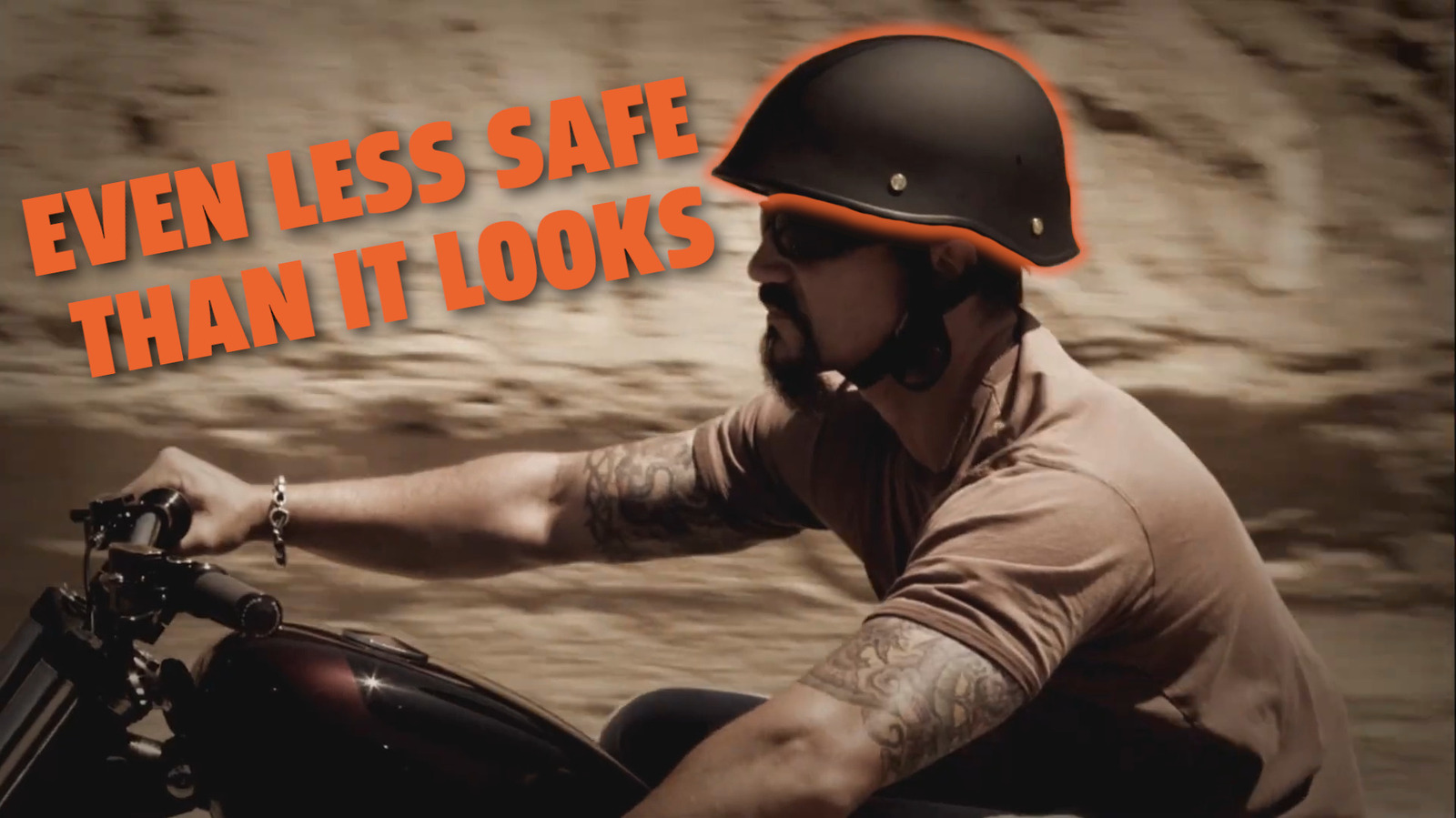
The Bell Pit Boss has enjoyed a long tenure in the motorcycle apparel industry, often cited as a benchmark for the "half-helmet" category. However, the design of a half-helmet inherently limits the scope of protection. By definition, these helmets leave the face, jaw, and base of the skull exposed. While the Pit Boss was originally marketed as a premium option within this restricted category, incorporating features like adjustable fit systems and drop-down sun visors, it remains subject to the same physical limitations of all open-faced gear.
The recent manufacturing shift, which resulted in this recall, underscores the risks associated with changing production methods or materials. Whether the failure stems from a change in the resin used for the shell, the density of the EPS foam liner, or the assembly process of the interior padding, the result is a product that failed to meet the very baseline of federal legality. For a brand like Bell, which has built its reputation on a legacy of safety innovation dating back to the 1950s, this recall represents a significant blow to consumer confidence.
The Impact on the Riding Community
For the average rider, the "DOT sticker" is often the only metric used to determine if a helmet is safe. This perception can be dangerous. As the market for motorcycle gear has expanded, the disparity between "legal" helmets and "safe" helmets has grown. A helmet that meets the DOT minimum may be vastly different in performance compared to a helmet that meets the more rigorous Snell Memorial Foundation or ECE 22.06 standards.
The Pit Boss recall brings the issue of "minimalist protection" back to the forefront of industry discourse. Riders who choose half-helmets often cite comfort and peripheral visibility as primary motivations, but the recent failure suggests that even those who accept a lower level of protection are not guaranteed the safety they paid for. The recall serves as a catalyst for a broader conversation about the necessity of updating federal standards to reflect modern injury prevention science.
Official Response and Consumer Action
Bell Sports has not publicly released a detailed engineering report explaining the exact point of failure within the production line, but their instructions to consumers are clear and unequivocal. The process for owners to verify if their specific helmet is part of the recall is straightforward: they should check the manufacturing date label located inside the helmet liner. If the date falls within the specified range, they are encouraged to contact Bell’s customer service department or visit an authorized retailer to initiate the return process.
This incident highlights the importance of the NHTSA’s role in monitoring product recalls. By maintaining a public database of safety-related defects, the government provides a mechanism for accountability that protects riders who might otherwise remain unaware of a hidden manufacturing flaw. However, critics of the current system point out that relying on consumers to self-identify and act on these recalls is an imperfect process. Many helmets are purchased second-hand, stored for long periods, or owned by individuals who may not be plugged into the industry news cycles that report on such recalls.
Broader Implications for Motorcycle Safety
The failure of a major manufacturer to comply with DOT standards raises questions about the oversight of the motorcycle gear industry. If a well-capitalized company can experience such a significant manufacturing failure, it prompts concern regarding the thousands of generic, uncertified, or "novelty" helmets that flood the market through online marketplaces. These products often mimic the look of a DOT-certified helmet but lack any legitimate impact-attenuation technology.
As the industry moves forward, it is likely that calls for stricter oversight will increase. The integration of advanced materials, such as multi-directional impact protection systems (MIPS) or sophisticated energy-absorbing polymers, has revolutionized full-face helmet safety. Yet, the half-helmet market remains largely stuck in the past, constrained by a form factor that inherently limits the ability to integrate these life-saving technologies.
Ultimately, the Bell Pit Boss recall serves as a stark reminder: a helmet is not merely an accessory to satisfy legal requirements; it is a critical piece of life-safety equipment. Riders are urged to prioritize products that exceed minimum standards, such as those that hold ECE 22.06 or Snell certifications. When it comes to head protection, the difference between a "passing grade" and an "exceptional performance" can be the difference between a minor concussion and a life-altering injury. Consumers should treat this recall as a prompt to evaluate their current gear and, if necessary, invest in modern, high-performance protection that reflects the current state of safety technology.