Washington State Reports First Human Fatality Linked to Ongoing H5N1 Avian Influenza Outbreak in Dairy Cattle

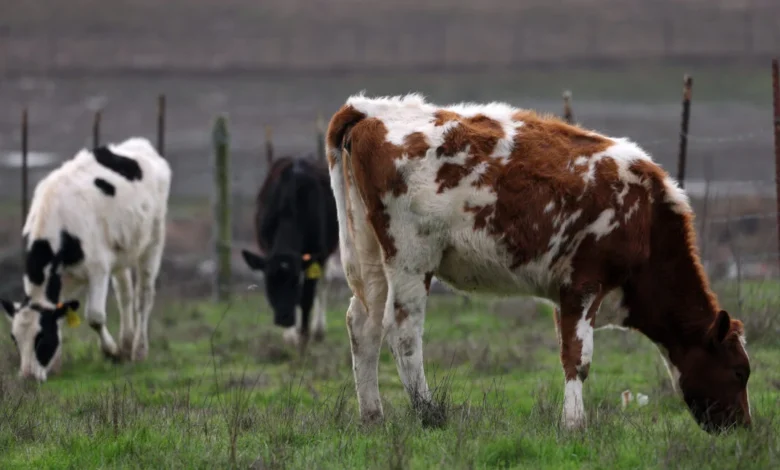
The Washington State Department of Health confirmed on Sunday that a resident of Yakima County has died following an infection of highly pathogenic avian influenza (HPAI), commonly referred to as bird flu. This fatality marks a significant and somber milestone in the United States, as it represents the third human death recorded since the H5N1 virus made an unprecedented, widespread transition from wild migratory birds to commercial dairy cattle earlier this year. The individual, who reportedly suffered from underlying health conditions that likely exacerbated their vulnerability to the respiratory virus, had been exposed to the pathogen while working at a local dairy farm.
The news of the death, initially preceded by a report on Friday that the patient was in critical condition and hospitalized, has prompted immediate concern among public health experts regarding the virus’s trajectory. While health officials have maintained that the overall risk to the general public remains low, the incident underscores the persistent and evolving threat posed by the H5N1 strain as it circulates within agricultural environments across the country.
A Chronology of the U.S. Outbreak
The current crisis began in early 2024, when the United States Department of Agriculture (USDA) first confirmed the presence of HPAI in dairy herds in Texas and Kansas. This discovery in March 2024 sent shockwaves through the agricultural and scientific communities, as H5N1 had previously been primarily associated with wild waterfowl and commercial poultry operations. The virus’s ability to infect bovine species—and subsequently transmit to humans through direct contact—marked a major departure from historical behavioral patterns of the virus.
Since that initial report in March, the virus has been identified in hundreds of dairy herds across multiple states. In Washington specifically, the situation escalated on October 8, when state officials confirmed the first instances of HPAI in the state’s dairy population. In the few weeks since that confirmation, Yakima County has become a focal point of the state’s response, as all three human cases identified in Washington have originated within this jurisdiction.
The timeline of the current Washington cases is as follows:
- October 8, 2024: The USDA and Washington State officials confirm the first detection of H5N1 in the state’s dairy cattle.
- Late October 2024: Three individuals working on infected dairy farms in Yakima County test positive for the virus.
- November 1, 2024: Health officials announce that one of the infected individuals is hospitalized in severe condition.
- November 3, 2024: The Yakima Health District confirms that the hospitalized individual has passed away, simultaneously reporting a third case of the virus in the county.
Supporting Data and Epidemiological Context
To date, the total number of human cases of H5N1 in the United States remains relatively small compared to the scale of the animal outbreak, but the mortality rate in cases involving underlying health issues has become a primary concern for epidemiologists. The Centers for Disease Control and Prevention (CDC) has been working in tandem with state agencies to conduct genomic sequencing on the virus samples collected from Washington. Preliminary data suggests that the virus circulating in Washington dairy farms is consistent with the H5N1 clade 2.3.4.4b, which has been the dominant strain driving the North American outbreak.
The virus is highly efficient at spreading among avian species, but transmission to humans typically requires prolonged, direct contact with infected animals or contaminated surfaces. The CDC has emphasized that the virus has not yet demonstrated the capacity for sustained human-to-human transmission, which remains the threshold for a potential pandemic. However, the recurring infections among dairy workers suggest that current biosecurity measures on farms may need to be strictly reassessed and enhanced.
Official Responses and Public Health Directives
The response from Washington state authorities has been characterized by caution and a commitment to privacy. Following the death, Dave Atteberry, the health officer for the Yakima Health District, issued a formal statement expressing condolences to the family. "Our hearts go out to the individual’s family and loved ones during this difficult time," Atteberry stated. He further emphasized the clinical reality of the situation, noting, "Avian influenza can cause severe illness, particularly among people who have underlying health conditions. While this is a serious and heartbreaking outcome, the risk to the general public remains low."
State and local officials have declined to provide specific demographic details—such as the age, gender, or name of the deceased—to protect the family’s privacy during their period of mourning. The Yakima Health District has also indicated that they are focusing their resources on containment, surveillance, and providing prophylactic care to those who have been identified as having close contact with infected animals.
The USDA, in coordination with the Washington State Department of Agriculture (WSDA), has implemented quarantine measures for affected farms. These protocols require that infected cattle be isolated and that the movement of livestock, equipment, and personnel be strictly managed to prevent the further spread of the pathogen to neighboring farms or other livestock sectors.
Broader Implications and Scientific Analysis
The death in Yakima County raises critical questions regarding the future of the H5N1 outbreak and the vulnerability of the agricultural workforce. Agricultural workers who have direct, daily contact with livestock are at the highest risk of zoonotic transmission. Public health experts are now calling for a more robust integration of occupational health standards with veterinary surveillance.
One of the primary concerns for infectious disease experts is the possibility of viral mutation. As the virus continues to circulate in bovine hosts, there is an inherent risk that it could evolve to bind more effectively to human cell receptors. While there is currently no evidence of such a mutation that would facilitate human-to-human transmission, the presence of the virus in a growing number of states provides more opportunities for the pathogen to adapt.
Furthermore, the economic impact on the dairy industry is significant. Beyond the loss of animal productivity, the psychological strain on farm owners and employees is immense. The knowledge that a workplace-acquired illness can lead to fatalities necessitates a more comprehensive support system, including mental health resources and improved access to personal protective equipment (PPE) such as N95 respirators, eye protection, and gloves for those working in high-risk environments.
The Path Forward
As winter approaches—a season traditionally associated with increased influenza activity—the intersection of seasonal human influenza and H5N1 creates a complex diagnostic challenge. Health officials are urging clinicians to remain vigilant, particularly when evaluating patients with respiratory symptoms who have a history of contact with dairy or poultry operations.
Public health authorities are also emphasizing the importance of vaccination. While there is no specific vaccine for the H5N1 strain currently available for the general public, the seasonal flu vaccine is vital for preventing co-infection. The CDC theorizes that if an individual were to contract both seasonal influenza and H5N1 simultaneously, it could theoretically provide an environment for the viruses to exchange genetic material, potentially leading to a more dangerous strain.
In conclusion, the death of a Washington resident due to H5N1 serves as a stark reminder of the unpredictable nature of avian influenza. While the current public health assessment maintains that the risk of a widespread outbreak remains low, the shift of the virus into domestic mammals has fundamentally changed the landscape of zoonotic surveillance. Moving forward, the effectiveness of the U.S. response will depend on the continued transparency of state agencies, the cooperation of the agricultural sector, and the agility of federal health institutions in tracking the viral genome for signs of increased virulence or transmissibility. The tragedy in Yakima County is likely to catalyze a renewed national conversation regarding the adequacy of protections for those on the front lines of the American food supply chain.