Toyota Highlander EV Production Delayed, Creating Major Inventory Gap and Testing Dealer Patience

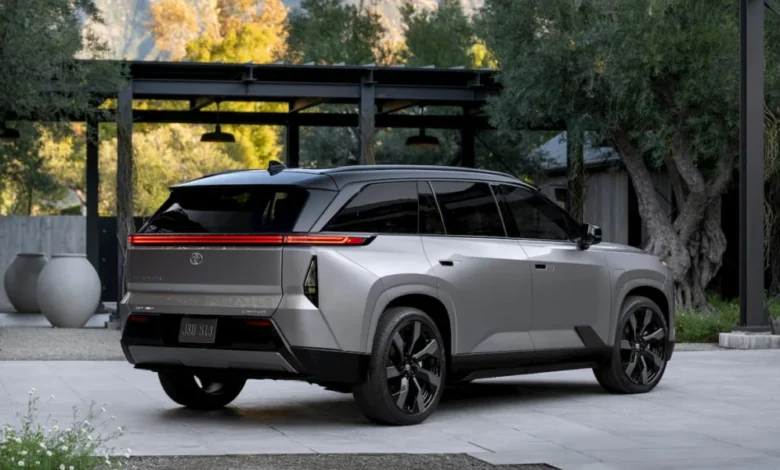
The automotive industry moves at a relentless pace, where timing often dictates market success just as much as vehicle capability. For legacy automakers navigating the delicate and expensive transition from internal combustion engines to battery-electric vehicles, balancing the phase-out of legacy models with the introduction of new zero-emission alternatives is a high-stakes balancing act. Toyota Motor Corporation is currently experiencing the friction of this delicate transition firsthand. The Japanese automotive giant has officially postponed the launch of its highly anticipated, first-ever three-row electric SUV—the Highlander EV—creating an unexpected and potentially costly production gap that leaves its dealership network scrambling for inventory.
Originally scheduled to roll off the assembly lines at Toyota’s manufacturing facility in Georgetown, Kentucky, this month, the Highlander EV will no longer hit showrooms by the end of 2026 as initially promised. Instead, corporate leadership has elected to push back production until at least the first quarter of 2027, ultimately transitioning the vehicle’s market entry into a 2028 model year release. This postponement does more than merely adjust corporate timelines; it creates a critical supply vacuum that threatens to impact dealership profitability, customer retention, and Toyota’s stronghold within the fiercely competitive North American family SUV segment.
Understanding the Production Gap and Inventory Shortfall
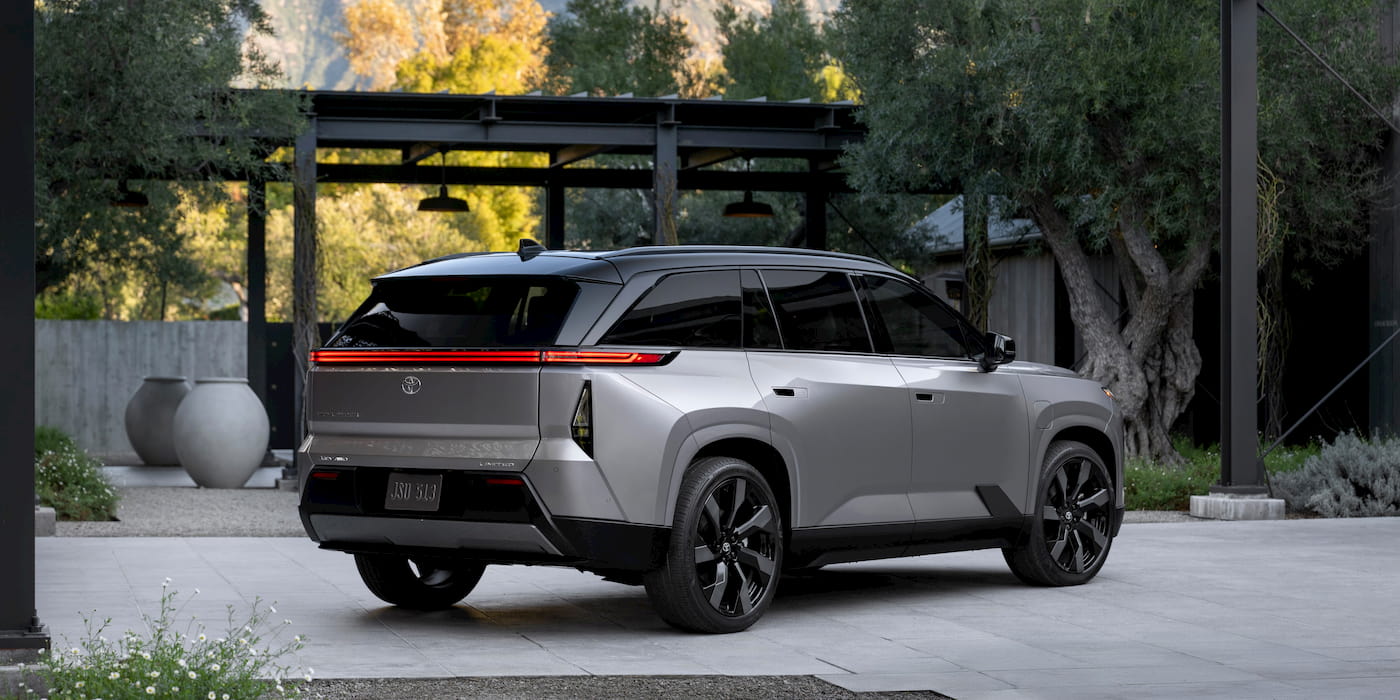
The root of the current logistical headache lies in the misalignment between the phasing out of the legacy gas-powered and hybrid Highlander variants and the delayed arrival of their electric successor. Company officials confirmed the schedule adjustment, explaining that engineering teams required additional time to implement crucial adjustments to the vehicle prior to mass production. While corporate caution is understandable in the complex realm of EV manufacturing, the secondary effects on dealership lots present immediate operational challenges.
Toyota has committed to continuing the production of the current, gasoline-powered and hybrid 2026 Highlander models through December. However, supply chain indicators suggest that manufacturing output has been tightly restricted to predetermined volume targets set alongside component suppliers. Dealerships will not receive an extended run of the legacy model to bridge the impending void. According to automotive industry data compiled by Automotive News, Toyota dealers nationwide held a meager 20-day supply of Highlanders as of September.
With current inventory levels hovering at historic lows and production of the legacy model winding down permanently at the end of the year, dealerships are staring down the barrel of a multi-month period where showrooms will have little to no Highlander inventory to offer consumers. This inventory drought is further compounded by simultaneous production ramps for popular models like the RAV4, which has also experienced tight supply conditions across North American markets. Franchise owners and dealership operators have voiced growing apprehension. Industry stakeholders note that missing a core volume-seller like the Highlander—even temporarily—places undue pressure on sales floors that rely on steady foot traffic and diverse lot options to meet monthly targets, especially in a market where overall US sales volumes require constant momentum.
Chronology of the Delay and Kentucky Assembly Impact
The strategic pivot regarding the Highlander EV reflects a cautious approach by Toyota management, though the sudden announcement caught many industry analysts and retail partners off guard. The vehicle’s development roadmap originally mapped out a trajectory toward late 2026 deliveries following initial pilot builds in Georgetown.
The repercussions of this rescheduled timeline extend beyond Toyota’s own product portfolio. The assembly plant in Georgetown, Kentucky, serves as a vital production hub for shared automotive architectures. Notably, the Subaru Getaway—a collaborative three-row electric vehicle utilizing the same underlying platform and co-developed components—is manufactured alongside the Highlander EV at the Kentucky facility. Consequently, Subaru’s timeline has experienced a parallel shift, with the Getaway similarly delayed until at least the first quarter of 2027.
By opting for a delayed market introduction, Toyota is signaling a clear aversion to rushing unrefined products to market, a lesson likely informed by past missteps. When Toyota launched its first mass-market battery-electric vehicle, the bZ4X, in 2022, the company was forced to issue an immediate global stop-sale and urgent vehicle recall due to a critical safety defect involving the potential for wheels to detach. That early stumble cost the company valuable momentum in the nascent EV race. By taking extra months to refine software, powertrain integration, and build quality on the Highlander EV, management aims to sidestep a repeat of the bZ4X rollout issues, prioritizing long-term reliability over a hasty debut.
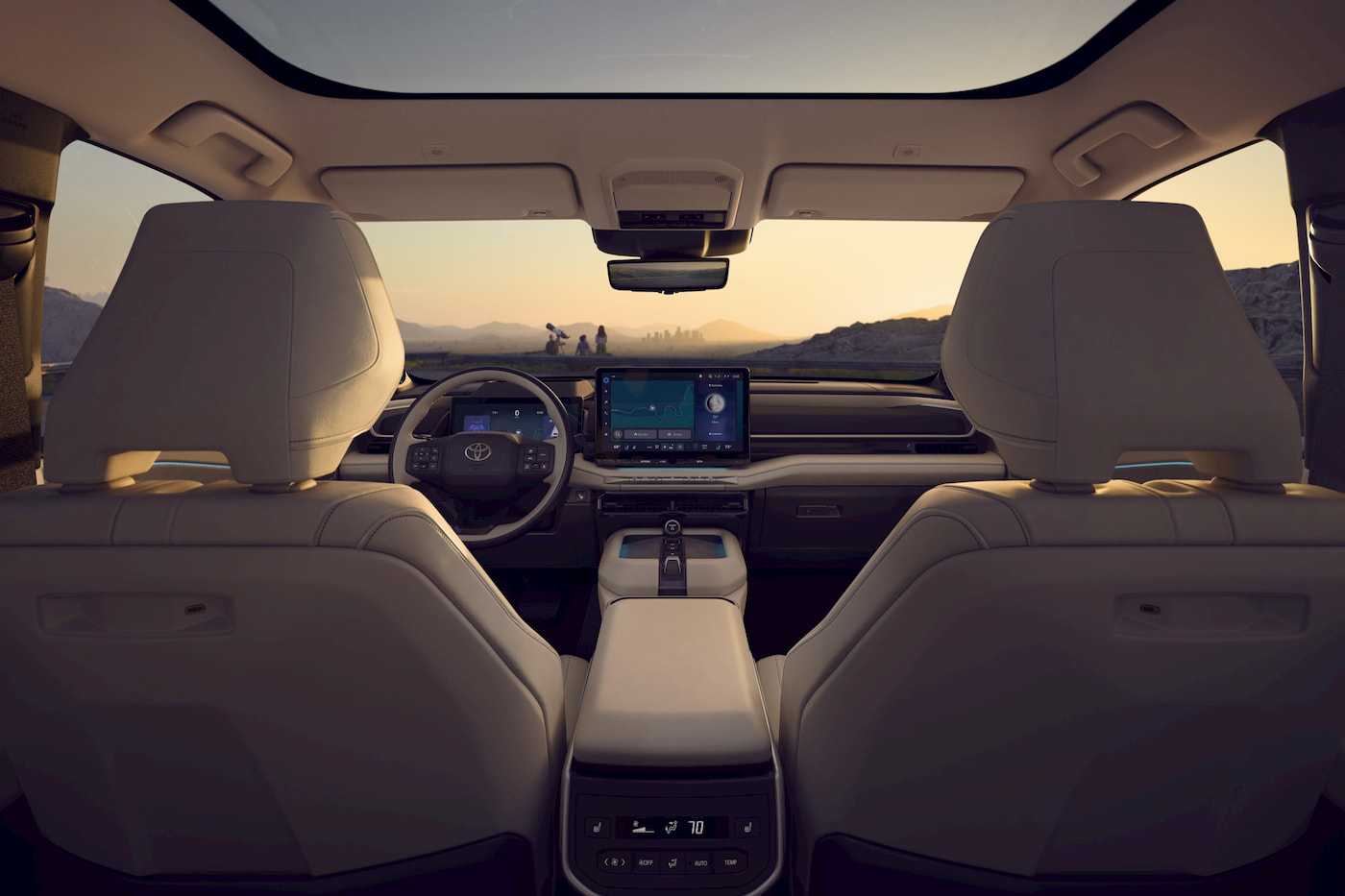
Technical Specifications and Trim Configurations of the 2028 Highlander EV
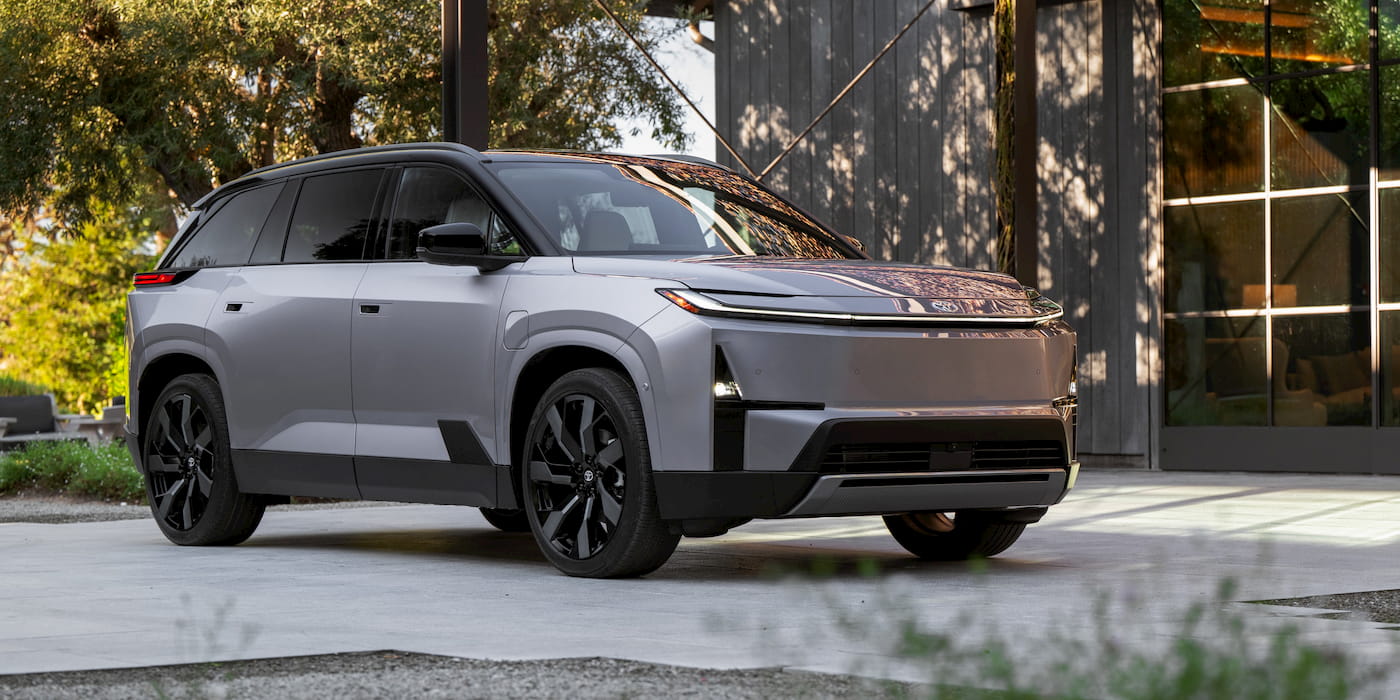
When the Highlander EV finally arrives at dealerships as a 2028 model, it will enter the market with a robust set of specifications designed to appeal directly to mainstream American families. Built on a dedicated electric vehicle architecture, the SUV will be offered in two primary trim levels: the XLE and the Limited. Buyers will have the flexibility to choose between front-wheel drive (FWD) and all-wheel drive (AWD) configurations, paired with distinct battery pack capacities tailored to varying range and utility needs.
Toyota has structured the battery and powertrain offerings to provide competitive range figures within the three-row segment:
- XLE FWD (77 kWh Battery Pack): Delivers an estimated driving range of up to 287 miles.
- XLE AWD (77 kWh Battery Pack): Offers an estimated driving range of up to 270 miles.
- XLE AWD (95.8 kWh Battery Pack): Extends capability to an estimated driving range of up to 320 miles.
- Limited AWD (95.8 kWh Battery Pack): Maximizes luxury and capability with an estimated driving range of up to 320 miles.
In terms of interior packaging, the Highlander EV capitalizes on the flat-floor advantages of an electric architecture to maximize cabin space. The vehicle features a three-row seating configuration capable of accommodating up to seven passengers. Front-cabin technology has also been thoroughly modernized, incorporating Toyota’s latest Audio Multimedia System. This setup features a prominent 12.3-inch digital instrument cluster paired with a sprawling 14-inch central touchscreen infotainment display, complete with wireless integration for Apple CarPlay and Android Auto.
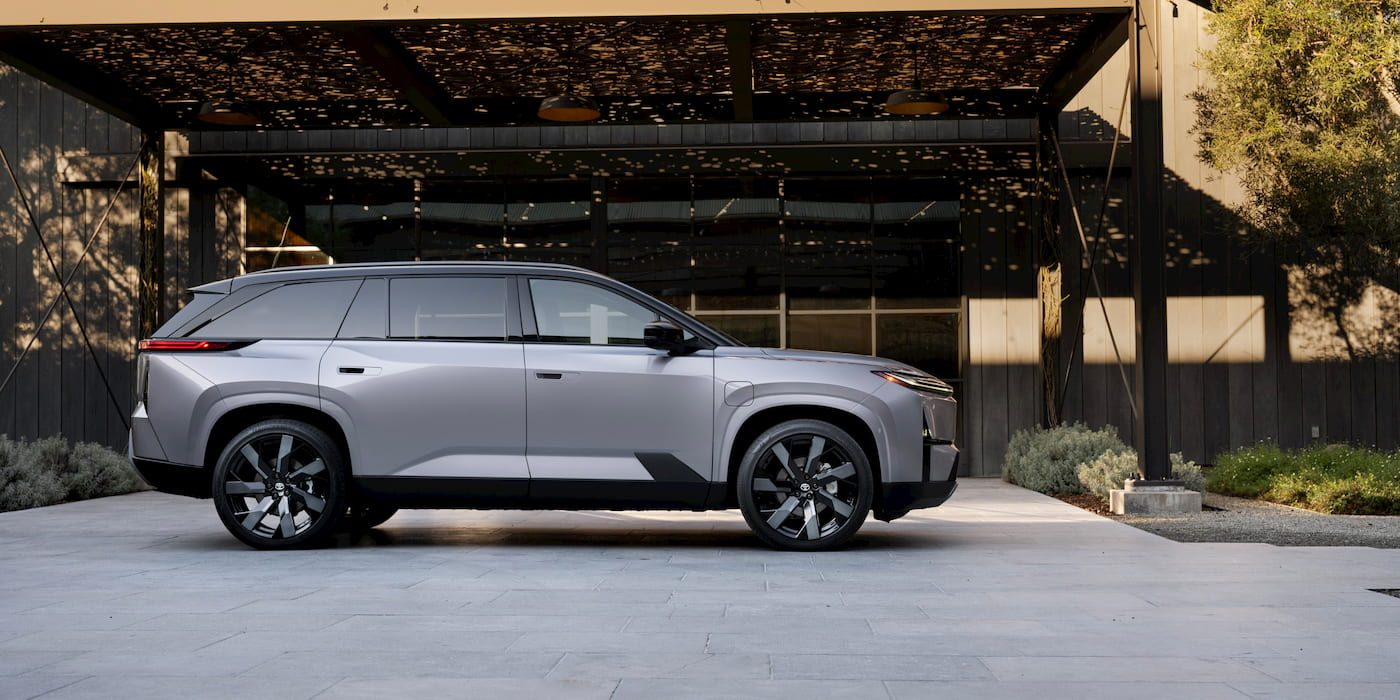
Upon its eventual release, the Highlander EV will expand Toyota’s domestic battery-electric portfolio, joining the refreshed bZ lineup, the C-HR, and the bZ Woodland as the fourth dedicated EV offering available to consumers in the United States.
Broader Market Implications and Competitive Landscape
The delay of Toyota’s flagship electric family hauler introduces strategic openings for competing global automakers. The three-row electric SUV segment is evolving rapidly, with rival manufacturers aggressively expanding their footprints. South Korean automakers Hyundai and Kia have established a formidable presence in the electric three-row category with vehicles such as the Hyundai Ioniq 9 and the Kia EV9.
While Toyota remains a dominant force globally through its diverse portfolio of hybrids, plug-in hybrids, and expanding fuel-cell and battery-electric technologies, its deliberate pace in the pure-electric sector has consistently drawn scrutiny from market analysts. The temporary production gap of the Highlander—coupled with the multi-month delay of the actual EV launch—grants competitors valuable time to capture market share, build consumer loyalty, and solidify their brand positioning among buyers transitioning away from fossil fuels.

For Toyota, the immediate challenge is managing dealer relations and customer expectations through a turbulent transition period. As retail networks prepare for a dry spell of traditional Highlander inventory ahead of the 2028 model year rollout, the company must rely heavily on its existing hybrid lineup to sustain sales momentum. Whether this strategic pause successfully safeguards the Highlander EV from early quality hurdles while maintaining brand loyalty remains one of the most critical storylines in the evolving automotive landscape.
Related posts: