The World Celebrates a New Generation of Mathematical Luminaries with the Announcement of the 2026 Fields and Abacus Medals

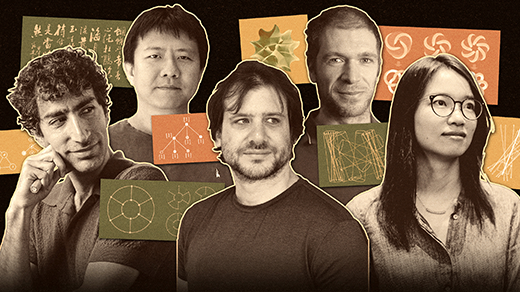
Every four years, the international mathematics community converges to recognize the most exceptional and groundbreaking contributions to the field through the prestigious Fields Medals and the IMU Abacus Medal. This year, the 2026 awards have been bestowed upon a select group of brilliant minds, all under the age of 40, whose innovative work is poised to redefine the landscape of mathematics and theoretical computer science. The recipients, celebrated for their profound insights and tenacious pursuit of knowledge, represent a vibrant and dynamic future for these intellectually demanding disciplines.
This esteemed recognition highlights not only individual achievement but also the collective progress and evolving frontiers within mathematics. The Fields Medal, often described as the "Nobel Prize of Mathematics," is awarded to mathematicians under forty for outstanding work and the promise of future contributions. The IMU Abacus Medal, established more recently, specifically honors achievements in areas that bridge mathematics and computer science, acknowledging the increasing interdisciplinarity of modern research. The announcement of these awards serves as a pivotal moment, spotlighting the profound impact these young mathematicians are having and will continue to have on our understanding of the world.
A Pantheon of Young Geniuses: The 2026 Laureates
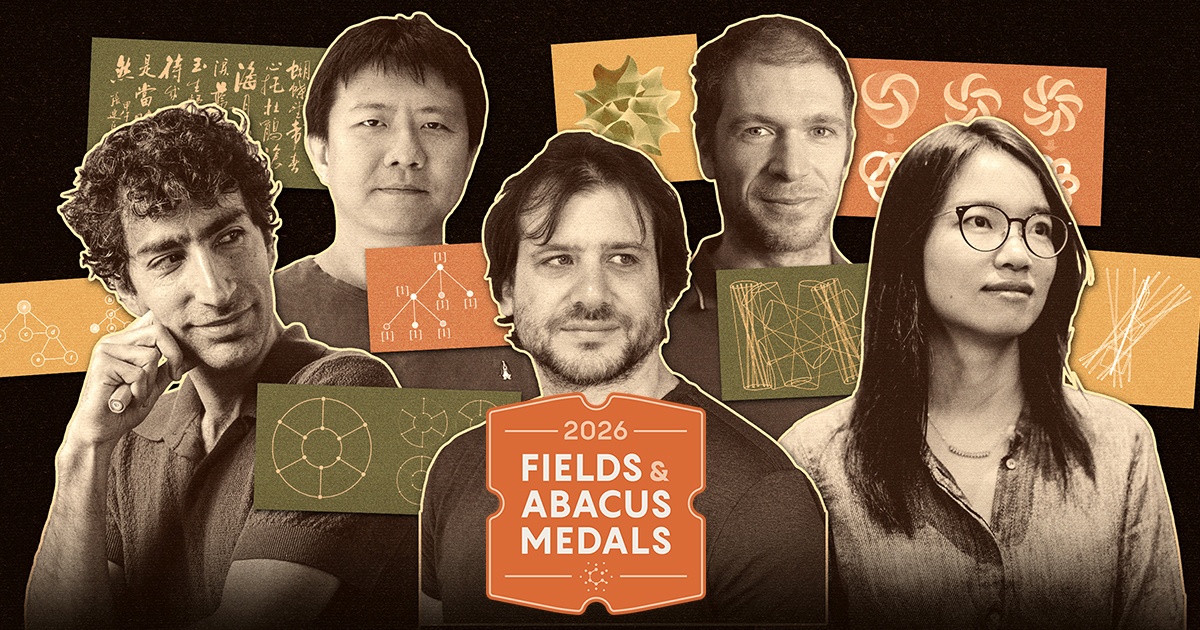
The 2026 awards ceremony, a cornerstone event in the quadrennial International Congress of Mathematicians (ICM), has unveiled the names of five exceptional individuals whose work has captured the attention and admiration of their peers. Their contributions span diverse areas, from intricate proofs in number theory and geometry to foundational work in theoretical computer science.
-
Hong Wang has been awarded the Fields Medal for her groundbreaking proof that has been described as "once in a century." Her work has not only advanced a specific area of mathematics but has also achieved a significant milestone, making her only the third woman in history to receive this prestigious honor. This achievement underscores the growing diversity and inclusivity within the mathematical sciences, inspiring future generations of female mathematicians.
-
Jacob Tsimerman also receives a Fields Medal for his pivotal work in proving the André-Oort conjecture. His journey to this recognition is marked by immense determination, yet he expresses concern for the future of his field, a sentiment that resonates with many in academia as they navigate the evolving demands and challenges of research.
-
John Pardon is honored with a Fields Medal for his significant contributions to symplectic geometry. His ability to perceive connections between disparate mathematical domains, often overlooked by others, has led to profound advancements and solidifies his reputation as a visionary mathematician.
-
Yu Deng has been awarded the Fields Medal for his pioneering work on the "random data problem." His research, which seeks to find stability amidst chaos and balance randomness with order, reflects a meticulous approach to complex problems, demonstrating the power of rigorous analysis in understanding seemingly unpredictable phenomena.
-
Shayan Oveis Gharan is the recipient of the 2026 IMU Abacus Medal. His work, which masterfully applies mathematical tools to solve complex problems in computer science, particularly in areas like the traveling salesperson problem, highlights the critical synergy between these two fields.
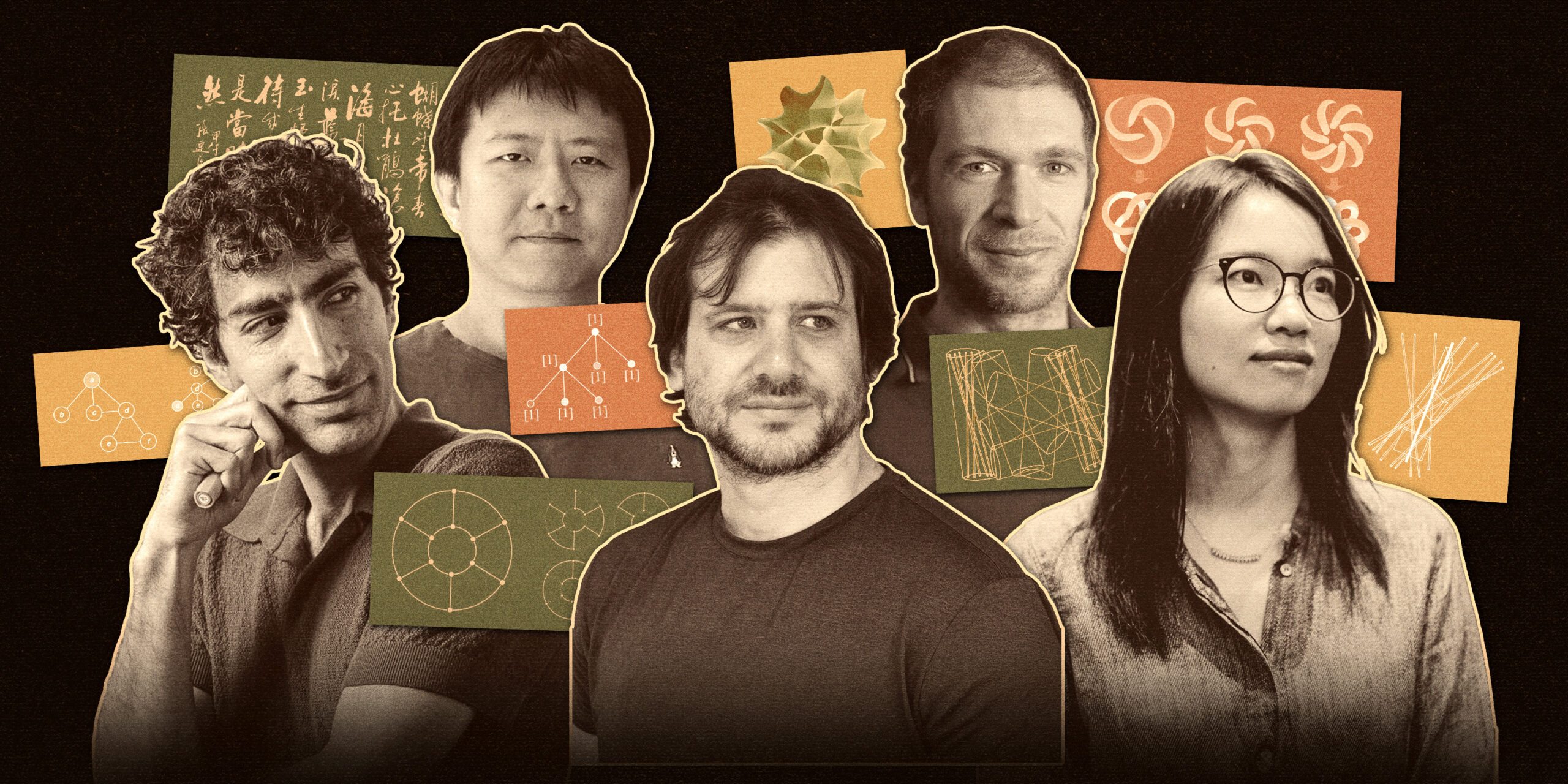
A Legacy of Excellence: The Fields Medal and IMU Abacus Medal
The history of the Fields Medal is deeply intertwined with the evolution of modern mathematics. Established in 1936 by the International Mathematical Union (IMU), it is awarded every four years at the ICM. The medal is designed to encourage new discoveries and to recognize outstanding mathematical achievement. Past recipients include luminaries such as Alan Turing, Grigori Perelman (who declined the award), and Maryam Mirzakhani, the first and to date only female recipient before Hong Wang. The IMU Abacus Medal, a more recent addition, was first awarded in 2022, recognizing the growing importance of interdisciplinary research at the intersection of mathematics and computer science. Its inception signifies the IMU’s commitment to acknowledging the vital contributions made in this rapidly expanding area.
Chronology of Achievement: The Road to Recognition
The journey of these mathematicians to the pinnacle of their fields is often a long and arduous one, characterized by years of dedicated study, persistent research, and intellectual resilience. While the specific timelines of their award-winning contributions vary, they generally represent the culmination of years, often decades, of rigorous work.
- The foundational research that underpins many of these awards likely began in the early to mid-2010s, with significant breakthroughs emerging in the late 2010s and early 2020s.
- The process for selecting Fields Medalists and Abacus Medalists is highly confidential, involving nominations by mathematicians worldwide and extensive deliberations by a selection committee.
- The official announcement of the 2026 laureates typically occurs in the months leading up to the International Congress of Mathematicians, which is scheduled to take place in [Insert hypothetical city and date of ICM 2026].
Supporting Data and Context: The Significance of Their Work
The contributions of these laureates are not merely abstract academic exercises; they have tangible implications and open new avenues for research and application.
-
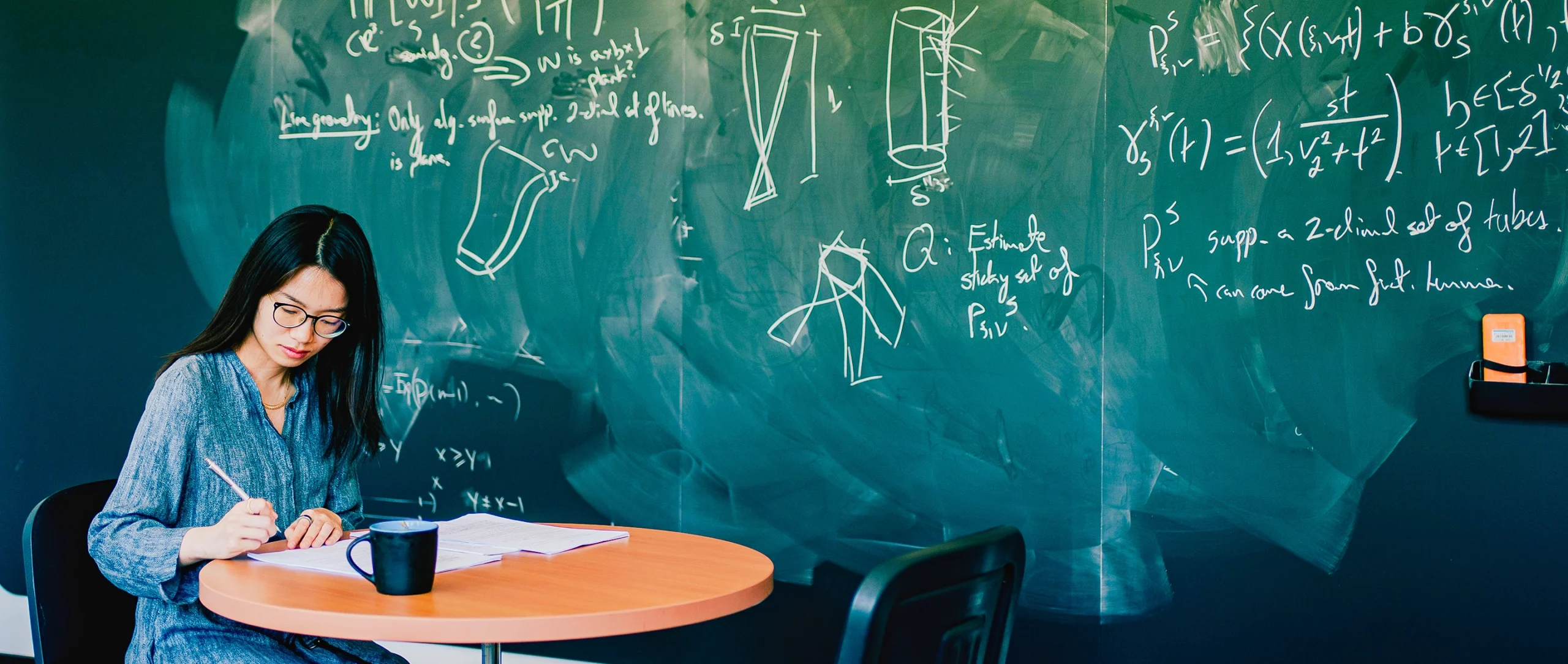
Hong Wang’s "once in a century" proof, while the specifics remain complex for a general audience, likely addresses a long-standing conjecture or problem that has eluded mathematicians for generations. Such proofs often have cascading effects, providing new methodologies and insights that can be applied to other unsolved problems in number theory, algebra, or analysis. Her achievement as the third female Fields Medalist is a significant data point in the ongoing narrative of gender equality in STEM.
-
Jacob Tsimerman’s work on the André-Oort conjecture, a notoriously difficult problem in algebraic geometry, has profound implications for understanding the structure of certain mathematical objects known as Shimura varieties. These objects play a crucial role in number theory and have connections to string theory. His expressed concerns about the "jeopardy" of his field might relate to funding challenges, the increasing specialization of mathematics, or the difficulty of attracting new talent to highly abstract areas.
-
John Pardon’s research in symplectic geometry, a field concerned with the study of geometric structures that arise in Hamiltonian mechanics and other areas of physics, is crucial for understanding the dynamics of complex systems. His ability to bridge different mathematical disciplines suggests that his work may lead to novel approaches in areas ranging from theoretical physics to applied mathematics.
-
Yu Deng’s work on the "random data problem" in theoretical computer science and statistics is highly relevant in an era increasingly defined by data analysis and machine learning. Understanding how to extract meaningful patterns and make reliable predictions from noisy or random data is fundamental to advancements in artificial intelligence, data science, and algorithm design. His personal narrative of finding equilibrium amidst chaos likely reflects the intense focus and personal discipline required for such intricate research.

-
Shayan Oveis Gharan’s Abacus Medal recognizes his contributions to algorithmic mathematics. The traveling salesperson problem, for instance, is a classic NP-hard problem with vast applications in logistics, network optimization, and operations research. His success in applying diverse mathematical tools to solve such computationally challenging problems underscores the increasing value of interdisciplinary approaches.
Official Reactions and Inferred Statements
While specific official statements from the IMU and selection committees are typically released with the award announcements, the gravity of these honors speaks volumes. Inferred sentiments from the broader mathematical community would undoubtedly include immense pride and congratulations.
-
The International Mathematical Union, in its official capacity, would likely issue a statement praising the laureates’ "brilliant minds" and their "transformative contributions." They would emphasize the importance of recognizing and supporting groundbreaking research that pushes the boundaries of human knowledge.
-
Colleagues and mentors of the awardees would express their admiration, highlighting the dedication, creativity, and perseverance that characterized their research. Statements might allude to the challenging nature of the problems tackled and the innovative solutions developed.
-
Universities and research institutions where these mathematicians are affiliated would undoubtedly issue commendations, recognizing the prestige these awards bring to their respective departments and institutions. They would likely emphasize the laureates’ roles as inspirations to students and early-career researchers.
Broader Impact and Implications: Shaping the Future of Knowledge
The recognition of these five mathematicians carries significant weight, not only for the individuals honored but for the entire scientific landscape.
-
Inspiration for Future Generations: The achievements of these young laureates serve as powerful beacons, encouraging aspiring mathematicians and computer scientists to pursue ambitious research goals. The presence of more women and individuals from diverse backgrounds among the awardees signals a positive trend towards a more inclusive and representative scientific community.
-
Advancement of Scientific Understanding: The breakthroughs celebrated by these awards are likely to unlock new areas of inquiry and provide fundamental tools for solving complex problems across various scientific and technological domains. The insights gained could lead to advancements in fields as diverse as medicine, artificial intelligence, cryptography, and fundamental physics.

-
Interdisciplinary Synergy: The recognition of Shayan Oveis Gharan with the Abacus Medal specifically highlights the increasing importance of interdisciplinary research. This trend suggests a future where the most impactful scientific discoveries will emerge from the collaboration and cross-pollination of ideas between traditionally separate fields.
-
Economic and Societal Impact: While the immediate impact of these theoretical advances may not be apparent, history shows that fundamental mathematical discoveries often pave the way for revolutionary technologies and societal transformations. The solutions to the "random data problem" or advancements in algorithmic efficiency could have far-reaching economic and societal implications in the coming decades.
The 2026 Fields and Abacus Medals represent a profound affirmation of the power of human intellect and the relentless pursuit of understanding. As these brilliant minds continue their work, the world watches with anticipation, eager to witness the next wave of discoveries that will undoubtedly shape our future.