A Single Dose of Psilocybin May Induce Lasting Brain Changes, Offering Clues to Therapeutic Potential

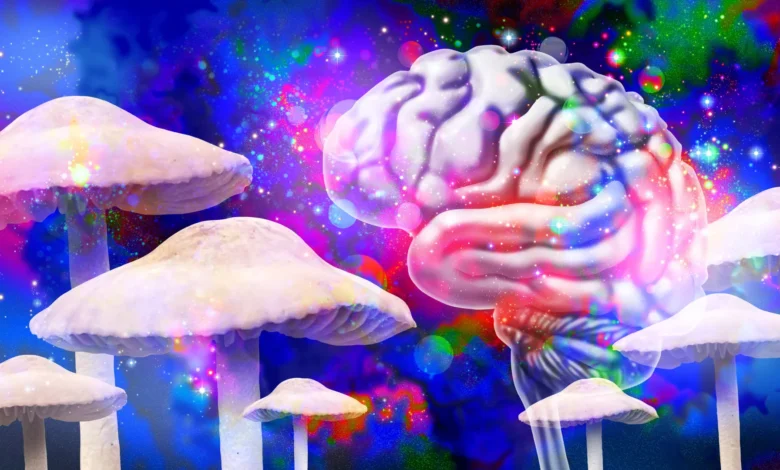
A groundbreaking study by researchers at the University of California, San Francisco (UCSF) and Imperial College London has revealed that a single dose of psilocybin, the naturally occurring psychedelic compound found in magic mushrooms, can induce physical changes in the brain that persist for up to a month. This discovery, published in the esteemed journal Nature Communications, sheds new light on the mechanisms by which psilocybin may exert its therapeutic effects for conditions such as depression, anxiety, and addiction. The findings offer a compelling glimpse into how these altered states of consciousness might translate into tangible, lasting improvements in mental well-being.
Unlocking the Brain’s Potential: A Novel Look at Psilocybin’s Impact
The research focused on a phenomenon known as "brain entropy," a measure of the variability and unpredictability of neural activity. For decades, the therapeutic potential of psychedelics has been an area of intense scientific interest, with anecdotal evidence and early clinical trials suggesting significant benefits for individuals struggling with persistent mental health challenges. However, the precise biological underpinnings of these improvements have remained largely elusive. This new study posits that psilocybin’s ability to temporarily increase brain entropy may be a key factor in facilitating psychological insight, which in turn could drive long-term mental health gains.
The study involved 28 healthy adult participants who had no prior experience with psychedelics. This carefully selected group allowed researchers to observe the effects of psilocybin in a "clean slate" environment, minimizing confounding factors from previous psychedelic use. While these participants did not have diagnosed mental health conditions, the insights gleaned from their neurological responses provide a crucial foundation for understanding how psilocybin might work in clinical settings.
A Carefully Orchestrated Investigation: From Placebo to Potent Dose
The experimental design was meticulously crafted to isolate and measure the specific effects of psilocybin. The investigation unfolded in distinct phases, beginning with a low, sub-perceptual dose of psilocybin (1 mg), which served as a placebo. During this initial phase, participants’ brain activity was monitored using electroencephalography (EEG), a non-invasive technique that records electrical signals from the scalp. This baseline measurement provided a critical point of comparison for the subsequent, higher dose.
Following this initial phase, participants underwent a series of psychological assessments to evaluate their levels of insight, overall well-being, and cognitive performance. Furthermore, advanced neuroimaging techniques were employed. Functional magnetic resonance imaging (fMRI) was used to study brain activity and connectivity patterns, while diffusion tensor imaging (DTI) was utilized to examine the integrity and structure of neural pathways – the white matter tracts that connect different regions of the brain. These comprehensive assessments were conducted both during the immediate aftermath of the psilocybin experience and again one month later, allowing researchers to track the temporal dynamics of any observed changes.
Weeks later, the same participants were administered a significantly higher dose of psilocybin (25 mg), an amount known to reliably induce a profound psychedelic experience. Brain activity was again recorded via EEG during the peak of this experience. The psychological and neuroimaging assessments were then repeated over the subsequent weeks, mirroring the procedures from the initial phase. This parallel design was crucial for directly comparing the effects of the potent psychedelic dose against the more subtle, placebo-like response.
The Psilocybin Effect: Unveiling Increased Brain Entropy and Structural Shifts
The results from the high-dose psilocybin administration were striking. Within an hour of ingesting the 25 mg dose, EEG recordings revealed a significant increase in brain entropy. This surge in unpredictability and diversity of neural firing patterns suggests that the brain, under the influence of psilocybin, was capable of generating and processing a far wider spectrum of information than under normal circumstances. This heightened neural flexibility is theorized to be the basis for the altered states of consciousness often reported during psychedelic experiences.
Intriguingly, the structural analysis conducted using DTI one month after the high-dose psilocybin administration revealed evidence of increased neural tract density and integrity. Water molecules, which are tracked by DTI to map neural pathways, moved with greater coherence along these tracts. This finding was particularly noteworthy as it represented a reversal of changes commonly observed with aging, where neural tracts tend to become less organized and more diffuse. While the precise implications of these structural alterations are still being investigated, the researchers described them as unprecedented evidence suggesting that psychedelics may induce lasting physical changes in the brain’s architecture.
From Insight to Well-being: A Month-Long Ripple Effect
The psychological outcomes of the study further reinforced the connection between psilocybin, brain changes, and improved mental states. The day following the 25 mg dose, an overwhelming majority of participants (27 out of 28) described the experience as the "single most" unusual state of consciousness they had ever encountered. The remaining participant ranked it among their top five most profound experiences.
Crucially, participants reported substantially greater psychological insight after the high dose compared to the placebo. This enhanced insight was not fleeting. Measures of well-being, including feelings of optimism about the future and the ability to cope with challenges, showed significant improvements two and four weeks after the psilocybin experience. Furthermore, participants demonstrated enhanced cognitive flexibility one month later, indicating an improved ability to adapt their thinking and respond to new or changing information.
Dr. Taylor Lyons, a research associate at Imperial College London and lead author of the study, elaborated on these findings: "Psilocybin seems to loosen up stereotyped patterns of brain activity and give people the ability to revise entrenched patterns of thought. The fact that these changes track with insight and improved well-being is especially exciting."
The Psychedelic Journey as a Catalyst for Change
The study’s findings strongly suggest a causal chain: the acute increase in brain entropy induced by psilocybin facilitates psychological insight, which in turn leads to sustained improvements in mental well-being. Participants who exhibited the most pronounced increases in brain entropy during the initial hours after taking psilocybin were more likely to report greater insight the following day. These individuals, in turn, experienced more robust improvements in their overall well-being one month later.
"Psychedelic means ‘psyche-revealing,’ or making the psyche visible," explained senior author Dr. Robin Carhart-Harris, the Ralph Metzner Distinguished Professor of Neurology at UCSF. "Our data shows that such experiences of psychological insight relate to an entropic quality of brain activity and how both are involved in causing subsequent improvements in mental health. It suggests that the trip – and its correlates in the brain – is a key component of how psychedelic therapy works."
This understanding has significant implications for the development of psychedelic-assisted therapies. By identifying the precise neurological correlates of therapeutic benefit, clinicians may be able to refine treatment protocols. For instance, it might be possible to determine optimal psilocybin dosages that promote sufficient brain entropy to foster meaningful insight without inducing an overwhelmingly intense experience, thereby maximizing therapeutic efficacy while minimizing potential discomfort.
Broader Implications and Future Directions
The implications of this research extend beyond the immediate therapeutic applications of psilocybin. The study provides a robust neurobiological framework for understanding the mechanisms of consciousness alteration and its potential to facilitate profound personal change. As research into psychedelics continues to expand, these findings will undoubtedly inform the design of future clinical trials and the development of novel therapeutic strategies for a wide range of mental health conditions.
The study’s funding sources, including philanthropic donations to the Centre for Psychedelic Research at Imperial College London, the Alex Mosley Charitable Trust, and the Beckley Foundation, underscore the growing interest and investment in this field from both academic and private sectors. Dr. Carhart-Harris’s professorship and additional philanthropic support further highlight the dedication of institutions to advancing psychedelic research.
While these findings represent a significant leap forward, researchers emphasize that further investigation is warranted. Future studies will likely delve deeper into the specific neural circuits affected by psilocybin, explore the long-term durability of these brain changes, and investigate how these mechanisms might be harnessed in conjunction with other therapeutic modalities. The promise of psilocybin as a tool for profound healing and personal growth is becoming increasingly clear, grounded in a growing body of scientific evidence that reveals the intricate dance between altered consciousness and lasting neurological transformation. This research offers a compelling testament to the power of the brain to rewire itself, and the potential of carefully guided psychedelic experiences to facilitate that process.