Pastina Soup Italian Penicillin A Culinary Study of Traditional Comfort and Modern Wellness

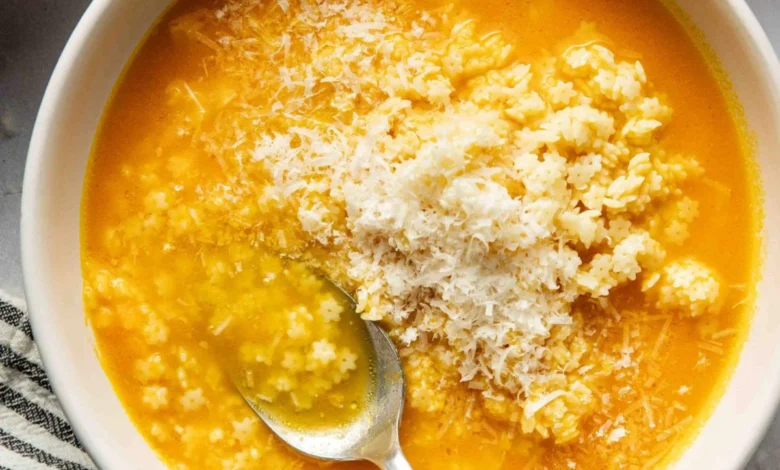
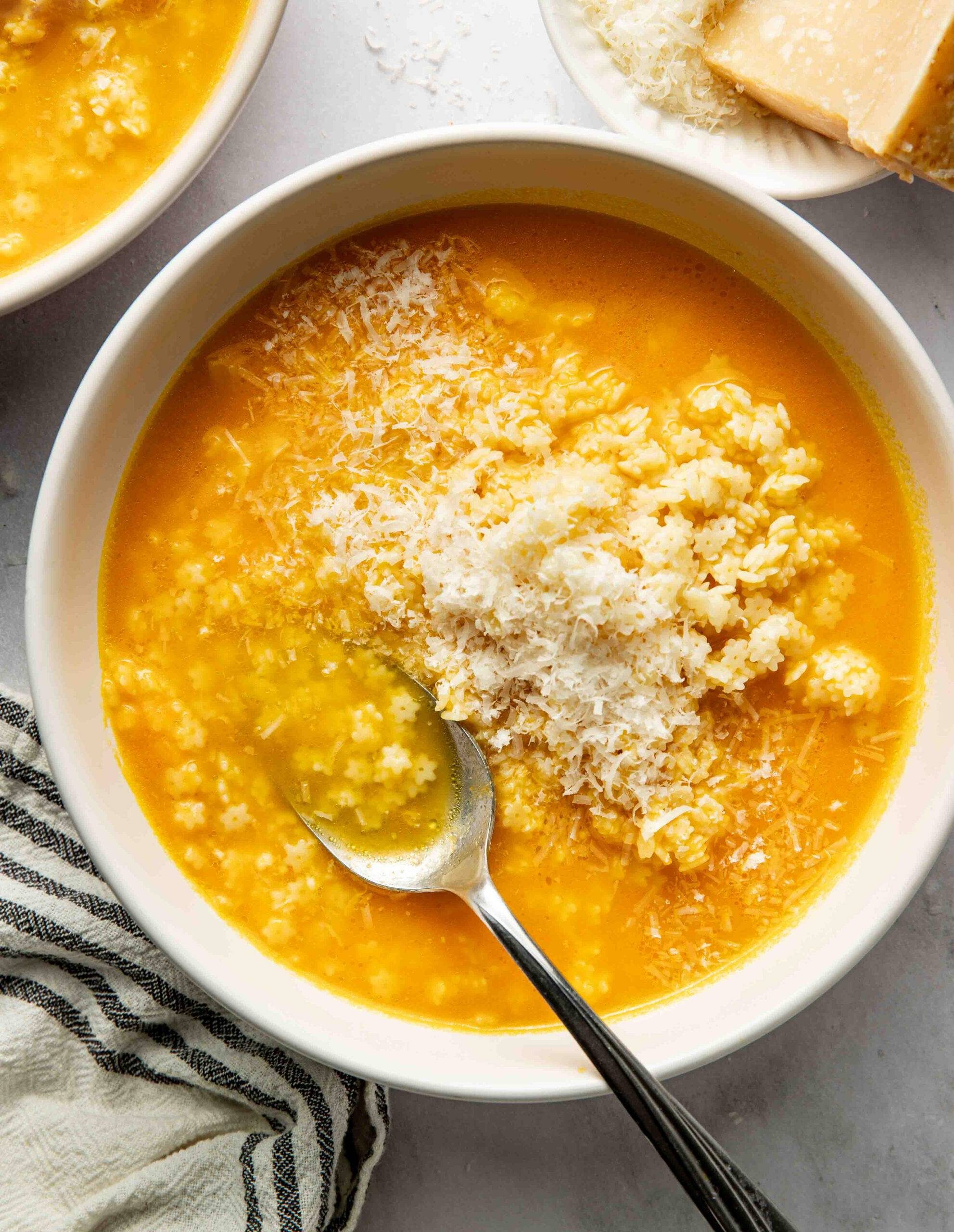
The resurgence of traditional, nutrient-dense home cooking has recently been underscored by the viral popularity of "pastina," a classic Italian dish affectionately dubbed "Italian Penicillin." While the term has circulated within Italian-American households for generations, the dish has gained significant traction in the public consciousness as a standardized, restorative meal for periods of convalescence. Characterized by its diminutive, star-shaped pasta and a highly flavorful, nourishing broth, the soup has transitioned from a localized cultural staple to a widely recognized remedy for seasonal ailments.
Historical Context and Cultural Significance
Pastina, derived from the Italian word for "little pasta," refers to a variety of small-shaped pasta—such as stelline (stars), acini di pepe (peppercorns), or orzo—designed specifically for ease of consumption. Historically, this dish was a cornerstone of Italian domestic life, served to children, the elderly, or those recovering from illness. The "Italian Penicillin" moniker reflects its role as a psychological and physiological comfort measure. Unlike complex, heavy stews, pastina relies on the simplicity of high-quality broth and the gentle texture of starch, making it an ideal meal for individuals suffering from reduced appetite or digestive sensitivity.
The dish gained international visibility through social media platforms, particularly TikTok, where users began sharing family recipes and "sick day" rituals. This digital visibility helped codify a recipe that previously existed primarily through oral tradition and grandmotherly instruction, bringing regional Italian comfort food into the global culinary discourse.

Chronology of Consumption and Recovery
The efficacy of the dish during periods of illness is often attributed to its nutrient profile and digestibility. In a typical household setting, the consumption of the soup follows a structured recovery cycle.
- The Onset of Symptoms: When families face common seasonal viruses, the primary challenge is maintaining hydration and caloric intake. The liquid-heavy nature of pastina provides essential electrolytes and fluids.
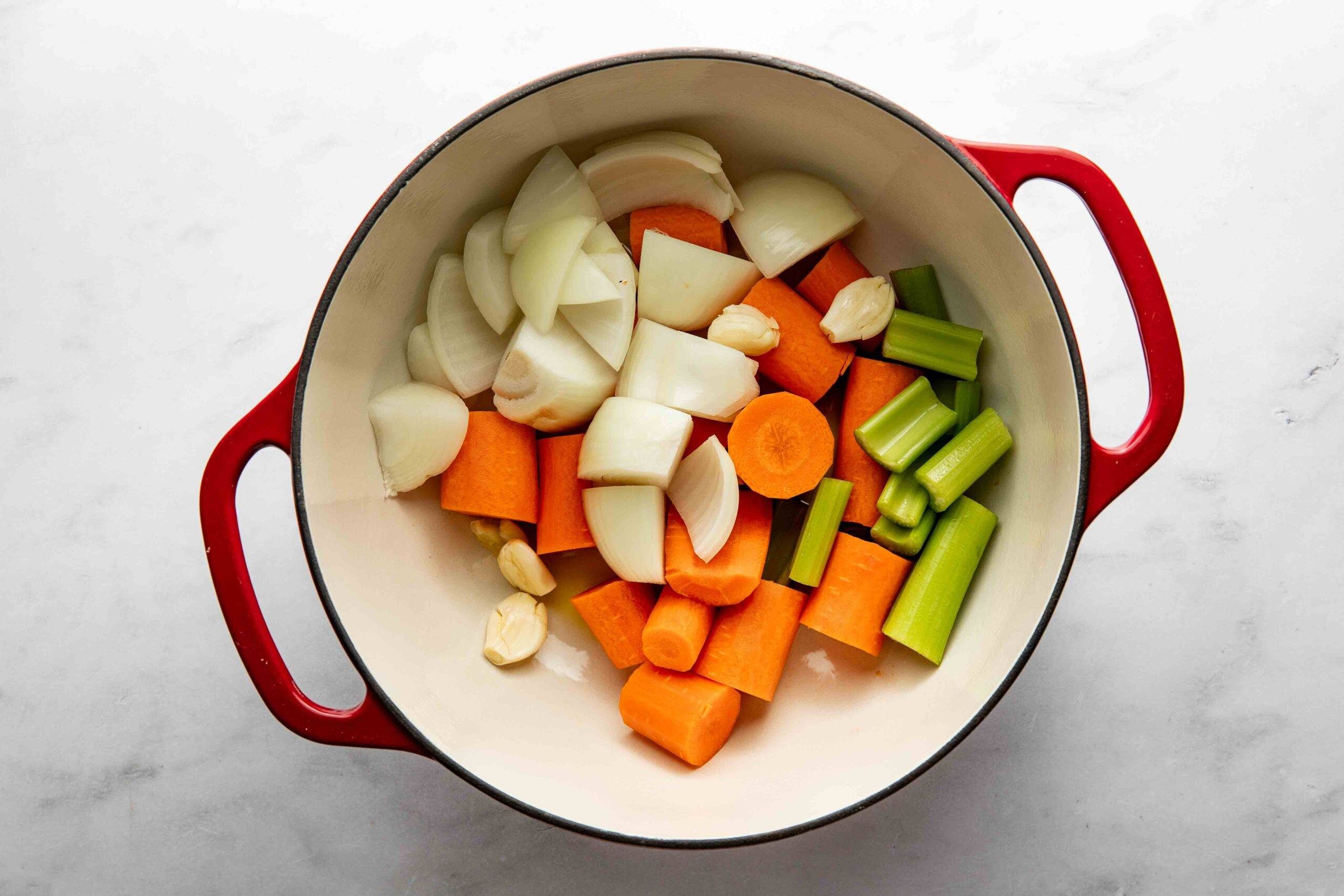
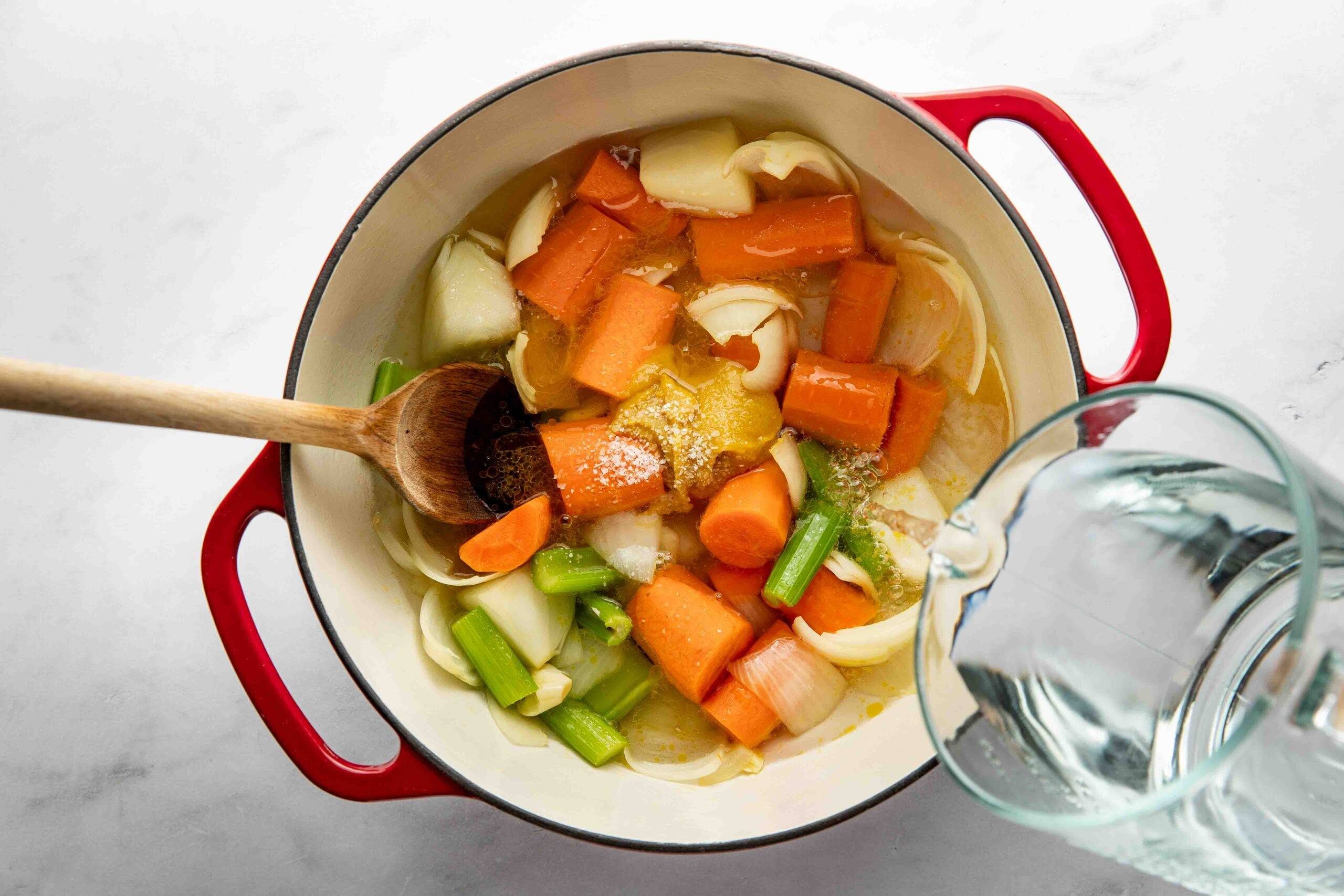
- Preparation Phase: The preparation involves a multi-stage process designed to maximize flavor extraction. Initial steps include the sautéing of aromatics—typically onions, carrots, and celery—to create a flavor base.
- The Broth Infusion: Using high-quality stocks or concentrated bases, the vegetables are simmered until tender.
- Refinement: A critical step involves removing the solids and blending them into a smooth puree before reintroducing them to the liquid. This technique creates a velvety, nutrient-rich broth that retains the essence of the vegetables without the textural resistance that might be difficult for an ill patient to manage.
- Service: The final assembly involves cooking the star-shaped pasta directly in the broth, topped with aged cheese, such as Parmigiano-Reggiano, to provide protein and fats.
Nutritional Analysis and Culinary Methodology
From a dietary perspective, the soup provides a balanced approach to sick-day nutrition. The use of concentrated broth bases, such as the widely used "Better Than Bouillon" products, allows for a high concentration of sodium and savory amino acids, which are essential for replenishing the body after physical depletion.
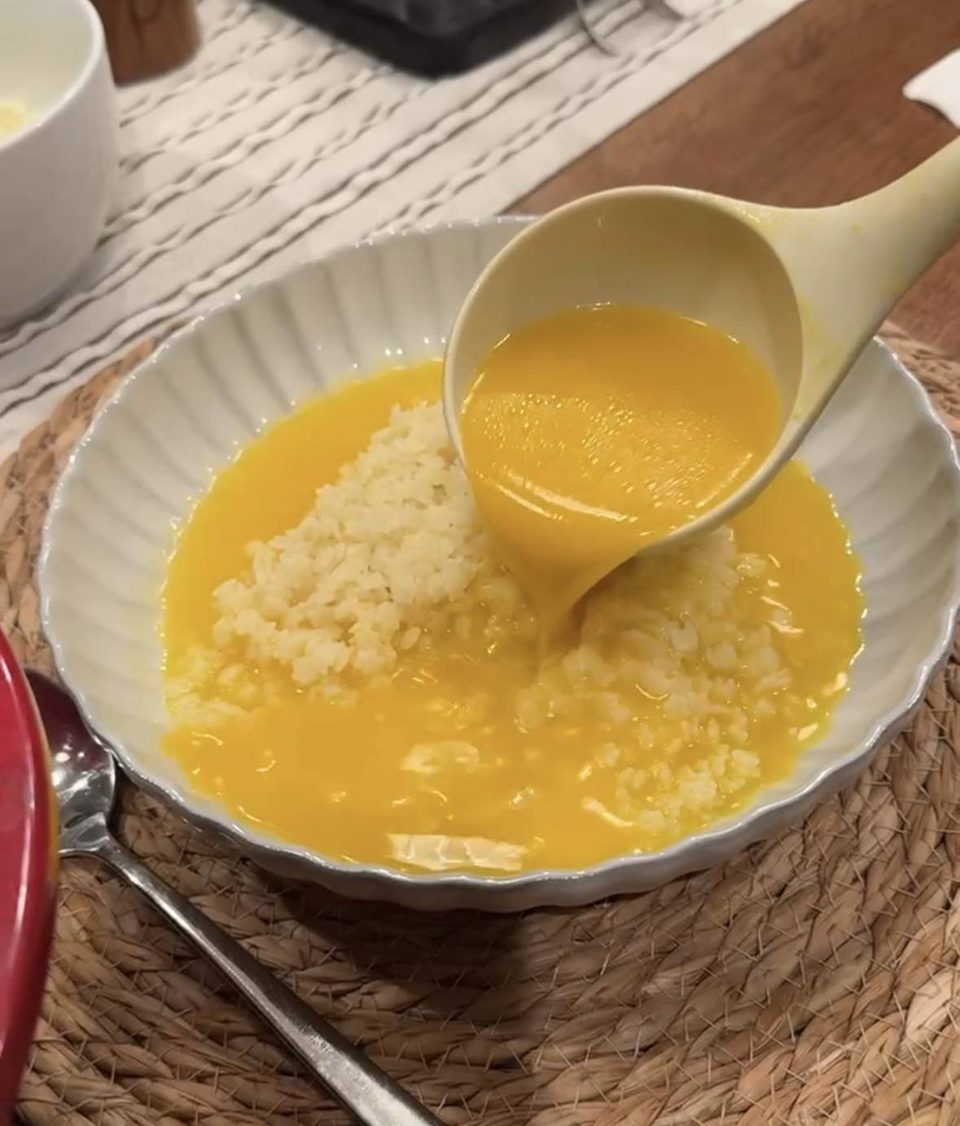
Culinary experts note that the blending of the vegetable base is a significant improvement over traditional rustic methods. By creating a smooth, emulsified liquid, the cook ensures that the soup is both easy to digest and visually appealing, which can be a vital factor for individuals experiencing nausea or fatigue. The inclusion of olive oil and aged cheese adds necessary caloric density and healthy fats, which are often lacking in standard "clear broth" diets.
Broader Impact on Home Cooking Trends
The popularity of pastina is indicative of a broader trend in the post-pandemic era: the shift toward "nurturing" food. As consumers become more conscious of the link between diet and immune function, the demand for simple, transparent, and historical recipes has increased. The "Italian Penicillin" phenomenon aligns with this shift, prioritizing accessible ingredients that can be sourced at standard retailers like Target or local grocers.

Industry observers suggest that the rise of such "comfort recipes" also signals a rejection of hyper-processed convenience foods in favor of "slow-food" principles, even when the cooking time is relatively brief. The documentation of the process—from the initial sauté to the final ladle—serves as a form of educational content, teaching a new generation of cooks the fundamentals of stock-building and flavor layering.
Expert Perspectives on Comfort Food
Nutritionists often categorize foods like pastina as "psychological comfort food." While the nutritional content is undeniably helpful, the restorative effect is also linked to the sensory experience of warm, savory liquids.
"When an individual is ill, the palate often narrows, favoring soft textures and familiar, mild flavors," explains one independent culinary researcher. "The combination of star-shaped pasta and a savory broth triggers a Pavlovian response associated with care and healing. It is not just the vitamins in the vegetables; it is the act of preparing and consuming a warm, consistent meal that aids in the recuperative process."
Future Implications for Culinary Traditions
The normalization of pastina as a staple "sick day" meal suggests that similar traditional dishes from other cultures may see a similar rise in popularity. As globalization continues to influence home kitchens, the barrier between regional cultural remedies and mainstream health advice is thinning.
The success of the pastina trend provides a blueprint for how traditional foods can be preserved in the digital age. By translating generational knowledge into digestible, step-by-step photography and video formats, these dishes remain relevant and accessible. Furthermore, the emphasis on high-quality ingredients, even in a simple soup, underscores a movement toward culinary literacy where consumers understand the importance of base quality—such as using superior vegetable stocks—in the final outcome of the dish.
In conclusion, the rise of pastina as "Italian Penicillin" is more than a fleeting social media trend. It is a reflection of a collective return to foundational culinary practices that emphasize health, recovery, and the therapeutic value of the home-cooked meal. Whether viewed as a medical remedy or a cultural touchstone, the soup remains a testament to the enduring power of simple, high-quality ingredients prepared with intention. As families continue to seek solace in the kitchen, dishes that offer both biological nourishment and emotional comfort will likely remain at the forefront of the modern culinary experience.