The Comprehensive Guide to Maximizing Seasonal Summer Produce and Emerging Trends in Home Culinary Arts

The transition into the peak of the summer harvest season marks a significant shift in consumer behavior and domestic culinary practices, as home cooks across the country navigate the abundance of fresh produce available at local farmer’s markets and community-supported agriculture (CSA) programs. From the arrival of the first field-grown strawberries in June to the late-August surge of sweet corn and heirloom tomatoes, the seasonal calendar dictates a specific rhythm for meal preparation that emphasizes freshness, minimal processing, and nutritional density. This period represents a critical intersection of agricultural output and domestic science, where the challenge for the consumer shifts from procurement to the efficient utilization of highly perishable goods.
The Economic and Agricultural Context of Summer Produce
According to data from the United States Department of Agriculture (USDA), the number of farmers’ markets in the United States has seen a steady increase over the last decade, with over 8,600 markets currently registered in the USDA Farmers Market Directory. This growth reflects a broader consumer trend toward "farm-to-table" eating, driven by a desire for transparency in the food supply chain and a preference for produce that has not undergone the nutritional degradation associated with long-distance transport.
Agricultural experts note that summer staples such as zucchini, bell peppers, and cucumbers reach their peak organoleptic qualities—flavor, texture, and aroma—when harvested and consumed within a narrow window. This biological reality has necessitated a resurgence in versatile recipe frameworks that can accommodate varying quantities of produce. The current culinary landscape is characterized by a move toward "modular" cooking, where fresh vegetables and fruits serve as the primary structural elements of a meal rather than mere garnishes.
Chronology of the Summer Harvest: A Culinary Timeline
The summer season is not a monolithic period of growth but rather a staggered sequence of harvests. Understanding this chronology is essential for home cooks looking to optimize their meal planning and budgeting.
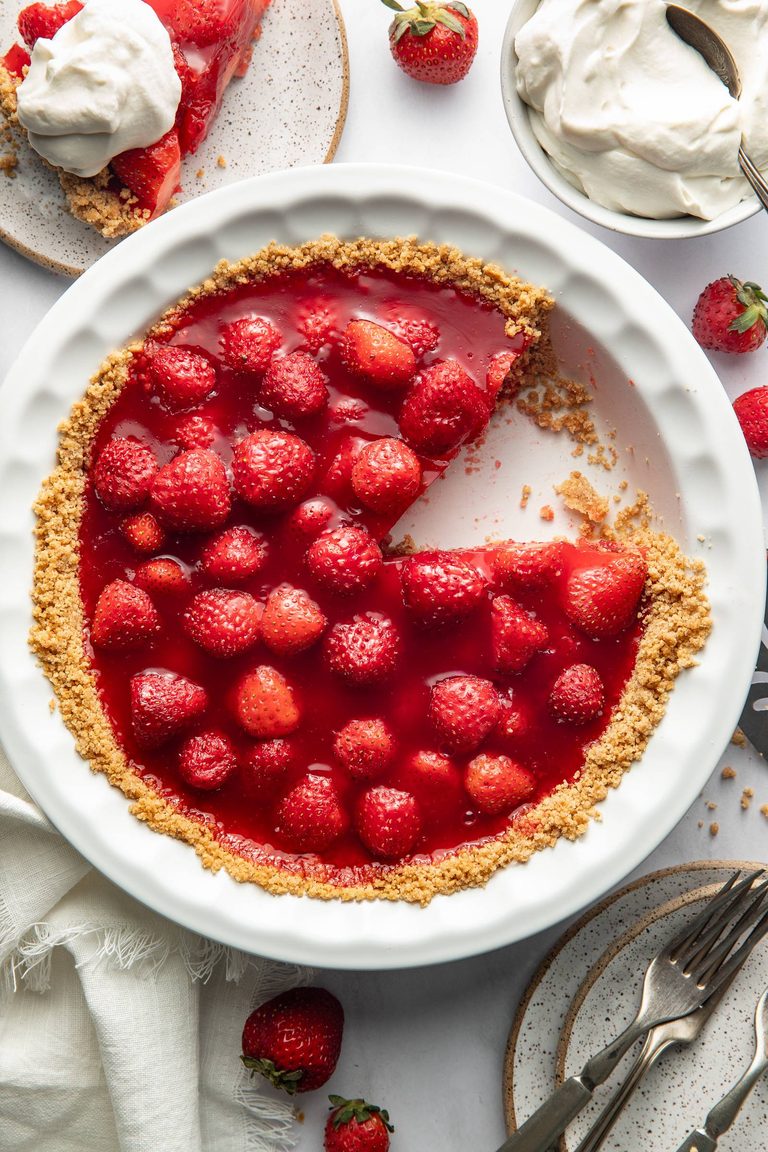
- The Early Summer Window (June – Early July): This period is dominated by berries and stone fruits. Strawberries, often the first to arrive, are utilized in both sweet and savory applications. Culinary analysts have observed a rise in "atypical preservation" methods, such as the pickling of strawberries to be paired with goat cheese and sourdough, which extends the shelf life of the fruit while introducing complex acidity to dishes.
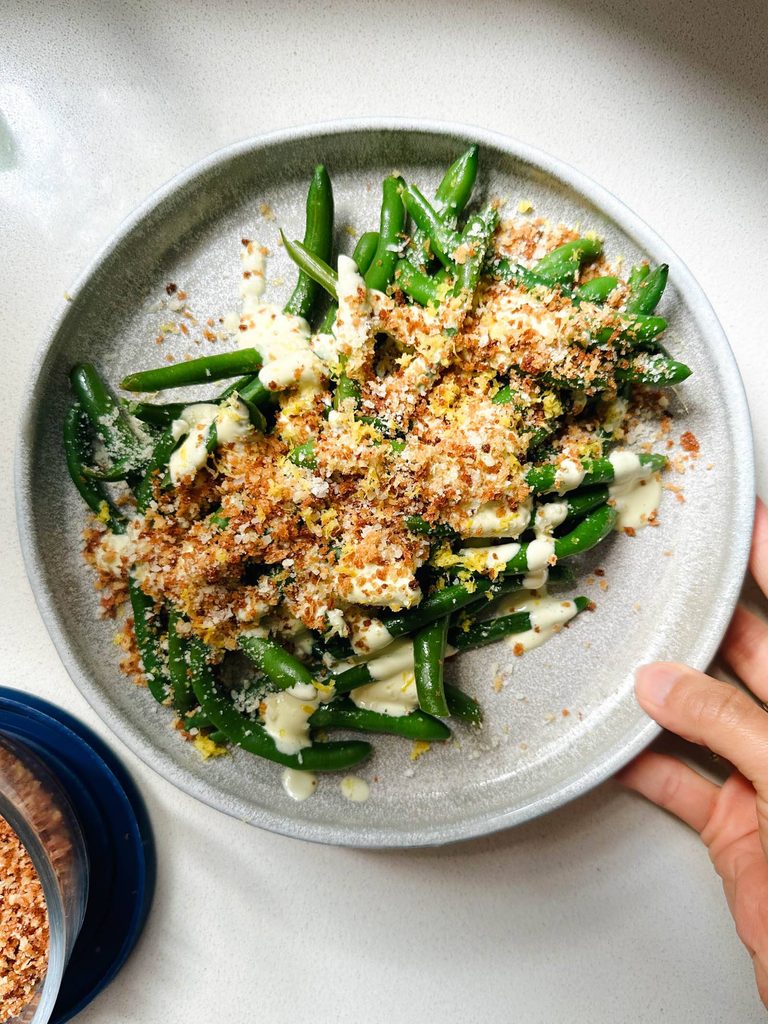
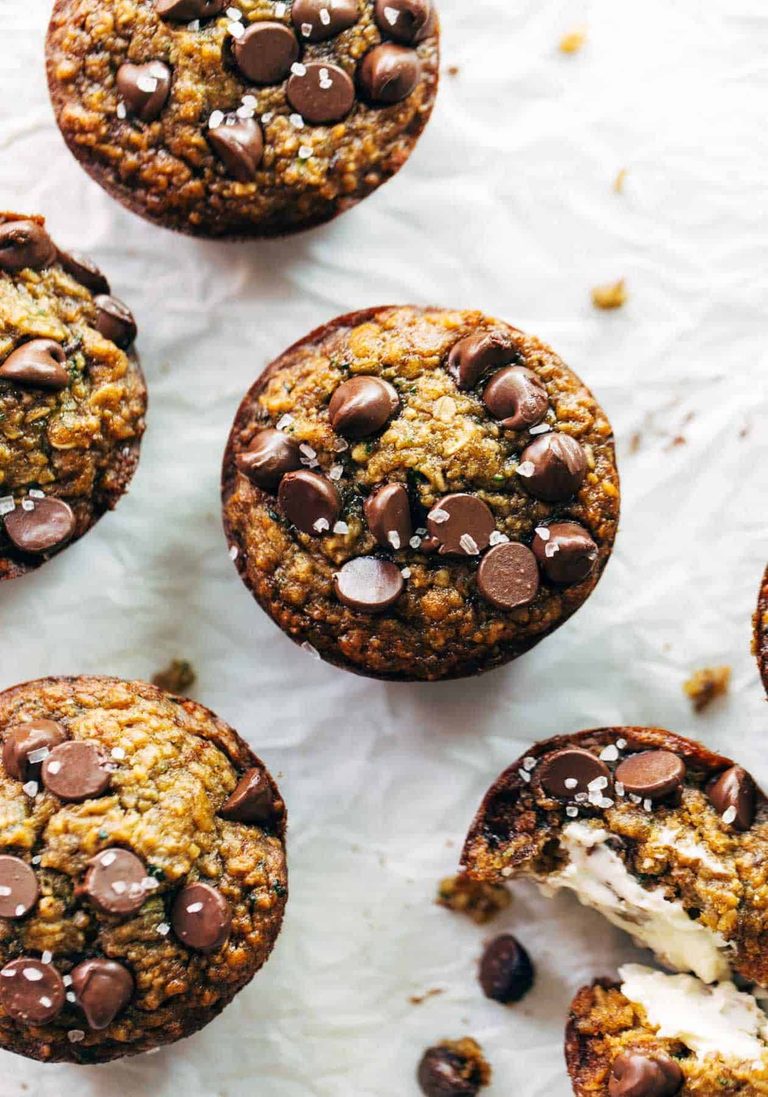
- The Mid-Summer Surge (July – Early August): This is the peak for "heavy" produce, including zucchini, green beans, and early-season corn. The sheer volume of zucchini during this time often leads to "produce fatigue," prompting a demand for recipes that disguise the vegetable or transform its texture, such as blender-based muffins or almond butter chocolate chip bars.
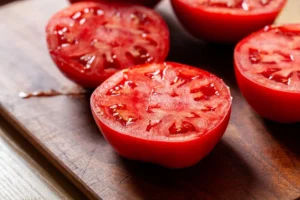
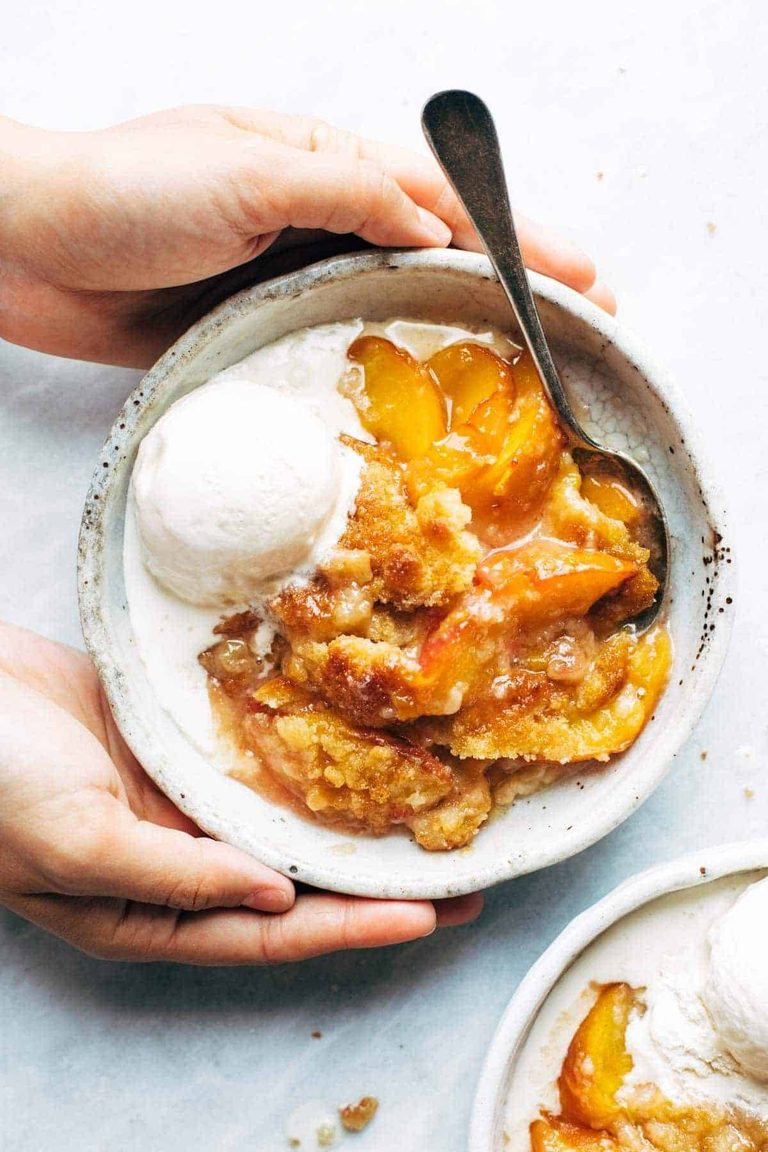
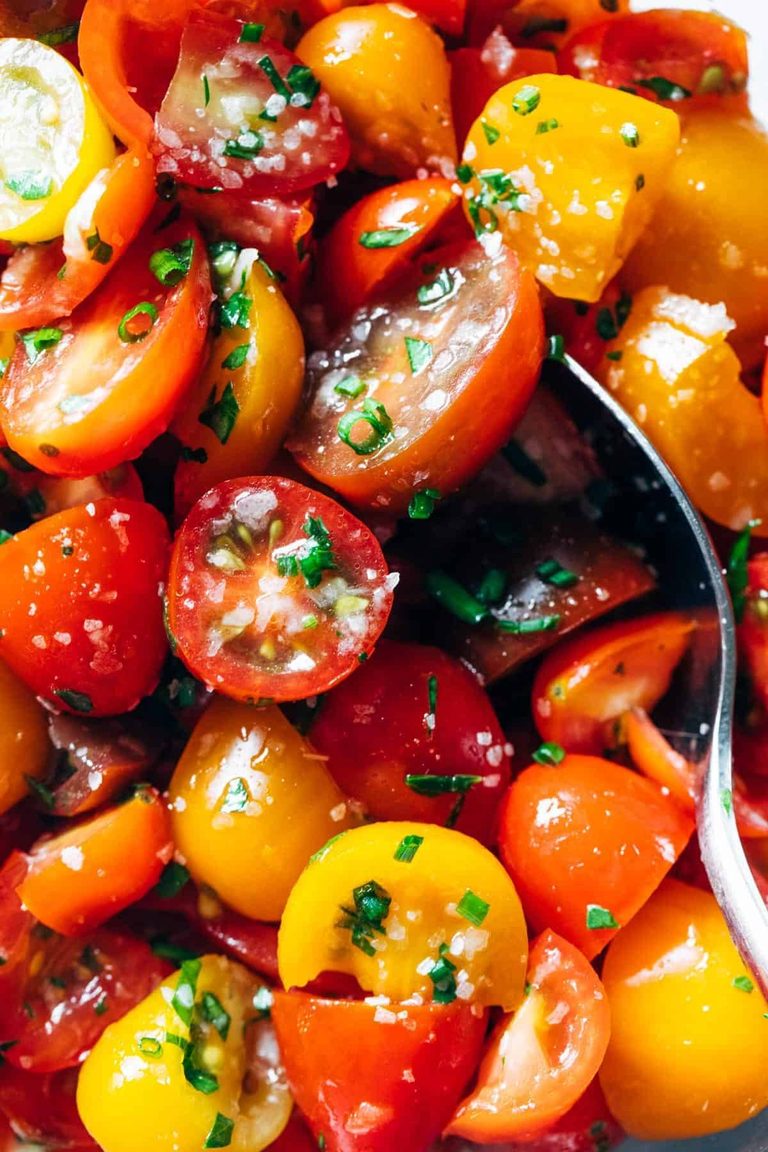
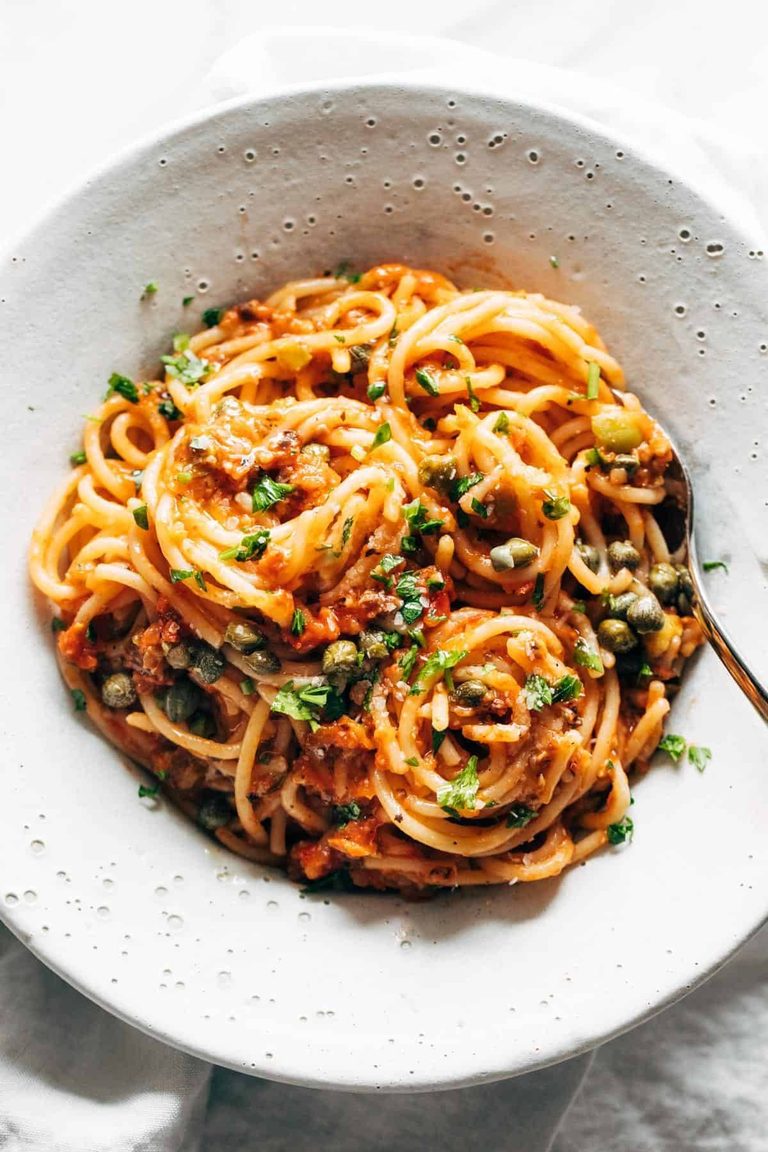
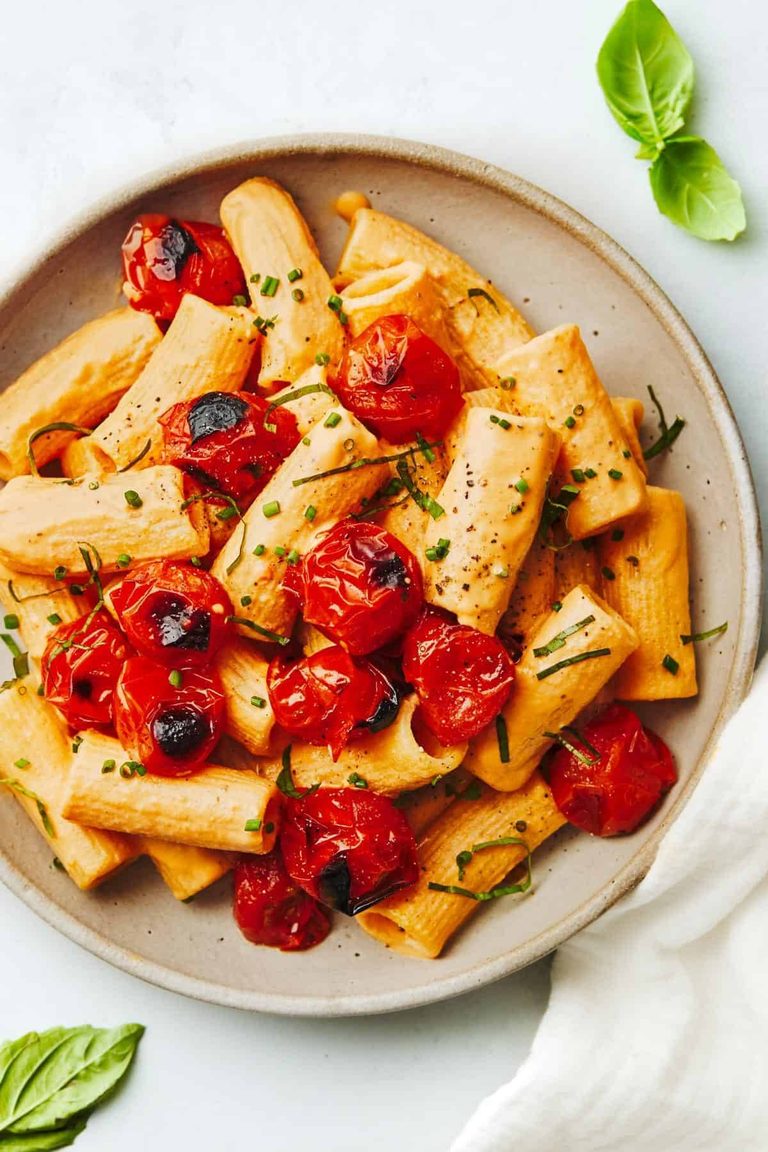
- The Late Summer Peak (August – September): Often referred to as the "tomato and peach window," this period sees the highest diversity of produce. Tomatoes become a primary source of acidity and moisture in cooking, ranging from raw marinated preparations to slow-roasted puttanesca sauces.
Strategic Utilization of Key Summer Crops
To manage the influx of seasonal goods, food scientists and professional chefs recommend several high-utility categories for produce integration. These categories allow for the rapid processing of large quantities of vegetables while maintaining nutritional integrity.
The Role of "Mother Sauces" in Summer Cooking
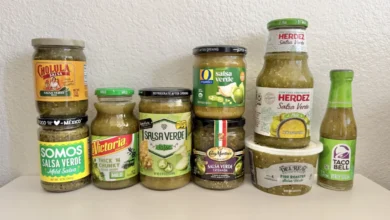
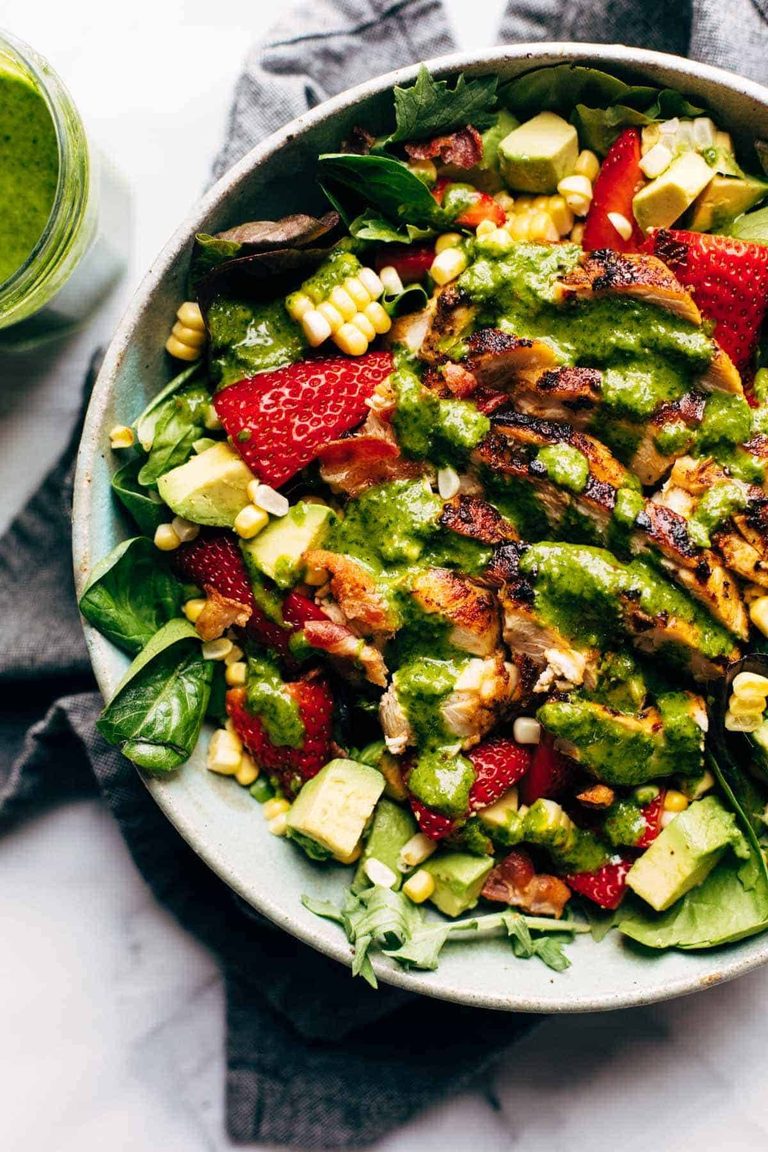
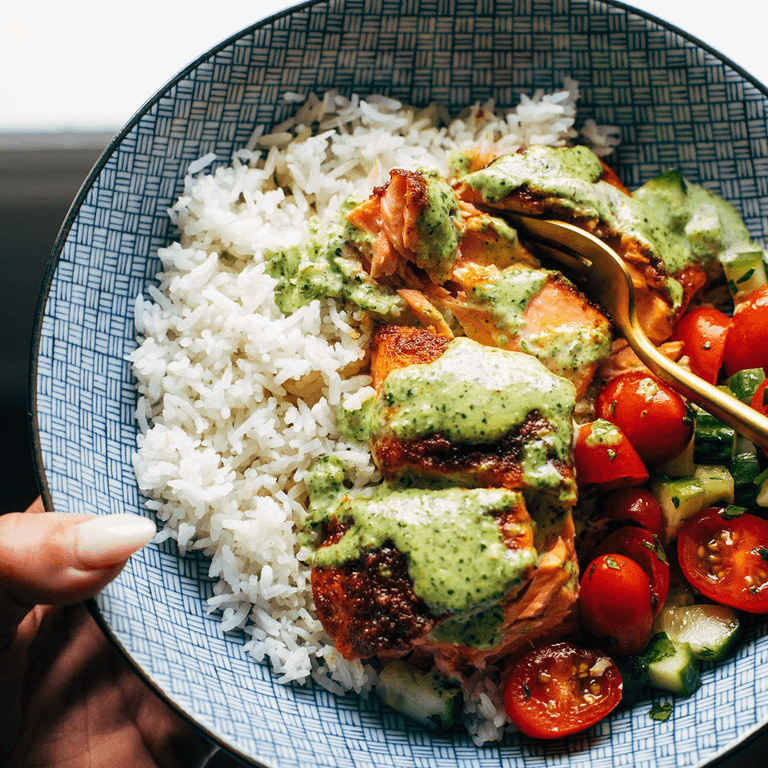
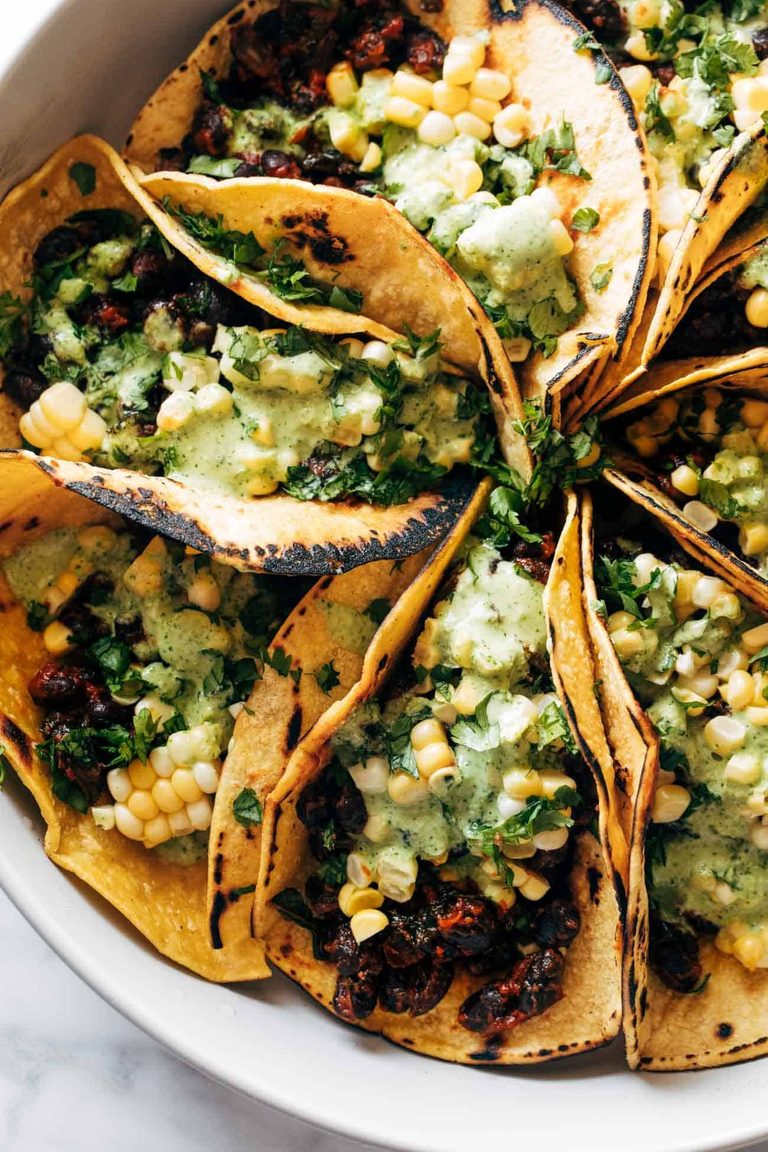
Modern domestic culinary trends have seen an evolution in the concept of the "mother sauce." In a summer context, this involves the creation of nutrient-dense, herb-based emulsions that can be applied across various proteins. The "Magic Green Sauce"—typically composed of avocado, cilantro, lime, and garlic—and high-potency basil sauces serve as versatile condiments that prevent flavor boredom. These sauces utilize large volumes of fresh herbs, which are often the most prolific growers in summer gardens.
Grain and Legume-Based Salads
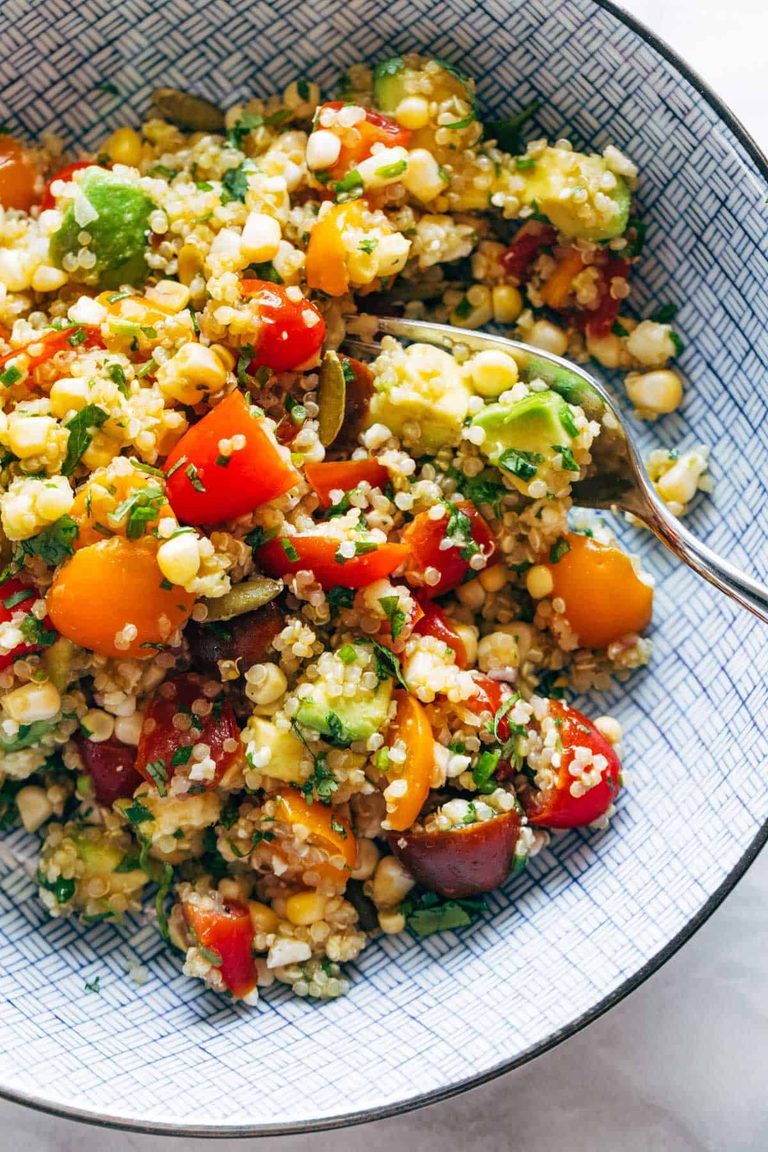
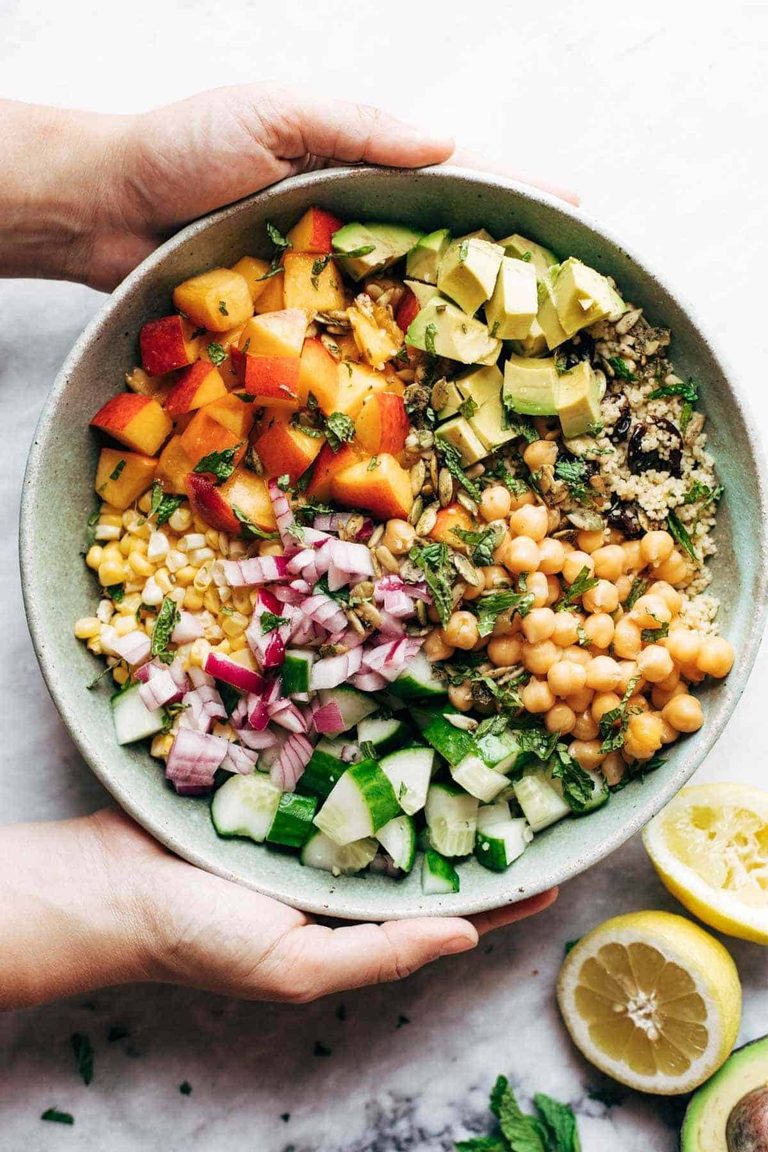
The integration of produce into "power bowls" or grain salads has become a standard for summer nutrition. Utilizing base grains like quinoa, farro, or couscous provides a stable substrate for high-moisture vegetables like cucumbers and marinated tomatoes. Data from health organizations suggest that these "Mediterranean-style" preparations, which combine healthy fats (avocado, olive oil) with complex carbohydrates and fresh produce, are optimal for maintaining energy levels during high-temperature months.
Innovative Protein Pairings
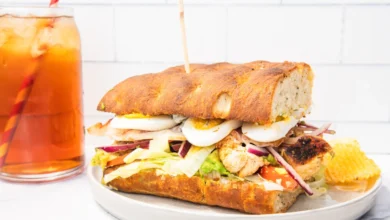
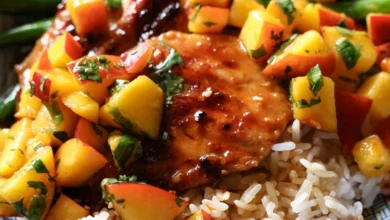
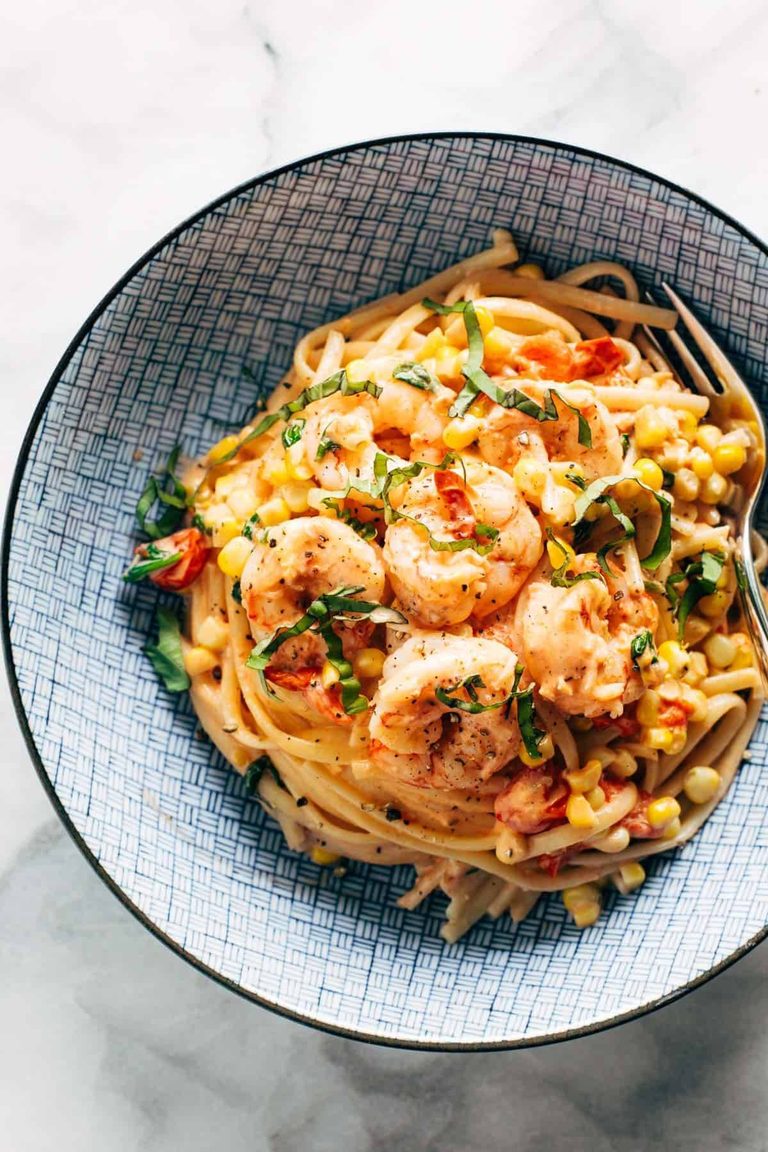
The summer culinary report highlights a shift in how proteins are prepared to complement fresh produce. Rather than the produce being a side dish for the meat, the meat is increasingly used as a savory accent to the vegetables. For instance, grilled chicken is frequently paired with zippy pepperoncini garlic butter and fresh tomato-cucumber salads, while salmon is often served alongside fire-roasted corn and mango salsas. This approach aligns with current dietary guidelines emphasizing plant-forward eating.
Supporting Data on Nutritional Benefits
The health implications of consuming seasonal summer produce are supported by significant nutritional data. Research indicates that produce harvested at peak ripeness contains higher levels of vitamins and antioxidants compared to produce harvested prematurely for long-distance shipping.
- Tomatoes: Rich in lycopene, an antioxidant linked to reduced risk of heart disease and certain cancers. The bioavailability of lycopene actually increases when tomatoes are cooked or processed with fats like olive oil.
- Corn: A significant source of lutein and zeaxanthin, which are essential for eye health.
- Zucchini and Leafy Greens: Provide high levels of potassium and fiber, essential for digestive health and blood pressure regulation.
- Berries and Peaches: Contain high concentrations of Vitamin C and polyphenols, which support immune function and reduce systemic inflammation.
Expert Analysis and Industry Responses
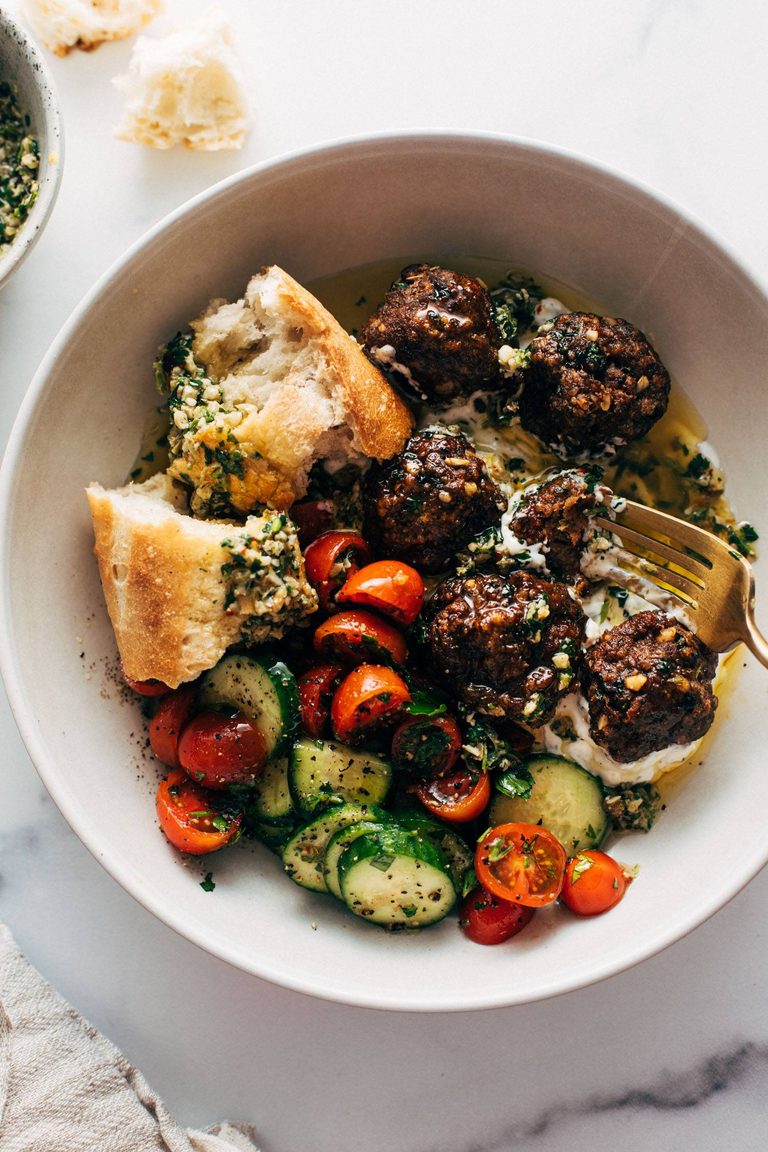
Industry analysts suggest that the rise in "all-in-one" summer recipes—such as sheet pan meatballs with tomato salad or one-pan farro with kale—is a direct response to the "time-poverty" experienced by modern households. Even during the more relaxed summer months, consumers prioritize recipes that offer a "high-yield, low-effort" ratio.
"The modern home cook is looking for a way to justify their farmer’s market spend," says one culinary trend analyst. "They buy with their eyes—vibrant peaches, deep green zucchini—but they need a functional roadmap to ensure that food doesn’t end up in the compost bin. The trend toward ‘SOS’ (Save Our Supper) meals that utilize these ingredients in under 30 minutes is not just a convenience; it’s a waste-reduction strategy."
Furthermore, the rise of specialized kitchen appliances, such as high-powered blenders and air fryers, has changed how summer produce is handled. Zucchini muffins and "feel-good" bars are now processed in seconds, while chicken cutlets for summer bowls are air-fried to avoid heating up the kitchen with a traditional oven.
Broader Impact and Implications for Sustainability
The focus on seasonal produce utilization has broader implications for environmental sustainability. By consuming what is grown locally and in season, individuals contribute to a reduction in the carbon footprint associated with the global food logistics network. Additionally, the practice of "using up every last bit" of produce—turning bruised tomatoes into a basic garlic butter sauce or using wilted herbs in a "magic" green sauce—addresses the global issue of food waste.
According to the Food and Agriculture Organization (FAO), roughly one-third of all food produced for human consumption is lost or wasted. Domestic strategies that provide clear, actionable uses for common garden surpluses are considered a grassroots component of the broader movement to create a more circular and sustainable food economy.
Conclusion: The Future of Seasonal Home Cooking
As the 2024 summer season progresses, the emphasis remains on the intersection of flavor and functionality. The culinary guide provided by modern food enthusiasts serves as more than just a list of recipes; it is a strategic framework for navigating the abundance of the natural harvest. By leveraging nutritional science, economic trends, and innovative cooking techniques, home cooks are able to transform the "problem" of an overfull market bag into a sophisticated and sustainable dining experience.
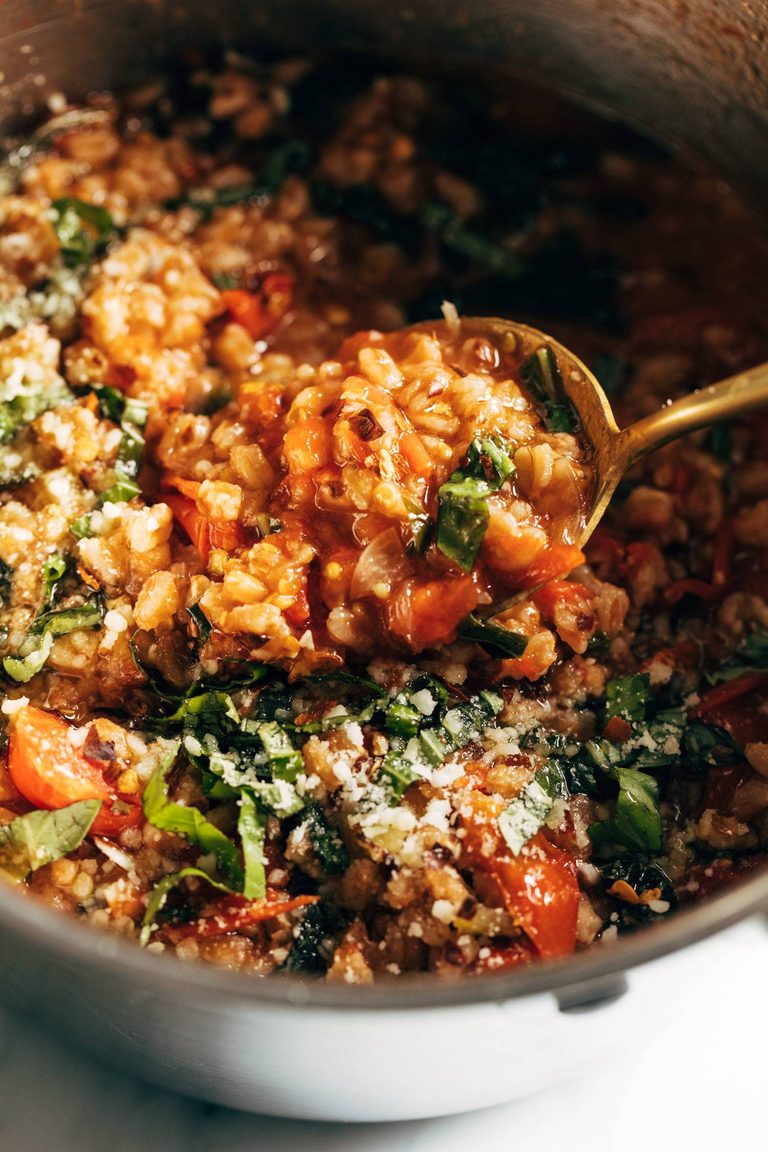
The move toward fresh, vibrant, and produce-heavy meals is likely to persist as a permanent fixture of the American culinary identity, driven by an increasing awareness of the link between diet, environment, and local agriculture. Whether it is through the simplicity of a five-ingredient marinated tomato dish or the complexity of a lemongrass chicken with rice and zucchini, the goal remains the same: to honor the brief, bright window of the summer harvest.