Tesla Deemed Liable for Fraud in Landmark Rancho Santa Fe Solar Roof Lawsuit Following Severe Discovery Violations

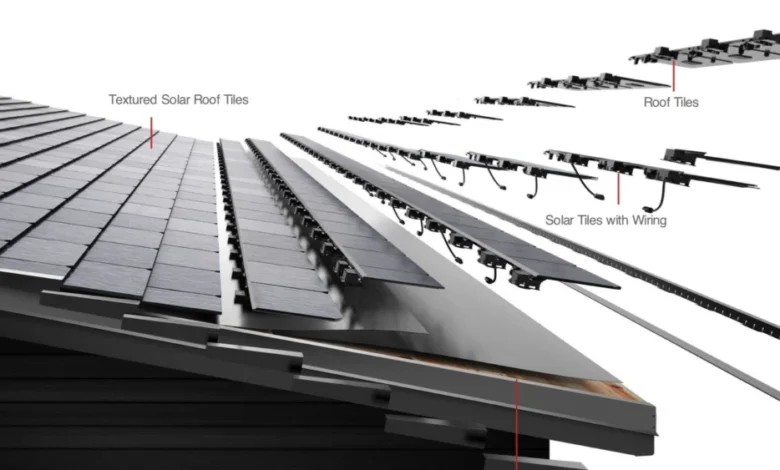
A California state judge has formally ruled Tesla liable for fraud and negligent misrepresentation in a high-profile civil lawsuit concerning its discontinued Solar Roof product. The severe judicial penalty, handed down in San Diego Superior Court, was levied after the electric vehicle and clean energy giant repeatedly failed to comply with court-ordered evidence production. The decision marks a critical escalation in legal scrutiny surrounding Tesla’s renewable energy installations and sets a contentious precedent as the case moves toward a damages trial.
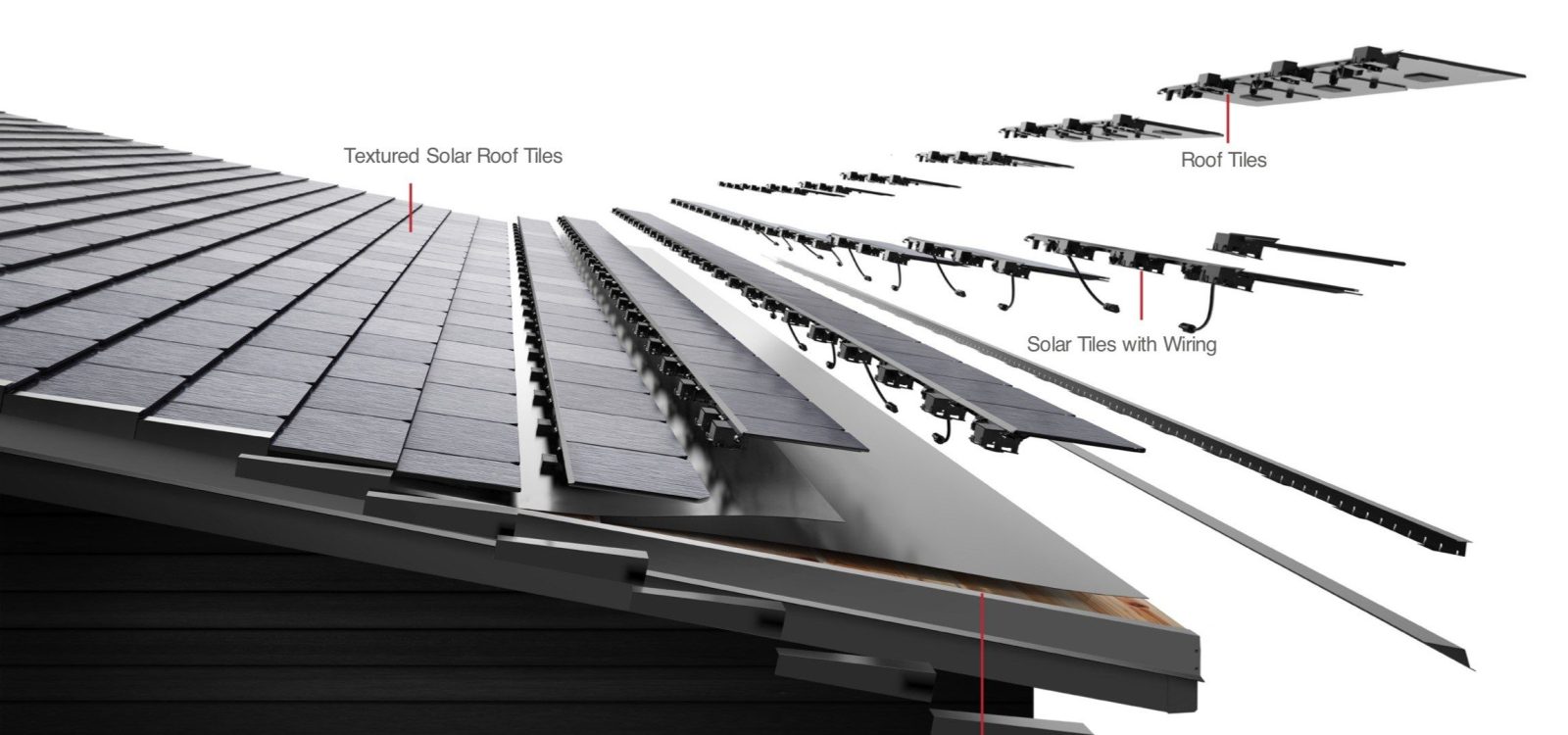
The litigation, designated as Conroy v. Tesla (Case No. 37-2022-00043670), was initiated in 2022 by homeowner Ambrose Conroy. The legal battle centers on a disastrously mismanaged installation project at Conroy’s residence in Rancho Santa Fe, California. While Tesla had previously conceded liability regarding three other counts—specifically breach of contract, breach of warranty, and negligence—the court’s recent ruling on fraud elevates the financial and reputational stakes for the corporation significantly.
Chronology of a Failed Clean Energy Project
The timeline of the dispute illustrates a multi-year breakdown in project execution, corporate communication, and customer relations. The initial agreement was signed in March 2020, with Conroy contracting for a 13.1-kilowatt Tesla Solar Roof system valued at approximately $82,210. Over the following months, the project scope expanded. By February 2021, two formal contract amendments increased the system size to an 18.2-kilowatt roof paired with six Tesla Powerwall energy storage units, pushing the total project cost to roughly $110,000.

Despite the substantial financial commitment, the installation was plagued by continuous delays, regulatory hurdles, and structural shortcomings. According to court filings, the roof was never completed, failed to pass county safety inspections, and never generated a single kilowatt-hour of electricity for the property.
The physical installation process itself deteriorated rapidly. What was originally projected to be a routine two-week project stretched into months of operational chaos. Court documents allege that in November 2020, Tesla work crews stripped the existing roof and left large sections of raw wooden decking exposed to the elements before rushing to install underlayment just ahead of an impending winter storm in late December. Furthermore, numerous glass tiles arrived at the job site scratched or structurally compromised yet were installed regardless. Shattered glass debris allegedly littered the driveway and surrounding lawns, creating persistent safety hazards for the household.

As internal dissatisfaction mounted, project oversight shifted through at least seven different project managers. Internal communications cited within the complaint revealed deep corporate anxiety over the project’s complexity. In February 2021, Bobby Yang, Tesla’s director of model engineering at the time, described the Rancho Santa Fe property as resting in the "99.5 percentile in terms of complexity," remarking internally that successfully executing the job would prove Tesla’s capability to handle any installation. RJ Johnson, then-head of Tesla’s energy division, acknowledged that the problematic project would skew operational metrics but emphasized a corporate obligation to rectify the situation. Johnson was subsequently dismissed from the company in April 2021.
By late 2021, the project had effectively stalled. In November 2021, Tesla informed the homeowner that the personnel responsible for formulating the repair strategy were no longer with the company and that no local technicians were available to complete the remedial work. Months later, in April 2022, Tesla formally offered a $5,000 financial settlement to resolve all outstanding claims—a figure the homeowner rejected, noting that professional remediation estimates for the structural damage exceeded $2.5 million.

Discovery Violations and Judicial Sanctions
The legal proceedings took a decisive turn due to Tesla’s persistent non-compliance with standard discovery protocols. Judge Cynthia Freeland of the San Diego Superior Court initially sanctioned Tesla twice, issuing monetary penalties of $15,467.50 in February and $13,500 in June for failing to provide proper privilege logs and responsive documents. Each sanction included explicit judicial warnings that further non-compliance could result in severe issue sanctions.
When Tesla missed subsequent document production deadlines, the court executed those warnings. On September 11, Judge Freeland issued a minute order deeming Tesla liable for fraud and negligent misrepresentation. The judge cited a pattern of willful non-compliance, noting that missing evidentiary materials included Microsoft Teams messaging logs—despite corporate witness testimony confirming such records are retained indefinitely—as well as Occupational Safety and Health Administration (OSHA) logs, correspondence with San Diego County building inspectors, and dozens of internal quality and safety reports generated through Tesla’s proprietary Bolt software tracking system.

Judge Freeland characterized Tesla’s failure to surrender the requested data as a tacit admission that the withheld information contained damning evidence. Tesla subsequently filed a motion for reconsideration, asserting that all relevant materials had since been produced. On October 27, the court denied the motion, with the judge writing that the late-surrendered documents substantiated the plaintiff’s core theory: that Tesla knowingly utilized residential properties as testing grounds for immature technology while lacking the technical proficiency required to fulfill its contractual promises.
Internal Revelations and Corporate Scrutiny
The discovery process unearthed internal digital correspondence that centralizes corporate awareness of the technical risks involved. Trial exhibit lists reference internal text message exchanges from January 2021 among engineering personnel discussing the experimental nature of the installation, with references indicating that periodic status reports were funneled directly to Chief Executive Officer Elon Musk. While Tesla’s legal counsel maintains that discovery disputes are procedurally disconnected from the core fraud allegations and has petitioned the California Court of Appeal to stay the lower court’s ruling, the evidentiary trail remains a central focus of the litigation.

The dispute also intersects with broader regulatory actions concerning Tesla’s energy division. The case file incorporates regulatory actions by the California Contractors State License Board (CSLB), which previously initiated proceedings to evaluate and potentially revoke contractor licenses held by Tesla over abandoned Solar Roof projects across the state. These regulatory challenges coincided with Tesla’s strategic decision to scale back and ultimately wind down installations of the Solar Roof product line, shifting primary clean energy market focus toward conventional solar photovoltaic panels and energy storage systems.
Broader Implications for the Clean Energy Sector
The resolution of Conroy v. Tesla carries significant implications for consumer protection standards within the burgeoning residential renewable energy market. As homeowners increasingly adopt solar power and battery storage to hedge against rising utility costs—which climbed notably across the United States over recent years—the demand for reliable, accountable contracting has intensified.

Legal experts note that while issue sanctions determining liability for fraud via discovery violations are relatively rare and subject to stringent appellate review, the underlying factual admissions regarding breach of contract and negligence ensure that financial restitution will be determined at trial. The forthcoming proceedings will focus heavily on establishing compensatory damages to cover the multi-million-dollar remediation required to strip away the defective installation, rebuild the compromised roof structure, and secure the property against environmental and electrical hazards.
As the legal teams prepare for subsequent trial conferences in San Diego Superior Court, the case stands as a cautionary benchmark regarding the commercialization of nascent building-integrated photovoltaic technologies and the legal liabilities corporations assume when complex technological experiments intersect with residential infrastructure.