As the retail landscape moves through the final week of September 2026, major e-commerce platforms and electronics manufacturers have initiated a coordinated series of price reductions aimed at clearing seasonal inventory and stimulating consumer demand ahead of the fourth-quarter holiday rush. This week’s market analysis reveals significant downward pricing pressure on high-performance home entertainment systems, mobile hardware, and smart home security devices. By leveraging automated price-tracking tools and historical data, our analysis confirms that several of these offerings represent the lowest recorded price points since their respective product launches.

Market Context and Strategic Pricing
The current wave of discounts follows a period of stabilization in the global semiconductor supply chain, allowing manufacturers to move away from the constrained pricing models that characterized the previous two years. Retailers are currently attempting to balance inventory levels, particularly for display technology, as 2026 model-year units compete for shelf space with impending 2027 product announcements. This environment has created a buyer’s market for consumers seeking high-end OLED displays and premium wearable technology.
Chronology of Recent Tech Releases
The current market offerings are heavily influenced by product cycles that began earlier this year. In March 2026, the electronics industry saw a surge in the deployment of Fire TV OS-integrated displays, most notably from brands like Hisense. By July 2026, the "Galaxy Unpacked" event introduced the latest iterations of Samsung’s foldable devices, setting a new benchmark for premium mobile hardware. The subsequent months have seen these devices transition from "novelty status" to established market competitors, prompting the current round of aggressive discounting as manufacturers look to maintain market share against newer entrants, such as the recently announced iPhone Duo.

Analysis of Key Hardware Discounts
Home Security and Outdoor Surveillance
The Blink Outdoor 4 Floodlight Camera has seen a significant price adjustment, falling to $39.99 from its standard $99.99 list price. Industry analysts suggest that this 60% reduction is part of a broader strategy by Amazon-owned subsidiaries to increase the penetration of their ecosystem-locked security devices. The device, which functions as a wire-free, motion-activated floodlight system, targets the DIY home improvement segment. Its reliance on the Sync Module Core infrastructure makes it a strategic asset for users already embedded in the Amazon smart home environment.
High-Performance Optics and Imaging
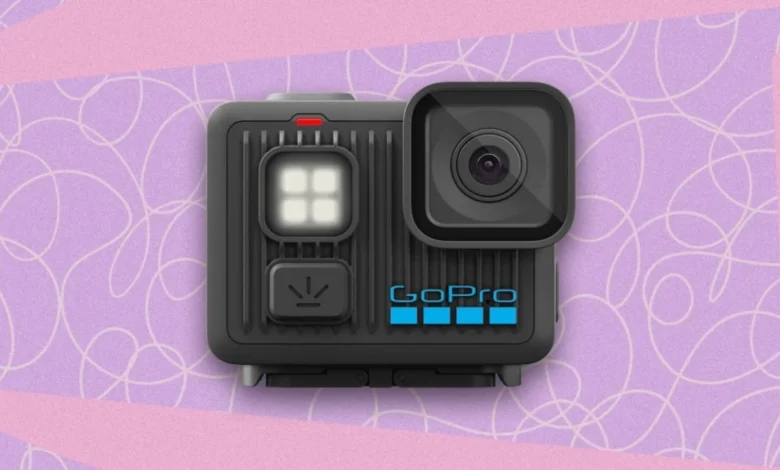
The GoPro Lit Hero, a compact, waterproof action camera, is currently retailing at its lowest price point of $199.99, a $70 reduction from its launch MSRP. Designed for 4K video capture at 60 frames per second, the device occupies a niche between high-end professional equipment and casual content creation tools. Despite the non-removable battery—a design constraint that has drawn some criticism from power users—the unit’s performance in low-light conditions and its integrated LED lighting have made it a competitive entry-level choice for outdoor enthusiasts.

Wearable Technology Trends
The Google Pixel Watch 4 (41mm, LTE model) has dropped to $329.99. This discount of $120 reflects the natural product lifecycle of wearable tech, where the release of new iterative models forces older versions into a more accessible price bracket. The inclusion of satellite SOS capabilities and dual-band GPS remains a primary selling point for the device, particularly for urban users who require reliable location tracking in high-density environments. This price point represents a significant value proposition for users who prioritize health and safety features over the absolute latest processor generation.
Portable Audio Advancements
The Ultimate Ears Miniroll, a ruggedized, puck-shaped Bluetooth speaker, is currently priced at $49.99. The device features an IP67 rating, ensuring protection against both dust and water immersion. The market response to this device has been largely positive due to its portability and surprisingly high decibel output relative to its form factor. Its design, which includes a flexible mounting strap, suggests a clear move by the manufacturer to capture the "active lifestyle" market share.

Tablet and Productivity Hardware
The tablet market is currently experiencing a divergence between high-end productivity devices and budget-friendly streaming units. The TCL Nxtpaper 14, priced at $349.98, offers a specialized matte screen technology designed to mimic the tactile feel of paper. This represents a 26% discount from its original $469.99 retail price. By providing distinct viewing modes for comics, e-reading, and video, TCL is attempting to differentiate its hardware from the standard glass-panel tablets offered by competitors.
Conversely, the Amazon Fire HD 10 is currently available for $72.99, marking a 50% discount. This price reflects the company’s "loss-leader" strategy, where hardware is sold at a thin margin—or at a loss—to drive long-term engagement with the Amazon Prime ecosystem, including content consumption services like Prime Video, Kindle, and Audible.

Evolution of Display Technology
Television sets represent the most significant price reductions in the current cycle. The Hisense 65-inch Class U7, a MiniLED QLED UHD display, is currently priced at $899.99, a $600 discount. The 2026 version of this model, which incorporates the Fire TV OS, is being positioned as a direct competitor to mid-tier displays from larger manufacturers.
At the premium end, the Samsung 65-inch S90H OLED TV has seen a $1,000 price reduction, bringing the cost to $1,697.99. The inclusion of the NQ4 AI Gen3 processor and enhanced motion-enhancement algorithms highlights the industry’s shift toward AI-assisted upscaling. These discounts are part of a broader trend where 65-inch panels—now considered the standard for mid-to-large living rooms—are being used to move volume, while larger 77-inch and 83-inch variants maintain higher profit margins.

Gaming Monitor Performance
The Acer Predator X27U monitor, currently $349.99, represents a 43% reduction. With a 240Hz refresh rate and a 0.03ms response time, the hardware is optimized for competitive gaming. The shift to 1440p resolution at this price point is notable, as it offers a middle ground for users who want high fidelity without the extreme graphical overhead required by 4K gaming setups. The ergonomic adjustability of the stand—offering height, tilt, swivel, and pivot—addresses common complaints regarding long-term user comfort during extended gaming sessions.
Implications and Future Outlook
The aggregate effect of these discounts suggests that retailers are positioning themselves for a period of high consumer spending. While global inflation has impacted the cost of living, the electronics sector remains highly elastic. When retailers offer deep discounts on essential tech, they see immediate spikes in conversion rates.

Industry experts observe that this trend of early, deep-discounting—often occurring months before traditional shopping holidays—has become the new normal for the electronics industry. For the consumer, this necessitates a more vigilant approach to price tracking. However, it also signifies that the barrier to entry for high-end technology, such as OLED displays and foldable smartphones, is lowering at a faster rate than in previous years.
As we approach the final quarter of 2026, it is anticipated that these prices will fluctuate based on real-time inventory data. Consumers are encouraged to verify current pricing across multiple retail channels, as availability of specific models—particularly those from the 2026 product cycle—is expected to diminish as the holiday season approaches.

Disclaimer: All deal pricing and product availability are subject to change based on retailer inventory and market conditions. This report is for informational purposes and does not constitute financial advice.