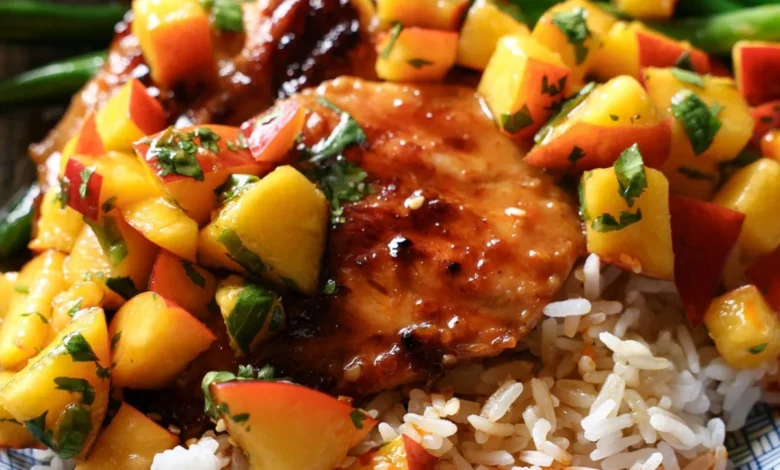
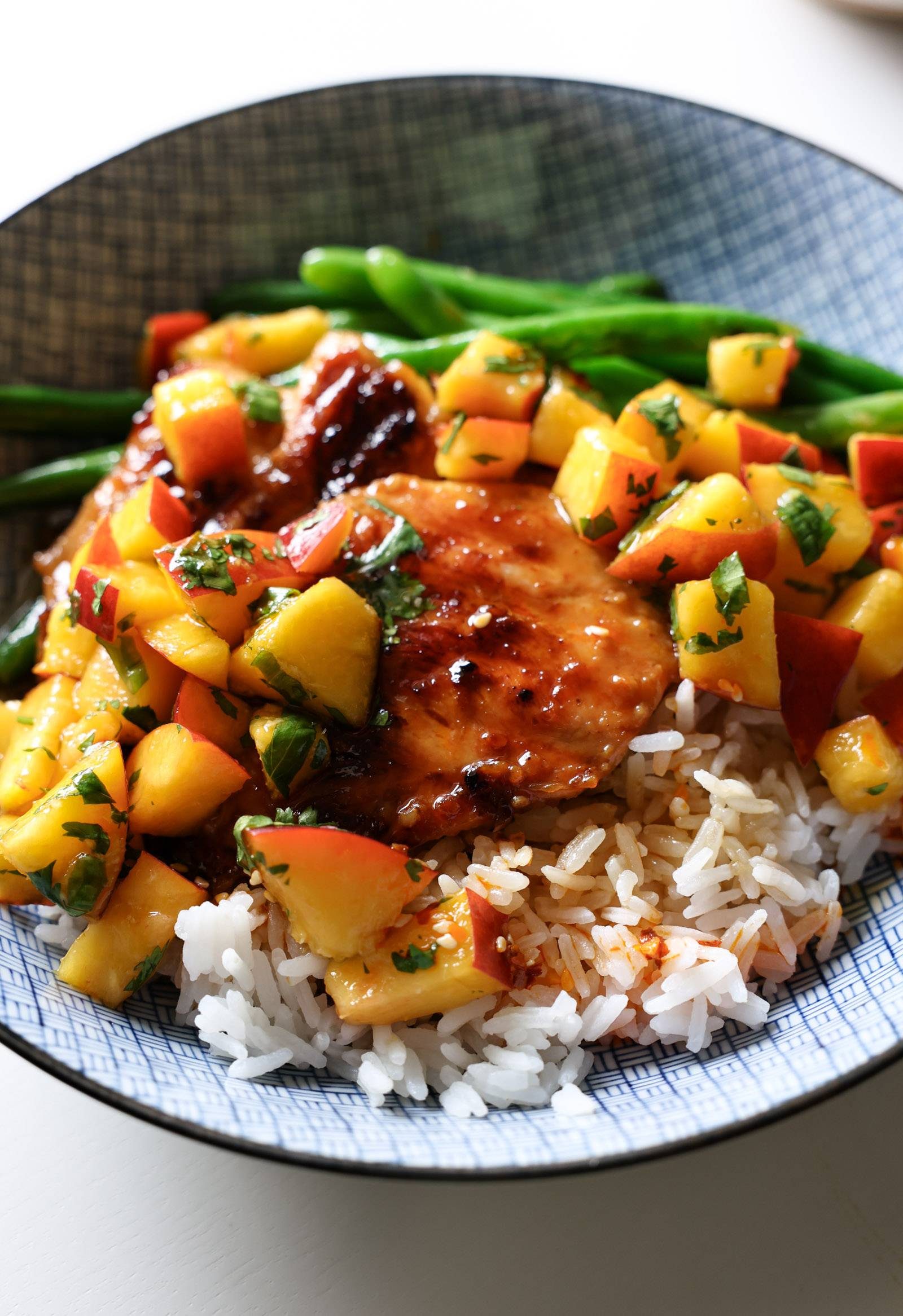
The conclusion of the summer season frequently prompts a shift in dietary habits, moving away from the indulgence often associated with travel and outdoor social gatherings toward lighter, nutrient-dense preparations. Among the recipes gaining traction for this transition is a dish combining grilled teriyaki chicken with fresh, gingery peaches and a signature sesame drench. This dish, which has been featured in contemporary culinary media, serves as a case study in the intersection of seasonal produce utilization and home-cooking efficiency.
Seasonal Culinary Shifts and Dietary Resets
Dietary patterns often fluctuate in response to the calendar, with late August and early September marking a distinct pivot point for many households. Data from food consumption studies indicate that during summer months, individuals are more likely to participate in high-sodium, high-calorie dining environments, such as road trips, outdoor festivals, and backyard barbecues.
As these patterns subside, there is a measurable uptick in consumer interest regarding "reset" meals—dishes that emphasize freshness, whole ingredients, and balanced flavor profiles. The Teriyaki Chicken with Ginger Peaches recipe addresses this demand by pairing high-protein lean meat with stone fruits, which are at their peak harvest quality during late summer. The integration of ginger and sesame provides an umami-rich flavor profile without the heavy fats associated with traditional comfort foods.

The Composition and Preparation of the Dish
The recipe, which has gained popularity for its versatility, is structured around three primary components: the protein base, the fruit element, and the aromatic dressing.
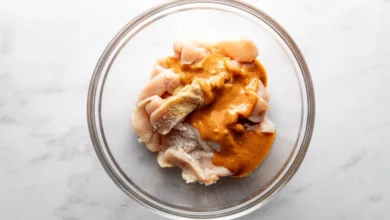
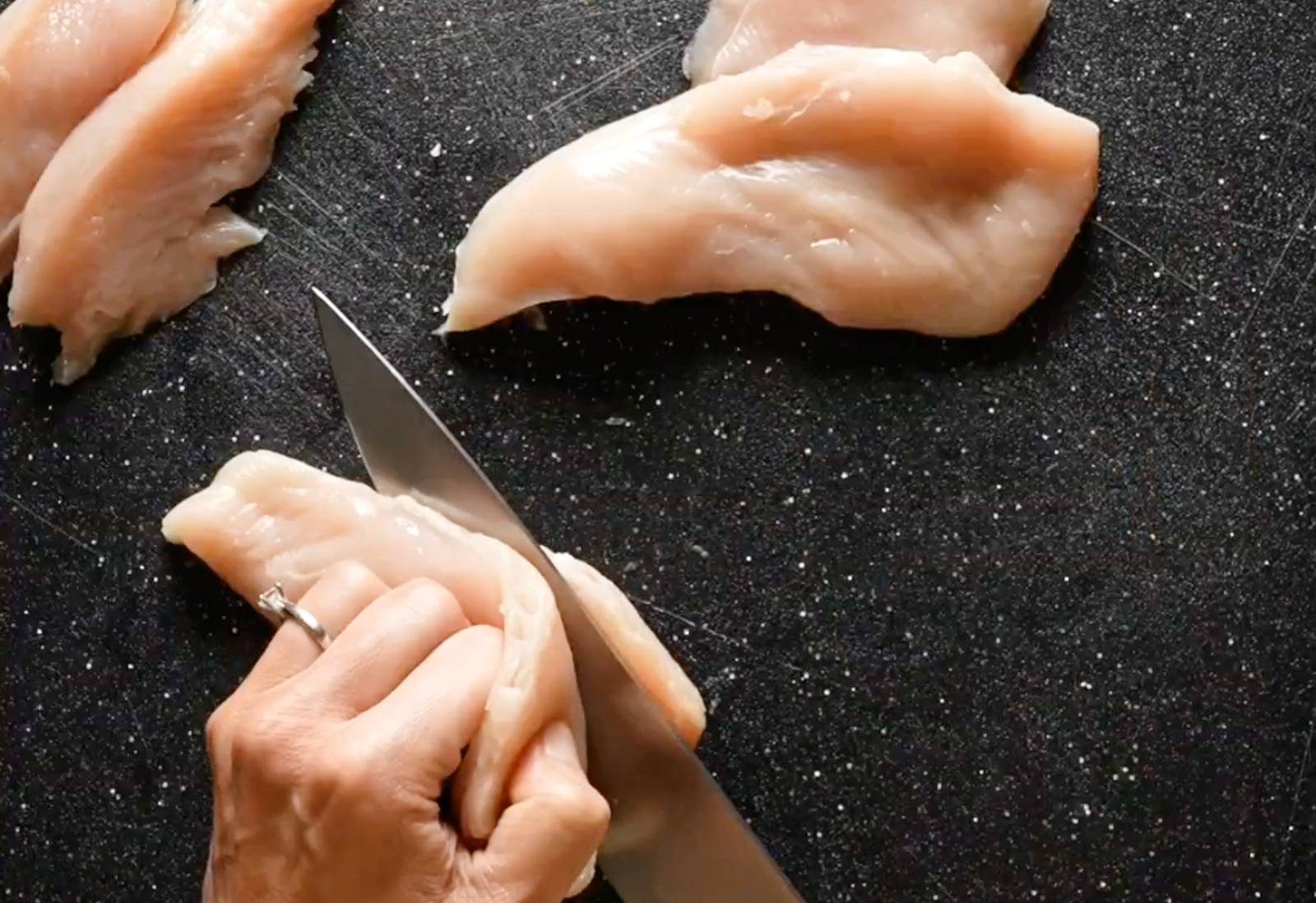
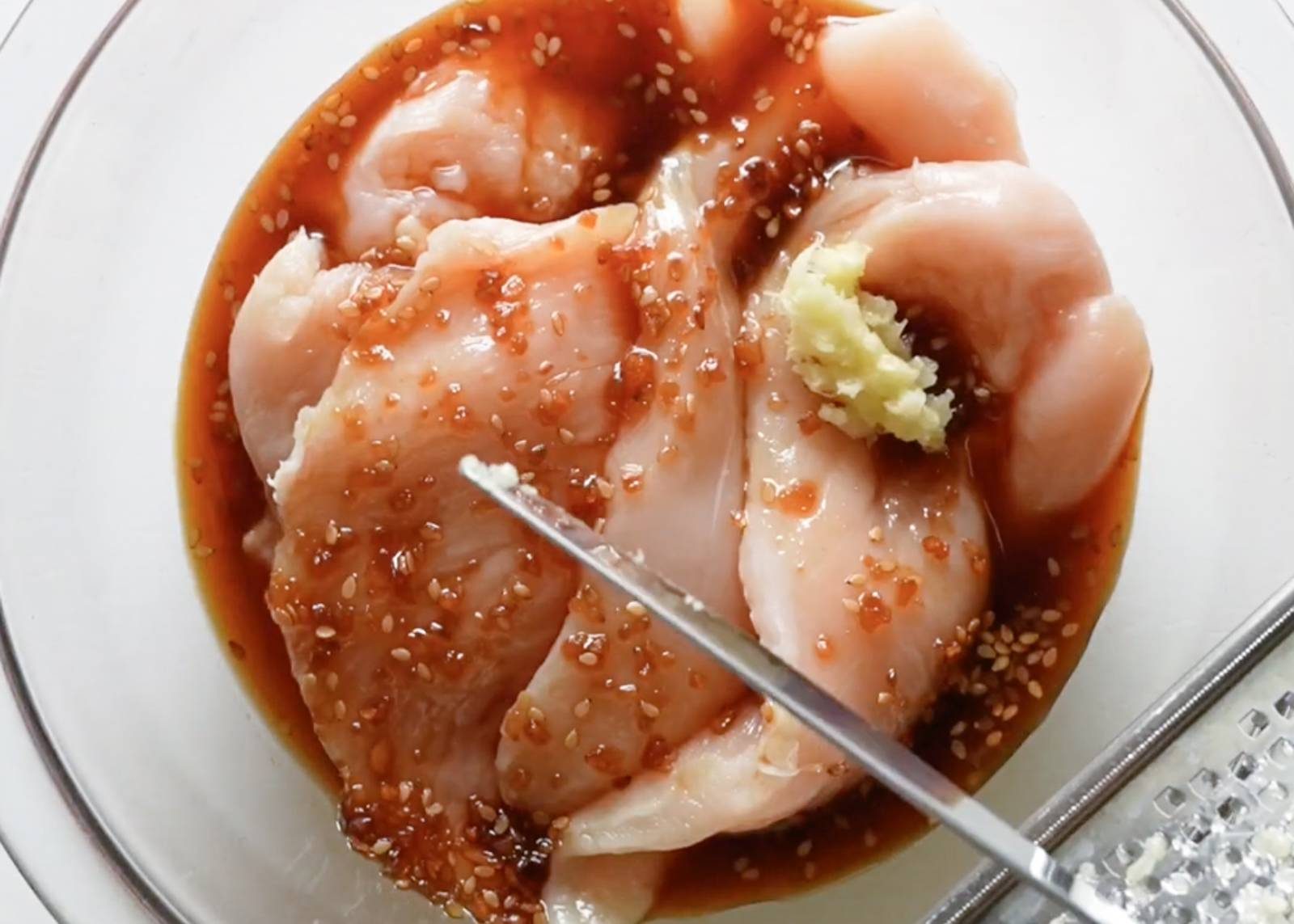
- The Protein Base: The foundation consists of chicken—typically breast or thigh—marinated in a traditional teriyaki sauce. The marination process allows for the breakdown of connective tissues, ensuring moisture retention during the high-heat grilling process.
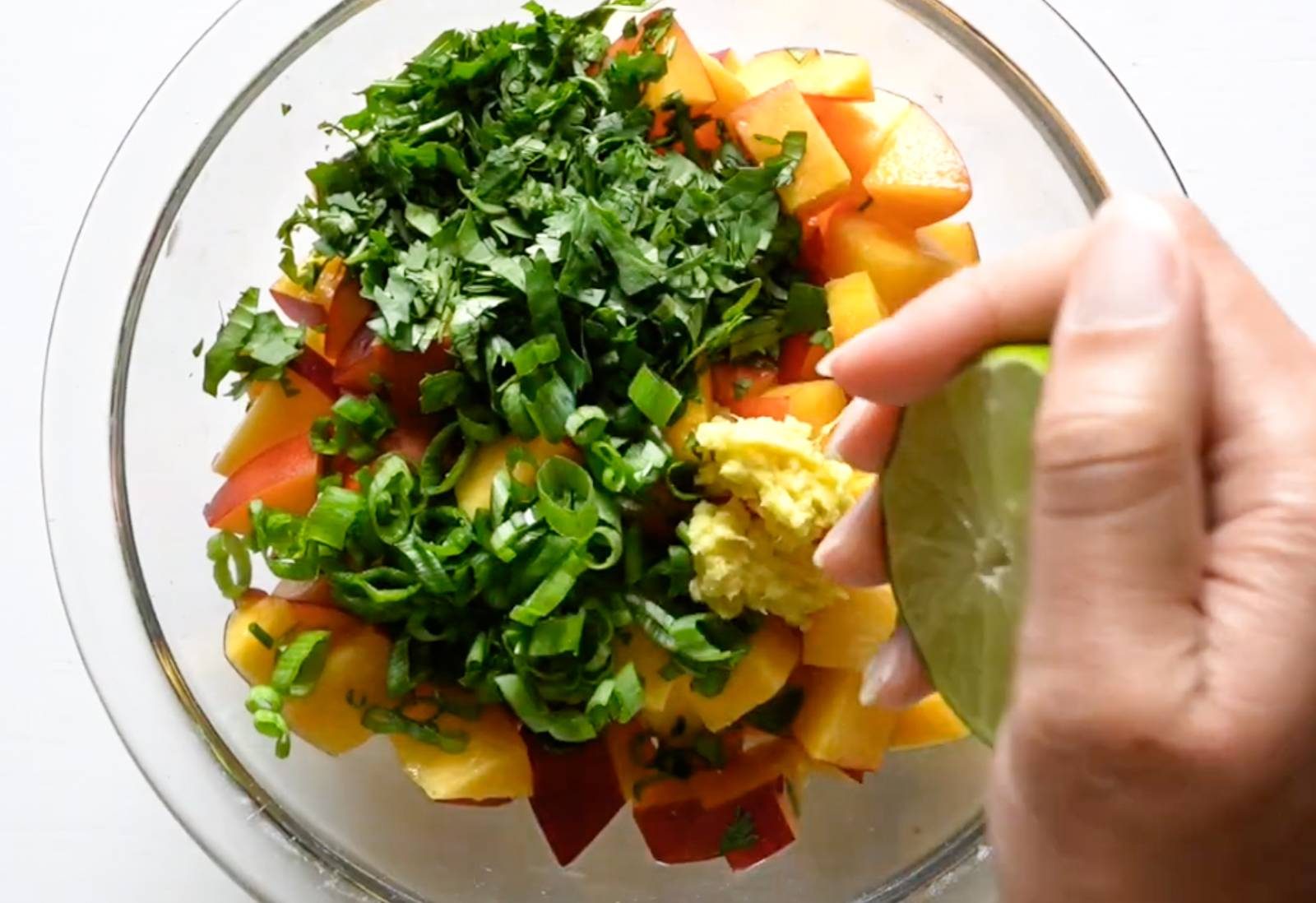
- The Fruit Component: The addition of peaches introduces a bright, acidic contrast to the savory teriyaki glaze. By incorporating fresh ginger, the recipe leverages the anti-inflammatory properties often associated with the root while adding a piquant heat that balances the natural sweetness of the fruit.
- The Sesame Drench: The final component acts as a binding agent, utilizing sesame oil and seeds to provide a nutty, rich finish that connects the disparate elements of the dish.
Chronology of Culinary Trends
The evolution of "fresh-reset" meals can be traced through the past decade of digital culinary reporting. In the early 2010s, home cooking trends focused heavily on "clean eating," a movement that prioritized the removal of processed ingredients. By the mid-2020s, the focus shifted toward "seasonal vitality," where the emphasis is not merely on elimination but on the celebration of peak-harvest ingredients.
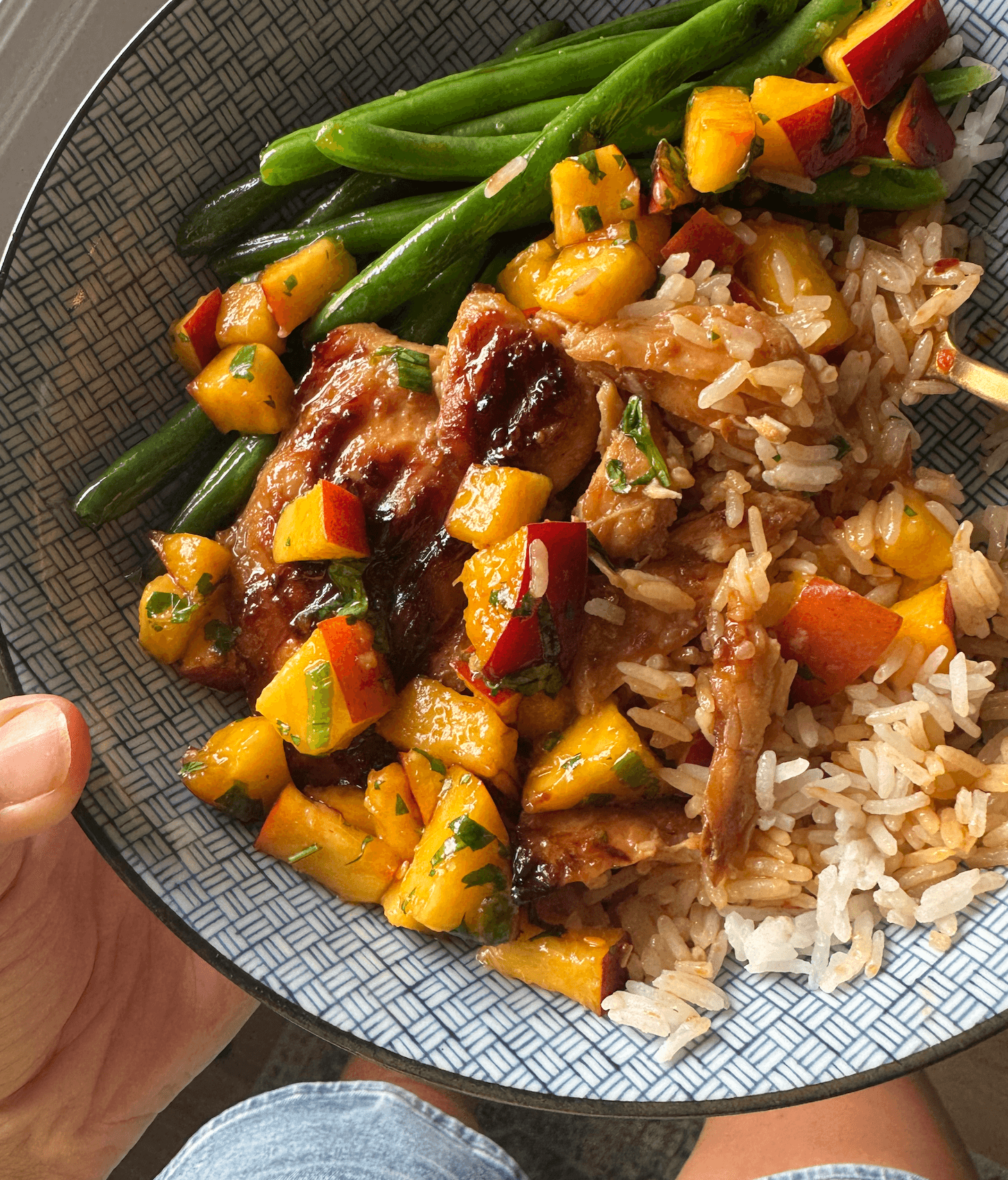
The specific combination of teriyaki chicken and peaches reflects a broader trend in fusion cooking, where Japanese-inspired savory profiles are blended with North American stone fruits. This fusion has been supported by the increased accessibility of diverse ingredients in standard grocery outlets, allowing for complex flavor profiles to be achieved in home kitchens in under 45 minutes.
Supporting Data and Nutritional Context
While individual recipes vary, the nutritional profile of this type of dish is generally favorable for those seeking to moderate caloric intake while maintaining protein levels. Grilled chicken provides approximately 25 to 30 grams of protein per 4-ounce serving, while peaches offer essential dietary fiber, Vitamin C, and potassium.

According to agricultural reports, the late-summer peach harvest in the United States typically experiences a surplus, making the fruit an economical and accessible choice for consumers. Culinary experts suggest that the use of seasonal fruit in savory applications is an effective strategy to reduce the consumption of refined sugars, as the fruit provides a natural sweetness that satisfies cravings without the need for processed additives.
Expert Perspectives and Culinary Strategy
Professional chefs often emphasize that the success of such a meal lies in the execution of the "drench" or sauce. By using high-quality toasted sesame oil and fresh ginger, the dish transcends the simplicity of a standard stir-fry. Culinary analysts suggest that the appeal of this specific dish to home cooks lies in its adaptability; it can be scaled for large family gatherings or simplified for individual meal preparation.
"The key to a successful reset meal is the balance of texture and temperature," notes one culinary consultant. "When you pair the heat of the grill with the cool, crisp nature of fresh fruit, you create a sensory experience that feels ‘light’ to the palate, which is the primary objective of a seasonal reset."
Broader Impact on Home Cooking Habits
The adoption of recipes like Teriyaki Chicken with Ginger Peaches signifies a departure from the "all-or-nothing" approach to dieting. Instead of restrictive measures, the modern approach to post-summer eating favors the inclusion of high-quality, whole foods.
The widespread dissemination of such recipes through digital video platforms and instructional blogs has democratized access to professional-style cooking techniques. By providing video-based tutorials, recipe creators enable home cooks to master timing and preparation, which are critical factors in ensuring that the chicken remains juicy and the peaches maintain their structural integrity during the assembly process.
Economic and Logistical Implications
From a logistics perspective, this dish is highly efficient. It minimizes kitchen heat—a common concern in late summer—by utilizing an outdoor grill. Furthermore, the ingredients are generally budget-friendly, as they are not subject to the price volatility of specialty imported produce.
The "family-style" nature of the dish also addresses the social component of dining. By offering a meal that is palatable to a wide age range—from children who may prefer plain components to adults who favor the complex drench—the recipe serves as a bridge for household members with varying dietary preferences.
Future Trends in Seasonal Dining
Looking ahead, the culinary industry expects to see a continued emphasis on "flavor-forward" health. As consumers become more educated about the health benefits of spices like ginger and the nutritional value of seasonal produce, the demand for recipes that combine these elements will likely increase.

The Teriyaki Chicken with Ginger Peaches is representative of a larger shift in how consumers view their relationship with food. It is no longer just about fuel or sustenance; it is about the intentional transition between the seasons. By focusing on meals that are both satisfying and restorative, individuals are better equipped to navigate the changes in their environment and their daily routines as the year progresses.
In conclusion, the popularity of this dish underscores a sophisticated approach to home cooking. It acknowledges the need for comfort while simultaneously respecting the physiological requirements of the body after a period of indulgence. As home cooks continue to refine their menus, the integration of fresh, seasonal produce with global flavor profiles will remain a hallmark of modern, sustainable, and enjoyable eating habits.